On June 30, 1864, while the United States tore itself apart in the bloodiest conflict in its history, President Abraham Lincoln signed a short bill that gave the State of California a stretch of granite cliffs, a waterfall-laced valley, and a grove of trees so enormous they made humans feel like insects. The land had almost no commercial value. It produced no gold, no timber worth the effort of hauling it out, and no farmland worth planting. Congress passed the measure with almost no debate. Lincoln, facing a brutal reelection campaign and daily reports of slaughter from Virginia and Georgia, simply signed it.
The Yosemite Grant was the first time the federal government of any nation on Earth deliberately set aside spectacular natural scenery for the permanent public enjoyment of ordinary people rather than for mining, logging, homesteading, or military use. It was not called a national park. Yellowstone would earn that title eight years later. But the idea was born here, in a single signature on a summer day in the middle of a war, when a handful of Californians convinced the most powerful man in the country that some rocks and really big trees were worth more left alone than turned into profit.
The story begins years earlier, in the chaotic aftermath of the Gold Rush. Non-Native explorers first entered the valley that would be called Yosemite in 1851 during a militia campaign against the Ahwahneechee people. Word spread slowly. By the late 1850s a few hardy tourists were making the brutal multi-day horseback journey from Mariposa or Coulterville. They arrived dusty, saddle-sore, and then stood speechless in front of cliffs that rose straight up for thousands of feet and waterfalls that seemed to fall from the sky itself. Artists and photographers followed. Carleton Watkins hauled his massive wet-plate camera equipment into the valley and produced images that reached the East Coast and even Europe. Unitarian minister Thomas Starr King wrote glowing letters for Boston newspapers describing a landscape that made the Alps look tame by comparison. The place entered the American imagination as something almost too grand to be real.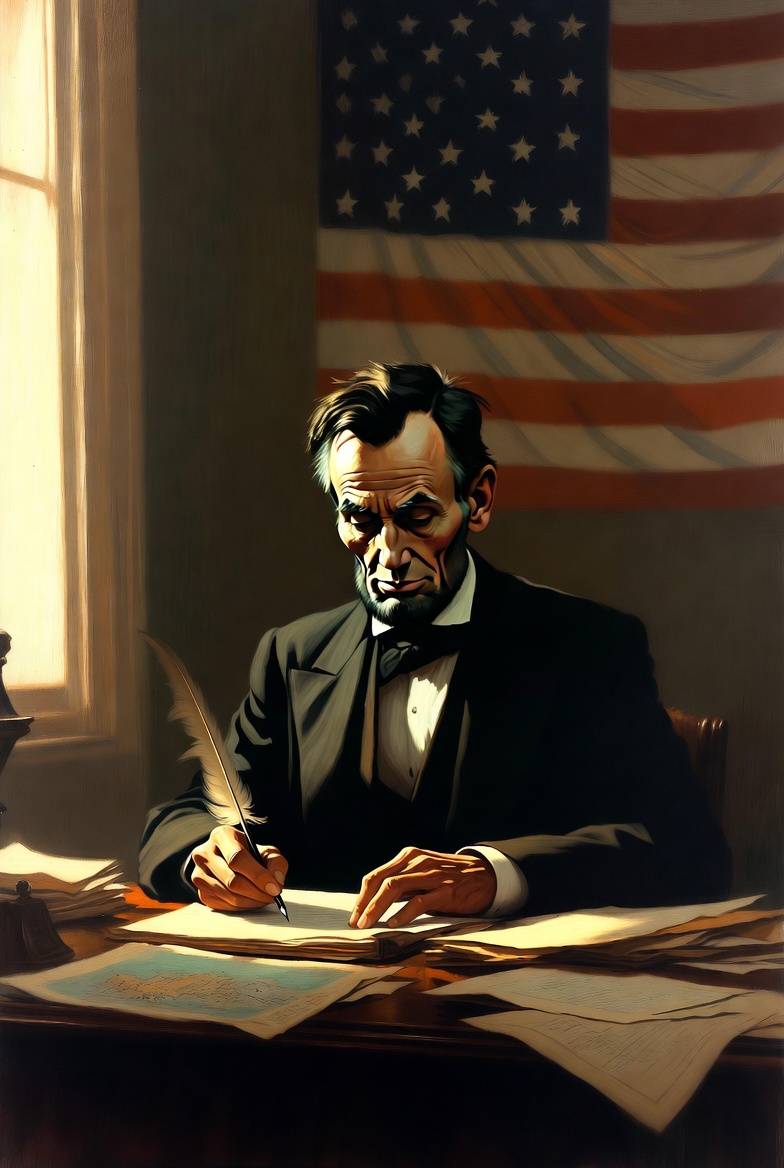 At the same time, practical men were already staking claims. Between 1856 and 1862 nine preemption filings were recorded in Mariposa County for choice spots along the valley floor. A hotel went up. Another was planned. Sheepherders drove flocks through the meadows, compacting soil and cropping grass that had supported wildlife for centuries. In the nearby Mariposa Grove, some of the giant sequoias — trees that were already ancient when Rome fell — faced the axe. One enormous specimen elsewhere had already been felled, cut into sections, and shipped East to be reassembled as a tourist spectacle. The public reaction was mixed outrage and fascination. People began to sense that something irreplaceable was slipping away before most Americans had even seen it.
Into this moment stepped Captain Israel Ward Raymond, a businessman and California agent for a steamship line. In February 1864 he wrote a letter from New York to Senator John Conness of California. Raymond enclosed photographs — almost certainly Watkins’ — and a draft of legislation. He argued that the valley and the big-tree grove should be granted to the state “to prevent occupation and especially to preserve the trees in the valley from destruction.” The language he used was almost entirely adopted into the final bill: the land must be held “for public use, resort, and recreation” and “shall be inalienable for all time.”
Conness, an Irish immigrant who had himself mined in California, introduced Senate Bill 203. On May 17, 1864, he stood on the Senate floor and described the area as “for all public purposes worthless” yet containing “perhaps some of the greatest wonders of the world.” The bill passed the Senate with little discussion. The House followed on June 29. The next day, June 30, Lincoln signed it into law.
The timing is almost absurd when you consider what else was happening. Union armies under Grant were grinding toward Petersburg in a siege that would last months and cost tens of thousands of lives. Sherman was maneuvering in Georgia. Lincoln’s own party was fracturing; some radicals wanted to replace him on the ticket. The president was signing war funding bills, tax increases, and conscription measures. And yet he also signed this quiet grant of remote California scenery to the state for the simple purpose of letting people go there and feel small in the presence of something larger than themselves.
The grant covered the floor and walls of Yosemite Valley — roughly fifteen miles long and a mile wide on each side from the rim — plus a separate four-square-mile tract around the Mariposa Grove of giant sequoias about twenty miles south. California accepted the gift in 1866 and appointed a board of commissioners that included Frederick Law Olmsted, the man who had designed Central Park in New York and who happened to be managing a mining estate in the area at the time. Galen Clark, a pioneer who had lived near the valley and become one of its early champions, was named the first guardian. He built trails, posted rules, and tried to keep order with almost no money and no real power to evict the people already living inside the grant boundaries.
At the same time, practical men were already staking claims. Between 1856 and 1862 nine preemption filings were recorded in Mariposa County for choice spots along the valley floor. A hotel went up. Another was planned. Sheepherders drove flocks through the meadows, compacting soil and cropping grass that had supported wildlife for centuries. In the nearby Mariposa Grove, some of the giant sequoias — trees that were already ancient when Rome fell — faced the axe. One enormous specimen elsewhere had already been felled, cut into sections, and shipped East to be reassembled as a tourist spectacle. The public reaction was mixed outrage and fascination. People began to sense that something irreplaceable was slipping away before most Americans had even seen it.
Into this moment stepped Captain Israel Ward Raymond, a businessman and California agent for a steamship line. In February 1864 he wrote a letter from New York to Senator John Conness of California. Raymond enclosed photographs — almost certainly Watkins’ — and a draft of legislation. He argued that the valley and the big-tree grove should be granted to the state “to prevent occupation and especially to preserve the trees in the valley from destruction.” The language he used was almost entirely adopted into the final bill: the land must be held “for public use, resort, and recreation” and “shall be inalienable for all time.”
Conness, an Irish immigrant who had himself mined in California, introduced Senate Bill 203. On May 17, 1864, he stood on the Senate floor and described the area as “for all public purposes worthless” yet containing “perhaps some of the greatest wonders of the world.” The bill passed the Senate with little discussion. The House followed on June 29. The next day, June 30, Lincoln signed it into law.
The timing is almost absurd when you consider what else was happening. Union armies under Grant were grinding toward Petersburg in a siege that would last months and cost tens of thousands of lives. Sherman was maneuvering in Georgia. Lincoln’s own party was fracturing; some radicals wanted to replace him on the ticket. The president was signing war funding bills, tax increases, and conscription measures. And yet he also signed this quiet grant of remote California scenery to the state for the simple purpose of letting people go there and feel small in the presence of something larger than themselves.
The grant covered the floor and walls of Yosemite Valley — roughly fifteen miles long and a mile wide on each side from the rim — plus a separate four-square-mile tract around the Mariposa Grove of giant sequoias about twenty miles south. California accepted the gift in 1866 and appointed a board of commissioners that included Frederick Law Olmsted, the man who had designed Central Park in New York and who happened to be managing a mining estate in the area at the time. Galen Clark, a pioneer who had lived near the valley and become one of its early champions, was named the first guardian. He built trails, posted rules, and tried to keep order with almost no money and no real power to evict the people already living inside the grant boundaries.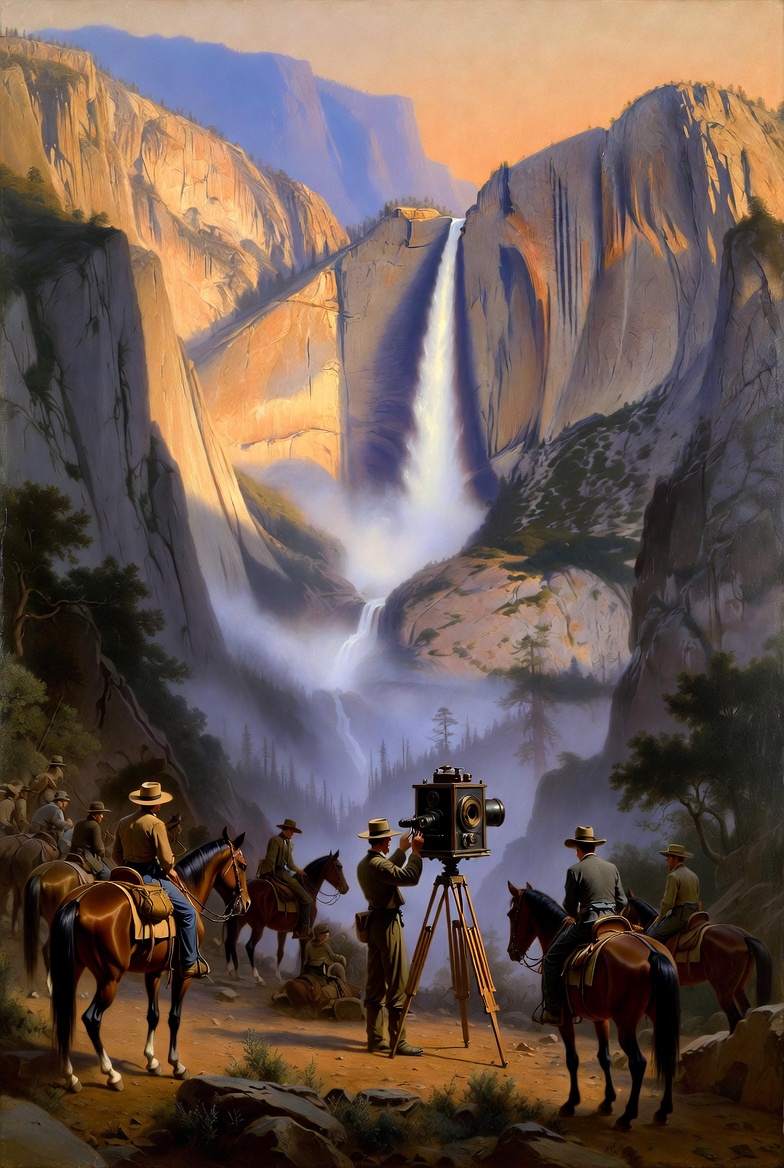 Management proved messy. Squatters and hotel operators fought eviction in court. Sheep continued to graze the meadows until later decades. The state legislature sometimes forgot to fund the commissioners. Yet the core principle survived: this land existed for everyone’s refreshment, not for anyone’s exclusive profit. When John Muir arrived in 1868 he found both the valley and the idea already waiting for him. His later campaigns, and the 1890 creation of Yosemite National Park that folded the original grant into a much larger federal reserve, grew directly from the precedent Lincoln had signed.
The deeper significance is easy to miss because it feels so obvious now. Before 1864 no government had ever done this. Land was for settlement, extraction, or defense. The notion that a democratic republic might deliberately withhold spectacular territory from development so that future generations could simply stand in it and feel awe was new. It was also quietly radical. It suggested that a nation’s greatness might be measured not only by what it built or conquered but by what it chose to leave alone. In the middle of a war that was testing whether the United States could endure at all, a few people and one president decided that part of the answer lay in preserving a valley most of them would never visit.
That decision created a chain of consequences that still shapes American life. It helped birth the entire national park system. It gave conservation a legal and cultural foothold at a moment when industrial expansion was about to accelerate dramatically. It modeled the idea that public goods sometimes require public protection against short-term private claims. And it did all of this without fanfare, without a grand speech from Lincoln, and without any guarantee of success. The commissioners struggled for years. The land was threatened again and again. Yet the principle — that some places and some experiences must remain inalienable — endured.
Management proved messy. Squatters and hotel operators fought eviction in court. Sheep continued to graze the meadows until later decades. The state legislature sometimes forgot to fund the commissioners. Yet the core principle survived: this land existed for everyone’s refreshment, not for anyone’s exclusive profit. When John Muir arrived in 1868 he found both the valley and the idea already waiting for him. His later campaigns, and the 1890 creation of Yosemite National Park that folded the original grant into a much larger federal reserve, grew directly from the precedent Lincoln had signed.
The deeper significance is easy to miss because it feels so obvious now. Before 1864 no government had ever done this. Land was for settlement, extraction, or defense. The notion that a democratic republic might deliberately withhold spectacular territory from development so that future generations could simply stand in it and feel awe was new. It was also quietly radical. It suggested that a nation’s greatness might be measured not only by what it built or conquered but by what it chose to leave alone. In the middle of a war that was testing whether the United States could endure at all, a few people and one president decided that part of the answer lay in preserving a valley most of them would never visit.
That decision created a chain of consequences that still shapes American life. It helped birth the entire national park system. It gave conservation a legal and cultural foothold at a moment when industrial expansion was about to accelerate dramatically. It modeled the idea that public goods sometimes require public protection against short-term private claims. And it did all of this without fanfare, without a grand speech from Lincoln, and without any guarantee of success. The commissioners struggled for years. The land was threatened again and again. Yet the principle — that some places and some experiences must remain inalienable — endured.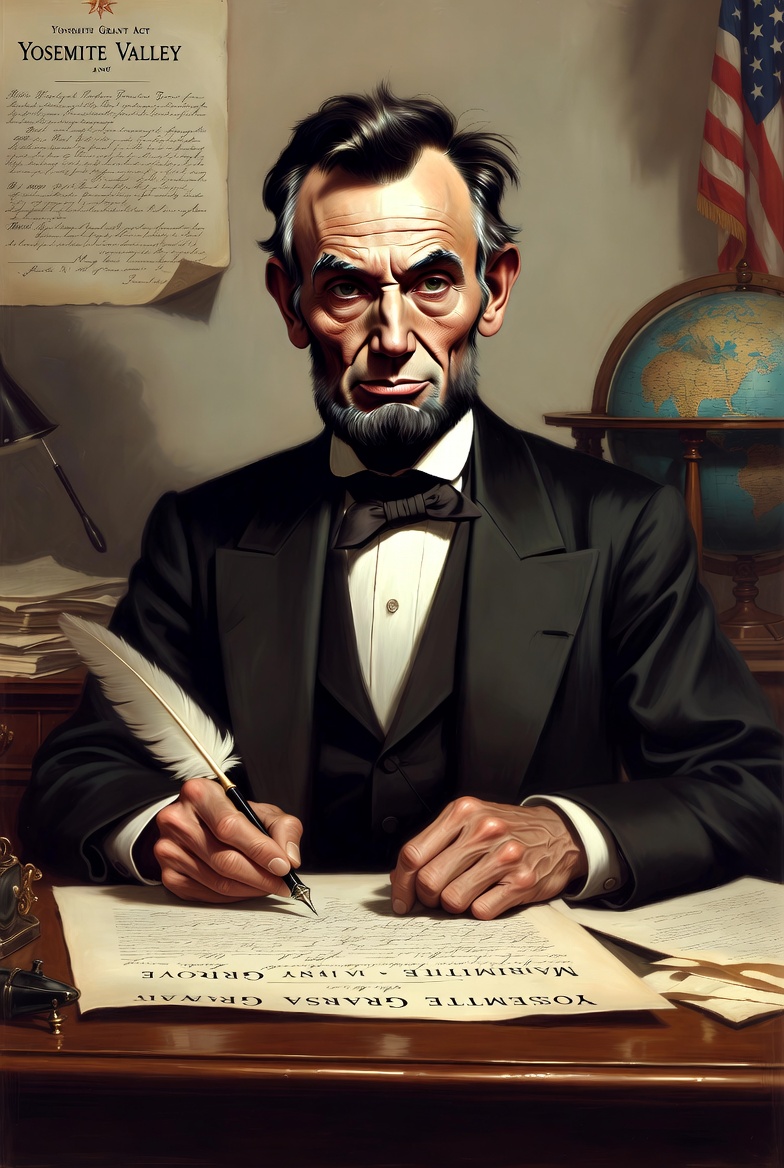 Now consider what that same principle might offer an individual life in the twenty-first century.
Modern existence often feels like a continuous claim-staking rush. Notifications arrive like prospectors. Obligations multiply like sheep on a meadow. The language of optimization, monetization, and “content creation” turns even rest and relationships into potential resources to be extracted. The result is a kind of inner clear-cutting: the parts of life that produce no immediate measurable output — wonder, aimless walking, long conversations with no agenda, staring at clouds, making music badly, sitting with grief or joy without posting about it — get pushed to the margins or paved over entirely. We treat our own attention and emotional landscape the way nineteenth-century developers treated Yosemite: as territory that must justify itself through usefulness or be improved out of existence.
The Yosemite Grant suggests a different approach. It says that some territory in a life is worth protecting precisely because it has no obvious utility. The “public use” in the 1864 act was not economic development or military training. It was resort and recreation — the chance for human beings to be restored by something larger than their own productivity. Lincoln and the Californians who lobbied him were not sentimental about nature in a vague way. They were practical enough to recognize that a nation (or a person) that only values what can be immediately turned into cash or advantage eventually runs out of the very qualities that make endurance possible: perspective, resilience, imagination, and the capacity for awe.
Applying this to daily life does not require moving to the mountains or quitting your job. It requires doing what the 1864 act did in miniature: drawing a boundary around something precious, declaring it inalienable, and then actually defending that boundary when the inevitable claims arrive.
Here is a concrete, historically inspired protocol you can implement in under an hour and maintain with minimal ongoing effort. It is deliberately modeled on the process that created the Yosemite Grant rather than on generic self-help frameworks.
**The Personal Yosemite Grant Protocol**
Phase 1 — The Raymond Letter (15–20 minutes)
Write a one-page document addressed to your future self. Describe the specific “valley” you are granting protection to: the exact activity, place, time block, or state of mind that restores you but produces no immediate external output. Be as precise as Raymond was. Instead of “I need more nature,” write “Thursday evenings from 7:00 to 8:30, I walk the greenbelt trail behind the office complex without headphones and without tracking steps or posting photos.” Name the threats: the specific encroachments that have already nibbled at this territory (scrolling that eats the first twenty minutes, the habit of checking work email “just once,” the inner voice that calls the time selfish). Include at least one photograph or simple sketch if it helps anchor the description. This document is your private declaration of what is worth preserving.
Now consider what that same principle might offer an individual life in the twenty-first century.
Modern existence often feels like a continuous claim-staking rush. Notifications arrive like prospectors. Obligations multiply like sheep on a meadow. The language of optimization, monetization, and “content creation” turns even rest and relationships into potential resources to be extracted. The result is a kind of inner clear-cutting: the parts of life that produce no immediate measurable output — wonder, aimless walking, long conversations with no agenda, staring at clouds, making music badly, sitting with grief or joy without posting about it — get pushed to the margins or paved over entirely. We treat our own attention and emotional landscape the way nineteenth-century developers treated Yosemite: as territory that must justify itself through usefulness or be improved out of existence.
The Yosemite Grant suggests a different approach. It says that some territory in a life is worth protecting precisely because it has no obvious utility. The “public use” in the 1864 act was not economic development or military training. It was resort and recreation — the chance for human beings to be restored by something larger than their own productivity. Lincoln and the Californians who lobbied him were not sentimental about nature in a vague way. They were practical enough to recognize that a nation (or a person) that only values what can be immediately turned into cash or advantage eventually runs out of the very qualities that make endurance possible: perspective, resilience, imagination, and the capacity for awe.
Applying this to daily life does not require moving to the mountains or quitting your job. It requires doing what the 1864 act did in miniature: drawing a boundary around something precious, declaring it inalienable, and then actually defending that boundary when the inevitable claims arrive.
Here is a concrete, historically inspired protocol you can implement in under an hour and maintain with minimal ongoing effort. It is deliberately modeled on the process that created the Yosemite Grant rather than on generic self-help frameworks.
**The Personal Yosemite Grant Protocol**
Phase 1 — The Raymond Letter (15–20 minutes)
Write a one-page document addressed to your future self. Describe the specific “valley” you are granting protection to: the exact activity, place, time block, or state of mind that restores you but produces no immediate external output. Be as precise as Raymond was. Instead of “I need more nature,” write “Thursday evenings from 7:00 to 8:30, I walk the greenbelt trail behind the office complex without headphones and without tracking steps or posting photos.” Name the threats: the specific encroachments that have already nibbled at this territory (scrolling that eats the first twenty minutes, the habit of checking work email “just once,” the inner voice that calls the time selfish). Include at least one photograph or simple sketch if it helps anchor the description. This document is your private declaration of what is worth preserving.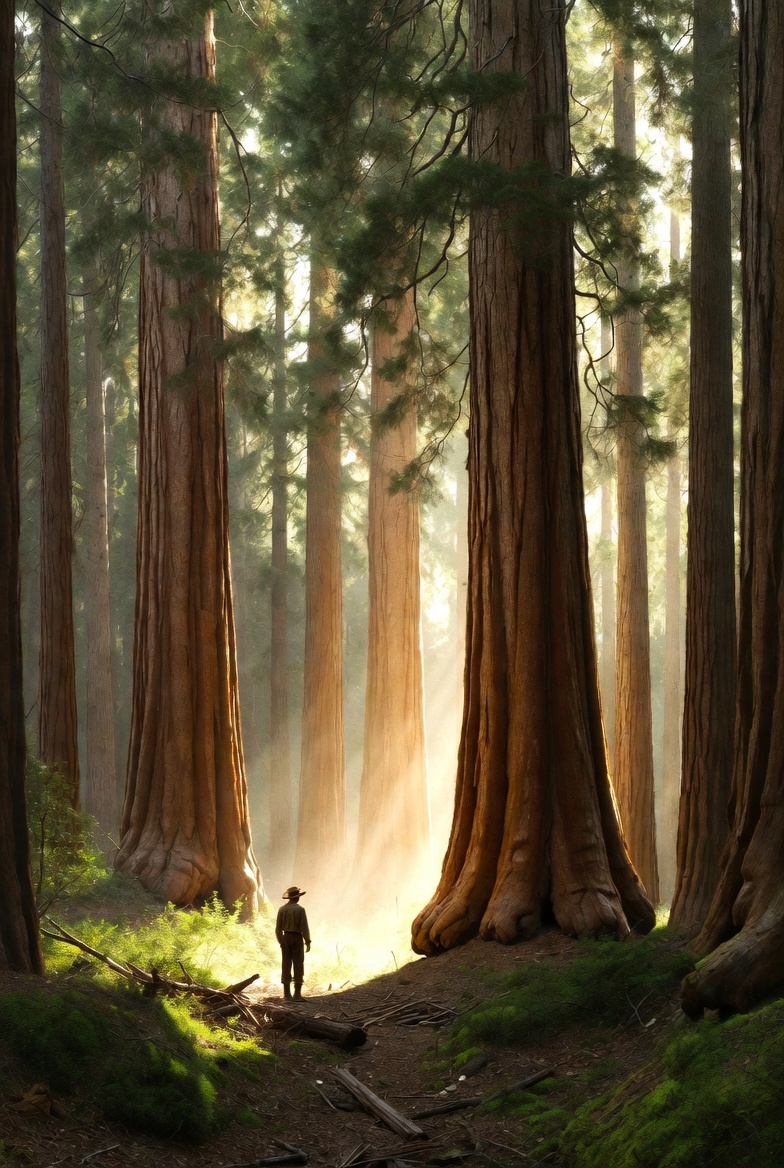 Phase 2 — The Conness Introduction (10 minutes)
Share the letter with one other person — a friend, partner, or even a journal entry framed as testimony. In the historical story, Raymond needed Conness to introduce the bill. You need at least one external witness who can later remind you that the grant exists when you are tempted to revoke it. The witness does not have to do anything complicated. They simply receive the document and acknowledge it. This step converts a private intention into something that carries a trace of public accountability.
Phase 3 — The Lincoln Signature (5 minutes)
Print or neatly hand-write the final version of your grant document. Sign it with the current date and a short phrase that echoes the 1864 language: “Held for personal use, resort, and restoration. Inalienable for all time within reason.” Date-stamp it or have your witness initial it. Place the signed copy somewhere visible but not performative — inside a notebook you actually use, taped inside a cabinet door, or saved as a locked note on your phone with a neutral title like “Boundary Map 1864.” The act of signing matters. It is the moment you stop treating the protected time as negotiable real estate.
Phase 4 — Appoint the Commission and Guardian (ongoing, low effort)
Choose two roles. The Guardian is you on patrol: a simple recurring ritual that signals the boundary is active. It could be putting on a specific hat or jacket before the protected time, playing the same three-minute piece of music as you begin, or walking the first hundred steps of a familiar route in deliberate silence. The ritual is not the activity itself; it is the equivalent of Galen Clark posting the rules and walking the perimeter.
The Commissioners are a small, recurring review process. Once a month, spend ten minutes with your original document and ask three questions drawn from the historical record:
- Has any “preemption claim” (recurring meeting, new app, family expectation) been filed inside the protected territory without explicit approval?
- Is the “meadow” (your actual experience during the time) being overgrazed by performance pressure or comparison?
- What single improvement would make the experience more accessible to future versions of yourself without turning it into work?
Write the answers in the margin of the document or in a dedicated note. No apps, no tracking streaks, no public posts required.
**The Eviction and Survey Practice (weekly, 5–7 minutes)**
Once a week, conduct a quick boundary survey. Scan the previous seven days for squatters: the twenty-minute doomscroll that somehow migrated into what should have been valley time, the “quick” work task that expanded across a protected evening, the social obligation accepted out of reflex rather than choice. Issue a mental or written eviction notice. You do not have to be harsh. Simply note the intrusion and restate the boundary for the coming week. This mirrors the ongoing work the early Yosemite commissioners faced with people already living inside the grant. The land was never empty; it had to be actively maintained as protected space.
**The Public Use Clause (optional but powerful)**
The original act required the land to serve the public. Your version can include a modest outward expression once or twice a month: sharing one observation, photograph (without performance pressure), or insight that came from the protected time with one other person. This is not content creation. It is the equivalent of letting others walk the trail you have kept open. It prevents the sanctuary from becoming purely private hoarding and connects your small act of preservation to a larger human need for wonder.
Phase 2 — The Conness Introduction (10 minutes)
Share the letter with one other person — a friend, partner, or even a journal entry framed as testimony. In the historical story, Raymond needed Conness to introduce the bill. You need at least one external witness who can later remind you that the grant exists when you are tempted to revoke it. The witness does not have to do anything complicated. They simply receive the document and acknowledge it. This step converts a private intention into something that carries a trace of public accountability.
Phase 3 — The Lincoln Signature (5 minutes)
Print or neatly hand-write the final version of your grant document. Sign it with the current date and a short phrase that echoes the 1864 language: “Held for personal use, resort, and restoration. Inalienable for all time within reason.” Date-stamp it or have your witness initial it. Place the signed copy somewhere visible but not performative — inside a notebook you actually use, taped inside a cabinet door, or saved as a locked note on your phone with a neutral title like “Boundary Map 1864.” The act of signing matters. It is the moment you stop treating the protected time as negotiable real estate.
Phase 4 — Appoint the Commission and Guardian (ongoing, low effort)
Choose two roles. The Guardian is you on patrol: a simple recurring ritual that signals the boundary is active. It could be putting on a specific hat or jacket before the protected time, playing the same three-minute piece of music as you begin, or walking the first hundred steps of a familiar route in deliberate silence. The ritual is not the activity itself; it is the equivalent of Galen Clark posting the rules and walking the perimeter.
The Commissioners are a small, recurring review process. Once a month, spend ten minutes with your original document and ask three questions drawn from the historical record:
- Has any “preemption claim” (recurring meeting, new app, family expectation) been filed inside the protected territory without explicit approval?
- Is the “meadow” (your actual experience during the time) being overgrazed by performance pressure or comparison?
- What single improvement would make the experience more accessible to future versions of yourself without turning it into work?
Write the answers in the margin of the document or in a dedicated note. No apps, no tracking streaks, no public posts required.
**The Eviction and Survey Practice (weekly, 5–7 minutes)**
Once a week, conduct a quick boundary survey. Scan the previous seven days for squatters: the twenty-minute doomscroll that somehow migrated into what should have been valley time, the “quick” work task that expanded across a protected evening, the social obligation accepted out of reflex rather than choice. Issue a mental or written eviction notice. You do not have to be harsh. Simply note the intrusion and restate the boundary for the coming week. This mirrors the ongoing work the early Yosemite commissioners faced with people already living inside the grant. The land was never empty; it had to be actively maintained as protected space.
**The Public Use Clause (optional but powerful)**
The original act required the land to serve the public. Your version can include a modest outward expression once or twice a month: sharing one observation, photograph (without performance pressure), or insight that came from the protected time with one other person. This is not content creation. It is the equivalent of letting others walk the trail you have kept open. It prevents the sanctuary from becoming purely private hoarding and connects your small act of preservation to a larger human need for wonder.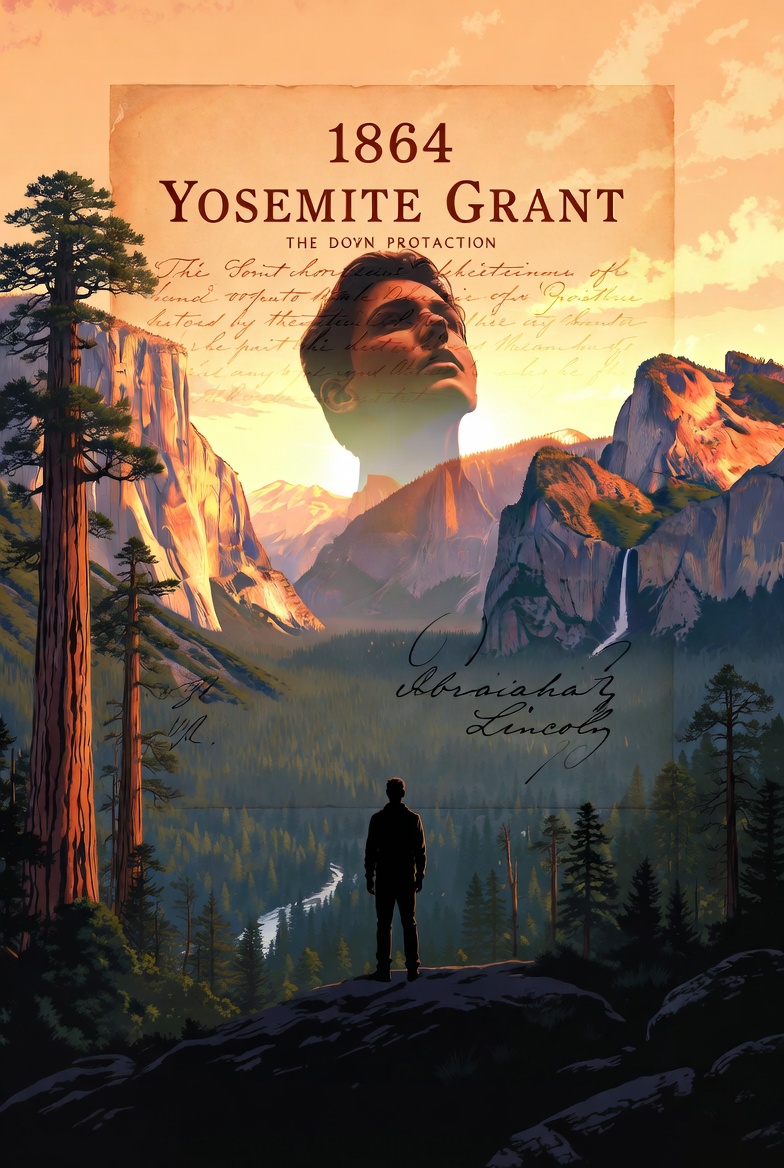 The entire protocol can be set up in one sitting. Maintenance requires less time per week than most people spend deciding what to watch on streaming services. It is not another productivity system layered on top of an already crowded life. It is a deliberate reduction of territory — a conscious decision that a small portion of your calendar and attention will remain “worthless” in the narrow economic sense so that it can remain priceless in every other sense.
The historical precedent matters because it happened under worse conditions than most of us face. Lincoln signed the grant while the outcome of the Civil War was still uncertain and his own political survival was in doubt. The Californians who lobbied for it had no guarantee that the state would manage the land well or that future generations would care. They acted anyway, on the bet that a nation (or a person) that only protects what is immediately useful eventually loses the capacity to recognize what is essential. The sequoias in the Mariposa Grove were already thousands of years old when the bill was signed. Some of them are still standing. The principle that created the legal space around them has proven more durable than many of the urgent crises that seemed more important at the time.
Your own protected valley does not need to be dramatic. It can be a regular walk, an hour with a physical book, time spent making something with no audience in mind, or simply sitting without a screen. What matters is the act of granting it formal status, posting the boundary, and then refusing to let the ordinary pressures of life treat that territory as vacant land available for the next claim. In a culture that rewards constant extraction from every available resource — including your own inner life — choosing to keep even a small piece inalienable is a quiet but genuine act of defiance and self-respect.
Lincoln never visited Yosemite. Most members of Congress who voted for the grant never saw it. They protected it for people they would never meet. You can do the same for the future versions of yourself who will need a place to stand when the rest of life feels like one long siege. The rocks and the big trees are still there. The precedent is still available. All that remains is the signature.
The entire protocol can be set up in one sitting. Maintenance requires less time per week than most people spend deciding what to watch on streaming services. It is not another productivity system layered on top of an already crowded life. It is a deliberate reduction of territory — a conscious decision that a small portion of your calendar and attention will remain “worthless” in the narrow economic sense so that it can remain priceless in every other sense.
The historical precedent matters because it happened under worse conditions than most of us face. Lincoln signed the grant while the outcome of the Civil War was still uncertain and his own political survival was in doubt. The Californians who lobbied for it had no guarantee that the state would manage the land well or that future generations would care. They acted anyway, on the bet that a nation (or a person) that only protects what is immediately useful eventually loses the capacity to recognize what is essential. The sequoias in the Mariposa Grove were already thousands of years old when the bill was signed. Some of them are still standing. The principle that created the legal space around them has proven more durable than many of the urgent crises that seemed more important at the time.
Your own protected valley does not need to be dramatic. It can be a regular walk, an hour with a physical book, time spent making something with no audience in mind, or simply sitting without a screen. What matters is the act of granting it formal status, posting the boundary, and then refusing to let the ordinary pressures of life treat that territory as vacant land available for the next claim. In a culture that rewards constant extraction from every available resource — including your own inner life — choosing to keep even a small piece inalienable is a quiet but genuine act of defiance and self-respect.
Lincoln never visited Yosemite. Most members of Congress who voted for the grant never saw it. They protected it for people they would never meet. You can do the same for the future versions of yourself who will need a place to stand when the rest of life feels like one long siege. The rocks and the big trees are still there. The precedent is still available. All that remains is the signature.