On June 14, 1645, in the rolling Northamptonshire countryside near the small village of Naseby, England, the English Civil War reached a decisive turning point. The Battle of Naseby was no grand epic of thousands upon thousands clashing in a Hollywood spectacle. It was a gritty, fog-shrouded, two-hour brawl involving roughly 22,000 men—about 14,000 Parliamentarians under Sir Thomas Fairfax and Oliver Cromwell against around 8,000 Royalists led by King Charles I and his flamboyant nephew Prince Rupert. What unfolded on those muddy fields wasn't just a military victory; it was a masterclass in adaptability, disciplined execution under pressure, and the power of a unified force that refused to let tradition or royal whim dictate outcomes.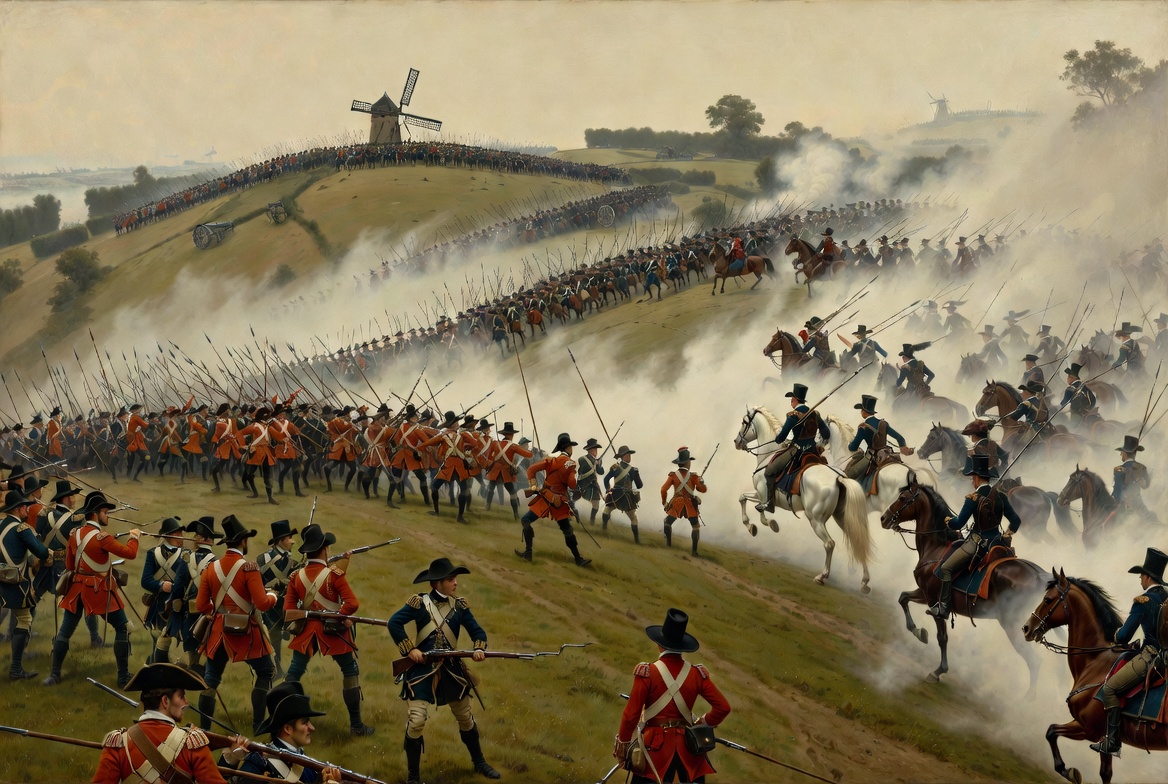 This wasn't ancient myth or vague legend. It was raw 17th-century reality: muskets misfiring in the damp, cavalry charges thundering across open moorland, infantry lines clashing in brutal melee, and a king watching his dreams of absolute rule crumble in real time. The Parliamentarian New Model Army—freshly professionalized, merit-based, and ideologically driven—shattered the king's main field force. By day's end, the Royalists lost their infantry, artillery, baggage train, and thousands of prisoners. Charles fled, his cause mortally wounded. Within a year, he was a prisoner, and the trajectory toward constitutional limits on monarchy was set in motion.
To truly appreciate why this obscure June day still echoes, we must dive deep into the weeks, days, and hours leading up to it. The English Civil Wars (1642–1651) pitted supporters of Parliament—defending rights, religion, and representation—against Royalists loyal to Charles I, who believed in divine-right kingship and personal rule without much parliamentary interference. By early 1645, the war had dragged on for years with no clear winner. Parliament's forces had suffered setbacks, including a lackluster performance at the Second Battle of Newbury in late 1644. Frustrated leaders pushed through the Self-Denying Ordinance, forcing members of Parliament to resign military commands so professionals could take over. This birthed the New Model Army: a centralized, well-paid, disciplined force where promotion came through ability, not birthright. Fairfax was appointed Captain-General, with Cromwell as Lieutenant-General of the Horse.
Spring 1645 saw Royalist hopes flicker. Charles, based in Oxford, aimed to relieve pressure on his garrisons and link up with forces in the north and west. Prince Rupert, the dashing cavalry commander fresh from continental experience, urged bold moves. But Parliament's New Model Army, reorganized and motivated, was on the march. In May, Royalists captured Leicester, a morale boost, but Fairfax's army pursued relentlessly. By early June, the king was maneuvering in the Midlands, hoping to evade decisive engagement or draw the enemy into unfavorable terrain.
The stage was set near Market Harborough. On June 12–13, the armies shadowed each other. Royalist scouts and Parliamentarian patrols clashed in minor skirmishes. Fog and poor visibility played roles, as did the hilly, enclosed landscape of hedges, furze, and rabbit warrens that favored defensive stands but complicated maneuvers. On the evening of June 13, a Royalist council of war debated: Rupert and others favored continuing northward to link with reinforcements, but Secretary of State Lord Digby and others pushed for battle, arguing retreat would demoralize troops. Charles sided with fight. It was a fateful choice.
This wasn't ancient myth or vague legend. It was raw 17th-century reality: muskets misfiring in the damp, cavalry charges thundering across open moorland, infantry lines clashing in brutal melee, and a king watching his dreams of absolute rule crumble in real time. The Parliamentarian New Model Army—freshly professionalized, merit-based, and ideologically driven—shattered the king's main field force. By day's end, the Royalists lost their infantry, artillery, baggage train, and thousands of prisoners. Charles fled, his cause mortally wounded. Within a year, he was a prisoner, and the trajectory toward constitutional limits on monarchy was set in motion.
To truly appreciate why this obscure June day still echoes, we must dive deep into the weeks, days, and hours leading up to it. The English Civil Wars (1642–1651) pitted supporters of Parliament—defending rights, religion, and representation—against Royalists loyal to Charles I, who believed in divine-right kingship and personal rule without much parliamentary interference. By early 1645, the war had dragged on for years with no clear winner. Parliament's forces had suffered setbacks, including a lackluster performance at the Second Battle of Newbury in late 1644. Frustrated leaders pushed through the Self-Denying Ordinance, forcing members of Parliament to resign military commands so professionals could take over. This birthed the New Model Army: a centralized, well-paid, disciplined force where promotion came through ability, not birthright. Fairfax was appointed Captain-General, with Cromwell as Lieutenant-General of the Horse.
Spring 1645 saw Royalist hopes flicker. Charles, based in Oxford, aimed to relieve pressure on his garrisons and link up with forces in the north and west. Prince Rupert, the dashing cavalry commander fresh from continental experience, urged bold moves. But Parliament's New Model Army, reorganized and motivated, was on the march. In May, Royalists captured Leicester, a morale boost, but Fairfax's army pursued relentlessly. By early June, the king was maneuvering in the Midlands, hoping to evade decisive engagement or draw the enemy into unfavorable terrain.
The stage was set near Market Harborough. On June 12–13, the armies shadowed each other. Royalist scouts and Parliamentarian patrols clashed in minor skirmishes. Fog and poor visibility played roles, as did the hilly, enclosed landscape of hedges, furze, and rabbit warrens that favored defensive stands but complicated maneuvers. On the evening of June 13, a Royalist council of war debated: Rupert and others favored continuing northward to link with reinforcements, but Secretary of State Lord Digby and others pushed for battle, arguing retreat would demoralize troops. Charles sided with fight. It was a fateful choice.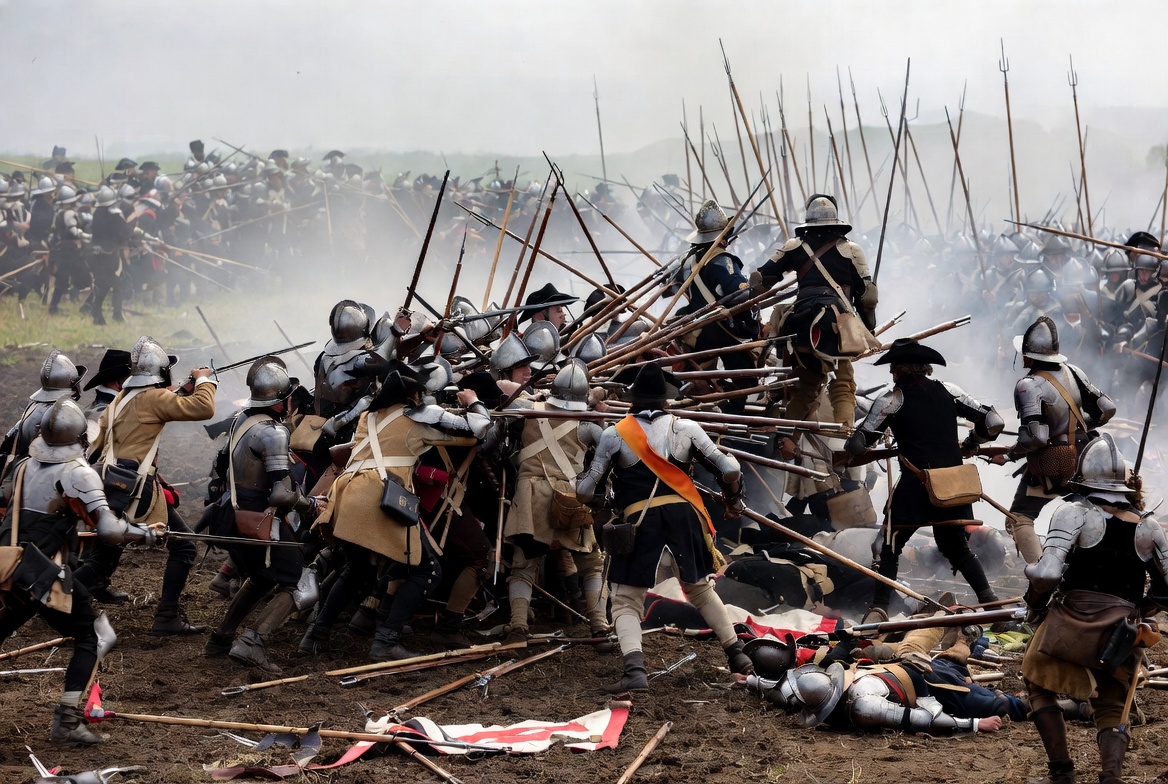 Dawn on June 14 broke foggy. The Royalists, numbering perhaps 7,400–8,000 (about 4,100 horse, 3,300 foot), positioned on a ridge near East Farndon and Little Oxendon, backs to the wind, overlooking Broad Moor. Their left wing under Sir Marmaduke Langdale, right under Prince Rupert, center infantry commanded by Lord Astley. Charles himself was present, a symbol but not a battlefield tactician. The Parliamentarians, around 13,500–14,000 strong (6,000 horse, 7,000 foot, dragoons, guns), under Fairfax, drew up on the opposite slope near Naseby village, with a windmill as a handy landmark. Cromwell commanded the right wing of horse, Henry Ireton the left, Skippon the foot.
As the fog lifted, the armies sighted each other. Artillery exchanged a few desultory shots—ineffective due to range and terrain—but commanders knew daylight was precious. Around 10 a.m., the charges began. Prince Rupert's right wing thundered forward against Ireton's left. Rupert, ever the aggressive cavalier, smashed through after fierce fighting; Ireton was wounded and briefly captured but escaped. Rupert's horsemen pursued too far, chasing toward the Parliamentarian baggage train near Naseby, where they were repelled by determined guards. This pursuit took them out of the main fight at a critical moment—a classic error of over-extension.
On the other flank, Cromwell's right wing engaged Langdale's Royalist horse. The ground was uneven—furze bushes, ditches, rabbit holes—disrupting formations. But Cromwell's troopers, drilled in disciplined charges (advance at trot, fire pistols, close with swords, rally quickly), held and counter-charged effectively. Langdale's men were pushed back. Meanwhile, in the center, the infantry clash was brutal. Skippon's Parliamentarian foot advanced steadily under fire, absorbing volleys from Royalist musketeers and pikemen. Skippon himself was shot through the side but refused to leave the field, embodying stoic leadership.
The turning point came as Cromwell, seeing his wing victorious, wheeled reserves to hit the exposed Royalist center and left from the flank. Fairfax, in the thick of it (he famously had his helmet knocked off and fought incognito at one point), coordinated the push. Royalist infantry, already pressured frontally, crumbled under the flank attack. Panic spread. Thousands surrendered; others fled. Rupert returned too late to salvage the day. Charles, watching from the rear, was urged to charge personally with his lifeguard but was restrained. The king escaped with some horse, but his army was destroyed: roughly 1,000 Royalists killed or wounded, 4,500–5,000 captured, all infantry lost, plus guns, baggage, and crucially, the king's private correspondence in his coach—which Parliament later published as *The King's Cabinet Opened*, exposing his duplicitous negotiations and eroding support.
Parliamentarian losses were lighter: around 400 killed/wounded. The New Model Army had proven its worth. Naseby didn't end the war immediately—skirmishes and sieges continued—but it broke the Royalist field army's back. Charles's hopes of victory faded; he would be defeated, tried, and executed in 1649, paving the way for the Commonwealth and eventual constitutional monarchy. The battle highlighted innovations: professional soldiery over feudal levies, merit over aristocracy, ideological commitment (many Parliamentarians saw it as a godly cause), and flexible tactics blending cavalry shock with disciplined fire and maneuver.
Dawn on June 14 broke foggy. The Royalists, numbering perhaps 7,400–8,000 (about 4,100 horse, 3,300 foot), positioned on a ridge near East Farndon and Little Oxendon, backs to the wind, overlooking Broad Moor. Their left wing under Sir Marmaduke Langdale, right under Prince Rupert, center infantry commanded by Lord Astley. Charles himself was present, a symbol but not a battlefield tactician. The Parliamentarians, around 13,500–14,000 strong (6,000 horse, 7,000 foot, dragoons, guns), under Fairfax, drew up on the opposite slope near Naseby village, with a windmill as a handy landmark. Cromwell commanded the right wing of horse, Henry Ireton the left, Skippon the foot.
As the fog lifted, the armies sighted each other. Artillery exchanged a few desultory shots—ineffective due to range and terrain—but commanders knew daylight was precious. Around 10 a.m., the charges began. Prince Rupert's right wing thundered forward against Ireton's left. Rupert, ever the aggressive cavalier, smashed through after fierce fighting; Ireton was wounded and briefly captured but escaped. Rupert's horsemen pursued too far, chasing toward the Parliamentarian baggage train near Naseby, where they were repelled by determined guards. This pursuit took them out of the main fight at a critical moment—a classic error of over-extension.
On the other flank, Cromwell's right wing engaged Langdale's Royalist horse. The ground was uneven—furze bushes, ditches, rabbit holes—disrupting formations. But Cromwell's troopers, drilled in disciplined charges (advance at trot, fire pistols, close with swords, rally quickly), held and counter-charged effectively. Langdale's men were pushed back. Meanwhile, in the center, the infantry clash was brutal. Skippon's Parliamentarian foot advanced steadily under fire, absorbing volleys from Royalist musketeers and pikemen. Skippon himself was shot through the side but refused to leave the field, embodying stoic leadership.
The turning point came as Cromwell, seeing his wing victorious, wheeled reserves to hit the exposed Royalist center and left from the flank. Fairfax, in the thick of it (he famously had his helmet knocked off and fought incognito at one point), coordinated the push. Royalist infantry, already pressured frontally, crumbled under the flank attack. Panic spread. Thousands surrendered; others fled. Rupert returned too late to salvage the day. Charles, watching from the rear, was urged to charge personally with his lifeguard but was restrained. The king escaped with some horse, but his army was destroyed: roughly 1,000 Royalists killed or wounded, 4,500–5,000 captured, all infantry lost, plus guns, baggage, and crucially, the king's private correspondence in his coach—which Parliament later published as *The King's Cabinet Opened*, exposing his duplicitous negotiations and eroding support.
Parliamentarian losses were lighter: around 400 killed/wounded. The New Model Army had proven its worth. Naseby didn't end the war immediately—skirmishes and sieges continued—but it broke the Royalist field army's back. Charles's hopes of victory faded; he would be defeated, tried, and executed in 1649, paving the way for the Commonwealth and eventual constitutional monarchy. The battle highlighted innovations: professional soldiery over feudal levies, merit over aristocracy, ideological commitment (many Parliamentarians saw it as a godly cause), and flexible tactics blending cavalry shock with disciplined fire and maneuver.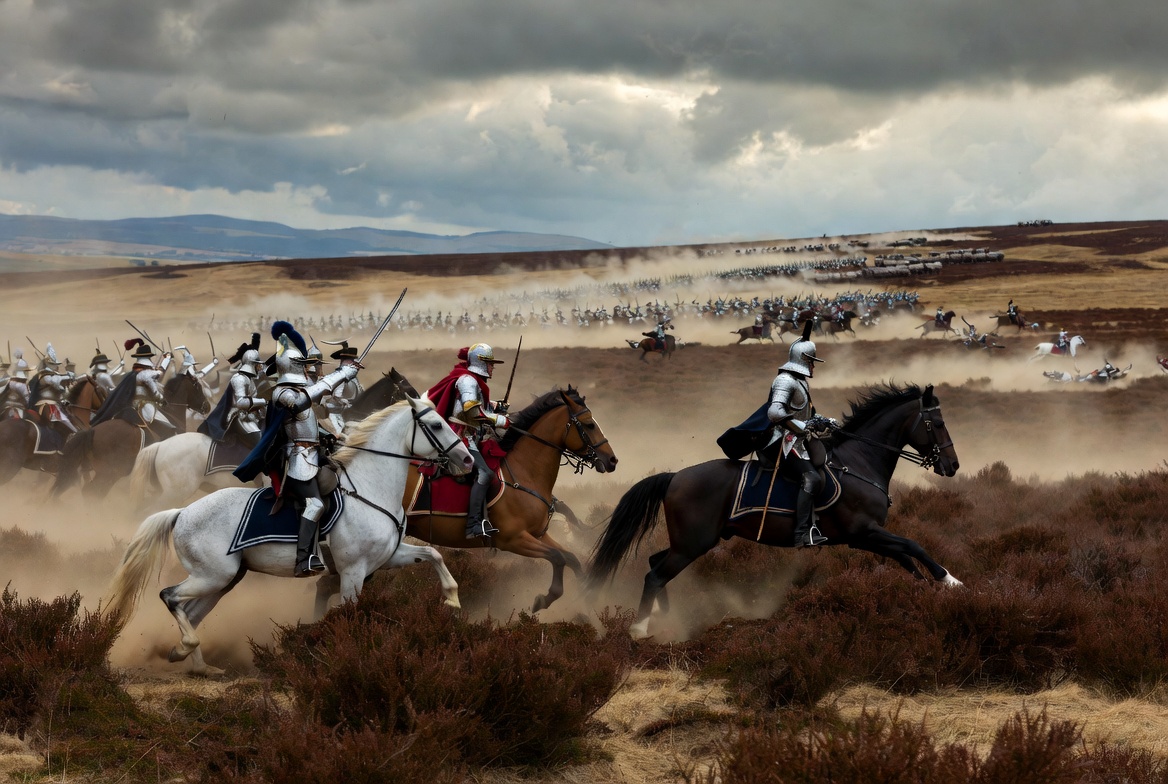 Historians like Joshua Sprigge (Fairfax's chaplain) and Sir Edward Walker (on the Royalist side) left vivid accounts. Primary sources—letters from Fairfax, Cromwell, and battlefield maps—paint a picture of chaos tempered by command. The terrain favored the Parliamentarians' patient positioning; Royalist impulsiveness (Rupert's charge) and divided counsel cost them dearly. It was, as one contemporary put it, a day where "God our Strength" triumphed over "Queen Mary."
### Lessons from the Smoke: Why a 381-Year-Old Battlefield Matters in 2026
Ninety percent of this story is the unvarnished history—fog, blood, powder smoke, desperate rallies, and the grinding reality of pike-and-shot warfare. The remaining ten percent? Applying its hard-won truths to your individual life in a way that's not recycled self-help platitudes. No vision boards, no "manifest your destiny," no generic hustle culture. Naseby offers a battle-tested framework for personal victory: **Forge a "New Model You" through adaptive discipline, decisive flanking maneuvers on your weaknesses, and relentless pursuit without overextension.**
Here is a detailed, quick, unique plan—**The Naseby Protocol**—crafted specifically against the grain of online advice. It treats your life like a contested field: identify ridges (strengths), moors (opportunities), fog (uncertainty), and enemy formations (bad habits, distractions, self-doubt). Execute in short, intense campaigns rather than endless grinding.
- **Assemble Your New Model Force (Week 1 Prep – Merit Over Birthright):** Stop relying on "who you know" or past privilege. Audit your skills, habits, and resources like Fairfax reorganized Parliament's army. List 5 core "regiments": physical (daily movement), mental (focused learning), financial (debt/asset tracking), relational (genuine connections), and creative/output (your main work). Promote based on results, not comfort. Unique twist: Assign "Self-Denying Ordinance"—temporarily resign one comfort crutch (e.g., doomscrolling, procrastination excuses) for 30 days to let disciplined alternatives rise. Track in a simple ledger: what advanced the line today?
- **Scout the Terrain and Choose Ground (Daily Recon – Avoid Naseby Fog):** Royalists blundered into battle on suboptimal terms. Each morning, spend 10 minutes mapping your day's "Broad Moor": What are the high ridges (high-leverage tasks)? Where are the hedges/ditches (obstacles like meetings, fatigue)? Use the fog to your advantage—limit inputs (news, notifications) to create clarity. Specific action: Pick one "wind advantage" (e.g., tackle hardest task when energy peaks). Funny motivational note: Like the rabbit warrens tripping horses, your "bunny holes" (tiny distractions) will unhorse you—fill them proactively with prepped routines, not reactive fixes.
Historians like Joshua Sprigge (Fairfax's chaplain) and Sir Edward Walker (on the Royalist side) left vivid accounts. Primary sources—letters from Fairfax, Cromwell, and battlefield maps—paint a picture of chaos tempered by command. The terrain favored the Parliamentarians' patient positioning; Royalist impulsiveness (Rupert's charge) and divided counsel cost them dearly. It was, as one contemporary put it, a day where "God our Strength" triumphed over "Queen Mary."
### Lessons from the Smoke: Why a 381-Year-Old Battlefield Matters in 2026
Ninety percent of this story is the unvarnished history—fog, blood, powder smoke, desperate rallies, and the grinding reality of pike-and-shot warfare. The remaining ten percent? Applying its hard-won truths to your individual life in a way that's not recycled self-help platitudes. No vision boards, no "manifest your destiny," no generic hustle culture. Naseby offers a battle-tested framework for personal victory: **Forge a "New Model You" through adaptive discipline, decisive flanking maneuvers on your weaknesses, and relentless pursuit without overextension.**
Here is a detailed, quick, unique plan—**The Naseby Protocol**—crafted specifically against the grain of online advice. It treats your life like a contested field: identify ridges (strengths), moors (opportunities), fog (uncertainty), and enemy formations (bad habits, distractions, self-doubt). Execute in short, intense campaigns rather than endless grinding.
- **Assemble Your New Model Force (Week 1 Prep – Merit Over Birthright):** Stop relying on "who you know" or past privilege. Audit your skills, habits, and resources like Fairfax reorganized Parliament's army. List 5 core "regiments": physical (daily movement), mental (focused learning), financial (debt/asset tracking), relational (genuine connections), and creative/output (your main work). Promote based on results, not comfort. Unique twist: Assign "Self-Denying Ordinance"—temporarily resign one comfort crutch (e.g., doomscrolling, procrastination excuses) for 30 days to let disciplined alternatives rise. Track in a simple ledger: what advanced the line today?
- **Scout the Terrain and Choose Ground (Daily Recon – Avoid Naseby Fog):** Royalists blundered into battle on suboptimal terms. Each morning, spend 10 minutes mapping your day's "Broad Moor": What are the high ridges (high-leverage tasks)? Where are the hedges/ditches (obstacles like meetings, fatigue)? Use the fog to your advantage—limit inputs (news, notifications) to create clarity. Specific action: Pick one "wind advantage" (e.g., tackle hardest task when energy peaks). Funny motivational note: Like the rabbit warrens tripping horses, your "bunny holes" (tiny distractions) will unhorse you—fill them proactively with prepped routines, not reactive fixes.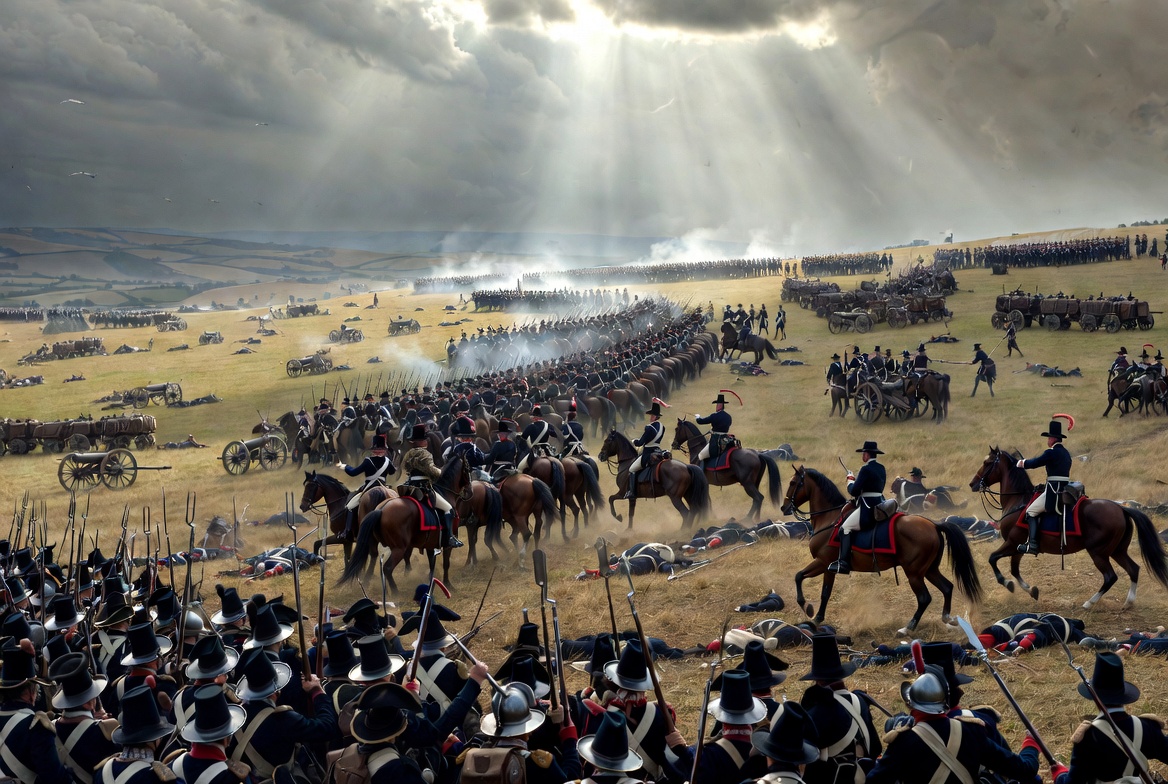 - **Charge with Discipline, Not Reckless Pursuit (Execution Phase – Cromwell's Wing):** Launch coordinated attacks. Break your main goal into infantry (steady grind) and cavalry (bold strikes). When momentum builds on one front (e.g., fitness streak), don't chase irrelevant shiny objects like Rupert did—rally and flank the center (core weaknesses). Unique element: After a "charge" (completing a pomodoro or key deliverable), perform an immediate "rally drill"—5-minute review: What worked? What exposed a flank? No endless journaling; just tactical notes. This prevents over-pursuit burnout common in hustle advice.
- **Flank Your Personal Royalists (Mid-Campaign Adaptation – Cromwell's Masterstroke):** Your inner "Charles"—complacency, perfectionism, external validation—hides in the rear. When a weakness shows (missed deadline, emotional dip), don't frontal assault; flank it with prepared reserves (pre-committed accountability buddy, backup plan, or skill substitute). Example: If procrastination hits writing/creating, flank with a 2-minute "forlorn hope" starter task (dragoons screening the advance). Motivational spark: Naseby showed even wounded leaders (Skippon shot through the side) stayed in the fight—your setbacks are not retreats; they're wounds that test resolve. Laugh at the absurdity: Your "Prince Rupert" ego wants glory charges; tell it to fetch the baggage instead.
- **Secure the Baggage and Publish Victories (Consolidation – King's Cabinet Opened):** Capture resources (knowledge, wins, networks) from battles. After major pushes, inventory spoils: What skills/principles gained? Share selectively (not performative social media) to build alliances, like Parliament leveraging captured letters. Unique plan twist: Create a "Naseby Dispatch"—private monthly summary of terrain won, not for likes but for compounding momentum. This builds unshakeable evidence against self-doubt, unlike vague gratitude lists.
- **Charge with Discipline, Not Reckless Pursuit (Execution Phase – Cromwell's Wing):** Launch coordinated attacks. Break your main goal into infantry (steady grind) and cavalry (bold strikes). When momentum builds on one front (e.g., fitness streak), don't chase irrelevant shiny objects like Rupert did—rally and flank the center (core weaknesses). Unique element: After a "charge" (completing a pomodoro or key deliverable), perform an immediate "rally drill"—5-minute review: What worked? What exposed a flank? No endless journaling; just tactical notes. This prevents over-pursuit burnout common in hustle advice.
- **Flank Your Personal Royalists (Mid-Campaign Adaptation – Cromwell's Masterstroke):** Your inner "Charles"—complacency, perfectionism, external validation—hides in the rear. When a weakness shows (missed deadline, emotional dip), don't frontal assault; flank it with prepared reserves (pre-committed accountability buddy, backup plan, or skill substitute). Example: If procrastination hits writing/creating, flank with a 2-minute "forlorn hope" starter task (dragoons screening the advance). Motivational spark: Naseby showed even wounded leaders (Skippon shot through the side) stayed in the fight—your setbacks are not retreats; they're wounds that test resolve. Laugh at the absurdity: Your "Prince Rupert" ego wants glory charges; tell it to fetch the baggage instead.
- **Secure the Baggage and Publish Victories (Consolidation – King's Cabinet Opened):** Capture resources (knowledge, wins, networks) from battles. After major pushes, inventory spoils: What skills/principles gained? Share selectively (not performative social media) to build alliances, like Parliament leveraging captured letters. Unique plan twist: Create a "Naseby Dispatch"—private monthly summary of terrain won, not for likes but for compounding momentum. This builds unshakeable evidence against self-doubt, unlike vague gratitude lists.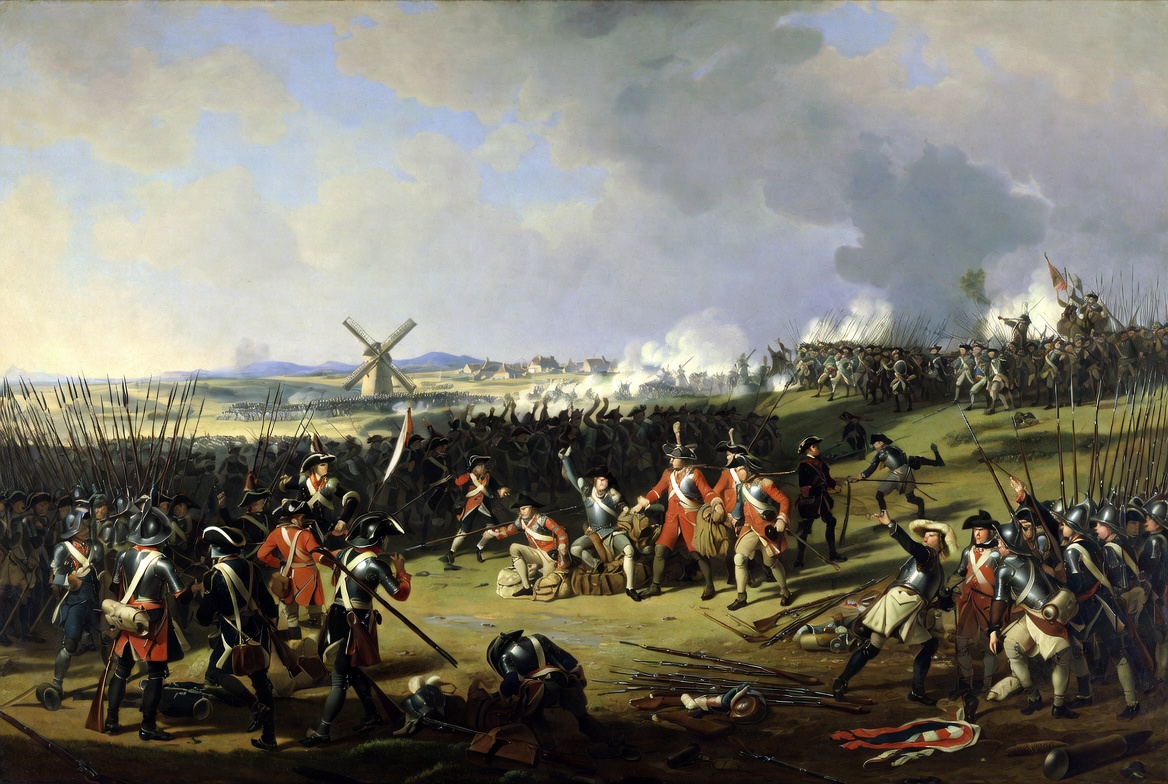 - **Pursue Without Exhaustion (Long War Strategy – Post-Naseby Reality):** The battle won the campaign phase, but wars endure. Rotate "wings" to avoid fatigue—alternate intense weeks with recovery maneuvers. Set "Leicester objectives" (tactical wins en route to Oxford-level transformation). Funny edge: Charles fled to fight another day but lost anyway; don't be the king clinging to lost causes (toxic habits, sunk-cost projects). Cut them ruthlessly after Naseby intel.
This protocol is battle-specific: short, decisive engagements leveraging your unique ground, not one-size-fits-all 5 a.m. clubs or endless affirmations. It demands courage like Fairfax's men—facing cannon fire without flinching—but rewards with irreversible momentum. The men at Naseby didn't have apps or gurus; they had powder, steel, and a cause. You have modern tools plus their lesson: Victory belongs to the adaptable, disciplined force that turns fog into clarity and pursuit into precision.
Apply it, and your personal "king's cabinet" of doubts opens to reveal a stronger realm. The fields of Naseby are quiet now, but their echo demands action. Charge forward—your June 14 awaits.
- **Pursue Without Exhaustion (Long War Strategy – Post-Naseby Reality):** The battle won the campaign phase, but wars endure. Rotate "wings" to avoid fatigue—alternate intense weeks with recovery maneuvers. Set "Leicester objectives" (tactical wins en route to Oxford-level transformation). Funny edge: Charles fled to fight another day but lost anyway; don't be the king clinging to lost causes (toxic habits, sunk-cost projects). Cut them ruthlessly after Naseby intel.
This protocol is battle-specific: short, decisive engagements leveraging your unique ground, not one-size-fits-all 5 a.m. clubs or endless affirmations. It demands courage like Fairfax's men—facing cannon fire without flinching—but rewards with irreversible momentum. The men at Naseby didn't have apps or gurus; they had powder, steel, and a cause. You have modern tools plus their lesson: Victory belongs to the adaptable, disciplined force that turns fog into clarity and pursuit into precision.
Apply it, and your personal "king's cabinet" of doubts opens to reveal a stronger realm. The fields of Naseby are quiet now, but their echo demands action. Charge forward—your June 14 awaits.