
In the scorching heat of early summer in ancient Judaea, on what corresponds to June 5 in our modern calendar, a pivotal moment unfolded that would reshape empires, religions, and the course of Western civilization. Roman forces under Titus Flavius Vespasianus, son of the newly proclaimed Emperor Vespasian, achieved a critical breach in the middle section of Jerusalem’s Second Wall during the Siege of Jerusalem in 70 CE. This was no ordinary skirmish in a distant land; it was the turning point in one of history’s most brutal and consequential sieges, marking the beginning of the end for the Second Temple, the Jewish revolt against Rome, and an entire way of life centered on sacrificial worship in the Holy City. This blog dives deep—overwhelmingly so—into the gritty, dramatic, and often horrifying details of that distant day and the campaign surrounding it, drawn from the eyewitness accounts of Flavius Josephus, Roman historians like Tacitus, and archaeological insights. We’ll explore the political intrigue, the military engineering marvels, the human cost, the factional betrayals inside the city, and the strategic brilliance (and brutality) that led to that fateful breach. Only toward the end will we pivot briefly to how the hard-won lessons of resilience, division’s folly, preparation’s power, and adaptive perseverance from this ancient catastrophe can fuel a profoundly unique, non-generic personal transformation plan today. Expect cinematic storytelling, tactical breakdowns, and motivational fire drawn straight from the dust and blood of history.### The Backdrop: A Powder Keg in Judaea To understand June 5, 70 AD, we must rewind. The First Jewish-Roman War (66–73 CE) erupted from deep-seated tensions. Rome had ruled Judaea since Pompey’s intervention in 63 BCE, but friction simmered between Jewish religious zeal, Hellenistic influences, and heavy Roman taxation and governance. Procurators like Pontius Pilate (earlier) and the notoriously corrupt Gessius Florus exacerbated matters. Florus’s seizure of temple funds in 66 CE sparked riots, massacres, and the cessation of daily sacrifices for the emperor—a direct challenge to Roman authority. Jewish insurgents seized the Antonia Fortress, burned archives of debts, and killed the Roman garrison. Cestius Gallus, legate of Syria, marched on Jerusalem with about 30,000 troops but suffered a humiliating defeat at the Battle of Beth Horon, losing nearly a legion. This victory emboldened the rebels, leading to a provisional Jewish government that appointed commanders, including Josephus himself in Galilee. Enter Vespasian. Appointed by Nero in 67 CE, he conducted a methodical reconquest of Galilee and Judea, subduing strongholds one by one. Key rebel leaders emerged: John of Gischala (a Galilean refugee who fled to Jerusalem), Simon bar Giora (a charismatic but ruthless commander from the south), and Eleazar ben Simon (a Zealot leader controlling temple elements). By 68–69 CE, Rome descended into the Year of the Four Emperors (Galba, Otho, Vitellius, Vespasian). Vespasian paused the Jerusalem campaign to secure the throne, leaving his son Titus in charge. Jerusalem itself became a nightmare of civil war. Refugees and pilgrims swelled the population to hundreds of thousands during Passover. Factions fought viciously: Zealots under Eleazar, moderates, Idumeans, and the rival bands of John and Simon. They burned massive grain stores in mutual sabotage, ensuring famine would grip the city during the siege. Josephus describes streets running with blood, families starving, and atrocities that made the Roman threat seem almost secondary. Omens abounded—a comet (likely Halley’s), a sword-shaped star, heavenly armies in the skies, a voice from the Temple declaring departure. Superstition and prophecy filled the air. ### Titus Arrives: The Roman War Machine In early 70 CE, Titus marched from Caesarea with a formidable force: four legions (V Macedonica, X Fretensis, XV Apollinaris, XII Fulminata), plus auxiliaries, Arab allies, and client king troops—totaling at least 48,000–60,000 soldiers, engineers, and support. Tiberius Julius Alexander, a Jewish apostate and skilled administrator, served as second-in-command. They camped strategically: legions on the west and north, X Fretensis on the Mount of Olives to the east. The siege began around April 14 (Passover), encircling the city to prevent escape or resupply. Jerusalem’s defenses were legendary: three concentric walls, the massive Temple complex (expanded by Herod into one of the ancient world’s wonders), the Antonia Fortress, and Herod’s Palace with its towering Phasael, Hippicus, and Mariamne towers. Natural ravines (Kidron and Hinnom Valleys) added protection. But internal division had already doomed it.
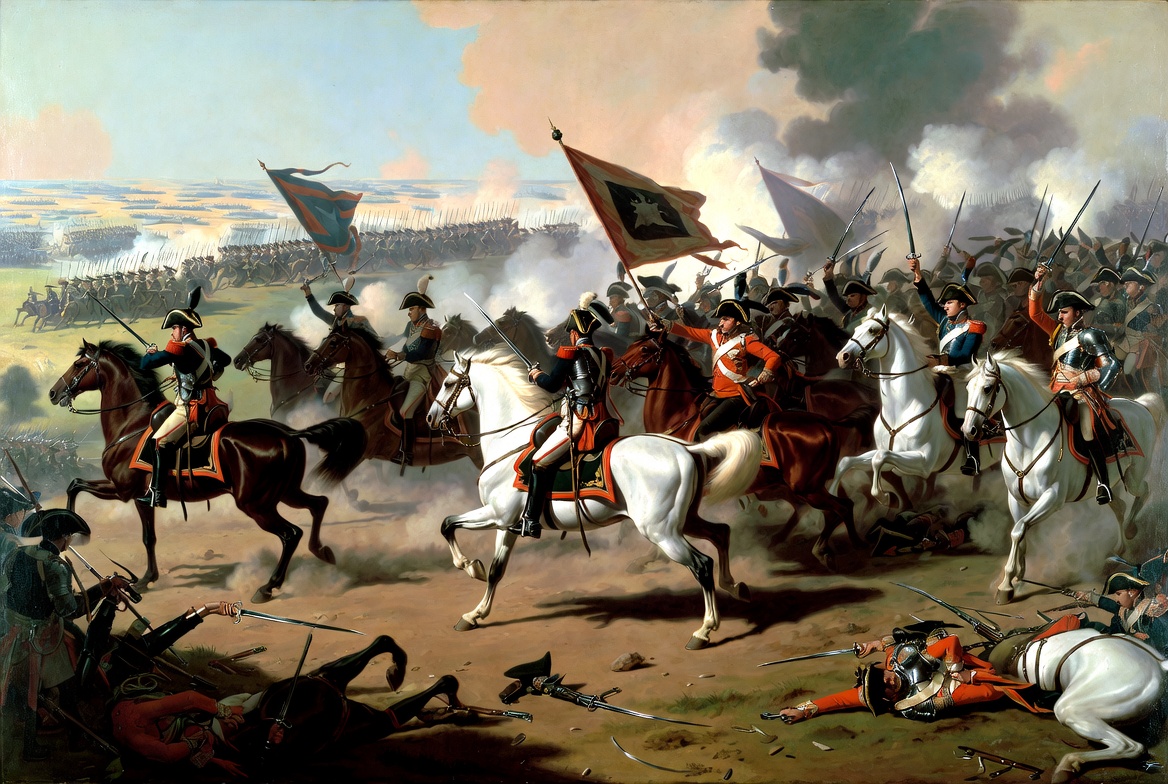
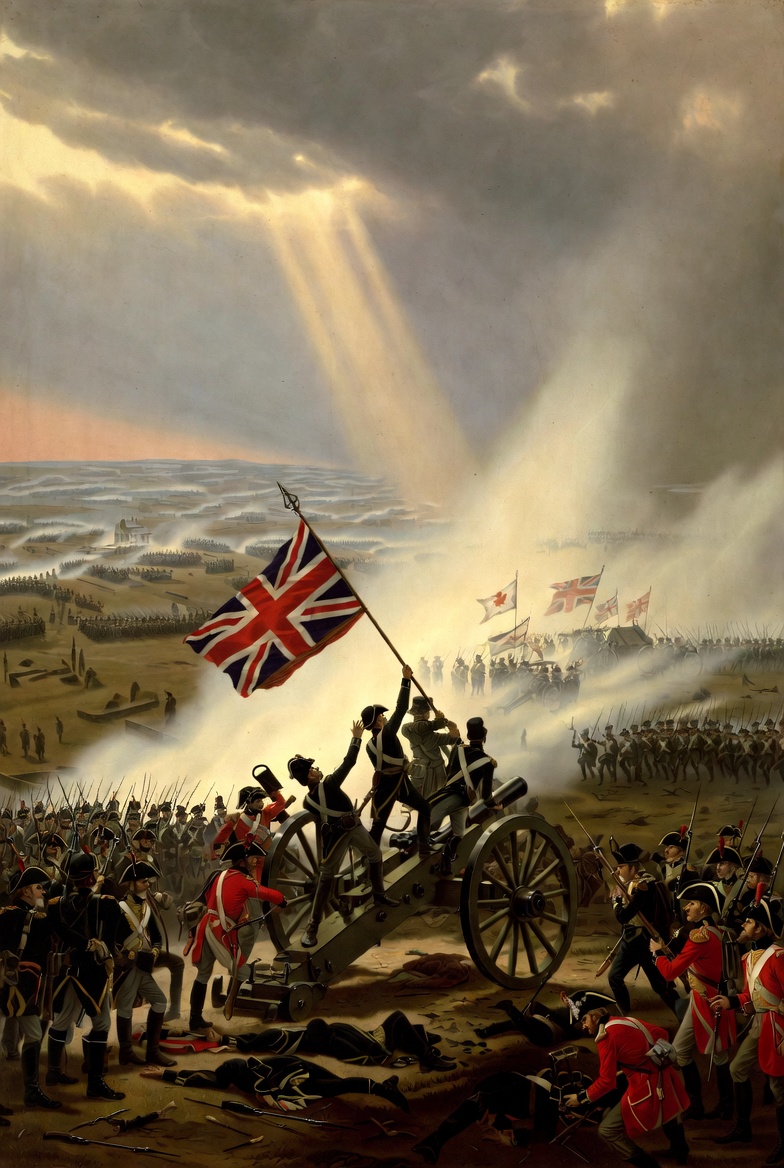
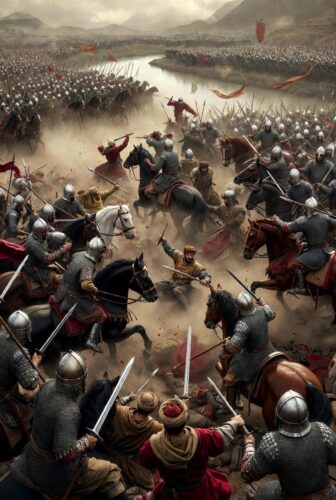
Titus offered peace terms multiple times, sending Josephus as a negotiator (who had defected after capture in Galilee and prophesied Vespasian’s rise). The rebels, fragmented yet defiant, rejected them, believing divine intervention or their zeal would prevail. ### The Assault on the Walls: Engineering Hell and Heroic (Futile) Defense Roman siegecraft was state-of-the-art. They built circumvallation walls to starve the city, constructed ramps, towers, and used battering rams, ballistae, and catapults (scorpiones and onagers hurling stones up to 100+ pounds). Defenders countered with sorties, fire arrows, and improvised tactics. The Third (outer) Wall, hastily completed by Agrippa I’s unfinished project, fell first after intense fighting. Romans targeted the northern suburbs. After 15 days of brutal assaults—Jews attempting to burn siege engines with firepots and sallying out—the battering ram breached it. Defenders retreated behind the Second Wall. Now, the critical phase leading to June 5. The Second Wall protected the northern commercial and residential districts (Bezetha area). It was formidable but vulnerable at certain points. Titus concentrated forces for a coordinated push. Within about five days of the Third Wall’s fall, Romans breached the middle section of the Second Wall. Legionaries poured through the narrow gap into the city’s twisting alleys and dense urban maze. Here, the defenders’ intimate knowledge of their terrain turned the breach into a deadly trap. Jewish fighters, familiar with every street, rooftop, and shortcut, ambushed the Romans from houses, using stones, arrows, and close-quarters combat. Chaos reigned; Romans, weighed down by armor in confined spaces, suffered heavy casualties. Titus had to withdraw temporarily to regroup. This setback was temporary. Four days later—aligning with the significance of June 5 in historical calendars—Titus returned with reinforced efforts. They widened the breach, committed more troops in disciplined formations, and systematically cleared sectors. The northern part of the city fell. Romans razed structures for siege platforms and psychological dominance, parading forces to demoralize the besieged. Famine worsened inside: Josephus recounts horrors like mothers eating their children (echoing biblical curses), bodies piling in streets, and desperate cannibalism. Defenders still fought ferociously, but momentum shifted irrevocably. ### Deeper into the Carnage: Tactics, Atrocities, and the Human Toll Roman legions operated with terrifying efficiency. Each had specialists: *fabri* (engineers) for ramps and towers up to 20 stories high, sappers undermining walls, and artillery crews. The *testudo* (tortoise) formation protected advances under missile fire. Yet Jewish resistance was legendary—using captured engines, nighttime raids, and religious fervor. Simon bar Giora’s men held the Upper City; John of Gischala the Temple area. Starvation was Rome’s silent ally. Grain prices skyrocketed; poor sold possessions for meager food. Josephus details families hiding morsels, robbers stripping the dying, and mass crucifixions outside the walls as terror tactics (Titus allegedly crucified 500+ daily at one point). Disease spread in the cramped, unburied conditions. Passover pilgrims trapped inside turned the holy festival into a nightmare. The breach on/around June 5 wasn’t the end but the psychological and tactical crack. It allowed Romans to control northern districts, build further ramps toward the Antonia and Temple, and tighten the noose. Subsequent fighting saw the Antonia captured, the Temple burned (debated if intentional or accidental amid chaos), and the Lower and Upper Cities falling by September 8. The Second Temple’s destruction on or near Tisha B’Av (August) was cataclysmic. Romans looted treasures, including the iconic menorah later paraded in Rome’s triumph.
Casualties were staggering: Josephus claims 1.1 million dead (likely exaggerated, but tens to hundreds of thousands), 97,000 enslaved. Jerusalem was systematically demolished, except for parts of the western wall and towers as monuments to Roman power. Legio X Fretensis garrisoned the ruins. ### Strategic Genius and Tragic Division Titus’s success stemmed from patience, superior logistics (supply lines from the coast), engineering superiority, and exploiting enemy disunity. Vespasian’s earlier campaign had isolated Jerusalem. Inside, the rebels’ infighting—burning food stores, assassinating rivals, purges—ensured their doom. United, they might have prolonged the siege or forced better terms. Instead, zealotry without coordination led to annihilation. Roman discipline contrasted sharply with factional chaos. Yet even Romans faced mutiny risks and brutal conditions. Titus himself showed calculated mercy at times (offering surrender) and ruthlessness when needed, cementing his path to emperorship. Archaeological echoes remain: the Western Wall (retaining wall of Temple Mount), destruction layers with arrowheads, charred beams, and the Arch of Titus in Rome depicting the menorah triumph. The event birthed *Judaea Capta* coins, symbolizing conquest. ### The Aftermath: Ripples Across History The fall ended Second Temple Judaism, shifting to Rabbinic traditions emphasizing study, prayer, and community—foundations of modern Judaism. It accelerated Christianity’s separation, as early followers saw it as fulfillment of prophecy. Rome celebrated with a grand triumph; Vespasian and Titus’s Colosseum was partly funded by Jewish spoils. Long-term, it fueled diaspora, messianic hopes, and later revolts like Bar Kokhba (132–136 CE), which ended with even harsher suppression. This wasn’t just military history; it was a clash of identities, faiths, and empires that redefined the Mediterranean world. ### Applying the Ancient Breach to Your Modern Life: A Unique “Wall-Breaker” Protocol While 90% of this account honors the raw historical truth, the enduring lesson from Titus’s calculated persistence amid chaos, the defenders’ fierce but fragmented resistance, and the catastrophic cost of internal division offers a blueprint far removed from cookie-cutter self-help. Forget vision boards or 5-minute habits. This is the **“Siege Resolve Protocol”**—a gritty, phased, adaptive campaign modeled on Roman engineering and Jewish tenacity, tailored for breaking personal “walls” (addictions, career stagnation, relational rifts, health crises) without the self-sabotage of factionalism. It’s unique because it treats your life like a besieged city: starve weaknesses, breach methodically, consolidate gains ruthlessly, and rebuild on stronger foundations. No fluff—only battle-tested structure.
- **Phase 1: Encircle and Starve the Enemy Within (Preparation, 2–4 Weeks)**: Like Titus’s circumvallation, identify *all* access points to your problem. Map every trigger, enabler, and internal faction (e.g., procrastination vs. perfectionism). Cut supplies—delete apps, avoid enablers, track every “sortie” of old habits in a brutal daily log. Use engineering: build literal barriers (environmental design like app blockers, accountability “legions” of trusted allies). Measure famine: quantify current “food stores” (resources, energy, time) and ration them strictly. Motivation spike: Recall how division doomed Jerusalem—unite your internal voices under one command (your reasoned self). - **Phase 2: The Initial Breach (Targeted Assault, Days of Peak Effort)**: Focus on the “middle wall”—the most accessible vulnerable point, not the strongest fortress. On your June 5 equivalent (pick a symbolic start date), launch a narrow, overwhelming push with Roman discipline: one 4-hour focused block daily using *testudo* protection (eliminate distractions). Expect counterattacks (old habits ambushing in alleys of doubt). Withdraw if needed, analyze failures like Titus, then widen: add allies or tools. Track metrics obsessively—Romans used intelligence; you use data. Funny twist: Celebrate small breaches with a “triumph parade” of your progress photos or logs, mocking the defeated “Zealots” of laziness. - **Phase 3: Consolidate and Raze Weak Structures (Sustainment, Ongoing)**: After breach, raze the old northern districts—eliminate remnants ruthlessly (habits, environments, mindsets). Rest and regroup like the legions (scheduled recovery days with high-protein “siege rations” and reflection). Build new ramps toward bigger goals (Temple-level transformations). Use psychological warfare on yourself: daily recitation of past victories or omens turned to purpose. Unique edge: Incorporate “faction audits”—weekly reviews to prevent internal civil war, ensuring all parts of you (mind, body, spirit) align under one general. - **Phase 4: Triumph and Rebuild (Legacy Building)**: Upon full capture, document spoils (lessons, skills gained) and parade them publicly if fitting (share wins strategically). Rebuild like post-siege shifts: pivot to Rabbinic-style sustainable practices—study, community, ritual without the old Temple. Long-term: Establish your own “Legio X” garrison—permanent systems (automation, mentors) to hold gains. Measure success not by destruction but by the enduring city you forge. This protocol stands apart because it embraces historical brutality as metaphor for necessary discomfort, demands phased engineering over inspiration porn, and turns division’s lesson into mandatory internal unity. Apply it to fitness (breach the “wall” of inertia with ramped training), business (starve distractions, assault markets), or personal growth (raze limiting beliefs). The defenders fought valiantly but lost to disunity; Titus won through relentless adaptation. Your life’s siege ends not in ruin but renaissance—when you breach your walls on your personal June 5 and refuse to let factions burn your stores. History doesn’t repeat, but its echoes motivate. On this anniversary of that ancient breach, charge your own walls. The Romans built an empire on such resolve; what will you build?
Share: