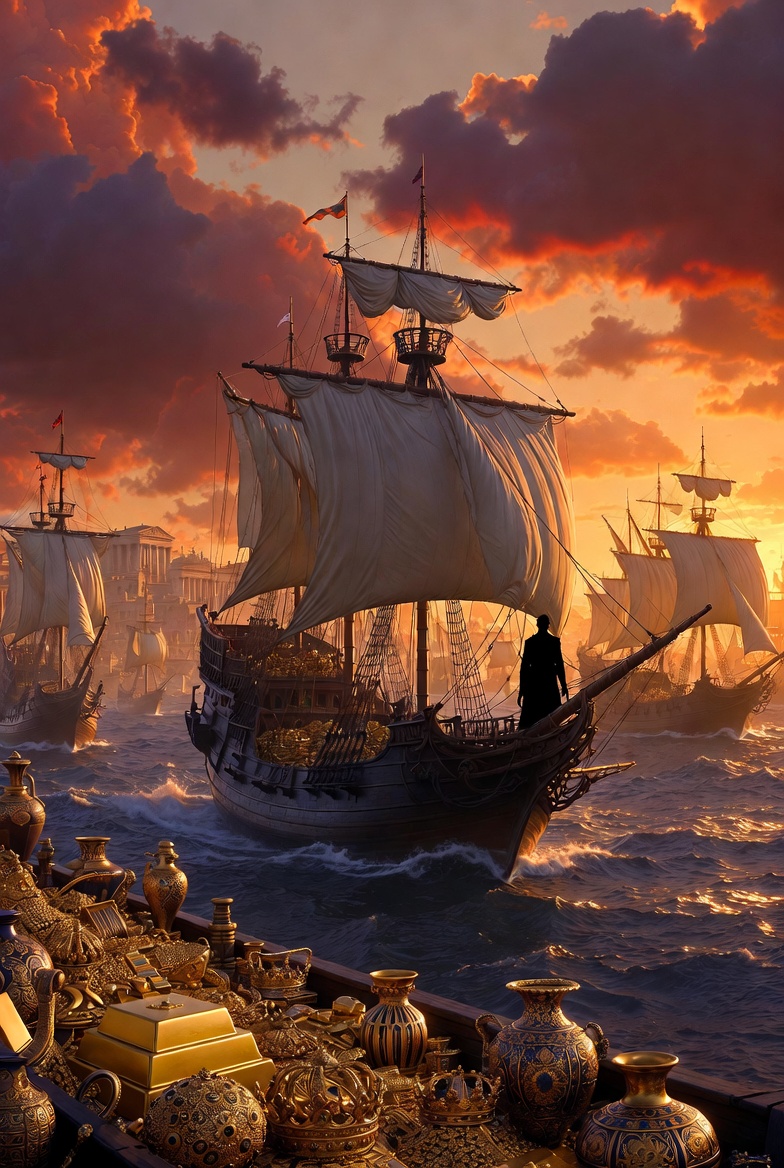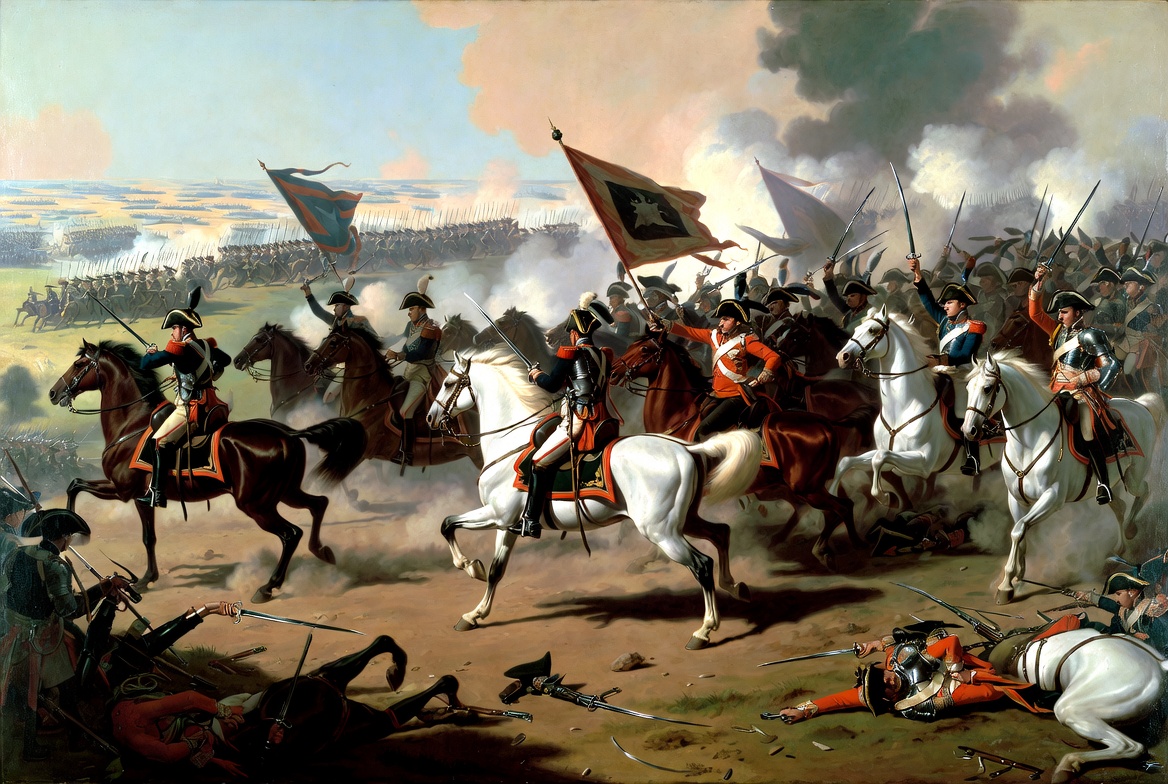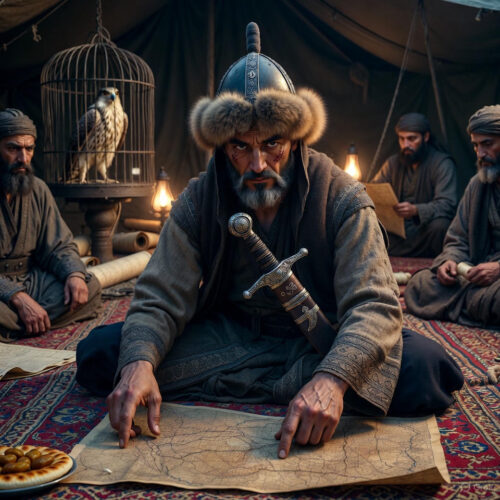

On June 3, 1098, after a grueling eight-month siege that tested the limits of human endurance, a ragtag army of Frankish knights, foot soldiers, pilgrims, and opportunists from across Western Europe finally breached the formidable walls of Antioch. What followed was not a clean victory parade but a chaotic, blood-soaked frenzy of betrayal, massacre, and improbable survival. This event, deep in the heart of the First Crusade, stands as one of the most dramatic turning points in medieval history—a story of ambition, starvation, divine fervor (real or manufactured), and raw cunning that reshaped the map of the Near East and echoed through centuries of conflict. Today, as we mark this anniversary in the 21st century, the lessons from Antioch aren't dusty relics for history buffs. They are blueprints for anyone facing their own "impregnable" challenges: a stagnant career, a toxic relationship, a creative block that feels like miles of stone walls, or personal demons fortified by years of bad habits. The Crusaders didn't win through brute force alone; they won through persistence, internal betrayal of the enemy, opportunistic alliances, and a refusal to quit when logic screamed retreat. In this lengthy exploration—packed with primary-source grit and contextual depth—we'll dive 90% into the raw historical tapestry before distilling the remaining motivational gold into a hyper-specific, anti-self-help plan that's refreshingly free of generic platitudes like "just believe in yourself." ### The Road to Antioch: Context of a Holy Gamble To understand June 3, 1098, we must rewind to 1095. Pope Urban II, at the Council of Clermont, unleashed a call to arms that electrified Christendom. "Deus vult!"—God wills it—became the rallying cry as tales of Seljuk Turkish atrocities against Christian pilgrims in the Holy Land spread like wildfire. The Seljuk Turks, recent converts to Islam who had seized much of Anatolia from the fading Byzantine Empire, controlled key routes and cities. Antioch, ancient and strategically vital on the Orontes River in what is now southern Turkey, was a prize: a massive, heavily fortified metropolis with walls stretching over 12 miles, 400 towers, and a formidable citadel perched on Mount Silpius. The Crusader army that set out wasn't a unified national force but a patchwork of feudal lords, their retainers, and hordes of common folk. Key players included: - **Bohemond of Taranto** (later Bohemond I of Antioch): A towering Norman adventurer, son of Robert Guiscard, known for his charisma, military cunning, and naked ambition. He saw the Crusade as a path to personal empire. - **Raymond IV of Toulouse**: The wealthiest and most pious (or at least publicly so) leader, aging but driven by genuine religious zeal. - **Godfrey of Bouillon**: Duke of Lower Lorraine, a model of chivalric virtue in many accounts, destined for Jerusalem. - **Adhemar of Le Puy**: The papal legate, providing spiritual authority. - Lesser lights like Tancred, Robert of Flanders, and Stephen of Blois rounded out the command. Estimates of the army's size vary wildly—perhaps 30,000 to 60,000 at the start, including non-combatants—but attrition from disease, desertion, and battle whittled it down relentlessly. After the stunning victory at Nicaea in 1097 and the brutal Battle of Dorylaeum, they marched across the arid plains of Anatolia, suffering horrific losses from thirst and hunger. By late October 1097, they reached Antioch.### The Long Siege: Starvation, Sorties, and Despair (October 1097 – May 1098) The siege began around October 21, 1097. The Crusaders, lacking a full naval blockade initially, could not completely encircle the city. Antioch's governor, Yaghi-Siyan (a Seljuk Turkish emir), commanded a garrison bolstered by local forces. The city's defenses were legendary: double walls in places, the Orontes River as a natural moat on one side, and mountains protecting the rear. Direct assault was suicidal. Life in the Crusader camp was hellish. Primary sources like the *Gesta Francorum* (an anonymous eyewitness account, likely by a follower of Bohemond) and Raymond of Aguilers' chronicle paint vivid pictures of suffering. Food ran out quickly. Soldiers ate horses, then roots, leaves, and worse—some accounts hint at cannibalism among the desperate poor. Disease ravaged the ranks. Rain turned the camp into a quagmire. Turkish defenders conducted frequent sorties, picking off foragers. Key incidents during the siege: - **December 1097 relief attempts**: A force under Duqaq of Damascus tried to relieve the city but was defeated by Bohemond and Robert of Flanders on December 31. The Crusaders celebrated, but supplies didn't improve. - **Internal fortifications**: The Crusaders built their own siege castles, like Malregard, to tighten the noose. Bohemond constructed a fort opposite the Bridge Gate. - **Foraging expeditions**: In early 1098, Bohemond and others raided deep into the countryside, sometimes winning, often losing men to ambushes. - **Desertions and diplomacy**: Stephen of Blois and others began to waver. Meanwhile, Bohemond secretly negotiated with Firuz (or Firouz), an Armenian Christian convert serving in Yaghi-Siyan's garrison who commanded a section of the walls (the Tower of the Two Sisters). Firuz had grievances—possibly personal or religious—and promised betrayal for reward and safety.
By spring 1098, the Crusaders were on the brink. A massive relief army under Kerbogha, atabeg of Mosul, was marching to crush them. Morale plummeted. Many saw the hand of God testing them, but pragmatists saw doom. ### The Night of Betrayal: June 2-3, 1098 The climax came through treachery. On the night of June 2, Bohemond's plan unfolded. Firuz signaled readiness. A small elite group of Crusaders, including Bohemond himself, scaled ladders or ropes into the Tower of the Two Sisters under cover of darkness. Firuz reportedly threw his own brother (or a relative) from the walls to prove loyalty or silence him. Once inside, they opened a postern gate. More Crusaders poured in. At dawn on June 3, the main army rushed the Bridge Gate and other entrances. Chaos erupted. Yaghi-Siyan, seized by panic, fled with a small bodyguard but was captured and killed by local Armenians or Syrians outside the city—his head paraded triumphantly. The fighting was savage. The *Gesta Francorum* describes streets running with blood: "All the squares of the city were already everywhere full of the corpses of the dead, so that no one could endure it there for the excessive stench. No one could go along a street of the city except over the bodies of the dead." Muslims, local Christians (sometimes indistinguishable in the frenzy), and anyone in the way fell victim to the rampage. The poorer Crusaders, long starved, looted wildly. The citadel held out under Yaghi-Siyan's son, but the city proper was theirs. This wasn't noble warfare; it was medieval total war—driven by religious zeal, revenge for months of suffering, and the brutal norms of the era. Estimates suggest thousands died in the initial sack.
### Immediate Aftermath: From Triumph to Near-Disaster The joy was short-lived. Kerbogha's enormous army arrived days later (around June 7-8), besieging the now-Crusader-held Antioch. The roles reversed: the victors were trapped inside, starving again, low on morale. Desertions multiplied. Stephen of Blois fled and exaggerated the doom to Emperor Alexios I in Constantinople, leading the Byzantines to turn back. Then came the miracle (or pious fraud): Peter Bartholomew, a lowly Provençal, claimed visions of the Holy Lance—the spear that pierced Christ's side—buried in the Church of St. Peter. After rigorous digging on June 14, it was "found." Skeptics abounded (including some clergy), but the discovery electrified the army. Bohemond and others used it masterfully for propaganda. On June 28, 1098, the Crusaders sortied out in a desperate battle. Against all odds, they routed Kerbogha's larger, fractious force. Antioch was secured. Bohemond claimed it as his principality, reneging on oaths to return conquests to Byzantium. The Principality of Antioch became a key Crusader state, lasting until 1268. ### Broader Historical Significance The capture of Antioch was pivotal. It prevented the Crusade from collapsing, secured a supply base and foothold in Syria, boosted recruitment back home, and demonstrated that determination plus opportunism could overcome superior fortifications and numbers. It fueled legends of divine favor that propelled the eventual fall of Jerusalem in 1099. Culturally, it intertwined Western Europe more deeply with the East, for better (trade, knowledge) and worse (centuries of conflict). Historians debate its legacy: heroic faith to some, colonial aggression to others. Primary sources like Fulcher of Chartres, Albert of Aachen, and the aforementioned *Gesta* and Raymond of Aguilers offer conflicting but vivid windows into the medieval mind—pious, greedy, terrified, exultant. The event highlights themes of leadership (Bohemond's pragmatism vs. Raymond's piety), the power of narrative (the Lance), the brutality of pre-modern warfare, and how betrayal from within topples even the mightiest strongholds. Distant history? Yes. But its echoes in strategy, psychology, and resilience are timeless. **Deeper into the Primary Sources: Voices from the Mud and Blood** The *Gesta Francorum et aliorum Hierosolimitanorum* is our closest thing to a grunt's-eye view. Its anonymous author captures the exhaustion: "We suffered greatly from hunger... some even ate the flesh of horses." Raymond of Aguilers, chaplain to the Count of Toulouse, emphasizes the spiritual: fasting, prayers, processions around the walls like Joshua at Jericho. He describes the Lance discovery with fervor, countering skeptics. Other letters from participants to the West begged for reinforcements and exaggerated victories to maintain support. Tactics evolved during the siege. The Crusaders learned Levantine warfare—using mounted archers, building counter-forts, and leveraging local Christian discontent with Turkish rule. Firuz's betrayal wasn't unique; ethnic and religious tensions in Antioch (Armenians, Greeks, Syrians vs. Turks) created fissures the Franks exploited masterfully.
Economically, the Crusade was funded by selling lands, church tithes, and sheer plunder. Knights mortgaged estates; peasants sought adventure or salvation. The siege strained this fragile economy to breaking, forcing foraging raids that doubled as reconnaissance. Comparisons: Unlike the shorter, more successful siege of Nicaea (aided by Byzantines), Antioch exposed the limits of feudal armies far from home. It foreshadowed the logistical nightmares of later Crusades. Long-term: Antioch became a Norman outpost in the East, blending Latin, Greek, and Eastern elements. Its fall in 1268 to the Mamluks marked another chapter. The event entered European folklore, inspiring songs, art, and later justifications for holy war. **Additional Layers: Daily Existence, Women in the Camp, Logistics Nightmares, and the Human Cost** Women accompanied the army—wives, washerwomen, prostitutes, pilgrims. They shared the horrors: childbirth in tents, nursing the wounded, scavenging. Chroniclers mention them less, but their presence added to the human tapestry. Disease like dysentery and typhus killed more than swords. Supply lines from ports like St. Symeon were vital but vulnerable. The psychological toll: From euphoria at Nicaea to despair at Antioch to renewed zeal post-Lance. This emotional rollercoaster forged a hardened core that took Jerusalem. The story spans pages upon pages in medieval annals, influencing everything from Renaissance views of chivalry to modern Middle East geopolitics. Antioch's walls, partially surviving today, stand as mute witnesses. ### Applying Antioch's Fire to Your Life: A Unique, No-BS Plan Only after immersing in that raw medieval crucible do we extract actionable wisdom. Forget vision boards or 5-minute morning routines. This is "Antioch Siege Protocol"—a gritty, multi-month campaign plan tailored for conquering your personal "impregnable city." It's designed to be anti-fragile, leveraging betrayal (of your own excuses), starvation (of distractions), and opportunistic alliances in ways generic self-help avoids.
**Specific Bullet-Point Benefits for Your Individual Life:** - **Embrace the Long Siege Mindset**: Just as the Crusaders endured months of misery before breakthrough, commit to 6-12 months minimum on your big goal (e.g., launching a business, mastering a skill, rebuilding health). Benefit: Builds unbreakable resilience. Most quit at month 3; you outlast them by treating discomfort as the forge. - **Cultivate Your Inner Bohemond**: Identify and negotiate with "Firuz" figures—disgruntled insiders or overlooked contacts who can open gates. In career terms: Network with overlooked mid-level managers or use anonymous tips on forums. Benefit: Accelerates entry without frontal assaults that drain you. - **Weaponize Narrative (Your Holy Lance)**: Create a personal "discovery" story or symbol that reignites motivation during lows. Not woo-woo—document small wins publicly or privately as proof of momentum. Benefit: Psychological edge when Kerbogha (doubt, setbacks) arrives. - **Purge the Camp**: Ruthlessly eliminate internal traitors (bad habits, toxic people) like the Crusaders massacred threats inside the walls. Benefit: Cleaner "city" means sustainable control. - **Sortie for Resources**: Regularly raid beyond your comfort zone for new inputs (books, mentors, experiments) instead of passive waiting. Benefit: Prevents starvation of ideas/energy. - **Claim Your Principality**: After breakthrough, secure it like Bohemond—don't hand it back to old overlords (societal expectations). Benefit: Own your wins fully. - **Prepare for the Counter-Siege**: Victory invites new attacks. Have contingency alliances and morale boosters ready. Benefit: Turns temporary success into lasting rule. **Detailed, Quick-Start, Unique 30-Day Launch Plan (Then Scale to Full Campaign)** This isn't a checklist; it's a phased military op. Track in a private "Gesta" journal with dated entries mimicking medieval chroniclers—raw, honest, bloody.
-
**Days 1-3: Recon and Encirclement**
Map your "Antioch"—define the walls (specific obstacles: e.g., "procrastination on X project," "financial shortfall of Y"). List defenders (excuses, fears). Scout weak towers: Identify 1-2 "Firuz" allies (people who owe you or share grievances). Action: Write a brutal 5-page assessment. No positivity required—channel the starving chroniclers.
-
**Days 4-10: Build Counter-Forts and Starve Distractions**
Construct personal "Malregard" forts: Block apps, set non-negotiable schedules (e.g., 4 hours deep work daily at dawn, mirroring siege watches). Starve non-essentials: Delete social media apps, limit news to 15 min/day. Raid once: Cold-email or call one high-value contact. Log suffering and small victories daily.
-
**Days 11-20: The Secret Negotiation**
Execute your betrayal op: Offer value to your "Firuz" (help them first). Test one small breach—prototype a product, have one hard conversation, run one experiment. If it fails, analyze like a failed sortie, not personal defeat. Introduce a "Lance ritual": Weekly review of tangible progress artifacts (screenshots, notes) to spark belief.
-
**Days 21-30: Dawn Assault and Sack**
   Full push: Dedicate 3 full days to overwhelming one major wall (e.g., finish a prototype or pitch). Celebrate the breach brutally—reward with something meaningful, then immediately fortify gains. Assess the "city": What’s controlled? Purge looters (distractions that sneak in post-win).


**Post-30 Scaling to Full Siege (Months 2+)**: Rotate leaders (alternate focus areas weekly like rotating Crusader commands). Every 60 days, simulate a "Kerbogha" drill—worst-case scenario planning. Seek "Byzantine" external support only if it serves your principality. Measure success not by comfort but by territory gained: quantifiable metrics (revenue, skills demonstrated, relationships secured).


This plan stands apart because it glorifies the grind, the dark pragmatism, and the messy humanity of Antioch rather than promising effortless manifestation. It treats your life as a campaign in hostile territory—funny in its medieval absurdity (picture yourself journaling like a lice-ridden knight), educational in historical parallels, motivational because real people did the impossible under worse conditions.


The fall of Antioch on that June dawn reminds us: Walls fall to those who persist, scheme, and seize the night. Your personal Antioch awaits. Deus vult... or at least, *you* will it. Now go scale the tower.
Share: