
Picture this: It’s March 16, 597 BC. The ancient walls of Jerusalem, once the pride of King Solomon’s gleaming Temple, tremble under the iron grip of the world’s most unstoppable empire. Babylonian siege engines have pounded the city for months. Inside, panic reigns among the royal court, the priests, the nobles, and the skilled artisans who keep Judah running. Outside, the army of Nebuchadnezzar II—fresh from crushing Egypt and the last Assyrian remnants—demands surrender. A young king named Jehoiachin (sometimes called Jeconiah), barely eighteen or maybe even eight depending on which ancient scribe you believe, steps forward with his mother, his officials, and his entire elite entourage. No heroic last stand. No dramatic battle on the ramparts. Just a calculated handover. By sunset, thousands are marching east in chains toward Babylon, carrying nothing but their skills, their memories, and a stubborn faith that refuses to die.This wasn’t just another conquest in the endless parade of ancient empires. This single day—precisely dated in the Babylonian Chronicles to the second day of the month of Adar—kicked off the Babylonian Exile, the first great forced deportation that scattered the people of Judah across the fertile plains of Mesopotamia. It wasn’t the total destruction that would come eleven years later in 586 BC when the Temple itself burned to ash. This was the opening act: the elite brain-drain, the skilled-labor heist, the moment a proud little kingdom lost its best and brightest to a glittering superpower. And yet, from that deportation emerged something extraordinary—a portable, resilient version of Jewish identity that survived empires, persecutions, and millennia. The exiles didn’t vanish into Babylonian melting pots. They planted gardens, built communities, argued with prophets, and eventually rewrote their own story so powerfully that modern Judaism, the Torah as we know it, and even the very idea of surviving through diaspora all trace their roots right back to this March 16 pivot. Nebuchadnezzar II wasn’t some cartoon villain twirling a mustache. He was the rock-star builder-king of the Neo-Babylonian Empire, son of the general who had toppled Assyria. Born into a world still smelling of Assyrian smoke, he took the throne in 605 BC after smashing the Egyptian and remnant Assyrian forces at the Battle of Carchemish. That victory made him master of the Levant overnight. Cities from Syria to the Egyptian border started sending tribute like clockwork. But tribute is never enough for an ambitious ruler. When his 601 BC campaign against Egypt sputtered into a bloody stalemate—his army limping home with heavy casualties—vassal kings smelled weakness. One of them was Jehoiakim of Judah, who had been paying up like a good little client state since 605. Suddenly Jehoiakim stopped the shipments, cozied up to Egypt, and figured he could play the superpowers against each other. Bad move. Prophets like Jeremiah had been screaming for years: “Don’t trust Egypt! Don’t rebel! This Babylonian guy means business!” But kings rarely listen to guys who wear sackcloth and eat scrolls. By late 598 BC, Nebuchadnezzar had had enough. He marched west again, this time with a vengeance. The Babylonian Chronicles—those dry but priceless cuneiform tablets dug up in the 19th century—record the campaign in clinical detail. In the month of Kislev (November/December), the army entered the land of Hatti (the old name for Syria-Palestine). They swept through the countryside, punishing smaller towns first, then settled in for the siege of Jerusalem itself. Winter in the Judean hills is no joke—cold rains, muddy roads, dwindling food stores inside the city. Jehoiakim died during the chaos—some sources say killed by his own people, others that he simply succumbed to the stress. His son Jehoiachin inherited a throne that was already collapsing. Three months later, on March 16, the city gates opened. Nebuchadnezzar marched in, seized the young king, his mother, his generals, his court officials, and every craftsman, smith, and artisan who could make weapons or luxury goods. The Temple treasures—gold vessels, sacred implements that had survived centuries—were carted off as spoils. The Babylonian Chronicle puts it plainly: “He conquered the city of Judah. He appointed a king of his own choice and took heavy tribute.”
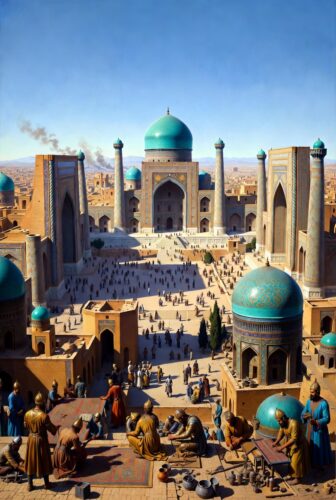
Estimates of the deported vary because ancient numbers are always slippery, but the Bible and archaeology line up on the scale. Second Kings says about 10,000 people—royals, officials, warriors, and “all the craftsmen and the smiths.” Jeremiah 52 gives a more precise 3,023 for one wave, but that probably counts only adult males. Add families and you’re looking at 15,000 to 30,000 souls yanked from their homeland. These weren’t random peasants. These were Judah’s brain trust: carpenters who could build siege engines (ironically now working for the enemy), metalworkers who knew secret smelting techniques, scribes who kept the royal records, priests who knew the Temple rituals inside out. Nebuchadnezzar wasn’t stupid. He stripped Judah of its ability to rebel again while supercharging his own empire with imported talent. Classic conqueror math. The long march east must have been brutal. Hundreds of miles through desert and river valleys, chained together, eating whatever rations the guards allowed, watching children cry for home. Yet here’s where the story stops being pure tragedy and starts becoming legend. When they finally reached Babylon—the glittering capital rebuilt by Nebuchadnezzar into one of the ancient world’s wonders—the exiles stepped into a city designed to dazzle. Picture the Ishtar Gate: massive blue-glazed bricks shimmering in the sun, rows of roaring lions, fierce bulls, and mythical mushussu dragons marching in perfect formation. The Processional Way paved with stone slabs engraved with royal inscriptions. The Etemenanki ziggurat soaring like a man-made mountain—possibly the very structure that inspired the Tower of Babel story in Genesis. And then there’s the legend of the Hanging Gardens, one of the Seven Wonders: tiered terraces irrigated by clever screw pumps, planted with cedars, palms, and flowering vines to remind Nebuchadnezzar’s Median wife Amytis of the green mountains of her homeland. Imagine the exiles trudging past these marvels, mouths open, thinking, “Our Temple was impressive, but this guy built an entire paradise to cure homesickness.”
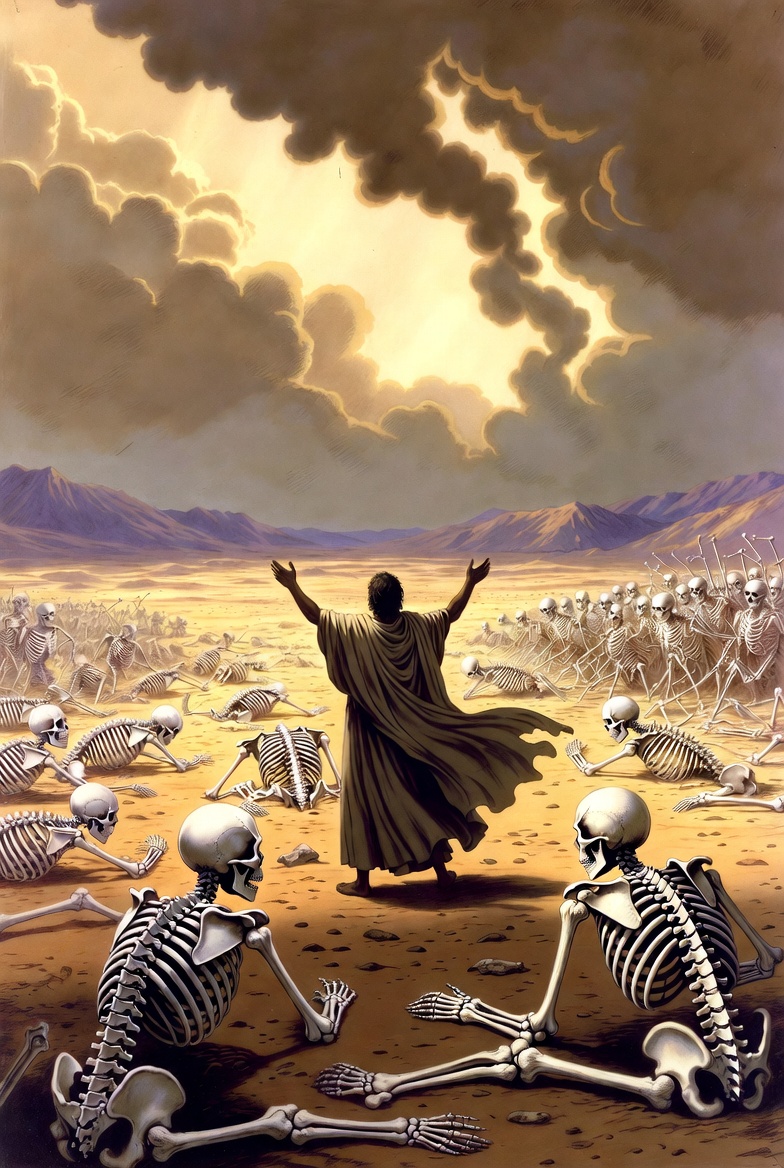
They weren’t dumped in slums. The Babylonians were practical administrators. Many exiles were settled in specially designated communities along the Chebar canal near Nippur—places like Tel Abib (where Ezekiel received his prophetic call) and āl-Yāḫūdu (“City of Judah”), names preserved on cuneiform tablets discovered in the last century. These weren’t prison camps. Archaeological evidence and Babylonian business records show Judeans owning land, lending money, running farms, marrying locals (though many kept endogamous ties), and even rising in administration. One famous set of tablets records rations given to “Ya’u-kīnu, king of the land of Yahudu”—that’s Jehoiachin himself—living in relative comfort with his five sons years later. He wasn’t ruling anymore, but he wasn’t starving either. Some exiles became wealthy merchants. Others worked as farmers or artisans exactly as their skills dictated. The Babylonians basically said, “You’re talented. Work for us. Don’t cause trouble.” Meanwhile, back in Judah, Nebuchadnezzar installed Jehoiachin’s uncle Mattaniah as a puppet king and renamed him Zedekiah—because nothing says “you belong to me” like renaming your vassal. Zedekiah lasted eleven years before making the same fatal mistake as his brother: rebelling with Egyptian help. That led to the 586 BC catastrophe—walls breached, Temple burned, more deportations, the full end of the Davidic monarchy in Judah. But the 597 wave had already planted the seeds of survival. Enter the prophets, those ancient life coaches who refused to let despair win. Jeremiah, still in Jerusalem during the first deportation, smuggled a letter to the exiles that reads like the world’s first self-help manifesto written under siege. “Build houses and live in them,” he wrote. “Plant gardens and eat their produce. Take wives and have sons and daughters… Seek the welfare of the city where I have sent you into exile, and pray to the Lord on its behalf, for in its welfare you will find your welfare.” That’s radical advice for people who just lost everything: stop waiting for rescue. Live here. Invest here. Contribute here. Don’t pine; plant. Ezekiel, himself deported in the 597 wave, went full visionary theater among the exiles. He lay on his side for 390 days to symbolize Judah’s punishment. He baked bread over dung to show coming famine. And then came his most famous vision: a valley of dry bones that suddenly clattered together, grew flesh, and stood up as a living army. “These bones are the whole house of Israel,” God tells him. “I will put my Spirit within you, and you shall live.” Talk about motivational speaking under the worst conditions. The exiles had their own Daniel stories circulating too—tales of young Judean nobles refusing the king’s food, surviving lions’ dens and fiery furnaces through faithfulness. Whether historical or inspirational fiction, these stories kept identity alive.
Life along the canals wasn’t all prophecy and gardening. The exiles wept—Psalm 137 captures it perfectly: “By the rivers of Babylon, there we sat down and wept when we remembered Zion… How can we sing the Lord’s song in a foreign land?” They hung their harps on the willows and refused to entertain their captors with Temple songs. But weeping doesn’t last forever when survival is on the line. They adapted their worship. Without a Temple, prayer and scripture study moved into homes and small gatherings—the early seeds of what would become synagogues centuries later. The Sabbath became non-negotiable. Circumcision, dietary laws, and storytelling around campfires kept the covenant alive. Scribes began collecting and editing the sacred texts that would become the Hebrew Bible. The shift from temple-centric religion to Torah-centric faith happened right here in exile. As one scholar put it, this is where the religion of ancient Israel ended and Judaism as we recognize it began. Humor hides in the irony everywhere. Nebuchadnezzar, the great conqueror who looted the Temple, ended up employing its former priests and craftsmen. The king who built the Ishtar Gate to celebrate his gods watched Judeans stubbornly worship Yahweh in private. Exiles who once walked Jerusalem’s streets now haggled in Babylonian markets, speaking Aramaic (the language that would eventually shape modern Hebrew script). Some probably complained about Babylonian cuisine the way modern immigrants joke about new-country food. Others thrived so well that when Cyrus the Persian conquered Babylon in 539 BC and issued his famous edict allowing return, many chose to stay. The Babylonian Jewish community persisted for 2,500 years, producing the Babylonian Talmud—the massive scholarly work that still guides Jewish law today. The “deportees” didn’t just survive. They upgraded their entire civilization into a portable, resilient model that outlasted the very empire that exiled them. Fast-forward 2,600 years. The same principles that turned that March 16 deportation into a cultural superpower still work for anyone facing their own personal “exile”—a job loss that feels like forced deportation, a move to a strange city, a relationship ending, a health crisis that strips away your old identity. The outcome of 597 BC wasn’t victimhood. It was the birth of an empire of the mind and heart that no walls could contain. Here’s exactly how that historical fact hands you an advantage today:
-
When life deports you from a comfort zone (laid off, relocated, or blindsided by change), you gain the craftsman edge—the exiles carried portable skills that made them valuable anywhere; you audit your own “smithing” talents and immediately repurpose them in the new environment instead of mourning the old one.
-
Strategic surrender saves you from total collapse—Jehoiachin yielded early and his people lived to rebuild; you learn to negotiate with reality rather than fight unwinnable battles, preserving energy for the long game.
-
Planting where you’re planted creates instant roots—Jeremiah’s letter wasn’t poetry; it was survival code; you start small investments (new routines, local networks, skill practice) the day you arrive instead of waiting for rescue.
-
Community along the canal beats isolation—exiles formed tight āl-Yāḫūdu settlements; you deliberately build or join micro-tribes of people who share your values in the “foreign land.”
-
Visionary reframing turns dry bones into armies—Ezekiel’s prophecy kept hope alive; you practice weekly “bone revival” exercises that reimagine your setbacks as raw material for something stronger.
-
Contribution to the “enemy” city brings unexpected peace—exiles who sought Babylon’s welfare prospered; you look for ways to add value where you landed and watch doors open that resistance would have slammed shut.
-
Portable identity outlives empires—Judaism became untethered from geography and thrived; you distill your core values into a mobile operating system that travels with you no matter how many times life relocates you.
Now here’s the part no other self-help guru is giving you because they’ve never studied Babylonian ration tablets or Ezekiel’s canal visions: the **Exile Empire Protocol**—a quick, seven-step, history-rooted system you can launch in under ten days that turns any deportation moment into dynasty-building fuel. This isn’t generic journaling, vision boards, or “manifestation.” This is role-playing the actual strategies that worked for the 597 BC survivors, with modern hacks that feel like secret ancient tech.**Step 1: The Smart Surrender Audit (Day 1)** – Sit down like Jehoiachin at the gates and list exactly what you’re releasing (old title, old location, old expectations) and what you’re keeping (core skills, values, relationships worth carrying). Write it on a single sheet called your “Cuneiform Tablet.” Burn or delete the excess mentally. This prevents Zedekiah-style doomed rebellions against reality. **Step 2: Craftsman Packing List (Day 2)** – The deported artisans were chosen for a reason. Spend one focused hour listing every transferable skill you own—technical, emotional, creative. Pick three to “deport” immediately and schedule 30 minutes daily practice in the new context. One ex-smith became a Babylonian toolmaker; you become the indispensable person in your new environment within weeks. **Step 3: Jeremiah Garden Planting (Day 3)** – Take his letter literally. Start one tangible “garden” project right now—learn the local coffee shop’s name and become a regular, plant actual herbs on your windowsill, or launch a tiny side project that produces something useful. Exiles who built houses and ate produce survived better; you create evidence that you belong here. **Step 4: Hanging Gardens Habit Terraces (Days 4-5)** – Nebuchadnezzar stacked irrigated levels to please his wife. You stack three layered daily habits: base level (physical—walk the “canal”), middle (mental—read or listen to something educational 20 minutes), top level (spiritual—10-minute gratitude for the “foreign city”). Water them consistently and watch your new life bloom faster than any motivational app promises. **Step 5: Chronicle Your Days (Days 6-7)** – Babylonian scribes recorded everything. Keep a simple daily log: one win, one challenge, one contribution made. At the end of the week review like a royal accountant. This turns chaos into data, exactly as the exiles’ descendants did when compiling the Talmud centuries later. **Step 6: Canal-Side Networking (Day 8)** – Exiles formed communities by the Chebar. Identify three people in your new “Babylon” who already thrive there and offer genuine value—no begging, no networking events. Seek their welfare and yours follows. One conversation can become your āl-Yāḫūdu support circle. **Step 7: Ezekiel Vision Quest (Day 9-10 and weekly forever)** – Spend 20 minutes visualizing your personal “dry bones” scene: every setback as scattered pieces that suddenly assemble stronger. Speak the prophecy out loud once a week: “These bones live.” The exiles who did this version of future-casting rebuilt a nation. You rebuild your empire. Launch this protocol the next time life feels like a forced march east and watch what happens. The people deported on March 16, 597 BC didn’t know they were inventing the survival model for the next 2,600 years. They just planted, adapted, contributed, and refused to let the conqueror write their ending. You don’t have to wait for a prophet or a Persian liberator. Your March 16 moment—whatever date it falls on your calendar—is the exact day you start building the next chapter stronger, wiser, and untethered from any single piece of ground. The walls of Jerusalem fell once. The identity forged in Babylon never has. That’s not ancient history. That’s your next move. Go plant something today.
Share: