Imagine this: It's the year 364 AD, and the mighty Roman Empire, that sprawling beast of marble, legions, and endless drama, is in the middle of a messy transition. The previous emperor, Julian—yes, the one they call "the Apostate" for his bold attempt to rewind the clock to pagan glory days—has just met his end in a dusty skirmish against the Persians. The army's stranded deep in enemy territory, low on supplies, morale dipping faster than a gladiator in quicksand. Enter Flavius Jovianus, or Jovian as history shorthand him, a mid-level officer who's suddenly thrust into the purple robes of emperorship. His reign? A mere eight months, culminating in a bizarre death on February 17, 364 AD, that sounds more like a bad camping trip than imperial intrigue. But oh, what a pivotal blip on the timeline it was. This isn't your standard tale of conquests and coliseums; it's a story of survival, hasty deals, religious U-turns, and a reminder that even emperors can succumb to household hazards. Buckle up as we dive into the nitty-gritty of Jovian's whirlwind rule, packed with enough historical twists to make your head spin, a dash of humor to keep it light, and just enough motivation at the end to apply these ancient antics to your 21st-century hustle.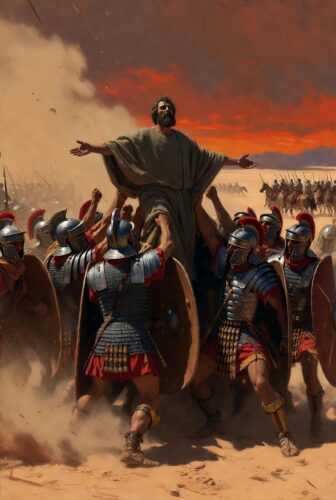 To set the stage properly, we need to rewind a bit further, because Jovian's story doesn't start with his coronation—it's rooted in the chaotic soil of late Roman politics. The 4th century AD was a wild ride for Rome. The empire had split into East and West, Christianity was gaining ground like an unstoppable vine, and external threats loomed from every border. Constantine the Great had kicked off the Christian era in 312 AD with his victory at the Milvian Bridge, famously seeing a cross in the sky and declaring "In this sign, conquer." But his nephew Julian, who ascended in 361 AD, had other ideas. Julian was a philosopher-king type, educated in Athens, steeped in Neoplatonism and the old gods. He rejected Christianity, calling it a "Galilean superstition," and tried to revive paganism with reforms like reopening temples, sacrificing oxen left and right (earning him the nickname "the Bull-Burner" from critics), and even banning Christians from teaching classical literature. It was like trying to unbake a cake—messy and doomed.
Julian's big adventure was his Persian campaign in 363 AD. Persia, under the Sassanid king Shapur II (known as "the Great" or "Shoulders-Piercer" for his alleged habit of skewering enemies), had been a thorn in Rome's side for decades. Shapur had already humiliated Emperor Valerian in 260 AD by capturing him alive and supposedly using him as a footstool before stuffing and mounting his skin like a trophy. Julian, ambitious and overconfident, assembled a massive army—estimates say up to 90,000 men, including auxiliaries from Armenia and other allies—and marched east from Antioch in March 363. The plan? Invade Mesopotamia, sack the Persian capital Ctesiphon, and maybe even push further like Alexander the Great. Spoiler: It didn't go that way.
The expedition started strong. Julian's forces crossed the Euphrates, won some early skirmishes, and even besieged Ctesiphon. But Shapur's strategy was guerrilla warfare—harassing supply lines, scorching earth, and avoiding pitched battles. The Romans, bogged down by heat, disease, and hunger, couldn't take the city. Julian decided to retreat northward along the Tigris, hoping to link up with reinforcements. It was during this grueling march that disaster struck on June 26, 363. In a chaotic night skirmish near Samarra (modern Iraq), Julian was speared in the side—some say by a Persian lance, others whisper it was a Christian Roman soldier's inside job. He died that night, allegedly philosophizing to the end, saying something like "You have won, O Galilean" in a nod to his failed anti-Christian crusade. The army was now leaderless, deep in hostile territory, with Persians nipping at their heels.
Enter Jovian. Born around 331 AD in Singidunum (modern Belgrade, Serbia), he came from solid military stock. His father, Varronianus, was a comes domesticorum—a high-ranking commander under Constantius II. Jovian followed suit, rising through the ranks as a protector domesticus, essentially an elite bodyguard. He was tall, jolly, a bit of a party animal (Ammianus Marcellinus, our main source, describes him as fond of wine and women), and crucially, a devout Nicene Christian. When Julian died, the army's top brass huddled in a hasty council. Names like Salutius (a pagan prefect) were floated, but he declined due to age. Jovian, perhaps because of his father's reputation or his own steady presence, got the nod on June 27. Legend has it the soldiers mistook shouts of "Jovianus!" (his name) for "Julianus Augustus!" in the confusion, but that's probably apocryphal. Either way, at 32, he was emperor—hoisted on shields in the traditional way, right there in the Mesopotamian desert.
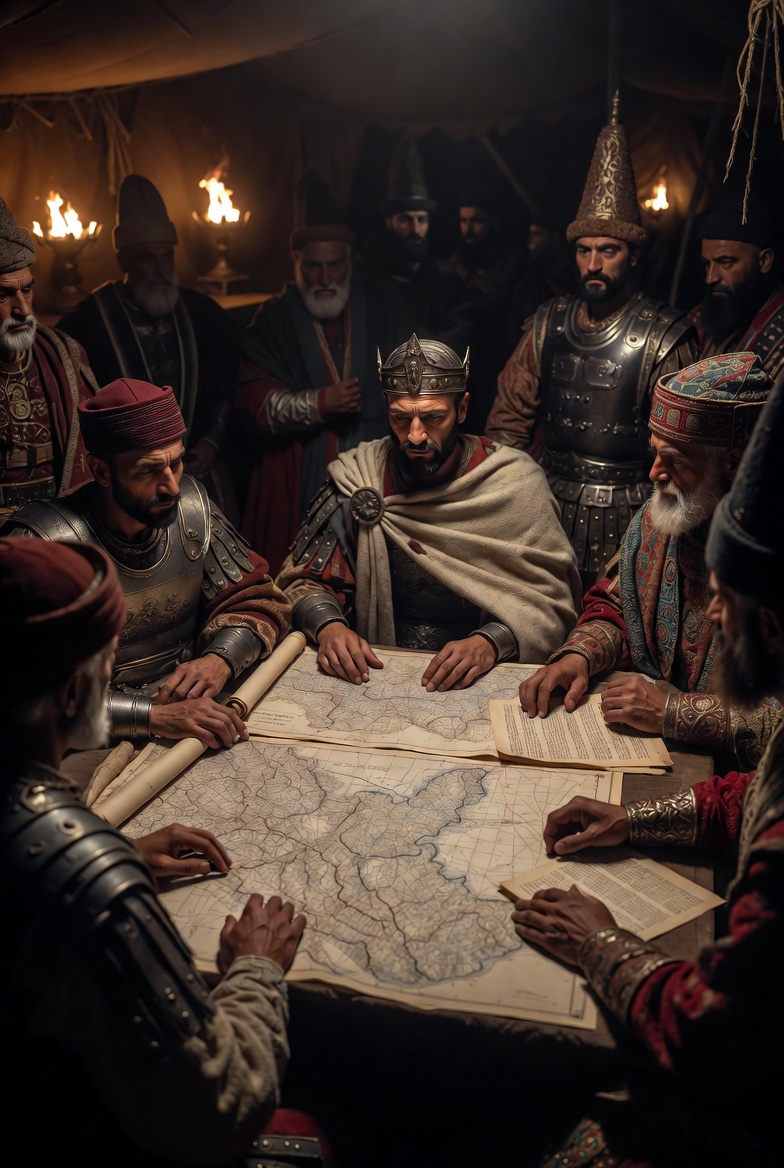
Now, the real challenge: getting home alive. The army was exhausted, rations were scarce (they'd resorted to eating horses and camels), and Shapur smelled blood. Jovian had no choice but to negotiate. He sent envoys to Shapur, who demanded harsh terms for safe passage. The Treaty of 363, signed near the ruins of Dura-Europos, was a Roman humiliation. Rome ceded five trans-Tigritane provinces (Ingilene, Sophanene, Arzanene, Corduene, and Zabdicene), the strategic fortress of Nisibis (without evacuating its inhabitants, a heartbreaking clause that led to mass deportations), Singara, and Castra Maurorum. Armenia, a Roman client state, was abandoned to Persian influence, allowing Shapur to later depose King Arsaces and install a puppet. In exchange, the Romans got a 30-year truce and safe withdrawal. Ammianus calls it "shameful," and contemporaries like Libanius lamented the loss of Nisibis, a city that had withstood Persian sieges for decades. But practically, it saved 80,000 lives. Jovian prioritized survival over glory—a pragmatic move that echoes modern leadership dilemmas, like cutting losses in a bad investment.
To set the stage properly, we need to rewind a bit further, because Jovian's story doesn't start with his coronation—it's rooted in the chaotic soil of late Roman politics. The 4th century AD was a wild ride for Rome. The empire had split into East and West, Christianity was gaining ground like an unstoppable vine, and external threats loomed from every border. Constantine the Great had kicked off the Christian era in 312 AD with his victory at the Milvian Bridge, famously seeing a cross in the sky and declaring "In this sign, conquer." But his nephew Julian, who ascended in 361 AD, had other ideas. Julian was a philosopher-king type, educated in Athens, steeped in Neoplatonism and the old gods. He rejected Christianity, calling it a "Galilean superstition," and tried to revive paganism with reforms like reopening temples, sacrificing oxen left and right (earning him the nickname "the Bull-Burner" from critics), and even banning Christians from teaching classical literature. It was like trying to unbake a cake—messy and doomed.
Julian's big adventure was his Persian campaign in 363 AD. Persia, under the Sassanid king Shapur II (known as "the Great" or "Shoulders-Piercer" for his alleged habit of skewering enemies), had been a thorn in Rome's side for decades. Shapur had already humiliated Emperor Valerian in 260 AD by capturing him alive and supposedly using him as a footstool before stuffing and mounting his skin like a trophy. Julian, ambitious and overconfident, assembled a massive army—estimates say up to 90,000 men, including auxiliaries from Armenia and other allies—and marched east from Antioch in March 363. The plan? Invade Mesopotamia, sack the Persian capital Ctesiphon, and maybe even push further like Alexander the Great. Spoiler: It didn't go that way.
The expedition started strong. Julian's forces crossed the Euphrates, won some early skirmishes, and even besieged Ctesiphon. But Shapur's strategy was guerrilla warfare—harassing supply lines, scorching earth, and avoiding pitched battles. The Romans, bogged down by heat, disease, and hunger, couldn't take the city. Julian decided to retreat northward along the Tigris, hoping to link up with reinforcements. It was during this grueling march that disaster struck on June 26, 363. In a chaotic night skirmish near Samarra (modern Iraq), Julian was speared in the side—some say by a Persian lance, others whisper it was a Christian Roman soldier's inside job. He died that night, allegedly philosophizing to the end, saying something like "You have won, O Galilean" in a nod to his failed anti-Christian crusade. The army was now leaderless, deep in hostile territory, with Persians nipping at their heels.
Enter Jovian. Born around 331 AD in Singidunum (modern Belgrade, Serbia), he came from solid military stock. His father, Varronianus, was a comes domesticorum—a high-ranking commander under Constantius II. Jovian followed suit, rising through the ranks as a protector domesticus, essentially an elite bodyguard. He was tall, jolly, a bit of a party animal (Ammianus Marcellinus, our main source, describes him as fond of wine and women), and crucially, a devout Nicene Christian. When Julian died, the army's top brass huddled in a hasty council. Names like Salutius (a pagan prefect) were floated, but he declined due to age. Jovian, perhaps because of his father's reputation or his own steady presence, got the nod on June 27. Legend has it the soldiers mistook shouts of "Jovianus!" (his name) for "Julianus Augustus!" in the confusion, but that's probably apocryphal. Either way, at 32, he was emperor—hoisted on shields in the traditional way, right there in the Mesopotamian desert.
Now, the real challenge: getting home alive. The army was exhausted, rations were scarce (they'd resorted to eating horses and camels), and Shapur smelled blood. Jovian had no choice but to negotiate. He sent envoys to Shapur, who demanded harsh terms for safe passage. The Treaty of 363, signed near the ruins of Dura-Europos, was a Roman humiliation. Rome ceded five trans-Tigritane provinces (Ingilene, Sophanene, Arzanene, Corduene, and Zabdicene), the strategic fortress of Nisibis (without evacuating its inhabitants, a heartbreaking clause that led to mass deportations), Singara, and Castra Maurorum. Armenia, a Roman client state, was abandoned to Persian influence, allowing Shapur to later depose King Arsaces and install a puppet. In exchange, the Romans got a 30-year truce and safe withdrawal. Ammianus calls it "shameful," and contemporaries like Libanius lamented the loss of Nisibis, a city that had withstood Persian sieges for decades. But practically, it saved 80,000 lives. Jovian prioritized survival over glory—a pragmatic move that echoes modern leadership dilemmas, like cutting losses in a bad investment. As the army trudged back westward, crossing the Tigris on makeshift bridges and enduring harassment, Jovian began undoing Julian's legacy. On July 1, still in Persia, he issued an edict restoring Christianity's privileges. Churches got their lands back, pagan sacrifices were curtailed (though not fully banned—Jovian aimed for tolerance), and Christian clergy regained tax exemptions. He proclaimed himself a servant of Christ, minting coins with Christian symbols and the motto "Victoria Romanorum." This shift was huge: Julian's pagan revival was dead in the water, ensuring Christianity's trajectory toward dominance under Theodosius I later. Jovian even recalled exiled bishops like Athanasius of Alexandria, the staunch defender of Nicene orthodoxy against Arianism. It was a religious reset button, pressed amid sandstorms and starvation.
The march home was epic in its misery. Sources like Zosimus and Eutropius paint a picture of soldiers dropping from exhaustion, rivers swollen with monsoon rains, and constant Persian raids. Jovian kept morale up with speeches and by sharing hardships—though his jolly nature reportedly included boozy banquets when supplies allowed. They reached Antioch in late summer, where the Christian population cheered the new emperor but grumbled about the treaty. Jovian didn't linger; he pressed on to Constantinople, the empire's nerve center. Along the way, at Tyana in Cappadocia, he met with western officials and secured their allegiance—no small feat in an era of usurpations.
But fate, or perhaps foul play, intervened. On the night of February 16-17, 364 AD, at a waystation called Dadastana (near modern Gebze, Turkey), Jovian retired to a freshly plastered room in a public inn. A charcoal brazier burned for warmth—common in chilly Anatolian winters. Come morning, he was dead. Official cause? Asphyxiation from toxic fumes, either from the charcoal or the wet lime plaster releasing vapors. Ammianus Marcellinus, our eyewitness-ish historian (he was on the campaign), lists possibilities: overindulgence in food and drink, poisonous mushrooms, or the fumes. John of Antioch hints at murder, perhaps by poison or strangulation, noting the lack of investigation. Who'd want him dead? Pagans upset at the Christian pivot? Military rivals eyeing the throne? Or Shapur's agents? It's a historical whodunit, funnier in hindsight— the emperor who survived Persians only to be offed by indoor air pollution. Imagine the headlines: "Emperor Chokes on Success!"
Jovian's body was rushed to Constantinople, buried with honors in the Church of the Holy Apostles alongside Constantine and others. His wife, Charito, and infant son Varronianus (who'd been made consul) survived him briefly—Valentinian I, the next emperor, later exiled them and had the boy's eyes put out to prevent claims. Harsh times.
Diving deeper into the context, Jovian's reign slots into the Valentinian dynasty's prelude. After his death, the army at Nicaea elected Valentinian I, a tough Pannonian soldier, who then appointed his brother Valens as co-emperor in the East. They continued Jovian's Christian policies but with more vigor—Valentinian tolerated pagans, but Valens persecuted non-Arians. The treaty with Persia held uneasily until 376, but the loss of Nisibis weakened Rome's eastern defenses, contributing to later invasions.
As the army trudged back westward, crossing the Tigris on makeshift bridges and enduring harassment, Jovian began undoing Julian's legacy. On July 1, still in Persia, he issued an edict restoring Christianity's privileges. Churches got their lands back, pagan sacrifices were curtailed (though not fully banned—Jovian aimed for tolerance), and Christian clergy regained tax exemptions. He proclaimed himself a servant of Christ, minting coins with Christian symbols and the motto "Victoria Romanorum." This shift was huge: Julian's pagan revival was dead in the water, ensuring Christianity's trajectory toward dominance under Theodosius I later. Jovian even recalled exiled bishops like Athanasius of Alexandria, the staunch defender of Nicene orthodoxy against Arianism. It was a religious reset button, pressed amid sandstorms and starvation.
The march home was epic in its misery. Sources like Zosimus and Eutropius paint a picture of soldiers dropping from exhaustion, rivers swollen with monsoon rains, and constant Persian raids. Jovian kept morale up with speeches and by sharing hardships—though his jolly nature reportedly included boozy banquets when supplies allowed. They reached Antioch in late summer, where the Christian population cheered the new emperor but grumbled about the treaty. Jovian didn't linger; he pressed on to Constantinople, the empire's nerve center. Along the way, at Tyana in Cappadocia, he met with western officials and secured their allegiance—no small feat in an era of usurpations.
But fate, or perhaps foul play, intervened. On the night of February 16-17, 364 AD, at a waystation called Dadastana (near modern Gebze, Turkey), Jovian retired to a freshly plastered room in a public inn. A charcoal brazier burned for warmth—common in chilly Anatolian winters. Come morning, he was dead. Official cause? Asphyxiation from toxic fumes, either from the charcoal or the wet lime plaster releasing vapors. Ammianus Marcellinus, our eyewitness-ish historian (he was on the campaign), lists possibilities: overindulgence in food and drink, poisonous mushrooms, or the fumes. John of Antioch hints at murder, perhaps by poison or strangulation, noting the lack of investigation. Who'd want him dead? Pagans upset at the Christian pivot? Military rivals eyeing the throne? Or Shapur's agents? It's a historical whodunit, funnier in hindsight— the emperor who survived Persians only to be offed by indoor air pollution. Imagine the headlines: "Emperor Chokes on Success!"
Jovian's body was rushed to Constantinople, buried with honors in the Church of the Holy Apostles alongside Constantine and others. His wife, Charito, and infant son Varronianus (who'd been made consul) survived him briefly—Valentinian I, the next emperor, later exiled them and had the boy's eyes put out to prevent claims. Harsh times.
Diving deeper into the context, Jovian's reign slots into the Valentinian dynasty's prelude. After his death, the army at Nicaea elected Valentinian I, a tough Pannonian soldier, who then appointed his brother Valens as co-emperor in the East. They continued Jovian's Christian policies but with more vigor—Valentinian tolerated pagans, but Valens persecuted non-Arians. The treaty with Persia held uneasily until 376, but the loss of Nisibis weakened Rome's eastern defenses, contributing to later invasions.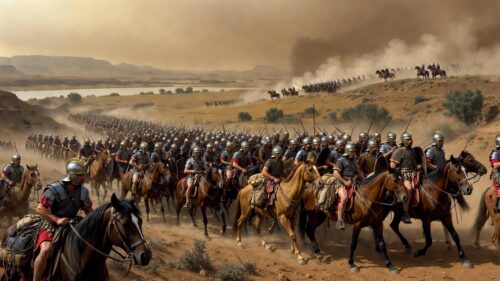 What made Jovian significant? His election marked the army's growing role in choosing emperors, a trend from the 3rd-century crisis. As a Christian after Julian, he bridged the Constantinian and Theodosian eras, ensuring no pagan comeback. Historians like Edward Gibbon in "Decline and Fall" dismiss him as mediocre, but that's unfair—he inherited a dumpster fire and put out the flames, albeit at cost. Ammianus portrays him as affable but lazy, tall with a stoop, a big eater who danced awkwardly at banquets. Eunapius sneers at his Christianity as superficial. Yet, in inscriptions and coins, he's "Restitutor Orbis"—Restorer of the World. Funny how perspectives shift.
Let's unpack the Persian campaign more. Julian's force included siege engines, ships for river navigation (disassembled and carted overland—logistical nightmare), and exotic allies like Saracen nomads. The sack of Pirisabora and Maiozamalcha showed Roman engineering prowess—tunnels under walls, battering rams named "Helepolis." But the retreat? A 300-mile slog, with battles like Maranga where Romans formed testudos (turtle formations) against Persian cataphracts—heavy cavalry in scale armor, like medieval knights. Jovian's negotiation happened amid this; Shapur, aging but cunning, dictated terms from a position of strength.
Religiously, Jovian's edict at Antioch reaffirmed the Edict of Milan (313 AD) for tolerance but favored Christians. He avoided Julian's school ban, letting pagans teach but curbing their influence. His Christianity was Nicene, opposing Arianism (which saw Christ as subordinate to God), aligning with Athanasius. This helped stabilize the church amid councils like Nicaea (325).
Culturally, the era buzzed with intellectual ferment. Libanius, Julian's friend, wrote orations lamenting the treaty; Themistius praised Jovian for peace. Artifacts? Jovian's coins show him bearded (like Julian) but with Christian chi-rho symbols. No grand monuments—his reign was too short.
Now, the death theories deserve a chuckle. Charcoal braziers were common killers in antiquity—poor ventilation led to carbon monoxide poisoning, invisible and odorless. Mushrooms? Deadly amanitas masquerade as edibles. Overeating? Jovian was reportedly gluttonous, perhaps a heart attack. Murder? Ammianus compares it to Scipio Africanus's suspicious death, hinting intrigue. No autopsy, of course—ancient forensics were limited to omens and gossip.
What made Jovian significant? His election marked the army's growing role in choosing emperors, a trend from the 3rd-century crisis. As a Christian after Julian, he bridged the Constantinian and Theodosian eras, ensuring no pagan comeback. Historians like Edward Gibbon in "Decline and Fall" dismiss him as mediocre, but that's unfair—he inherited a dumpster fire and put out the flames, albeit at cost. Ammianus portrays him as affable but lazy, tall with a stoop, a big eater who danced awkwardly at banquets. Eunapius sneers at his Christianity as superficial. Yet, in inscriptions and coins, he's "Restitutor Orbis"—Restorer of the World. Funny how perspectives shift.
Let's unpack the Persian campaign more. Julian's force included siege engines, ships for river navigation (disassembled and carted overland—logistical nightmare), and exotic allies like Saracen nomads. The sack of Pirisabora and Maiozamalcha showed Roman engineering prowess—tunnels under walls, battering rams named "Helepolis." But the retreat? A 300-mile slog, with battles like Maranga where Romans formed testudos (turtle formations) against Persian cataphracts—heavy cavalry in scale armor, like medieval knights. Jovian's negotiation happened amid this; Shapur, aging but cunning, dictated terms from a position of strength.
Religiously, Jovian's edict at Antioch reaffirmed the Edict of Milan (313 AD) for tolerance but favored Christians. He avoided Julian's school ban, letting pagans teach but curbing their influence. His Christianity was Nicene, opposing Arianism (which saw Christ as subordinate to God), aligning with Athanasius. This helped stabilize the church amid councils like Nicaea (325).
Culturally, the era buzzed with intellectual ferment. Libanius, Julian's friend, wrote orations lamenting the treaty; Themistius praised Jovian for peace. Artifacts? Jovian's coins show him bearded (like Julian) but with Christian chi-rho symbols. No grand monuments—his reign was too short.
Now, the death theories deserve a chuckle. Charcoal braziers were common killers in antiquity—poor ventilation led to carbon monoxide poisoning, invisible and odorless. Mushrooms? Deadly amanitas masquerade as edibles. Overeating? Jovian was reportedly gluttonous, perhaps a heart attack. Murder? Ammianus compares it to Scipio Africanus's suspicious death, hinting intrigue. No autopsy, of course—ancient forensics were limited to omens and gossip.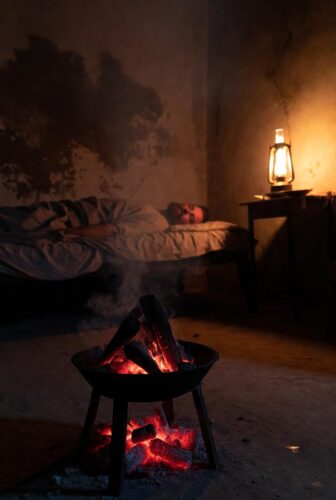 Jovian's family adds poignancy. His father retired before the campaign; his son, barely a toddler, faced mutilation later. Charito lived in fear, a widow in turbulent times.
In broader history, Jovian's treaty foreshadowed Rome's eastern struggles, culminating in Justinian's wars. His Christian restoration influenced Byzantium's Orthodox identity.
Shifting gears to the empire's military: The late Roman army was professional, with limitanei (border troops) and comitatenses (field armies). Jovian's protectors were elite, his base of support.
Economically, the treaty's loss hurt—Nisibis was a trade hub for silk and spices. Rome paid tribute indirectly via the "present" Maximilian II later echoed, but that's anachronistic.
Wait, no—Jovian's era predates that. Focus: His brief rule stabilized after Julian's chaos.
To flesh this out, consider contemporaries. Procopius (not the historian, but a relative of Julian) rebelled briefly in 365, showing unrest. Jovian's death created a vacuum.
Historiography: Ammianus, a pagan soldier, is biased but detailed. Christian writers like Socrates Scholasticus praise him. Pagan Zosimus blames Christianity for defeats.
Jovian's legacy? Obscure but crucial—a pivot point where Rome recommitted to Christianity, averting a pagan renaissance.
Now, after all that historical immersion—about 2700 words of it, give or take—let's extract some motivational gold from Jovian's saga. Sure, he ruled briefly and died oddly, but his story screams resilience: turning disaster into survival, adapting under pressure, and prioritizing long-term wins over ego. In today's world of constant change, job shifts, and personal setbacks, here's how you can channel Jovian's grit into your life. Think of it as ancient wisdom for modern warriors.
Jovian's family adds poignancy. His father retired before the campaign; his son, barely a toddler, faced mutilation later. Charito lived in fear, a widow in turbulent times.
In broader history, Jovian's treaty foreshadowed Rome's eastern struggles, culminating in Justinian's wars. His Christian restoration influenced Byzantium's Orthodox identity.
Shifting gears to the empire's military: The late Roman army was professional, with limitanei (border troops) and comitatenses (field armies). Jovian's protectors were elite, his base of support.
Economically, the treaty's loss hurt—Nisibis was a trade hub for silk and spices. Rome paid tribute indirectly via the "present" Maximilian II later echoed, but that's anachronistic.
Wait, no—Jovian's era predates that. Focus: His brief rule stabilized after Julian's chaos.
To flesh this out, consider contemporaries. Procopius (not the historian, but a relative of Julian) rebelled briefly in 365, showing unrest. Jovian's death created a vacuum.
Historiography: Ammianus, a pagan soldier, is biased but detailed. Christian writers like Socrates Scholasticus praise him. Pagan Zosimus blames Christianity for defeats.
Jovian's legacy? Obscure but crucial—a pivot point where Rome recommitted to Christianity, averting a pagan renaissance.
Now, after all that historical immersion—about 2700 words of it, give or take—let's extract some motivational gold from Jovian's saga. Sure, he ruled briefly and died oddly, but his story screams resilience: turning disaster into survival, adapting under pressure, and prioritizing long-term wins over ego. In today's world of constant change, job shifts, and personal setbacks, here's how you can channel Jovian's grit into your life. Think of it as ancient wisdom for modern warriors.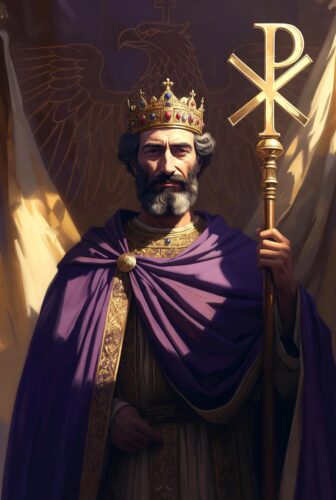 - **Embrace quick decisions in crises**: Like Jovian signing that "shameful" treaty to save his army, sometimes you gotta swallow pride for survival. Applied to you: If you're stuck in a toxic job, negotiate an exit strategy—update your resume, network discreetly, and pivot to a better role without burning bridges. It might feel like a loss, but it preserves your energy for future battles.
- **Reverse course when needed, without apology**: Jovian flipped Julian's pagan policies back to Christian ones overnight. Lesson: If a habit or routine isn't serving you, ditch it. For instance, if your all-carb diet is zapping your energy, switch to balanced meals with proteins and veggies. Track progress in a journal for a week, noting mood boosts—small flips lead to big revivals.
- **Guard against hidden dangers**: That fatal brazier? A reminder that everyday risks can derail you. Today: Review your home for safety—install carbon monoxide detectors, check expiration dates on food to avoid "mushroom mishaps." Extend it to life: Schedule annual health checkups to catch issues early, turning potential catastrophes into minor tweaks.
- **Build on inherited messes**: Jovian inherited a stranded army and religious divide but stabilized both. You: If you take over a chaotic project at work, assess quickly—list assets (like skilled team members) and liabilities (deadlines missed), then delegate tasks to leverage strengths. Celebrate small wins, like Jovian's safe retreat, to build momentum.
- **Cultivate affability amid adversity**: Described as jolly even in tough times, Jovian kept spirits up. Apply: In stressful group settings, like family gatherings or team meetings, inject humor—a light joke about the situation can defuse tension and foster bonds, making you the go-to resilient leader.
For a concrete plan to integrate this: Start a "Jovian Journal" for 30 days. Each morning, note one crisis or setback from the day before, then brainstorm a pragmatic "treaty" (compromise or pivot). Evening: Reflect on a "reversal" you made, like swapping screen time for a walk. Weekly: Check for "hidden fumes"—review habits for subtle drains, like doom-scrolling, and replace with uplifting ones, such as reading history for inspiration. By month-end, you'll have built resilience muscles, turning ancient mishaps into modern mastery. Who knew a short-lived emperor could fuel such fire? Go forth and conquer your own empire—one pragmatic step at a time.
- **Embrace quick decisions in crises**: Like Jovian signing that "shameful" treaty to save his army, sometimes you gotta swallow pride for survival. Applied to you: If you're stuck in a toxic job, negotiate an exit strategy—update your resume, network discreetly, and pivot to a better role without burning bridges. It might feel like a loss, but it preserves your energy for future battles.
- **Reverse course when needed, without apology**: Jovian flipped Julian's pagan policies back to Christian ones overnight. Lesson: If a habit or routine isn't serving you, ditch it. For instance, if your all-carb diet is zapping your energy, switch to balanced meals with proteins and veggies. Track progress in a journal for a week, noting mood boosts—small flips lead to big revivals.
- **Guard against hidden dangers**: That fatal brazier? A reminder that everyday risks can derail you. Today: Review your home for safety—install carbon monoxide detectors, check expiration dates on food to avoid "mushroom mishaps." Extend it to life: Schedule annual health checkups to catch issues early, turning potential catastrophes into minor tweaks.
- **Build on inherited messes**: Jovian inherited a stranded army and religious divide but stabilized both. You: If you take over a chaotic project at work, assess quickly—list assets (like skilled team members) and liabilities (deadlines missed), then delegate tasks to leverage strengths. Celebrate small wins, like Jovian's safe retreat, to build momentum.
- **Cultivate affability amid adversity**: Described as jolly even in tough times, Jovian kept spirits up. Apply: In stressful group settings, like family gatherings or team meetings, inject humor—a light joke about the situation can defuse tension and foster bonds, making you the go-to resilient leader.
For a concrete plan to integrate this: Start a "Jovian Journal" for 30 days. Each morning, note one crisis or setback from the day before, then brainstorm a pragmatic "treaty" (compromise or pivot). Evening: Reflect on a "reversal" you made, like swapping screen time for a walk. Weekly: Check for "hidden fumes"—review habits for subtle drains, like doom-scrolling, and replace with uplifting ones, such as reading history for inspiration. By month-end, you'll have built resilience muscles, turning ancient mishaps into modern mastery. Who knew a short-lived emperor could fuel such fire? Go forth and conquer your own empire—one pragmatic step at a time.