Imagine a sweltering plain in the Alentejo region of Portugal, dust-choked and dotted with vineyards and rocky outcrops, where two armies of roughly equal size—around 22,000 men each—clashed for nearly nine grueling hours. Cannon fire thundered, cavalry charges thundered across the fields like living storms, and infantry squares stood firm against waves of steel. This was no glamorous Hollywood epic with sweeping orchestral scores; it was a brutal, muddy, sweat-soaked affair on June 17, 1665, known as the Battle of Montes Claros. Often overshadowed by flashier conflicts like the Battle of Bunker Hill or the exploits of Vlad the Impaler (who also had a notable June 17 moment, but that's another tale), this decisive clash in the Portuguese Restoration War secured Portugal's independence from Spain after 25 years of grueling struggle.
In the grand theater of history, Montes Claros isn't the star attraction at tourist traps or the subject of endless Netflix documentaries. Yet it deserves a spotlight for what it reveals about resilience, smart leadership, and turning the tide when the odds seem stacked against you. Today, as we mark this date, we'll dive deep into the gritty details of this underappreciated triumph—90% pure historical meat, with the motivational sauce applied at the end in practical, battle-tested ways you won't find in generic self-help platitudes. No fluff about "manifesting" or vision boards; this is strategy forged in gunpowder and pike formations.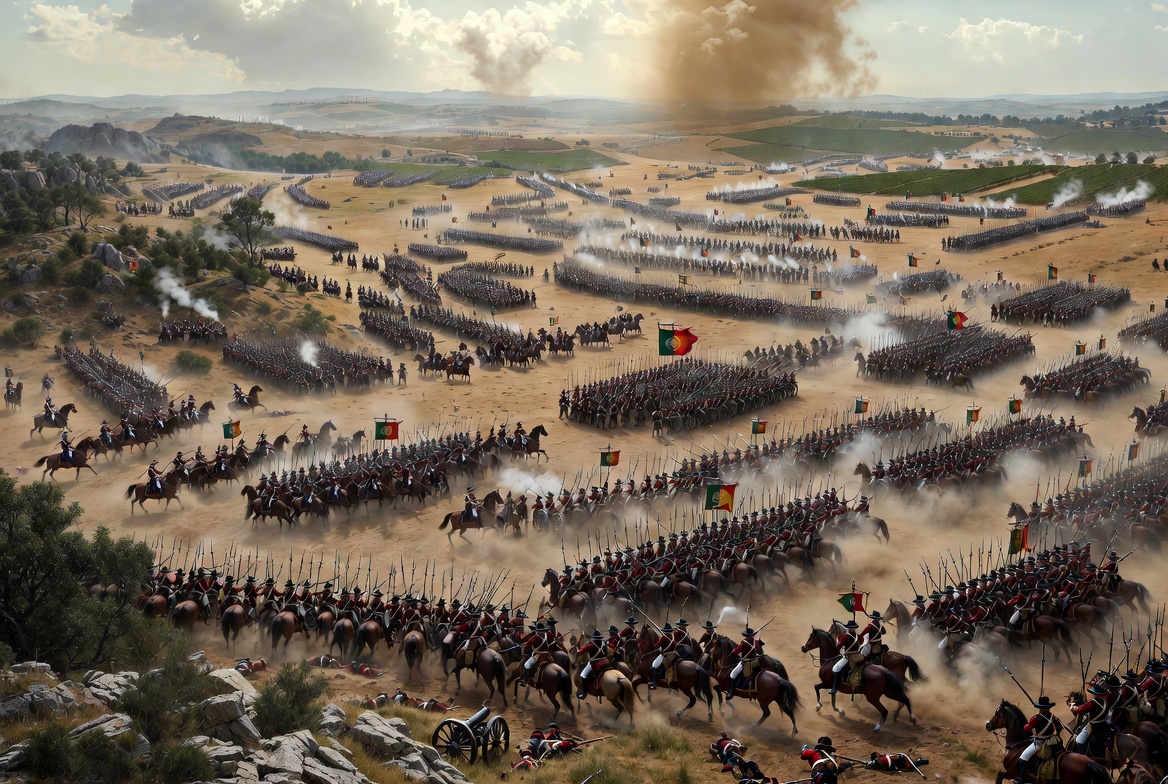 ### The Long Shadow of the Iberian Union: Why Portugal Fought for Its Soul
To understand Montes Claros, we must rewind to 1580, when the crowns of Portugal and Spain united under the Habsburg Philip II following the death of Portugal's King Sebastian at the disastrous Battle of Alcácer Quibir in 1578. This "Iberian Union" was meant to be a dynastic merger, but it felt more like annexation to many Portuguese. Spanish kings prioritized their vast empire—New World silver, endless wars in the Netherlands and against the Ottomans—often at Portugal's expense. Portuguese merchants lost trade monopolies, taxes soared to fund foreign adventures, and Portuguese soldiers bled in Spanish campaigns.
By 1640, resentment boiled over. On December 1, a coup in Lisbon restored the Portuguese throne to the House of Braganza with John IV as king. The "Restoration War" (Guerra da Restauração) erupted—not a single lightning campaign, but a grinding 28-year conflict of raids, sieges, and border skirmishes. Portugal, smaller and resource-strapped, relied on alliances (France early on, England later) and defensive genius. Spain, the superpower with deeper pockets and larger armies, launched repeated invasions but struggled with logistics in Portugal's rugged terrain, disease, and stubborn local resistance.
Key Portuguese victories dotted the timeline: Montijo (1644), the Lines of Elvas (1659), Ameixial (1663), and Castelo Rodrigo (1664). These weren't just battles; they were proof that a "small" nation could punch above its weight with clever tactics, foreign expertise, and unbreakable will. By 1665, Spain's Philip IV—ill and desperate—was pushing for one final knockout blow to end the "rebellion" and reclaim Portugal before his death complicated succession.
### The Long Shadow of the Iberian Union: Why Portugal Fought for Its Soul
To understand Montes Claros, we must rewind to 1580, when the crowns of Portugal and Spain united under the Habsburg Philip II following the death of Portugal's King Sebastian at the disastrous Battle of Alcácer Quibir in 1578. This "Iberian Union" was meant to be a dynastic merger, but it felt more like annexation to many Portuguese. Spanish kings prioritized their vast empire—New World silver, endless wars in the Netherlands and against the Ottomans—often at Portugal's expense. Portuguese merchants lost trade monopolies, taxes soared to fund foreign adventures, and Portuguese soldiers bled in Spanish campaigns.
By 1640, resentment boiled over. On December 1, a coup in Lisbon restored the Portuguese throne to the House of Braganza with John IV as king. The "Restoration War" (Guerra da Restauração) erupted—not a single lightning campaign, but a grinding 28-year conflict of raids, sieges, and border skirmishes. Portugal, smaller and resource-strapped, relied on alliances (France early on, England later) and defensive genius. Spain, the superpower with deeper pockets and larger armies, launched repeated invasions but struggled with logistics in Portugal's rugged terrain, disease, and stubborn local resistance.
Key Portuguese victories dotted the timeline: Montijo (1644), the Lines of Elvas (1659), Ameixial (1663), and Castelo Rodrigo (1664). These weren't just battles; they were proof that a "small" nation could punch above its weight with clever tactics, foreign expertise, and unbreakable will. By 1665, Spain's Philip IV—ill and desperate—was pushing for one final knockout blow to end the "rebellion" and reclaim Portugal before his death complicated succession.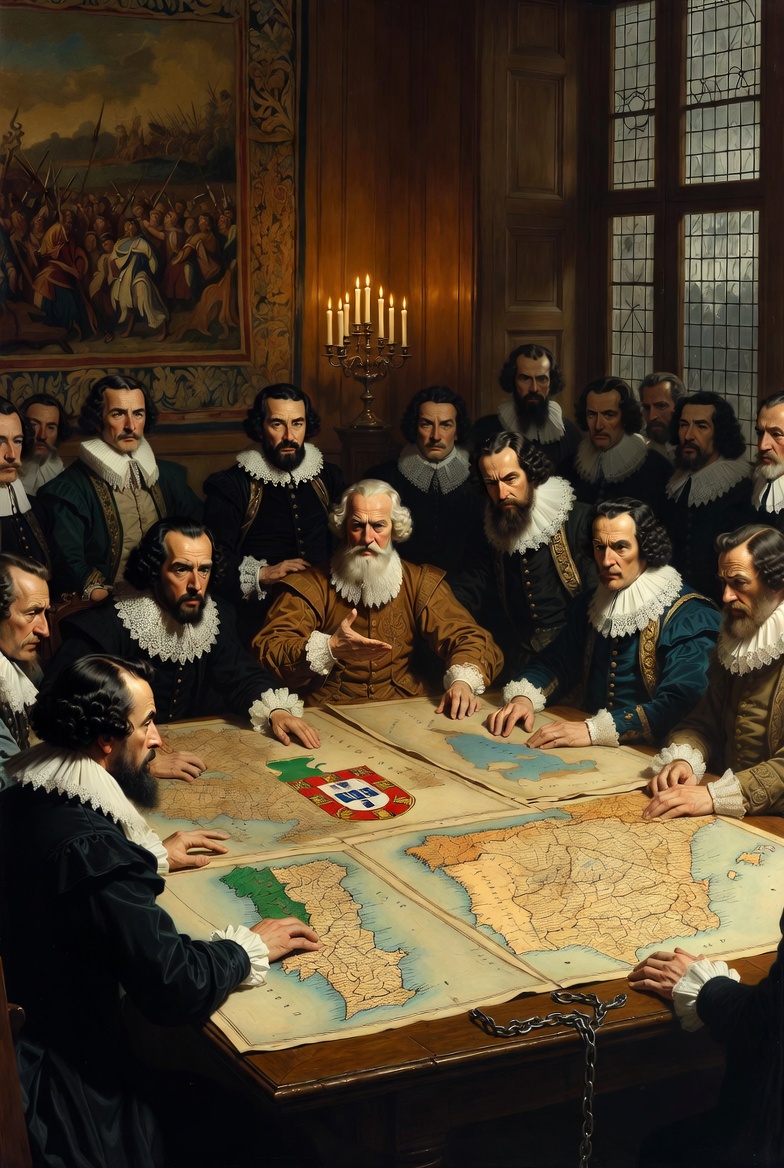 ### The Spanish Hammer Falls: Caracena's Invasion
Enter Luis de Benavides Carrillo, Marquis of Caracena. A veteran of Italy and the Netherlands, he was no fool. Appointed to lead the invasion, Caracena assembled about 22,600 men, including seasoned Spanish tercios (infantry squares famed for their discipline), German, Swiss, and Italian mercenaries, and a strong cavalry arm—roughly 7,600 horse. His plan: Capture Vila Viçosa (a symbolic Braganza stronghold), then push toward Setúbal and Lisbon. He moved swiftly in late May 1665, taking Borba easily after its garrison withdrew. Vila Viçosa fell partially, but its citadel held out fiercely, tying down Spanish forces and bleeding their supplies.
Attrition was Caracena's silent killer. Portuguese militias harassed supply lines. Heat, disease, and desertion thinned his ranks. Philip IV's declining health added urgency from Madrid: Strike now or risk losing momentum. Caracena knew a Portuguese relief force under António Luís de Meneses, 1st Marquis of Marialva, was marching from Estremoz. Rather than wait, he turned to confront them.
### Portuguese Preparation: Marialva, Schomberg, and Defensive Mastery
Opposing Caracena was a formidable duo. Marialva (António Luís de Meneses) was a battle-hardened Portuguese noble who had won at the Lines of Elvas. He commanded around 22,000 men: 15,000 infantry in terços, 5,000 cavalry, and 20 cannons, bolstered by 2,000 English veterans and other foreign auxiliaries. Crucially, he had Friedrich Hermann von Schomberg (later Count of Mértola), a German soldier-of-fortune and brilliant tactician who led English and other mercenary contingents. Schomberg had fought across Europe and brought modern combined-arms thinking.
The Portuguese didn't seek glory charges. They traded space for time, wearing down the invaders in the Alentejo's harsh landscape. Meneses positioned his army defensively at Montes Claros, a plain near Borba and Vila Viçosa, nestled between a long ridge, dense forests, hills, and vineyards. This terrain was a natural choke point: It limited how many Spanish troops could engage at once, neutralizing numerical advantages.
**Deployment Details (from contemporary accounts and reconstructions):**
- Infantry in multiple lines: Seasoned terços from Alentejo, Lisbon, Beira, and Trás-os-Montes formed the core, with English, French, and German regiments integrated.
- Cavalry mostly on the right flank initially, with some mixed in for support.
- Artillery placed on high ground and intervals for devastating enfilade and close-range fire.
- Reserves ready to plug gaps or counterattack.
- Schomberg commanded key sectors, emphasizing flexibility—reserves, rapid redeployments, and using terrain like vineyard walls and buildings as anchors.
Meneses rallied his troops with a stirring speech before the march, invoking divine mission and past victories, framing the fight as existential for Portugal's freedom.
### The Spanish Hammer Falls: Caracena's Invasion
Enter Luis de Benavides Carrillo, Marquis of Caracena. A veteran of Italy and the Netherlands, he was no fool. Appointed to lead the invasion, Caracena assembled about 22,600 men, including seasoned Spanish tercios (infantry squares famed for their discipline), German, Swiss, and Italian mercenaries, and a strong cavalry arm—roughly 7,600 horse. His plan: Capture Vila Viçosa (a symbolic Braganza stronghold), then push toward Setúbal and Lisbon. He moved swiftly in late May 1665, taking Borba easily after its garrison withdrew. Vila Viçosa fell partially, but its citadel held out fiercely, tying down Spanish forces and bleeding their supplies.
Attrition was Caracena's silent killer. Portuguese militias harassed supply lines. Heat, disease, and desertion thinned his ranks. Philip IV's declining health added urgency from Madrid: Strike now or risk losing momentum. Caracena knew a Portuguese relief force under António Luís de Meneses, 1st Marquis of Marialva, was marching from Estremoz. Rather than wait, he turned to confront them.
### Portuguese Preparation: Marialva, Schomberg, and Defensive Mastery
Opposing Caracena was a formidable duo. Marialva (António Luís de Meneses) was a battle-hardened Portuguese noble who had won at the Lines of Elvas. He commanded around 22,000 men: 15,000 infantry in terços, 5,000 cavalry, and 20 cannons, bolstered by 2,000 English veterans and other foreign auxiliaries. Crucially, he had Friedrich Hermann von Schomberg (later Count of Mértola), a German soldier-of-fortune and brilliant tactician who led English and other mercenary contingents. Schomberg had fought across Europe and brought modern combined-arms thinking.
The Portuguese didn't seek glory charges. They traded space for time, wearing down the invaders in the Alentejo's harsh landscape. Meneses positioned his army defensively at Montes Claros, a plain near Borba and Vila Viçosa, nestled between a long ridge, dense forests, hills, and vineyards. This terrain was a natural choke point: It limited how many Spanish troops could engage at once, neutralizing numerical advantages.
**Deployment Details (from contemporary accounts and reconstructions):**
- Infantry in multiple lines: Seasoned terços from Alentejo, Lisbon, Beira, and Trás-os-Montes formed the core, with English, French, and German regiments integrated.
- Cavalry mostly on the right flank initially, with some mixed in for support.
- Artillery placed on high ground and intervals for devastating enfilade and close-range fire.
- Reserves ready to plug gaps or counterattack.
- Schomberg commanded key sectors, emphasizing flexibility—reserves, rapid redeployments, and using terrain like vineyard walls and buildings as anchors.
Meneses rallied his troops with a stirring speech before the march, invoking divine mission and past victories, framing the fight as existential for Portugal's freedom.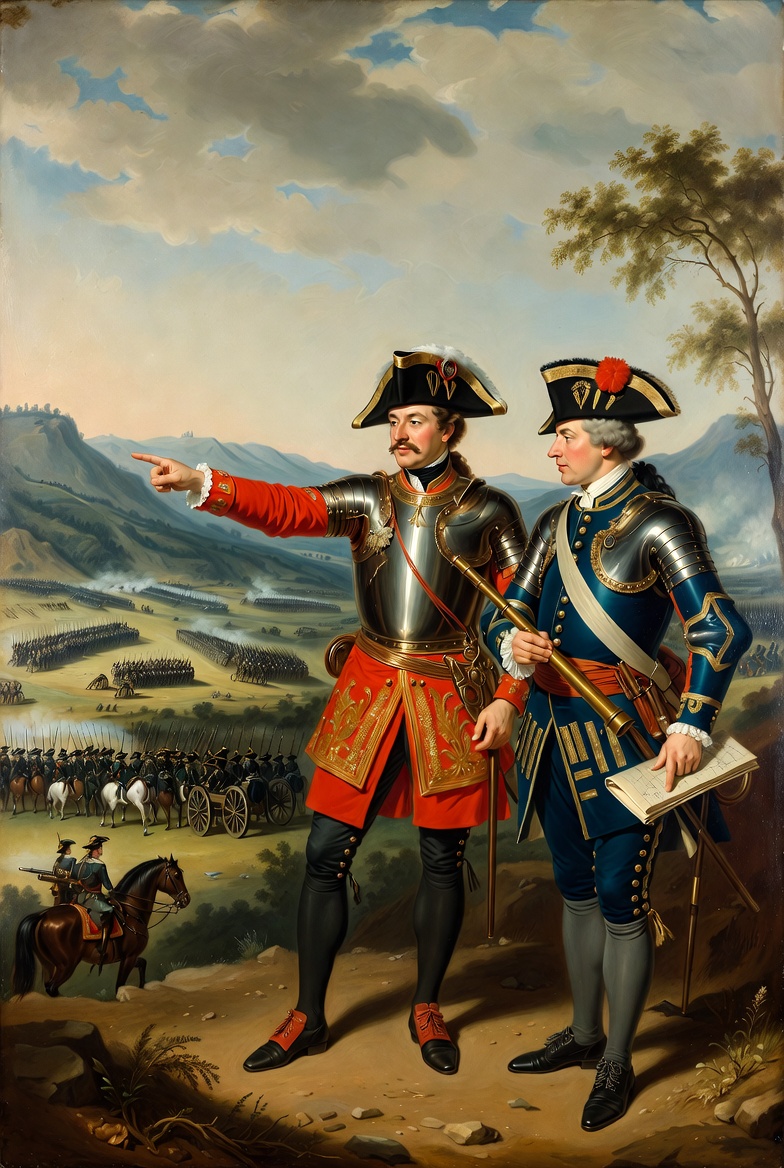 ### The Battle Unfolds: Nine Hours of Carnage and Comeback
Dawn to dusk on June 17. The fighting opened with an artillery duel. Spanish guns pounded Portuguese lines, creating gaps. Then came the hammer: Massed Spanish cavalry charges, led by figures like the Prince of Parma on the foreign horse.
**Phase 1:** Spanish cavalry slammed into the Portuguese right flank, overrunning initial units and pushing them back in disorder. Portuguese infantry formed pike squares to repel horsemen, but artillery fire made it hellish. Schomberg rallied troops around buildings and a vineyard wall on the left, breaking up charges. Portuguese cannon raked the attackers at close range (sometimes under 50 paces). The first line fell back and consolidated with the second. Marialva himself took personal command after a key officer fell.
**Phase 2:** A second Spanish onslaught—cavalry and artillery—inflicted heavy casualties again. But Portuguese fire discipline and reserves held. Spanish momentum faltered as their own guns risked friendly fire in the press of bodies.
**Phase 3:** The decisive push. Caracena threw everything in: Cavalry and infantry together in a massive assault. Fighting was hand-to-hand, ferocious. Schomberg had his horse shot out; near-capture loomed. Yet Portuguese artillery devastated the packed Spanish ranks. After hours of attrition, the Spanish began withdrawing.
Then the counterstroke: Portuguese cavalry under D. Luis Melo e Castro, previously held in reserve or limited role, charged the weakened Spanish left. The Spanish army shattered. Panic spread. Troops fled toward Juromenha, abandoning artillery, banners, and thousands of dead, wounded, and prisoners (including eight generals).
Casualties tell the story: Portuguese ~700 killed, 2,000+ wounded. Spanish: 4,000 killed in battle + siege losses, thousands more fugitives dying later, 6,000 captured. Vast stores of weapons, horses, and munitions fell to the victors. The plain ran red; woods hid the dying.
Primary accounts, like those translated in 17th-century English histories, describe the chaos: Spanish horse breaking ranks only to impale on Portuguese pikes, rallies by German mercenaries, and the tide-turning Portuguese artillery and reserves.
### The Battle Unfolds: Nine Hours of Carnage and Comeback
Dawn to dusk on June 17. The fighting opened with an artillery duel. Spanish guns pounded Portuguese lines, creating gaps. Then came the hammer: Massed Spanish cavalry charges, led by figures like the Prince of Parma on the foreign horse.
**Phase 1:** Spanish cavalry slammed into the Portuguese right flank, overrunning initial units and pushing them back in disorder. Portuguese infantry formed pike squares to repel horsemen, but artillery fire made it hellish. Schomberg rallied troops around buildings and a vineyard wall on the left, breaking up charges. Portuguese cannon raked the attackers at close range (sometimes under 50 paces). The first line fell back and consolidated with the second. Marialva himself took personal command after a key officer fell.
**Phase 2:** A second Spanish onslaught—cavalry and artillery—inflicted heavy casualties again. But Portuguese fire discipline and reserves held. Spanish momentum faltered as their own guns risked friendly fire in the press of bodies.
**Phase 3:** The decisive push. Caracena threw everything in: Cavalry and infantry together in a massive assault. Fighting was hand-to-hand, ferocious. Schomberg had his horse shot out; near-capture loomed. Yet Portuguese artillery devastated the packed Spanish ranks. After hours of attrition, the Spanish began withdrawing.
Then the counterstroke: Portuguese cavalry under D. Luis Melo e Castro, previously held in reserve or limited role, charged the weakened Spanish left. The Spanish army shattered. Panic spread. Troops fled toward Juromenha, abandoning artillery, banners, and thousands of dead, wounded, and prisoners (including eight generals).
Casualties tell the story: Portuguese ~700 killed, 2,000+ wounded. Spanish: 4,000 killed in battle + siege losses, thousands more fugitives dying later, 6,000 captured. Vast stores of weapons, horses, and munitions fell to the victors. The plain ran red; woods hid the dying.
Primary accounts, like those translated in 17th-century English histories, describe the chaos: Spanish horse breaking ranks only to impale on Portuguese pikes, rallies by German mercenaries, and the tide-turning Portuguese artillery and reserves.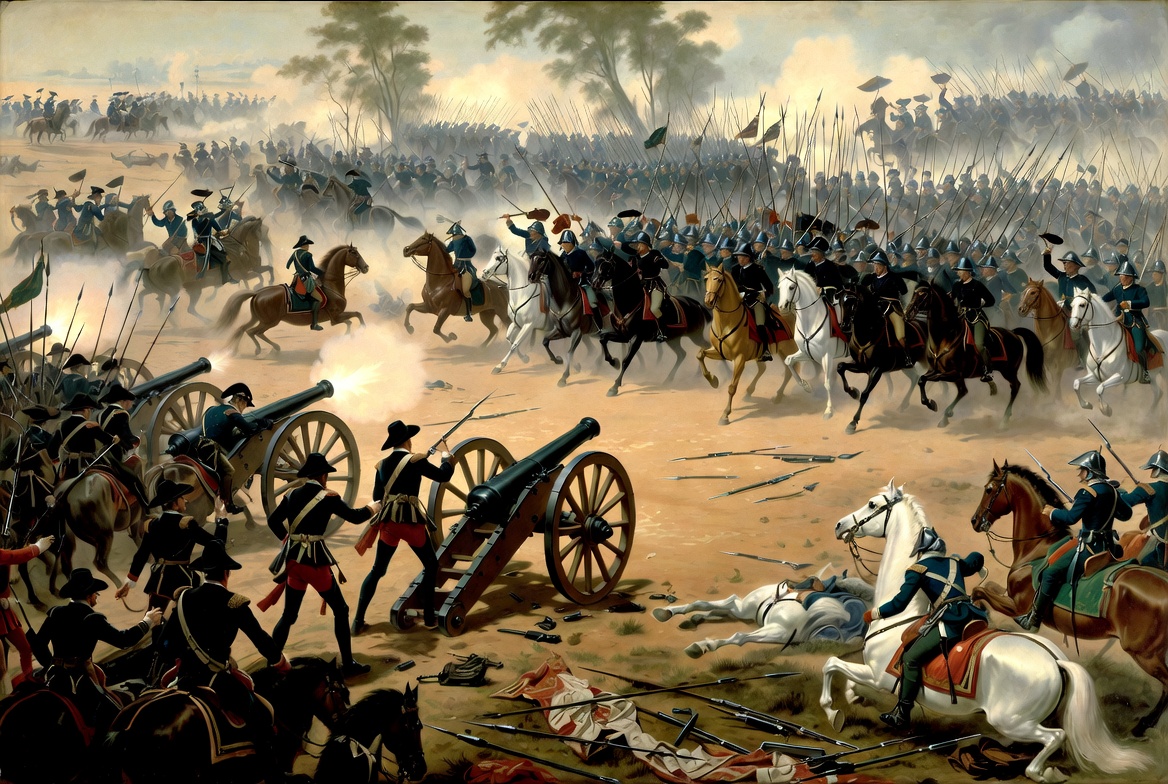 ### Aftermath: Independence Secured
Montes Claros broke Spanish will. No more major invasions. Skirmishes continued, but the path to the Treaty of Lisbon (1668) was clear. Spain recognized the Braganza dynasty. Portugal kept its sovereignty, empire (minus some losses), and identity. Marialva and Schomberg became legends. The battle is commemorated in Portuguese military history as one of its greatest, akin to Aljubarrota.
It wasn't just military; it was psychological. A smaller power, using terrain, reserves, combined arms, alliances, and grit, outlasted a fading empire. Philip IV died soon after; Spain shifted focus.
### Applying the Montes Claros Mindset: Specific, Battle-Tested Benefits for Your Life
History's value isn't dusty facts—it's a laboratory of human endurance. The defenders at Montes Claros weren't supermen; they were farmers, merchants, nobles, and mercenaries who chose preparation, adaptability, and collective resolve over despair. Here's how you channel that today, with unique, non-cookie-cutter tactics grounded in the battle's realities (no "hustle culture" bromides or vague affirmations).
- **Terrain as Your Ally (Choose and Shape Your Battlefield):** Marialva didn't fight on open plains where Spanish cavalry excelled; he picked (and fortified) a constricted spot. In life, audit your "terrain"—work, health, finances, relationships. Stop charging into enemies' strengths (e.g., endless social media comparison if you're drained by it). Instead, build personal "ridges and vineyards": Curate a focused daily environment (specific workspace, no-phone hours, support network) that limits distractions and amplifies your skills. Unique plan step: Map your week like a battlefield sketch—identify 2-3 chokepoints where you excel (e.g., deep work mornings) and defend them ruthlessly with physical barriers or rules, just as Portuguese used hills and walls.
- **Reserves and Redeployment (Build Flexible Depth, Not Just Frontline Hustle):** Portuguese lines bent but didn't break because of second and third lines plus Schomberg's rapid shifts. Most people burn out on one front. Cultivate "reserves": Backup energy (sleep protocols, micro-habits like 5-minute resets), skills (side knowledge for pivots), and people (mentors or accountability without drama). Unique plan: Implement a "Schomberg Rotation"—weekly review where you reassign personal "troops" (time/energy) from failing sectors to promising ones. Track in a simple notebook: What broke today? How do reserves plug it tomorrow? This beats rigid goal lists by emphasizing adaptive command.
- **Combined Arms Synergy (Integrate, Don't Isolate Efforts):** Artillery supported infantry; cavalry countered when ready. Siloed efforts fail. Link your "weapons": Pair physical health with mental (e.g., walks for idea generation), finances with skills (learn while earning). Unique plan: Create a "Montes Claros Integration Log"—one page weekly listing 3 core areas (e.g., career, health, creativity). For each, note one cross-support action (e.g., podcast on history while meal-prepping for discipline). Review monthly for compounding victories, turning isolated struggles into interlocking victories.
- **Endure the Nine Hours (Sustained Grit with Exit Ramps):** The battle wasn't quick glory; it was hours of holding, then striking. Build stamina for marathons, not sprints. Unique plan: Adopt "Phase Endurance"—break big goals into documented phases with built-in rallies (post-phase rewards tied to effort, not outcomes). When "charges" hit (setbacks), use Portuguese-style consolidation: Pause, reform lines (journal facts vs. fears), then counter. Track "hours held" in a streak log to gamify persistence without toxic positivity.
### Aftermath: Independence Secured
Montes Claros broke Spanish will. No more major invasions. Skirmishes continued, but the path to the Treaty of Lisbon (1668) was clear. Spain recognized the Braganza dynasty. Portugal kept its sovereignty, empire (minus some losses), and identity. Marialva and Schomberg became legends. The battle is commemorated in Portuguese military history as one of its greatest, akin to Aljubarrota.
It wasn't just military; it was psychological. A smaller power, using terrain, reserves, combined arms, alliances, and grit, outlasted a fading empire. Philip IV died soon after; Spain shifted focus.
### Applying the Montes Claros Mindset: Specific, Battle-Tested Benefits for Your Life
History's value isn't dusty facts—it's a laboratory of human endurance. The defenders at Montes Claros weren't supermen; they were farmers, merchants, nobles, and mercenaries who chose preparation, adaptability, and collective resolve over despair. Here's how you channel that today, with unique, non-cookie-cutter tactics grounded in the battle's realities (no "hustle culture" bromides or vague affirmations).
- **Terrain as Your Ally (Choose and Shape Your Battlefield):** Marialva didn't fight on open plains where Spanish cavalry excelled; he picked (and fortified) a constricted spot. In life, audit your "terrain"—work, health, finances, relationships. Stop charging into enemies' strengths (e.g., endless social media comparison if you're drained by it). Instead, build personal "ridges and vineyards": Curate a focused daily environment (specific workspace, no-phone hours, support network) that limits distractions and amplifies your skills. Unique plan step: Map your week like a battlefield sketch—identify 2-3 chokepoints where you excel (e.g., deep work mornings) and defend them ruthlessly with physical barriers or rules, just as Portuguese used hills and walls.
- **Reserves and Redeployment (Build Flexible Depth, Not Just Frontline Hustle):** Portuguese lines bent but didn't break because of second and third lines plus Schomberg's rapid shifts. Most people burn out on one front. Cultivate "reserves": Backup energy (sleep protocols, micro-habits like 5-minute resets), skills (side knowledge for pivots), and people (mentors or accountability without drama). Unique plan: Implement a "Schomberg Rotation"—weekly review where you reassign personal "troops" (time/energy) from failing sectors to promising ones. Track in a simple notebook: What broke today? How do reserves plug it tomorrow? This beats rigid goal lists by emphasizing adaptive command.
- **Combined Arms Synergy (Integrate, Don't Isolate Efforts):** Artillery supported infantry; cavalry countered when ready. Siloed efforts fail. Link your "weapons": Pair physical health with mental (e.g., walks for idea generation), finances with skills (learn while earning). Unique plan: Create a "Montes Claros Integration Log"—one page weekly listing 3 core areas (e.g., career, health, creativity). For each, note one cross-support action (e.g., podcast on history while meal-prepping for discipline). Review monthly for compounding victories, turning isolated struggles into interlocking victories.
- **Endure the Nine Hours (Sustained Grit with Exit Ramps):** The battle wasn't quick glory; it was hours of holding, then striking. Build stamina for marathons, not sprints. Unique plan: Adopt "Phase Endurance"—break big goals into documented phases with built-in rallies (post-phase rewards tied to effort, not outcomes). When "charges" hit (setbacks), use Portuguese-style consolidation: Pause, reform lines (journal facts vs. fears), then counter. Track "hours held" in a streak log to gamify persistence without toxic positivity.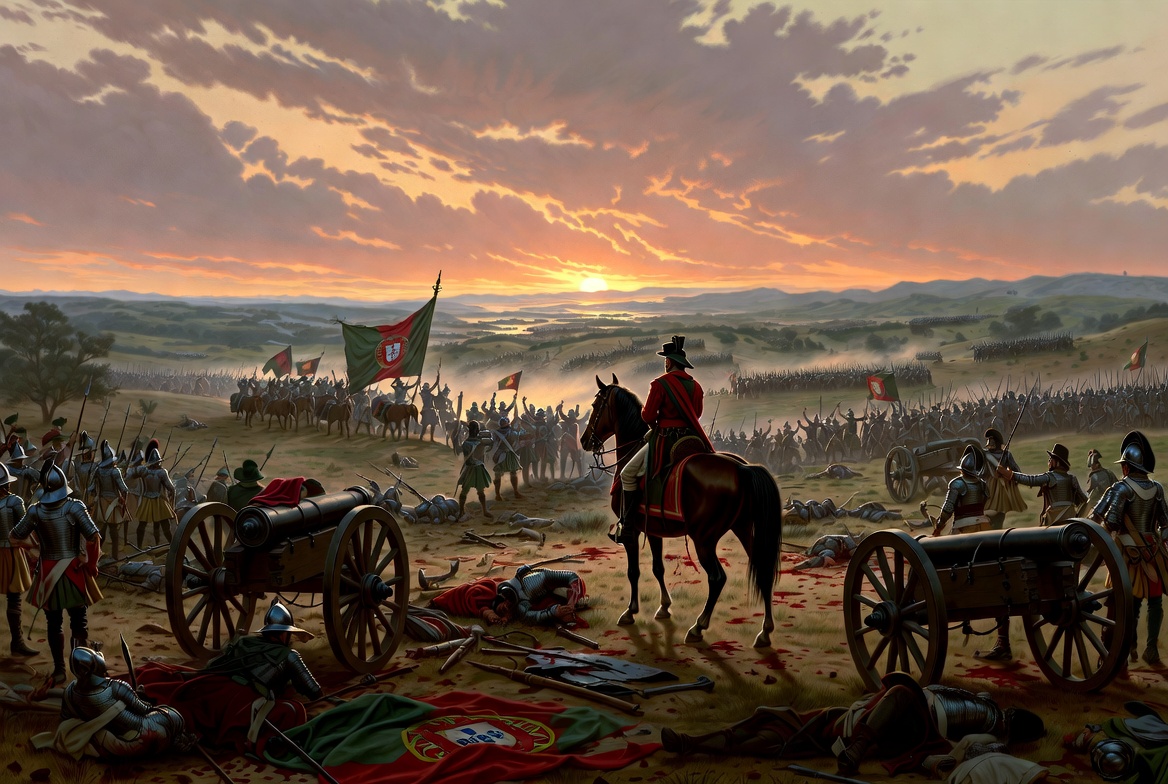 - **Alliances Without Dependency (Leverage Smart Partnerships):** English troops and Schomberg were force multipliers, not saviors. Seek collaborators who add specific value without ceding command. Unique plan: Vet "auxiliaries" quarterly—does this person/network/tool amplify your core strengths? Formalize with micro-contracts or clear expectations, mirroring military integration. Cut dead weight fast, like unused supply lines.
- **Post-Victory Consolidation (Secure Gains, Avoid Overreach):** After routing the Spanish, Portuguese didn't chase endlessly; they consolidated for peace. Celebrate wins by locking them in (systems, habits) before new campaigns. Unique plan: After any milestone, run a 48-hour "Treaty Protocol"—document lessons, fortify defenses against relapse (e.g., automation for new habits), and scout the next defensible position. This prevents the "what now?" void that undoes many triumphs.
This isn't generic advice; it's terrain-specific strategy from a real fight where underdogs won by outthinking, outlasting, and out-maneuvering. Apply even one element consistently, and your personal "Restoration" accelerates—independence from doubt, external pressures, or past defeats. On June 17, remember Montes Claros: The plain looked ordinary, but the stand there echoed for centuries. Your daily plains hold the same potential. Charge smartly, hold firmly, and claim your Nova Albion of self-mastery.
- **Alliances Without Dependency (Leverage Smart Partnerships):** English troops and Schomberg were force multipliers, not saviors. Seek collaborators who add specific value without ceding command. Unique plan: Vet "auxiliaries" quarterly—does this person/network/tool amplify your core strengths? Formalize with micro-contracts or clear expectations, mirroring military integration. Cut dead weight fast, like unused supply lines.
- **Post-Victory Consolidation (Secure Gains, Avoid Overreach):** After routing the Spanish, Portuguese didn't chase endlessly; they consolidated for peace. Celebrate wins by locking them in (systems, habits) before new campaigns. Unique plan: After any milestone, run a 48-hour "Treaty Protocol"—document lessons, fortify defenses against relapse (e.g., automation for new habits), and scout the next defensible position. This prevents the "what now?" void that undoes many triumphs.
This isn't generic advice; it's terrain-specific strategy from a real fight where underdogs won by outthinking, outlasting, and out-maneuvering. Apply even one element consistently, and your personal "Restoration" accelerates—independence from doubt, external pressures, or past defeats. On June 17, remember Montes Claros: The plain looked ordinary, but the stand there echoed for centuries. Your daily plains hold the same potential. Charge smartly, hold firmly, and claim your Nova Albion of self-mastery.