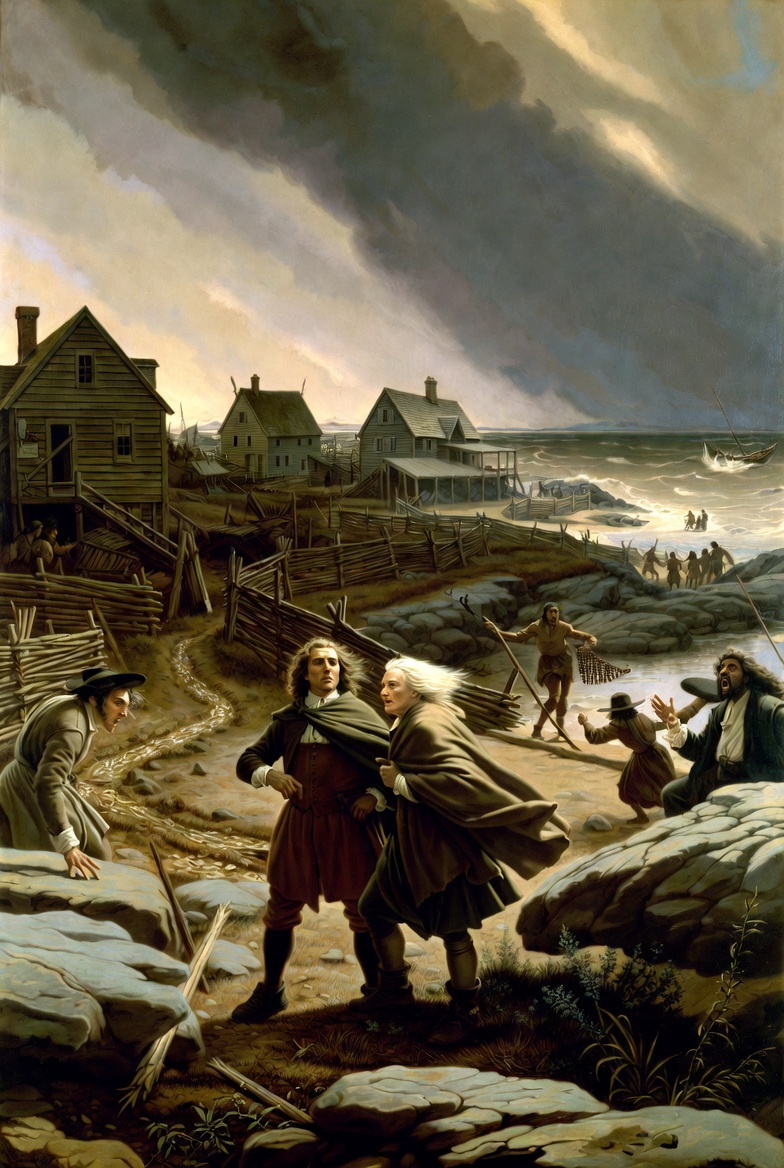
In the spring of 1652, the tiny, fractious settlements clinging to the western shore of Narragansett Bay looked nothing like the prosperous merchant empire they would one day become. Warwick and Providence were little more than clusters of clapboard houses, muddy paths, and defiant wills. Religious radicals, banished from the stricter colonies to the north, had carved out a precarious experiment in liberty. On May 18 of that year, in the makeshift meetinghouse of the General Court at Warwick, these same radicals did something audacious, unprecedented, and—ultimately—ignored. They passed the first law in any English colony in North America that declared perpetual slavery illegal.
The statute was blunt and sweeping for its time. No “blacke mankind or white” could be forced by covenant, bond, or any other means to serve any man or his assigns longer than ten years—or until they reached the age of twenty-four if they had been taken in under fourteen. Violators faced a stiff forty-pound fine payable to the colony. The language made no distinction between African captives and English indentured servants. For a fleeting moment, Rhode Island stood alone as the first colonial body to reject the idea that one human being could own another forever. The ink was barely dry before the law slipped into the historical shadows, unenforced and soon superseded. Yet that single afternoon’s decision, born of radical theology, frontier pragmatism, and sheer cussed independence, offers one of the strangest and most instructive footnotes in early American history. To understand why this happened on May 18, 1652, you have to step back into the chaotic world of the 1630s and 1640s, when Massachusetts Bay was busy banishing anyone who dared question the Puritan establishment. Roger Williams, the fiery preacher who insisted that civil government had no business policing souls, fled into the wilderness in 1636 and planted Providence on the banks of the Seekonk River. He bought land fairly from the Narragansett sachems and declared the settlement open to “all who were distressed of conscience.” Anne Hutchinson followed soon after, preaching that God spoke directly to individuals rather than through ministers or magistrates; she too was tried for heresy and expelled. Samuel Gorton, perhaps the wildest of the bunch, arrived in 1637 carrying a grudge the size of the Atlantic. Gorton rejected organized churches, infant baptism, and earthly hierarchies altogether. He called Puritan ministers “hireling priests” and civil authorities “usurpers.” Massachusetts chased him from town to town; Plymouth tried him for blasphemy; he was whipped, imprisoned, and nearly executed. By 1642 he and his followers purchased Shawomet (later Warwick) from the Narragansetts and named it after the Earl of Warwick, who had helped secure their royal patent against Massachusetts’ claims.
These were not your average settlers. They were theological bomb-throwers who had already bet their lives on the radical notion that conscience must be free. In such a place, the idea that one man could own another in perpetuity sat uneasily beside their hard-won principles. By the early 1650s the population of the four towns—Providence, Portsmouth, Newport, and Warwick—was still under two thousand souls. Most were English, a handful were Africans brought as servants, and a scattering of Native people lived among them. Slavery as a formal institution was not yet entrenched; chattel slavery was still an evolving horror imported from the Caribbean sugar islands. What existed was a messy patchwork of indentures, captives taken in the Pequot War, and a few Africans purchased as lifetime servants. The radicals in Warwick saw an opening to draw a line.
On May 18, 1652, the General Court of Election convened in Warwick with Samuel Gorton himself serving as moderator and president. The session lasted three days amid the usual colonial business: land disputes, fence regulations, and complaints about stray livestock. Buried among the mundane orders came the extraordinary statute. The exact wording, preserved in the colony’s records, rings with the moral clarity of men who had themselves been hounded for their beliefs: “Whereas there is a common course practised amongst Englishmen to buy negers to that end that they may have them for service or slaves forever; for the preventinge of such practices among us, let it be ordered, that no blacke mankind or white being forced by covenant bond, or otherwise, to serve any man or his assignes longer than ten years, or untill they come to be twenty four years of age, if they be taken in under fourteen, from the time of their coming within the jurisdiction of this Collonie; and at the end or terme of ten years, or twenty four years if under fourteen at the time of their coming, they shall be set free, as the manner is with English servants. And that man that will not let them goe free after the said terme of ten years, or twenty four years if under fourteen, shall forfeit to the Collonie forty pounds.”
To understand why this happened on May 18, 1652, you have to step back into the chaotic world of the 1630s and 1640s, when Massachusetts Bay was busy banishing anyone who dared question the Puritan establishment. Roger Williams, the fiery preacher who insisted that civil government had no business policing souls, fled into the wilderness in 1636 and planted Providence on the banks of the Seekonk River. He bought land fairly from the Narragansett sachems and declared the settlement open to “all who were distressed of conscience.” Anne Hutchinson followed soon after, preaching that God spoke directly to individuals rather than through ministers or magistrates; she too was tried for heresy and expelled. Samuel Gorton, perhaps the wildest of the bunch, arrived in 1637 carrying a grudge the size of the Atlantic. Gorton rejected organized churches, infant baptism, and earthly hierarchies altogether. He called Puritan ministers “hireling priests” and civil authorities “usurpers.” Massachusetts chased him from town to town; Plymouth tried him for blasphemy; he was whipped, imprisoned, and nearly executed. By 1642 he and his followers purchased Shawomet (later Warwick) from the Narragansetts and named it after the Earl of Warwick, who had helped secure their royal patent against Massachusetts’ claims.
These were not your average settlers. They were theological bomb-throwers who had already bet their lives on the radical notion that conscience must be free. In such a place, the idea that one man could own another in perpetuity sat uneasily beside their hard-won principles. By the early 1650s the population of the four towns—Providence, Portsmouth, Newport, and Warwick—was still under two thousand souls. Most were English, a handful were Africans brought as servants, and a scattering of Native people lived among them. Slavery as a formal institution was not yet entrenched; chattel slavery was still an evolving horror imported from the Caribbean sugar islands. What existed was a messy patchwork of indentures, captives taken in the Pequot War, and a few Africans purchased as lifetime servants. The radicals in Warwick saw an opening to draw a line.
On May 18, 1652, the General Court of Election convened in Warwick with Samuel Gorton himself serving as moderator and president. The session lasted three days amid the usual colonial business: land disputes, fence regulations, and complaints about stray livestock. Buried among the mundane orders came the extraordinary statute. The exact wording, preserved in the colony’s records, rings with the moral clarity of men who had themselves been hounded for their beliefs: “Whereas there is a common course practised amongst Englishmen to buy negers to that end that they may have them for service or slaves forever; for the preventinge of such practices among us, let it be ordered, that no blacke mankind or white being forced by covenant bond, or otherwise, to serve any man or his assignes longer than ten years, or untill they come to be twenty four years of age, if they be taken in under fourteen, from the time of their coming within the jurisdiction of this Collonie; and at the end or terme of ten years, or twenty four years if under fourteen at the time of their coming, they shall be set free, as the manner is with English servants. And that man that will not let them goe free after the said terme of ten years, or twenty four years if under fourteen, shall forfeit to the Collonie forty pounds.” It was revolutionary on paper. No other English colony had dared such language. Massachusetts had legalized slavery in 1641. Virginia and Maryland were already codifying racial bondage. Rhode Island’s radicals chose the opposite path—at least rhetorically. Historians debate the exact motives. Some see genuine humanitarianism rooted in Gorton’s belief that all souls were equal before God. Others point to practical politics: the law helped distinguish the “lively experiment” of Rhode Island from its overbearing Puritan neighbors. Still others note the small number of enslaved people at the time; it was easy to legislate when the economic stakes were low. Whatever the blend of idealism and expediency, the edict passed. For one shining afternoon in a smoky meetinghouse, perpetual servitude was outlawed in an English colony.
Then reality set in. The law was municipal, applying only to Providence and Warwick, not the entire colony. Enforcement mechanisms were nonexistent. No records survive of anyone being prosecuted under it. Within a decade the statute was quietly ignored. By 1703 the Rhode Island General Assembly had passed new legislation explicitly recognizing the enslavement of Black and Native people. The 1652 edict became a historical curiosity, trotted out occasionally by abolitionists but otherwise forgotten. Meanwhile, the colony that had once banned perpetual bondage pivoted hard in the opposite direction. Newport and Bristol exploded into the epicenter of the North American slave trade.
The numbers are staggering. Between 1700 and 1807, Rhode Island merchants dispatched more than nine hundred slaving voyages—roughly half of all American voyages and nearly 10 percent of the entire British trade. Newport alone boasted twenty-two rum distilleries by the 1770s. The triangular trade was brutally efficient: cheap molasses from the Caribbean was distilled into high-proof rum in Rhode Island; the rum was shipped to West Africa and traded for captives; the captives were packed into ships for the Middle Passage to the sugar islands; sugar and more molasses came back to fuel the distilleries. It was a perfect, vicious circle greased by Rhode Island ingenuity.
Specific ships and captains bring the horror home. In 1764 the Brown family of Providence—whose fortune would later endow Brown University—sent the sloop *Sally* on its maiden slaving voyage. The ship left Newport with a cargo of rum and returned with 196 enslaved Africans after a voyage marked by disease, mutiny, and despair. More than half the captives died en route or shortly after arrival. The Browns’ own records detail the stench, the deaths, the casual brutality. Yet the family continued in the trade for years. Aaron Lopez, a Portuguese-Jewish merchant who had fled the Inquisition, became the single largest slave trader in North America. Between 1761 and 1774 Lopez dispatched at least twenty-one voyages carrying thousands of souls. His ships bore names like *Hope*, *Lively*, and *Mary*—ironic labels for vessels carrying human cargo into lifelong darkness. The DeWolf family of Bristol later dominated the trade, sending ships as late as the 1820s despite federal bans. One DeWolf captain, James, once threw a sick enslaved woman overboard to collect insurance rather than risk losing the entire cargo.
The economic windfall was enormous. Slave-trade profits built mansions on Newport’s waterfront, funded churches, and endowed colleges. Rum from Rhode Island distilleries became the preferred currency on the African coast. Iron bars, guns, and cloth completed the outbound cargoes. The human cost defies easy description: cramped holds, dysentery, suicide, the casual rape of women and girls. Yet back in Newport, merchants toasted their success with the very rum that had bought the captives. The irony was lost on almost no one who bothered to notice. The colony that had once declared “no blacke mankind” should be enslaved forever had become the most enthusiastic participant in the traffic.
It was revolutionary on paper. No other English colony had dared such language. Massachusetts had legalized slavery in 1641. Virginia and Maryland were already codifying racial bondage. Rhode Island’s radicals chose the opposite path—at least rhetorically. Historians debate the exact motives. Some see genuine humanitarianism rooted in Gorton’s belief that all souls were equal before God. Others point to practical politics: the law helped distinguish the “lively experiment” of Rhode Island from its overbearing Puritan neighbors. Still others note the small number of enslaved people at the time; it was easy to legislate when the economic stakes were low. Whatever the blend of idealism and expediency, the edict passed. For one shining afternoon in a smoky meetinghouse, perpetual servitude was outlawed in an English colony.
Then reality set in. The law was municipal, applying only to Providence and Warwick, not the entire colony. Enforcement mechanisms were nonexistent. No records survive of anyone being prosecuted under it. Within a decade the statute was quietly ignored. By 1703 the Rhode Island General Assembly had passed new legislation explicitly recognizing the enslavement of Black and Native people. The 1652 edict became a historical curiosity, trotted out occasionally by abolitionists but otherwise forgotten. Meanwhile, the colony that had once banned perpetual bondage pivoted hard in the opposite direction. Newport and Bristol exploded into the epicenter of the North American slave trade.
The numbers are staggering. Between 1700 and 1807, Rhode Island merchants dispatched more than nine hundred slaving voyages—roughly half of all American voyages and nearly 10 percent of the entire British trade. Newport alone boasted twenty-two rum distilleries by the 1770s. The triangular trade was brutally efficient: cheap molasses from the Caribbean was distilled into high-proof rum in Rhode Island; the rum was shipped to West Africa and traded for captives; the captives were packed into ships for the Middle Passage to the sugar islands; sugar and more molasses came back to fuel the distilleries. It was a perfect, vicious circle greased by Rhode Island ingenuity.
Specific ships and captains bring the horror home. In 1764 the Brown family of Providence—whose fortune would later endow Brown University—sent the sloop *Sally* on its maiden slaving voyage. The ship left Newport with a cargo of rum and returned with 196 enslaved Africans after a voyage marked by disease, mutiny, and despair. More than half the captives died en route or shortly after arrival. The Browns’ own records detail the stench, the deaths, the casual brutality. Yet the family continued in the trade for years. Aaron Lopez, a Portuguese-Jewish merchant who had fled the Inquisition, became the single largest slave trader in North America. Between 1761 and 1774 Lopez dispatched at least twenty-one voyages carrying thousands of souls. His ships bore names like *Hope*, *Lively*, and *Mary*—ironic labels for vessels carrying human cargo into lifelong darkness. The DeWolf family of Bristol later dominated the trade, sending ships as late as the 1820s despite federal bans. One DeWolf captain, James, once threw a sick enslaved woman overboard to collect insurance rather than risk losing the entire cargo.
The economic windfall was enormous. Slave-trade profits built mansions on Newport’s waterfront, funded churches, and endowed colleges. Rum from Rhode Island distilleries became the preferred currency on the African coast. Iron bars, guns, and cloth completed the outbound cargoes. The human cost defies easy description: cramped holds, dysentery, suicide, the casual rape of women and girls. Yet back in Newport, merchants toasted their success with the very rum that had bought the captives. The irony was lost on almost no one who bothered to notice. The colony that had once declared “no blacke mankind” should be enslaved forever had become the most enthusiastic participant in the traffic.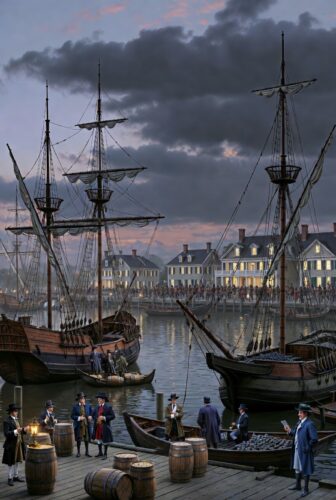 Samuel Gorton lived long enough to see the law he helped pass fade into irrelevance. He died in 1677, still preaching equality and still feuding with authorities. Roger Williams outlived him by a few years, growing increasingly disillusioned with the very liberty he had championed. By the time of the American Revolution, Rhode Island’s enslaved population—though never as large as in the South—formed a higher percentage of the total than anywhere else in New England. The contradiction sat uneasily beside the colony’s revolutionary rhetoric. In 1774 the General Assembly finally banned further importation of enslaved people, but the trade continued illegally. Gradual emancipation came in 1784, yet full legal freedom for all enslaved Rhode Islanders did not arrive until the 1840s. The 1652 edict had been a spark that refused to catch fire.
Why did it fail? The simplest answer is economics. The sugar islands of the Caribbean created insatiable demand for labor. Rum distilleries needed markets. Merchants needed profits. Ideals were cheap; forty-pound fines were avoidable. The colony’s decentralized government lacked the will or the apparatus to enforce such a sweeping decree. Political instability—charter disputes, boundary wars with Massachusetts and Connecticut—left little energy for moral crusades. And perhaps most damning, the radicals who passed the law were never numerous enough or powerful enough to impose their vision on the merchant class that soon dominated Newport and Bristol. The edict was a declaration of principle without teeth. It was freedom proclaimed but not policed.
That failure, however, is precisely what makes the story so richly human and so strangely contemporary. Rhode Island’s founders knew what it felt like to be persecuted for their beliefs. They had fled “perpetual servitude” to conscience. Yet when the opportunity arose to extend that same logic to others, they wrote the law, congratulated themselves, and then went back to business as usual. The gap between their rhetoric and their reality yawns across the centuries like a chasm. It is the same chasm that appears in every human life between what we say we believe and what we actually do when the rum is flowing and the profits are calling.
Fast-forward three hundred seventy-four years. The May 18, 1652 edict still sits in the archives, a yellowed reminder that bold declarations are worthless without relentless enforcement. The lesson is not dusty history; it is a practical blueprint for anyone tired of being chained to their own worst habits, toxic commitments, or self-sabotaging patterns. The Rhode Island radicals understood something profound: servitude becomes perpetual only when you stop insisting on an end date. They tried—however imperfectly—to build guardrails into the system. You can do the same in your own life, but with the one thing they lacked: ironclad personal enforcement.
Samuel Gorton lived long enough to see the law he helped pass fade into irrelevance. He died in 1677, still preaching equality and still feuding with authorities. Roger Williams outlived him by a few years, growing increasingly disillusioned with the very liberty he had championed. By the time of the American Revolution, Rhode Island’s enslaved population—though never as large as in the South—formed a higher percentage of the total than anywhere else in New England. The contradiction sat uneasily beside the colony’s revolutionary rhetoric. In 1774 the General Assembly finally banned further importation of enslaved people, but the trade continued illegally. Gradual emancipation came in 1784, yet full legal freedom for all enslaved Rhode Islanders did not arrive until the 1840s. The 1652 edict had been a spark that refused to catch fire.
Why did it fail? The simplest answer is economics. The sugar islands of the Caribbean created insatiable demand for labor. Rum distilleries needed markets. Merchants needed profits. Ideals were cheap; forty-pound fines were avoidable. The colony’s decentralized government lacked the will or the apparatus to enforce such a sweeping decree. Political instability—charter disputes, boundary wars with Massachusetts and Connecticut—left little energy for moral crusades. And perhaps most damning, the radicals who passed the law were never numerous enough or powerful enough to impose their vision on the merchant class that soon dominated Newport and Bristol. The edict was a declaration of principle without teeth. It was freedom proclaimed but not policed.
That failure, however, is precisely what makes the story so richly human and so strangely contemporary. Rhode Island’s founders knew what it felt like to be persecuted for their beliefs. They had fled “perpetual servitude” to conscience. Yet when the opportunity arose to extend that same logic to others, they wrote the law, congratulated themselves, and then went back to business as usual. The gap between their rhetoric and their reality yawns across the centuries like a chasm. It is the same chasm that appears in every human life between what we say we believe and what we actually do when the rum is flowing and the profits are calling.
Fast-forward three hundred seventy-four years. The May 18, 1652 edict still sits in the archives, a yellowed reminder that bold declarations are worthless without relentless enforcement. The lesson is not dusty history; it is a practical blueprint for anyone tired of being chained to their own worst habits, toxic commitments, or self-sabotaging patterns. The Rhode Island radicals understood something profound: servitude becomes perpetual only when you stop insisting on an end date. They tried—however imperfectly—to build guardrails into the system. You can do the same in your own life, but with the one thing they lacked: ironclad personal enforcement. Think of every bad habit, dead-end relationship, soul-crushing job, or endless scroll as a form of self-imposed perpetual servitude. The voice that whispers “just one more year” or “I’ll quit when things calm down” is the colonial merchant rationalizing another rum voyage. The 1652 law offers a radical counter: set a hard term limit. Ten years maximum. Or age twenty-four if the bondage began in youth. After that, freedom is mandatory. No extensions without a formal hearing and a steep penalty.
Here is the unique plan—no vision boards, no morning routines copied from influencers, no generic “manifest your best life.” Call it the Warwick 10-Year Liberty Charter. It is legalistic, quirky, and ruthlessly practical, modeled on the exact structure the General Court used in 1652. Implement it in seven days and watch invisible chains snap.
**Day 1 – Draft the Edict.** Sit down with pen and paper (yes, paper) and write your personal statute in the same blunt language. List every area of “perpetual servitude”: the job you hate but “can’t leave yet,” the relationship that drains you but feels too familiar to end, the doom-scrolling that eats two hours nightly, the procrastination that turns every project into an endless indenture. For each, declare an exact expiration date—no later than ten years from today or age twenty-four if the habit started young. Sign it like a colonial charter. Date it May 18 in honor of the original.
**Day 2 – Appoint Your General Court.** The Rhode Island law required a court to enforce it. You need one too. Recruit one or two accountability “assistants” (friends, spouse, or even a paid coach) who will meet with you quarterly. Their job is not cheerleading; it is to impose the forty-pound penalty—literal cash donated to a charity you despise—if you violate the term limit. Make the fine hurt. Post the edict on your wall where the court can see it.
**Day 3 – Negotiate with the Narragansetts.** In 1642 Gorton bought land fairly from the local sachems instead of stealing it. Translate that: sit down with your own inner “landlords”—the fears, excuses, and sunk-cost fallacies that claim ownership of your time. Write them a formal letter (again, paper) explaining why you are reclaiming sovereignty. Read it aloud. Burn it ceremonially if you like. The point is psychological transfer of title.
**Day 4 – Run the Rum Distilleries Out of Business.** Identify the economic incentives keeping your chains intact. The rum was the profit engine. What is yours? The paycheck that keeps you in the bad job? The dopamine from endless notifications? Cut the supply line. Cancel the subscription, block the app, tell your boss you’re exploring options. Starve the system that profits from your servitude.
**Day 5 – Build the Guardrails.** The original law capped terms at ten years or age twenty-four. Translate that into micro-rules. If your bad habit is social media, limit it to ten minutes daily after today—period. If it’s a toxic friendship, schedule the final conversation within ninety days. Write the rules in the same terse colonial prose and tape them next to your edict.
**Day 6 – Hold the First Court Session.** Gather your assistants. Read the edict aloud. Review progress. Impose any fines immediately and publicly. Laugh about the absurdity—this is where the humor kicks in. You are role-playing 17th-century radicals while fixing your Netflix addiction. The ridiculousness makes it memorable.
**Day 7 – Launch the Triangular Trade in Reverse.** Turn the old profit engine against itself. Every time you honor a term limit, reward yourself with something that funds future freedom—seed money for a side hustle, a class, or a vacation that reminds you what liberty feels like. The cycle now flows toward liberation instead of bondage.
The beauty of this plan is its anti-self-help DNA. It does not promise overnight transformation or infinite positivity. It demands you act like a cantankerous 17th-century dissenter who has already been whipped, banished, and nearly hanged for his principles. It accepts that you will want to ignore your own edict the moment the “rum” (comfort, money, familiarity) starts flowing. That is why the forty-pound fine and the court exist. Enforcement is the entire game.
Think of every bad habit, dead-end relationship, soul-crushing job, or endless scroll as a form of self-imposed perpetual servitude. The voice that whispers “just one more year” or “I’ll quit when things calm down” is the colonial merchant rationalizing another rum voyage. The 1652 law offers a radical counter: set a hard term limit. Ten years maximum. Or age twenty-four if the bondage began in youth. After that, freedom is mandatory. No extensions without a formal hearing and a steep penalty.
Here is the unique plan—no vision boards, no morning routines copied from influencers, no generic “manifest your best life.” Call it the Warwick 10-Year Liberty Charter. It is legalistic, quirky, and ruthlessly practical, modeled on the exact structure the General Court used in 1652. Implement it in seven days and watch invisible chains snap.
**Day 1 – Draft the Edict.** Sit down with pen and paper (yes, paper) and write your personal statute in the same blunt language. List every area of “perpetual servitude”: the job you hate but “can’t leave yet,” the relationship that drains you but feels too familiar to end, the doom-scrolling that eats two hours nightly, the procrastination that turns every project into an endless indenture. For each, declare an exact expiration date—no later than ten years from today or age twenty-four if the habit started young. Sign it like a colonial charter. Date it May 18 in honor of the original.
**Day 2 – Appoint Your General Court.** The Rhode Island law required a court to enforce it. You need one too. Recruit one or two accountability “assistants” (friends, spouse, or even a paid coach) who will meet with you quarterly. Their job is not cheerleading; it is to impose the forty-pound penalty—literal cash donated to a charity you despise—if you violate the term limit. Make the fine hurt. Post the edict on your wall where the court can see it.
**Day 3 – Negotiate with the Narragansetts.** In 1642 Gorton bought land fairly from the local sachems instead of stealing it. Translate that: sit down with your own inner “landlords”—the fears, excuses, and sunk-cost fallacies that claim ownership of your time. Write them a formal letter (again, paper) explaining why you are reclaiming sovereignty. Read it aloud. Burn it ceremonially if you like. The point is psychological transfer of title.
**Day 4 – Run the Rum Distilleries Out of Business.** Identify the economic incentives keeping your chains intact. The rum was the profit engine. What is yours? The paycheck that keeps you in the bad job? The dopamine from endless notifications? Cut the supply line. Cancel the subscription, block the app, tell your boss you’re exploring options. Starve the system that profits from your servitude.
**Day 5 – Build the Guardrails.** The original law capped terms at ten years or age twenty-four. Translate that into micro-rules. If your bad habit is social media, limit it to ten minutes daily after today—period. If it’s a toxic friendship, schedule the final conversation within ninety days. Write the rules in the same terse colonial prose and tape them next to your edict.
**Day 6 – Hold the First Court Session.** Gather your assistants. Read the edict aloud. Review progress. Impose any fines immediately and publicly. Laugh about the absurdity—this is where the humor kicks in. You are role-playing 17th-century radicals while fixing your Netflix addiction. The ridiculousness makes it memorable.
**Day 7 – Launch the Triangular Trade in Reverse.** Turn the old profit engine against itself. Every time you honor a term limit, reward yourself with something that funds future freedom—seed money for a side hustle, a class, or a vacation that reminds you what liberty feels like. The cycle now flows toward liberation instead of bondage.
The beauty of this plan is its anti-self-help DNA. It does not promise overnight transformation or infinite positivity. It demands you act like a cantankerous 17th-century dissenter who has already been whipped, banished, and nearly hanged for his principles. It accepts that you will want to ignore your own edict the moment the “rum” (comfort, money, familiarity) starts flowing. That is why the forty-pound fine and the court exist. Enforcement is the entire game. Rhode Island’s 1652 experiment failed because the radicals lacked the stomach to police their own decree when profits beckoned. You do not have to repeat their mistake. Your life is smaller than a colony but infinitely more important to you. On May 18, 1652, a handful of outcasts in a muddy settlement declared that no human being should be owned forever. Today you can declare the same thing to the parts of yourself that have been serving the wrong masters far too long.
The edict is waiting in the archives of your own resolve. Dust it off, sign it, enforce it. Ten years is plenty of time to serve any habit. After that, the law demands freedom. And unlike the merchants of Newport, you have no excuse not to obey it. The rum is in your hands now. Pour it out, or keep distilling your own chains. The choice, as always in Rhode Island history, is yours alone.
Rhode Island’s 1652 experiment failed because the radicals lacked the stomach to police their own decree when profits beckoned. You do not have to repeat their mistake. Your life is smaller than a colony but infinitely more important to you. On May 18, 1652, a handful of outcasts in a muddy settlement declared that no human being should be owned forever. Today you can declare the same thing to the parts of yourself that have been serving the wrong masters far too long.
The edict is waiting in the archives of your own resolve. Dust it off, sign it, enforce it. Ten years is plenty of time to serve any habit. After that, the law demands freedom. And unlike the merchants of Newport, you have no excuse not to obey it. The rum is in your hands now. Pour it out, or keep distilling your own chains. The choice, as always in Rhode Island history, is yours alone.