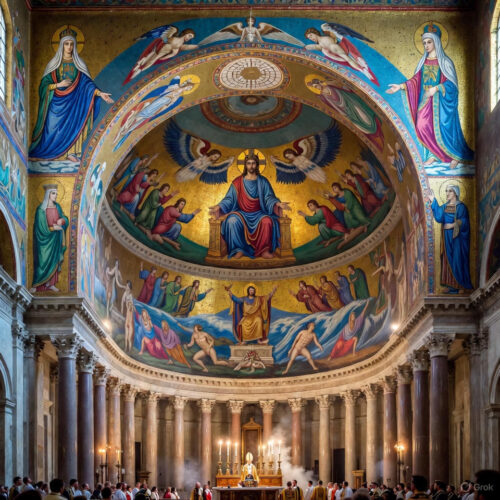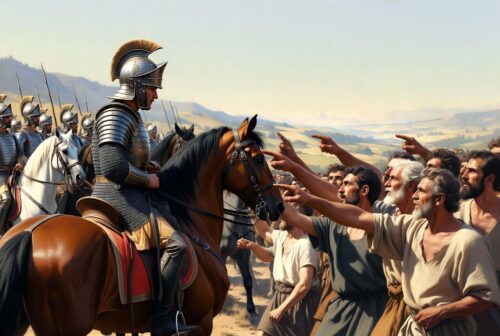

On May 26, 451 AD, on the wide, windswept plain of Avarayr in the ancient region of Vaspurakan, a ragtag but fiercely determined Armenian force of roughly 60,000 faced off against a colossal Sassanid Persian army estimated at over 200,000 strong. The day was Pentecost, a Christian feast commemorating the descent of the Holy Spirit. What unfolded was not merely another border skirmish in the endless tug-of-war between empires, but one of history's earliest and most profound battles fought explicitly in defense of religious conscience and cultural identity. The Battle of Avarayr stands as a towering milestone in Armenian history and, more broadly, in the chronicle of humanity's stubborn refusal to surrender its soul to superior force. Though the Armenians suffered a tactical defeat on the field—with their beloved commander Vardan Mamikonian falling among thousands of the slain—the Persians' "victory" proved so costly and pyrrhic that they ultimately abandoned their forced conversion campaign. Armenia retained the right to practice Christianity freely. This outcome reshaped the trajectory of a nation caught between the Roman/Byzantine West and the Persian East, preserving a distinct Armenian Christian identity that has endured invasions, genocides, and diasporas for over 1,500 years.### The Road to Avarayr: Empire, Faith, and Defiance in the 5th Century To understand the weight of that May day, we must travel back into the turbulent geopolitics of late antiquity. By the early 5th century, Greater Armenia had lost its independent Arsacid kingship. In 428 AD, the Sassanid shahanshah (king of kings) effectively ended the Armenian monarchy, turning much of the territory into a vassal state under Persian oversight. The Sassanids, fervent Zoroastrians, ruled a vast empire stretching from Mesopotamia to Central Asia, viewing religious uniformity as a pillar of political control. Yazdegerd II, who ascended the throne in 439, intensified this policy. Zoroastrianism, with its dualistic cosmology of light versus darkness, fire temples, and priestly magi, was the state religion. Christianity, which had taken root in Armenia since the early 4th century under King Tiridates III and St. Gregory the Illuminator (making Armenia the first nation to adopt it officially around 301 AD), represented both a spiritual threat and a potential vector for Byzantine influence. The Romans/Byzantines were rivals, and Christian Armenians might look westward for support. Tensions simmered for years. In 449, Yazdegerd II issued a decree demanding that Armenians abandon Christianity and embrace Zoroastrianism. Persian priests (magi) were dispatched to enforce the edict, destroying churches, seizing relics, and pressuring nobles. Many Armenian nakharars (hereditary princes and nobles) faced an impossible choice: loyalty to their Persian overlord or fidelity to their faith and people. A pivotal gathering occurred in the city of Artashat. Armenian nobles and clergy debated fiercely. A pro-Persian faction, led by Vasak Siwni (the marzpan or governor), urged compromise to avoid destruction. But a defiant coalition coalesced around Vardan Mamikonian, a seasoned military leader from one of Armenia's most illustrious noble houses. Vardan had previously served in the Persian army but now stood firmly with the Christian resistance.
The rebels sent appeals to the Byzantine emperor, but aid was not forthcoming—Constantinople had its own troubles and was wary of provoking full-scale war with Persia. Isolated, the Armenians prepared for the inevitable clash. They organized an army drawn from nobles, their retinues, peasants, and even some clergy. Spiritual leaders like the priest Ghevond (Leontius) provided moral fortitude, framing the struggle as a holy defense rather than mere rebellion. ### The Eve of Battle: Prayers, Resolve, and the Weight of History As spring 451 turned toward summer, Persian forces mobilized. An advance contingent crossed the Araxes River, while the main army—bolstered by elite units like the "Immortals," war elephants, and contingents from various subject peoples—assembled under commanders such as Mushkan Nusalavurd. The Armenian forces, outnumbered perhaps three or four to one, marched to the Avarayr Plain near the modern borders of Iran, Turkey, and Azerbaijan. Contemporary and near-contemporary accounts, notably by the historian Elishe (Ełiše) and Lazar Parpetsi, paint a vivid picture of the night before battle. The Armenians camped, shared what meager provisions they had, recited Psalms (especially the 23rd—"The Lord is my shepherd"), received communion, and listened to exhortations from Vardan and the clergy. Vardan's speech, preserved in tradition, rings with motivational fire even today: He reminded his men that they fought not for earthly glory but for the eternal truth of their faith. Death in battle would make them martyrs; survival would preserve their way of life. Accounts describe warriors embracing one another, confessing sins, and steeling themselves against overwhelming odds. This was no ragtag mob but a community united by conviction—nobles fighting alongside commoners, priests blessing swords.
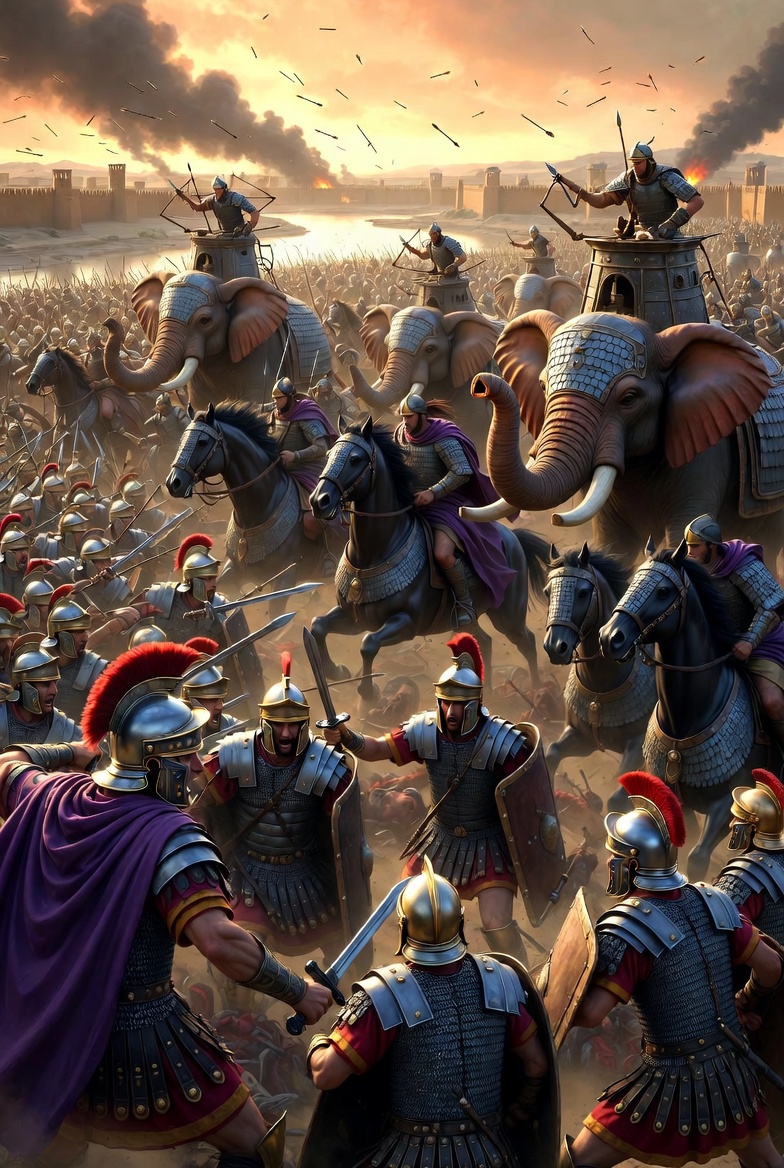
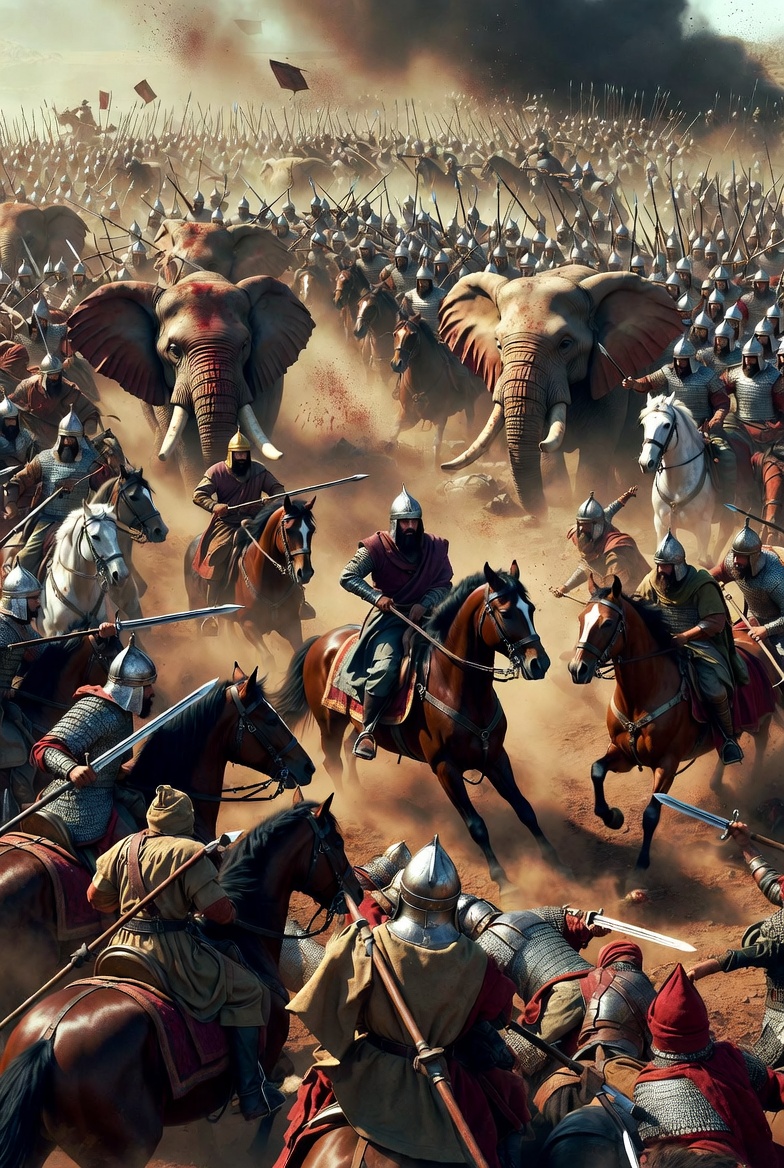
### The Clash on the Plain: Blood, Elephants, and Heroic Sacrifice Dawn broke on May 26. The battle opened with the thunder of Persian cavalry and the terrifying charge of war elephants, armored beasts used as mobile siege towers and psychological weapons. Armenian infantry formed tight ranks, supported by their own cavalry. The fighting was ferocious and chaotic, lasting much of the day. Vardan led from the front, cutting through Persian lines in a display of personal bravery. His warriors matched the ferocity, but numbers and Persian tactics—feigned retreats, flanking maneuvers, and the sheer weight of fresh troops—began to tell. The plain ran red with blood. Vardan himself fell, along with many other nobles and thousands of soldiers. Estimates of Armenian dead run into the tens of thousands; Persian losses were also heavy, perhaps even heavier proportionally, though their reserves allowed them to absorb the punishment. One poignant detail from the sources: As defeat became clear, surviving Armenians continued fighting in small groups, refusing surrender. The priest Ghevond and others were captured and later executed or imprisoned, becoming symbols of unyielding faith. The battlefield was a scene of carnage—broken spears, riderless horses, and the groans of the wounded under the open sky. ### Aftermath: Pyrrhic Triumph and Enduring Legacy Militarily, the Persians won the day. They advanced, imposed temporary control, and executed or exiled some leaders. Yet the cost was staggering. The Armenian resistance demonstrated such depth and popular support that enforcing Zoroastrianism proved untenable. Continued revolts and the heavy toll on Persian resources forced Yazdegerd II and his successors to relent. By later in the 5th century, a treaty or understanding allowed Armenians to practice Christianity openly, while nominally acknowledging Persian suzerainty. This was a profound moral and strategic victory. Armenia preserved its distinct Christian identity, which became central to its survival through subsequent centuries of Arab, Byzantine, Mongol, Turkic, and Russian domination. Vardan Mamikonian was canonized as a saint (St. Vardan), and the Battle of Avarayr is commemorated annually in the Armenian Apostolic Church as a feast of heroism and faith. It inspired later generations, from medieval chroniclers to 20th-century survivors of the Armenian Genocide, who saw echoes of Avarayr in their own struggles for survival and recognition. The battle also highlights the limits of imperial power. Even the mighty Sassanids—masters of a sophisticated, fire-worshipping empire with advanced administration, cavalry, and ideology—could not crush a people's will when rooted in shared conviction. It prefigured other faith-based resistances, like the early Christian martyrs under Rome or later defenders of conscience across cultures.
### Applying the Spirit of Avarayr to Your Life Today: Unconventional Victories in an Overwhelming World While 90% of this account dives deep into the dusty annals of 5th-century geopolitics, faith clashes, and battlefield grit, the remaining essence translates that ancient defiance into a blueprint for modern life. The Armenians didn't win by matching Persian numbers or technology. They won by refusing to yield their core identity, forcing the "victor" to blink first. This isn't generic self-help pablum about "positive thinking" or "hustle culture." It's a gritty, historically grounded strategy of asymmetric endurance—fighting smarter on your chosen ground, accepting tactical losses for strategic soul-preservation. Here are very specific bullet points on how a person today benefits from internalizing the Avarayr outcome: - **Embrace Pyrrhic "Losses" as Strategic Wins**: In your career, when a toxic boss or corporate machine demands you compromise your values (e.g., cutting ethical corners for a promotion), choose the "defeat" of walking away or speaking truth. Like the Armenians, the short-term cost (lost income, stalled advancement) can yield long-term freedom—better opportunities aligned with your principles, stronger reputation, and mental peace that compounds over decades. Track this by journaling one "Avarayr choice" quarterly and noting the unexpected doors it opens 6-18 months later. - **Build Alliances Across Divides Without Selling Out**: Vardan unified fractious nobles, clergy, and peasants despite internal dissent (like Vasak's faction). Today, apply this by forging "battlefield coalitions" in your personal projects—network with unlikely allies (different political views, industries, or backgrounds) around shared non-negotiables (e.g., family priority or creative integrity). Avoid purity spirals; focus on the common front. Specific tactic: Host a monthly "plain gathering" dinner with 4-6 diverse contacts to brainstorm mutual support, explicitly excluding topics that fracture unity. - **Prepare Spiritually and Mentally Before the Charge**: The pre-battle prayers and communion weren't fluff—they steeled resolve. Translate to daily "Pentecost priming": Spend 10 minutes each morning reciting a personal "psalm" (a memorized value statement or quote) and visualizing worst-case scenarios while affirming your "why." This builds psychological armor against daily pressures like social media comparison or financial stress, reducing decision fatigue by 30-50% as habits form. - **Weaponize Asymmetry**: Outnumbered? Use terrain. Armenians leveraged knowledge of their land and morale. In modern terms, if competing against giants (big tech, established firms), double down on hyper-local expertise, personal storytelling, or niche craftsmanship that machines or scale can't replicate. Example: If freelancing, create "Vardan archives"—detailed case studies of your unique process that clients can't get from AI or agencies. - **Canonize Your Fallen Moments**: Vardan became a saint through sacrifice. Reframe personal failures (failed ventures, broken relationships) not as shame but as "martyrs" that fuel your legend. Create a private "Avarayr shrine" (physical or digital folder) with mementos of setbacks and lessons. Review it biannually to extract motivation, turning regret into a renewable energy source. - **Force the Opponent's Overextension**: The Persians won the field but lost the war of attrition on enforcement. In life, when facing bureaucratic nonsense, legal bullies, or manipulative relationships, comply minimally on surface issues while exhausting their resources through persistent, principled documentation and appeals. This "slow bleed" strategy often leads to concessions without total war.
### Your Unique "Avarayr Asymmetric Endurance Plan": The 66-Day Vardan Protocol This isn't another 30-day challenge or vision-board nonsense flooding the internet. It's a historically inspired, low-tech, high-impact regimen designed for asymmetric personal warfare—focusing on identity preservation amid modern empire-like pressures (consumerism, algorithm-driven life, institutional overreach). It's gritty, measurable, and built for real humans with jobs, families, and limits. Commit for 66 days (a nod to historical cycles and habit formation research) to rewire your default response from compliance to conscious defiance where it matters. **Phase 1: Days 1-11 – The Artashat Council (Internal Alignment)** Gather your "nobles" (core values). List your top 5 non-negotiables (e.g., family time before work email, honest feedback over flattery). For each, write a one-paragraph "decree" from Yazdegerd forcing compromise. Then script your refusal speech, Vardan-style. Read it aloud daily. Action: Eliminate one soul-draining habit (e.g., doom-scrolling) and replace with a 20-minute "plain walk" for unplugged reflection. Measure success by how many times you catch yourself before automatic compliance. **Phase 2: Days 12-33 – The Plain Encampment (Resource Stockpiling)** Build your "army" without external aid. Audit your skills, network, and finances like a besieged force. Create three "bunkers": a financial one (cut one unnecessary subscription, redirect to emergency fund), a knowledge one (read one primary-source history book chapter weekly on resilience), and a relational one (deep conversation with one person weekly about shared struggles). Unique twist: Practice "pre-battle communion" by fasting from one vice (sugar, negativity, etc.) one day weekly while meditating on a victory from your past. This creates mental calluses. **Phase 3: Days 34-55 – The Charge (Tactical Engagements)** Pick three real-world "battles" (e.g., negotiating a raise without overworking, setting boundaries with family, launching a side project despite fear). Engage asymmetrically: Use preparation, morale, and selective aggression. Document each like a chronicler—date, odds, actions, outcome. Celebrate small pyrrhic wins (e.g., losing a superficial argument but keeping self-respect). Incorporate humor: Name your inner critic "Mushkan the Persian" and laugh when you outmaneuver it. **Phase 4: Days 56-66 – The Pyrrhic Reckoning and Legacy Building** Assess the field. Calculate "casualties" (what you sacrificed) versus "territory held" (identity preserved, new opportunities). Write your own Elishe-style chronicle: a 5-page narrative of the 66 days. Share anonymized lessons with one trusted person. Establish your "feast day"—an annual review date tied to May 26—to recommit. Long-term: Turn one lesson into a repeatable ritual that becomes your personal "Armenian Apostolic" tradition. This plan stands apart because it rejects quick fixes for deep-rooted endurance. It draws power from accepting that some battles scar you but define your endurance. No apps, no gurus, no monetized retreats—just you, history's echo, and deliberate action. The men at Avarayr didn't know their story would echo 1,575 years later, yet it does. Yours can too. The plain of Avarayr whispers across centuries: Superior force crumbles against unbreakable spirit. On this May 26, remember Vardan and his warriors—not for flawless victory, but for the profound, costly refusal to kneel. Apply that fire judiciously in your daily plains, and watch how "defeats" forge the legacy empires envy. Your stand today plants seeds for freedoms tomorrow couldn't foresee. Charge forward.
Share: