
On March 27, 196 BC, in the sweltering heat of Memphis, the ancient capital of Egypt, a group of high priests gathered in solemn assembly. They weren't there for a routine temple ritual or a festival honoring the gods. No, this was a calculated political masterstroke wrapped in religious pomp. They drafted and dated a decree honoring the young ruler Ptolemy V Epiphanes, a boy-king barely out of toddlerhood who had inherited a realm teetering on collapse. The document wasn't some dusty bureaucratic note—it was inscribed (or at least ordered to be) on sturdy stone stelae in three scripts: ancient hieroglyphs for the gods and traditionalists, demotic Egyptian for the common folk, and Greek for the ruling elite and foreign administrators. Copies were to stand in every major temple across the land, broadcasting the king's virtues like a Hellenistic billboard. This was no ordinary proclamation. It was a PR campaign designed to glue a fractured kingdom back together, and it worked better than anyone could have predicted—eventually unlocking three millennia of Egyptian history when one copy, the famous Rosetta Stone, surfaced centuries later. But on that specific spring day in 196 BC, it was all about survival.To understand why this decree mattered so much, we have to rewind through the chaotic saga of the Ptolemaic dynasty, a Greek-Macedonian family that had ruled Egypt like absentee landlords with god-complexes ever since Alexander the Great's conquest in 332 BC. Ptolemy I Soter, one of Alexander's top generals, grabbed Egypt as his slice of the empire pie after the conqueror's death. He and his descendants styled themselves as pharaohs while living like Hellenistic kings in the glittering new capital of Alexandria, a cosmopolitan hub of libraries, palaces, and intrigue. They spoke Greek at court, married their siblings to keep the bloodline "pure" (a habit that led to more family murders than a Greek tragedy), and lavished gold on temples to buy loyalty from the powerful Egyptian priesthood. The early Ptolemies were shrewd: Ptolemy II Philadelphus expanded trade, built the Pharos lighthouse (one of the Seven Wonders), and turned Alexandria into the intellectual capital of the known world. But by the time we reach Ptolemy IV Philopator in the late third century BC, the cracks were showing. He was more interested in wine, poetry, and court favorites than governance, and his reign ended in scandal. When he died in 204 BC—possibly poisoned by his mistress or advisors—his five-year-old son, Ptolemy V, was thrust onto the throne under a regency council that made modern political cabals look like kindergarten playdates. The regency was a bloodbath from day one. Ptolemy V's mother, Arsinoe III, was murdered in a palace coup by scheming courtiers led by the regent Agathocles and his sister Agathoclea. Riots erupted in Alexandria as the mob dragged the killers through the streets and lynched them in revenge. The young king was shuffled between factions like a living pawn. Meanwhile, external threats loomed. The Seleucid king Antiochus III, ruler of a rival Hellenistic superpower stretching from Syria to Central Asia, launched the Fifth Syrian War in 202 BC. Ptolemaic forces crumbled; key territories in Coele-Syria (modern Lebanon and Israel) fell, along with Phoenicia and parts of Asia Minor. Egypt's overseas empire, built through generations of naval muscle and clever diplomacy, was shrinking fast. Internally, native Egyptian resentment boiled over. For centuries, the Ptolemies had taxed the peasantry heavily to fund their wars and lavish Greek-style lifestyles, while Egyptian temples operated semi-autonomously with their own lands and priesthoods. Upper Egypt erupted in full-scale revolt. A native pharaoh named Hugronaphor (or Horwennefer) declared independence around 205 BC, controlling Thebes and much of the south. His successor, Ankhwennefer (Chaonnophris), kept the rebellion alive with guerrilla tactics and popular support. These weren't ragtag bandits—they fielded armies, minted coins, and even performed pharaonic rituals to legitimize their rule. The Greek administration in the north barely held the Delta.
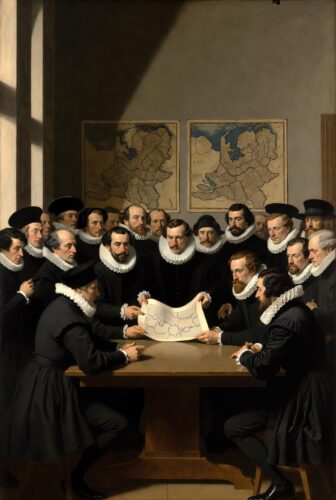
Ptolemy V's regents—first the ambitious general Tlepolemus, then the more competent Aristomenes—faced a two-front nightmare. They had to fight the Seleucids abroad while crushing the southern rebels at home. The turning point came in 197-196 BC. Aristomenes orchestrated a decisive campaign against Ankhwennefer's forces. The rebels had holed up in Lycopolis (modern Assiut area), a fortified town on the Nile. The Ptolemaic army laid siege, using siege engines, river blockades, and relentless assaults. When the city fell, the king—now about 12 years old, though still a figurehead—personally oversaw the victory celebrations. Chroniclers later exaggerated his role to make him sound like a conquering hero, but the real credit went to his generals and the pragmatic decision to offer amnesty and tax relief to win over wavering locals. The priests of Memphis, the ancient religious heart of Egypt where pharaohs had been crowned for millennia, saw their moment. A grand synod convened there in the king's 18th regnal year. On March 27, 196 BC, they issued their decree—a masterpiece of flattery mixed with shrewd self-interest. The text of the Memphis Decree (preserved in multiple versions, including the Rosetta Stone) is a goldmine of historical detail. It opens with Ptolemy V's full titulary: "The Horus, the strong youth, the lord of the diadems, the one who has established Egypt, the pious towards the gods, the savior of men, the lord of the 30-year festivals, the great king of the Upper and Lower Lands, the offspring of the gods Philopatores, the one whom Hephaistos approved, to whom Helios gave victory, the living image of Zeus, the son of Helios, Ptolemy, living forever, beloved of Ptah." Then it lists his "good deeds" in exhaustive, almost comical detail, like a royal resume padded for maximum priestly approval. He reduced taxes on temple lands, remitted arrears owed by farmers during the revolts, released prisoners, provided lavish gifts of silver and grain to temples, restored sacred images that had been damaged or carried off during the chaos, and funded repairs to shrines from the Delta to the cataracts. He even ordered canals dredged and flood defenses strengthened—practical stuff that kept the Nile's bounty flowing. The climax was his victory at Lycopolis: the decree describes how he "cut off the supplies" of the rebels, stormed the town, and punished the ringleaders "as they deserved," all while showing mercy to the rank-and-file. In return, the priests promised to establish a cult for the king. Statues of "Ptolemy the Defender of Egypt" would be set up in every temple, dressed in pharaonic regalia with a scimitar in hand. His birthday and coronation day would be celebrated monthly with processions, offerings, and feasts. The decree itself was to be carved on stelae of "hard stone" in three scripts and placed prominently "in the first rank of temples, beside the statue of the living king."
This wasn't empty piety. The priesthood was the glue holding Egyptian society together. Temples controlled vast estates, employed thousands, and influenced public opinion far more than any Greek governor could. By publicly praising Ptolemy V and integrating his cult into daily rituals, the priests legitimized the boy-king in the eyes of native Egyptians who had grown weary of foreign rule and native pretenders. It was a win-win: the regime got stability, and the priests got continued privileges, tax breaks, and royal patronage. The decree's trilingual format was genius marketing. Hieroglyphs signaled respect for tradition; demotic spoke directly to the masses; Greek ensured the Macedonian elite and bureaucrats were on board. Copies were dispatched nationwide—imagine runners and barges carrying the orders from Memphis to Elephantine in the south and the Delta marshes in the north. Historians estimate dozens of stelae were produced; fragments have turned up from places like Philae and Nubia. The broader context makes this March 27 event even more remarkable. Egypt in 196 BC was a pressure cooker of Hellenistic ambition and native revivalism. The Ptolemies had always walked a tightrope: too Greek, and they alienated the locals; too Egyptian, and they risked losing their Macedonian support base. Earlier kings like Ptolemy III Euergetes had courted the priests with temple-building sprees, but Ptolemy V's regents took it further amid crisis. The decree also subtly acknowledged the ongoing war with the Seleucids—Ptolemy V was betrothed to a Seleucid princess as part of eventual peace negotiations, showing how the internal stabilization paved the way for external diplomacy. Economically, the tax cuts and amnesties helped restore agricultural productivity after years of scorched-earth revolts. Socially, it dampened further uprisings; Ankhwennefer's movement fizzled out within a few years. Culturally, it reinforced the syncretic fusion that defined Ptolemaic Egypt: Greek kings performing Egyptian rites, Isis and Serapis cults spreading across the Mediterranean, and Alexandria's Mouseion library churning out scholarship that influenced everything from geometry to astronomy. Humorously, the decree reads like the world's most elaborate corporate performance review. The priests heap praise on a pre-teen king who probably spent more time playing with toy chariots than planning sieges: "He has been pious towards the gods... he has given much silver and much grain to the temples... he has made the temples splendid with new works." One can almost picture the scribes winking at each other as they drafted the flowery language, knowing it was quid pro quo for royal gold. Yet beneath the bombast was raw pragmatism. Rebellions in Upper Egypt weren't just military—they threatened the temple economy. By aligning with Ptolemy V, the priests protected their rice bowls. The young king, or rather his handlers, learned an eternal lesson: legitimacy isn't inherited; it's negotiated. Fast-forward through the dynasty's decline—Ptolemy V himself died young in 180 BC, possibly poisoned again—and the decree's physical legacy endured. One copy, buried in rubble near the town of Rashid (Rosetta), waited 2,000 years until a French soldier unearthed it in 1799 during Napoleon's Egyptian campaign. British forces seized it after the Battle of the Nile, and it landed in the British Museum. There, scholars like Thomas Young cracked the phonetic values of cartouches, but it was Jean-François Champollion in 1822 who delivered the breakthrough, exclaiming "Je tiens l'affaire!" as he realized the hieroglyphs could be read using Coptic as a bridge. Suddenly, the pyramids, the pharaohs, the entire civilization spoke again. Without that March 27, 196 BC decree and its triple script, Egyptology as we know it wouldn't exist. The outcome of this event was profound: a fragile kingdom bought breathing room through smart alliances and strategic communication. Ptolemy V's regime didn't collapse into anarchy. The priesthood became a pillar of support rather than a source of subversion. The decree modeled how to turn crisis into cult, rebellion into reverence. For us today, the lesson isn't dusty ancient history—it's a practical toolkit for anyone facing their own "rebellions" and "foreign invasions" in modern life. When your career feels besieged by office politics, your personal goals derailed by setbacks, or your relationships fractured by miscommunication, you can apply the same principles: craft a clear "decree" of your values and victories, broadcast it in multiple "scripts" to reach every audience, and forge alliances with key influencers who hold the "temples" of influence in your world.
Individuals today benefit enormously by treating their lives like Ptolemy V's shaky throne. The decree shows that legitimacy comes from visible action and public affirmation, not just raw power. It teaches resilience through adaptability—mixing old traditions with new realities. It proves that even a child king (or an overwhelmed adult) can stabilize chaos by focusing on what the "priests" (mentors, colleagues, community) value most: fairness, investment, and shared success. The trilingual approach reminds us that one-size-fits-all messaging fails; you must speak the language of logic for some, emotion for others, and symbolism for the rest. The long-term payoff? Your personal "stelae" endure, decoding your potential for generations, just as the Rosetta Stone unlocked Egypt. Here are very specific ways this historical fact translates into everyday advantage: - When facing opposition or doubt (your personal "native revolts"), document your wins and intentions publicly in three formats— a formal written statement, a visual infographic or mood board, and a storytelling version shared casually—to create undeniable legitimacy that sways skeptics. - Build "temple alliances" by offering genuine value (tax cuts in the decree) to key people in your network—share resources, credit, or opportunities first—so they become invested in your success rather than neutral or hostile. - During crises, convene your own "Memphis synod"—a focused meeting or journal ritual where you list concrete actions taken and rewards given—to reframe setbacks as victories and rally support. - Use "trilingual" communication in all endeavors: analytical data for decision-makers, narrative passion for teams, and symbolic rituals (like milestone celebrations) for personal motivation, ensuring no one misreads your "hieroglyphs." - Inscribe your decrees permanently—whether as career manifestos, family mission statements, or digital archives—so they outlast temporary defeats and serve as reference points for future growth. To make this actionable right now, here's a detailed, quick, unique plan unlike any generic self-help grind online. It's not about morning routines, vision boards, or hustle culture platitudes. Call it the **Rosetta Rebellion Protocol**—a 72-hour "synod" you run solo or with a small circle, modeled exactly on the priests' March 27 playbook but twisted for 21st-century ambition. It turns your life into a living decree: strategic, multi-layered, and enduring. Do it over one weekend when things feel chaotic. No apps, no endless journaling marathons—just focused, historical-inspired moves that feel like commanding a kingdom. **Day 1: Assess the Kingdom (Morning: 45 minutes mapping; Afternoon: 30 minutes inventory)** List your "Upper Egypt revolts"—specific areas of resistance like stalled projects, toxic relationships, or self-doubt. Then catalog your "good deeds" from the last six months: every tax cut you've given (favors done), temple repairs (investments made), and victories won. Write it in raw bullet form. This mirrors the decree's honest assessment of threats and achievements. End by choosing your "three scripts": one logical (data/metrics), one narrative (story form), and one symbolic (images or objects).
**Day 2: Convene the Synod and Draft the Decree (60 minutes writing; 30 minutes alliance scouting)** Gather 2-3 trusted "priests" (or do it solo with voice notes). Read your inventory aloud. Draft a one-page personal decree: open with your "titulary" (who you are becoming), list deeds with flair, declare victories, and promise future offerings (what you'll give back). Translate it into the three scripts—keep it under 500 words total. This isn't fluffy affirmations; it's a binding contract with yourself, just as the priests bound the king to temple support. Scout one real-world ally (boss, friend, community leader) to whom you'll "offer gifts" next week. **Day 3: Inscribe and Broadcast (90 minutes creation and placement)** Physically create your stelae: print or handwrite the decree versions and place them strategically—one on your desk (hieroglyphic/symbolic), one shared in a group chat or email (demotic/narrative), and one framed or digitized for public view (Greek/logical). Perform a small ritual—light a candle, read it aloud—to "consecrate" it. Then act: deliver one concrete "offering" to your chosen ally (help on their project, public shout-out). Schedule monthly "festivals"—quick 15-minute reviews on the 27th of each month to update and celebrate. This protocol is fast, repeatable, and historically grounded: it forces clarity, builds real alliances, and creates tangible artifacts that outlast motivation dips. Unlike cookie-cutter goal-setting, it treats your life as a dynasty worth preserving through deliberate legitimacy-building. The March 27, 196 BC decree didn't magically fix everything—Ptolemy V still faced wars and died young—but it bought time, forged unity, and left a legacy that echoes today. You can do the same. Issue your decree, speak in three tongues, ally with the priests of your world, and watch rebellions turn to reverence. Your personal empire awaits decoding.
Share: