
Imagine a frigid January morning in 1475, where the air hangs thick with mist and the ground is slick with frost. In the narrow valley near the town of Vaslui, in what is now eastern Romania, a small force of determined warriors huddles in the shadows of forested hills. They're outnumbered three to one by a colossal invading army that's marched through blizzards and barren lands to crush them. Leading this ragtag band is a prince known for his cunning and unyielding spirit—Stephen III of Moldavia, later dubbed "the Great." On January 10, 1475, what unfolds isn't just a battle; it's a masterclass in defiance, strategy, and sheer audacity that echoes through the centuries. This is the story of the Battle of Vaslui, a pivotal clash in the endless tug-of-war between Christian principalities and the expanding Ottoman Empire. It's a tale packed with political intrigue, brutal warfare, and unexpected twists that shaped Eastern Europe's fate. And while the swords have long rusted, the lessons from that foggy field can still sharpen your edge in today's world—turning everyday challenges into personal triumphs.To truly appreciate the drama of Vaslui, we need to rewind the clock to the turbulent 15th century, a time when Europe was a patchwork of kingdoms, principalities, and empires all jockeying for power. The Ottoman Empire, under the ambitious Sultan Mehmed II—famous for conquering Constantinople in 1453—was on a roll. Mehmed, often called "the Conqueror," had transformed the Ottomans from a regional power into a juggernaut that threatened the very heart of Christendom. His armies were disciplined, innovative, and vast, blending elite Janissaries (slave-soldiers converted to Islam and trained from youth) with swift cavalry units like the akinci raiders and heavily armored sipahi. By the 1470s, the Ottomans controlled much of the Balkans, including Bulgaria, Serbia, and parts of Greece, and they eyed the northern frontiers with hunger. Their goal? To secure trade routes, extract tribute, and establish buffer zones against rivals like Hungary and Poland. Enter Moldavia, a small but strategically vital principality nestled between the Carpathian Mountains and the Black Sea. Moldavia wasn't a superpower; it was more like a feisty border state, rich in forests, rivers, and fertile lands that produced grain, cattle, and honey. Its people were a mix of Romanians (Vlachs), Slavs, and nomadic influences, bound by Orthodox Christianity and a fierce sense of independence. The principality had emerged in the 14th century under rulers like Bogdan I, who shook off Hungarian overlordship, and it thrived on trade through ports like Chilia and Cetatea Albă (now Bilhorod-Dnistrovskyi in Ukraine). These Danube River strongholds were lifelines, connecting Moldavia to the bustling markets of Genoa, Venice, and even distant Poland via overland routes to Lviv. But location was both a blessing and a curse—Moldavia sat smack in the path of Ottoman expansion, Tatar raids from the east, and meddling from powerful neighbors like Hungary under Matthias Corvinus and Poland under Casimir IV.
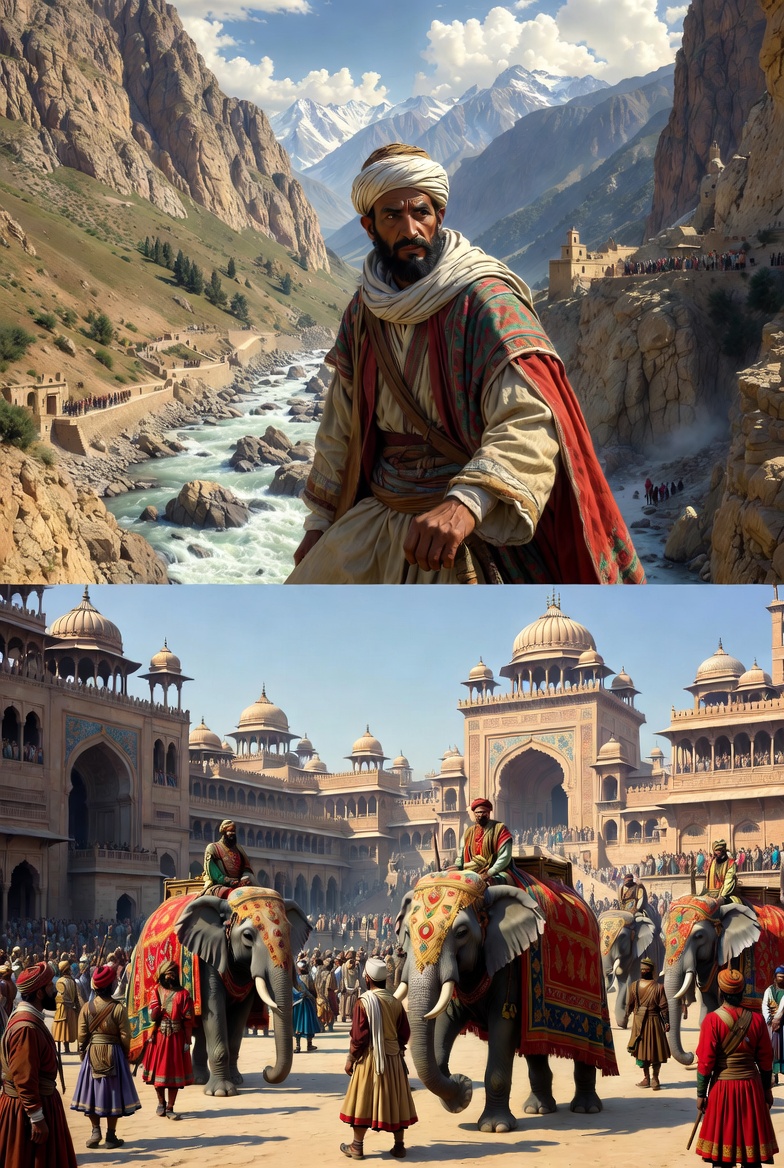
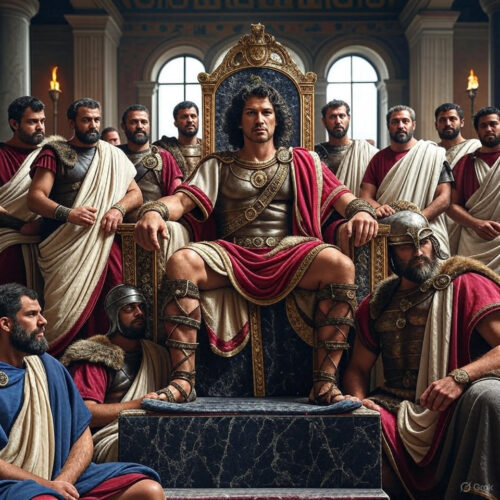
Stephen III, born around 1433, was no stranger to this chaos. His early life reads like a medieval thriller. Son of Bogdan II, a short-reigned voivode (prince) assassinated in 1451 by his own brother Petru Aron, Stephen grew up in exile. He fled to Transylvania, finding refuge under the wing of John Hunyadi, the legendary Hungarian general who had battled the Ottomans at battles like Varna in 1444. There, Stephen honed his military skills, learning the arts of guerrilla warfare, diplomacy, and leadership. By 1457, with help from Wallachian allies—including the infamous Vlad III Dracula (yes, that Dracula)—Stephen seized the Moldavian throne from his treacherous uncle. At just 24, he became voivode, inheriting a realm plagued by internal feuds, external threats, and economic pressures. Stephen's reign was a whirlwind of action. He centralized power, building a professional army that included elite boyars (noblemen) on horseback, professional foot soldiers, and a levy system called the Oastea Mare, which could mobilize peasants in times of crisis. These farmers-turned-fighters were armed with simple but effective weapons: maces, axes, bows, and spears. Stephen also fortified key sites, constructing monasteries that doubled as strongholds, like the stunning Voroneț Monastery he would later build to commemorate his victories. Diplomatically, he played a high-stakes game, allying with Poland in 1459 to reclaim the fortress of Hotin from Tatar hands and signing treaties that promised mutual aid against common foes. But tensions with the Ottomans simmered. In 1456, under Petru Aron, Moldavia had started paying tribute—2,000 gold ducats annually—to keep the peace. Stephen upped it to 3,000 in the 1460s but chafed under the yoke. The flashpoint came in the early 1470s. The Ottomans, having solidified control over Wallachia (Moldavia's southern neighbor), demanded the surrender of Chilia and Cetatea Albă, which Stephen had captured in 1465 with clever maneuvering and Polish support. These ports weren't just economic hubs; they were symbols of Moldavian sovereignty. Mehmed II saw them as keys to dominating the Black Sea trade and launching incursions into Poland and Hungary. When Stephen refused and stopped paying tribute in 1473, war became inevitable. Adding fuel to the fire, Stephen meddled in Wallachian affairs, supporting anti-Ottoman claimants like Basarab Ţepeluş against Ottoman puppets such as Radu the Handsome and Basarab Laiotă. In late 1474, as Ottoman forces gathered, Stephen sent urgent pleas to Pope Sixtus IV, framing the conflict as a holy war to defend Christendom. The Pope responded with encouragement but little tangible aid—typical of the era's fractured European alliances. Meanwhile, Mehmed entrusted the invasion to Hadım Suleiman Pasha, the beylerbey (governor) of Rumelia, the Ottoman province encompassing much of the Balkans. Suleiman was a seasoned commander, known for his administrative prowess and military discipline. He assembled a formidable army in Sofia during the fall of 1474. Estimates vary, but contemporary Polish and Venetian chronicles put the Ottoman force at around 60,000 to 120,000 men—a mix of professional troops and auxiliaries. The core was 10,000-20,000 Janissaries, elite infantry armed with matchlock guns, swords, and shields. Flanking them were sipahi cavalry, feudal horsemen rewarded with land grants (timars) for service, and akinci light cavalry, raiders skilled in scouting and harassment. To bolster numbers, Suleiman incorporated 17,000 Wallachians under Basarab Laiotă, who had defected to the Ottoman side in hopes of claiming the Wallachian throne. Tatar horsemen from the Crimean Khanate added speed and ferocity, while 20,000 Bulgarian peasants handled logistics: building bridges, clearing paths through snow, and managing supply trains laden with provisions and artillery.
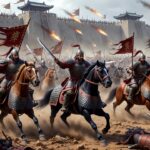
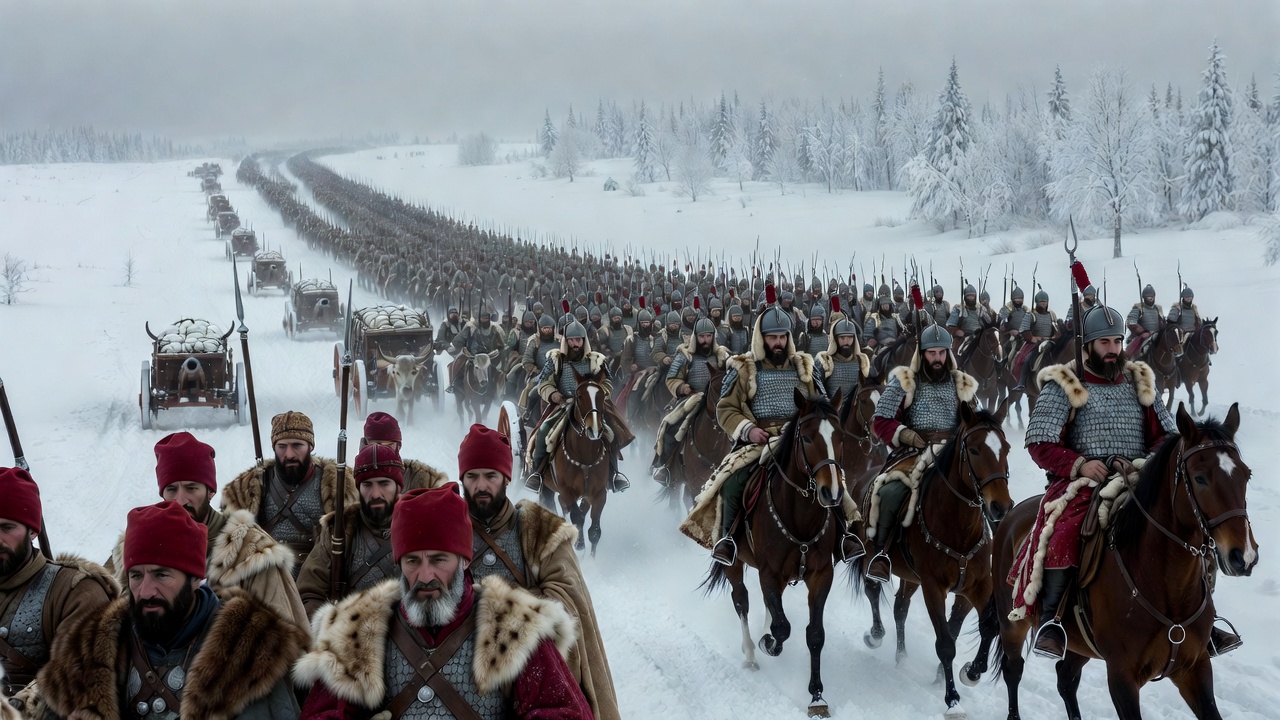
Against this behemoth, Stephen mustered about 40,000 men. His standing army numbered 10,000-15,000: heavy cavalry boyars in chainmail and plate armor, wielding lances and swords; light cavalry călăraşi for hit-and-run tactics; and foot soldiers with pikes and crossbows. The bulk came from the peasant levy—30,000 farmers equipped with whatever they had, from farm tools to basic bows. Allies trickled in: 5,000 Székely warriors from Transylvania (fierce Hungarian-speaking frontiersmen), 1,800 Hungarians under King Matthias's banner, 2,000 Poles sent by Casimir IV, and a contingent of Vlachs from Wallachia loyal to Stephen's cause. Stephen had about 20 cannons, primitive but effective for the time, positioned strategically. The campaign began in December 1474. Suleiman's army crossed the frozen Danube into Wallachia, then pushed north into Moldavia. Winter was brutal—blizzards, sub-zero temperatures, and treacherous terrain slowed the invaders. Stephen employed classic guerrilla tactics: scorched earth, poisoning wells, ambushing stragglers, and evacuating civilians and livestock to the mountains. His scouts harassed the Ottomans relentlessly, wearing them down over a month-long march. By early January, the exhausted Turks reached the Bârlad River valley near Vaslui. The site, known as Podul Înalt (High Bridge), was a semi-oval depression ringed by hills and marshes—a natural kill zone that Stephen had chosen wisely. January 10 dawned dark and foggy, visibility reduced to mere yards. Stephen positioned his forces cleverly. He fortified the wooden bridge over the Bârlad with cannons aimed directly at it. His center, held by Székelys and professionals, was visible to lure the enemy. Flanks hid in the forests: peasants with bows on one side, boyars and cavalry on the other. As the Ottomans advanced, Moldavian musicians blared bugles and drums from the hills, creating an eerie, disorienting cacophony in the mist. Suleiman's scouts failed to probe effectively, and his army pressed forward, eager to end the grueling campaign. The battle erupted around midday. Ottoman infantry—7,000 strong—charged the bridge but were met by Székely volleys, holding firm. Sipahi cavalry then surged across, routing the Székelys in a feigned retreat—a classic tactic to draw the enemy deeper. As the Ottomans poured into the valley, following pre-made footsteps in the snow to avoid marshes, Stephen unleashed hell. Cannons boomed, shredding the bridge and trapping thousands. Archers and handgunners fired from three sides, turning the fog-shrouded basin into a slaughterhouse. Light cavalry darted in for quick strikes, while the Ottomans, confused and bogged down, couldn't maneuver their superior numbers. Suleiman committed his reserves, but it was too late. Around afternoon, Stephen launched the counterattack: boyars thundering down the hills, peasants swarming with maces, and bugles sounding from behind Ottoman lines to simulate encirclement. Panic spread—soldiers mistook allies for foes in the chaos. Suleiman lost control, his standard bearers fell, and he signaled retreat. The rout was total. Moldavians pursued for three days, all the way to the Danube, capturing wagons, weapons, and prisoners. Even the Wallachian contingent under Laiotă switched sides mid-pursuit, attacking lingering Ottomans and sending their flag to Stephen as a trophy.
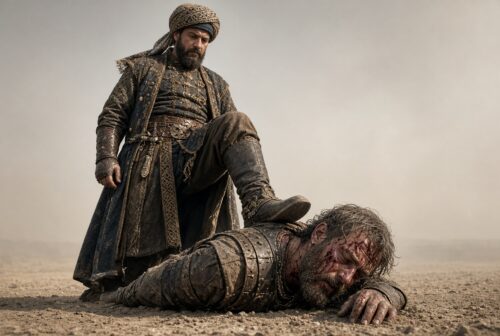
Casualties were staggering. Ottomans lost 40,000-45,000 killed, including four pashas (high commanders), with 4,000 captured. Moldavian losses were lighter—around 5,000 dead and wounded. Stephen impaled most prisoners (a grim custom of the era) but spared one, the son of a bey, to spread tales of defeat. Booty included 100 Ottoman standards, cannons, and riches that funded Stephen's later projects. Piles of bones marked the field for years, with crosses erected as memorials. The victory reverberated across Europe. Pope Sixtus IV hailed Stephen as "Athleta Christi" (Champion of Christ), urging a crusade. Chronicler Jan Długosz called it the greatest Christian triumph over the Turks in centuries, suggesting Stephen lead a pan-European force. Venice and Genoa rejoiced, as it checked Ottoman naval ambitions. But the glow was short-lived. Mehmed, humiliated, launched a massive retaliation in 1476 with 150,000 troops, including Tatars and Wallachians. Stephen won skirmishes but lost at Valea Albă in July, retreating to fortresses like Suceava, which withstood sieges. The Ottomans withdrew without conquering Moldavia, but in 1484, they seized Chilia and Cetatea Albă, landlocking the principality. Still, Vaslui cemented Stephen's legacy. He ruled until 1504, winning 34 of 36 battles, building 44 churches and monasteries (many UNESCO sites today, famed for their painted exteriors), and fostering Moldavian culture. His resistance inspired Romanian nationalism centuries later; he's a national hero in Romania and Moldova, with statues, streets, and even a saintly canonization in 1992. The battle highlighted the vulnerabilities of even mighty empires—overextension, poor logistics, and underestimating local resolve. It delayed Ottoman advances northward, giving Hungary and Poland breathing room, and showcased how terrain, weather, and innovation could level the playing field. Vaslui wasn't just a military upset; it was a cultural touchstone. Moldavian folklore wove tales of Stephen's bravery, with ballads depicting him as a David against Goliath. Ottoman chroniclers downplayed the loss, blaming weather and treachery, but privately, Mehmed reportedly wept over the defeat. The event influenced warfare tactics, emphasizing ambushes and defensive positioning, echoes of which appear in later conflicts like the Polish winged hussars' charges or even modern guerrilla strategies.
Shifting from the annals of history to the arena of your daily life, the Battle of Vaslui offers profound insights. Stephen's triumph wasn't luck; it was the fruit of preparation, adaptability, and bold decision-making against overwhelming odds. In a world where we face our own "Ottoman armies"—be it career setbacks, health challenges, or personal doubts—applying these historical nuggets can transform obstacles into stepping stones. Here's how you can harness the spirit of Vaslui for personal growth, with specific strategies to build resilience and achieve victories in your own battles. - **Embrace Strategic Preparation Like Stephen's Scorched Earth Policy**: Before the battle, Stephen didn't wait passively; he depleted resources to weaken the enemy. In your life, anticipate challenges by building buffers. For instance, if facing a job loss risk, diversify skills through online courses on platforms like Coursera—aim for one new certification every quarter. Or, for financial woes, create an emergency fund by automating 10% of your paycheck into a high-yield savings account, ensuring you have three months' expenses covered within a year. - **Leverage Your Terrain—Know Your Strengths and Environment**: The foggy valley was Stephen's ally, turning nature into a weapon. Identify your "home field advantage." If you're an introvert tackling networking, host small virtual meetups via Zoom where you control the agenda, starting with three contacts per month. For fitness goals, use your local park's hills for interval training, gradually increasing sessions from twice to five times weekly to build endurance. - **Build Alliances Without Relying Solely on Them**: Stephen's allies were crucial but limited; he didn't count on massive aid. Cultivate a support network but own your path. Join a professional group like LinkedIn communities relevant to your field, contributing insights weekly to foster reciprocal help. If pursuing a side hustle, partner with one reliable collaborator for accountability calls every two weeks, while solo-testing your ideas through low-cost prototypes. - **Use Deception and Adaptability in Tactics**: The feigned retreat drew the Ottomans in—classic misdirection. Apply this to negotiations or conflicts: in a salary discussion, prepare multiple scenarios, starting with a high ask to anchor expectations, then concede strategically. For habit-building, trick your brain with "micro-commitments," like committing to just five minutes of exercise daily, which often extends naturally, aiming to hit 30 minutes consistently after two weeks. - **Pursue Ruthlessly After Initial Wins**: Stephen didn't stop at the battlefield; he chased the fleeing army. Capitalize on momentum. After acing a project at work, immediately request feedback and pitch the next idea in a follow-up email within 48 hours. In personal development, log small wins in a journal nightly, reviewing them weekly to plan escalations, like turning a 5K run into marathon training over six months. To put this into action, here's a step-by-step 30-day plan inspired by Vaslui's blueprint, designed to tackle one major personal challenge—say, advancing your career, improving health, or launching a project. Adapt it to your goal for maximum impact. Day 1-7: Scout the Battlefield—Assess and Prepare. Identify your "enemy" (the obstacle) through journaling: list strengths, weaknesses, opportunities, and threats. Research solutions via three books or podcasts on the topic. Stockpile resources, like downloading apps for tracking progress (e.g., Habitica for gamified goals). Day 8-14: Fortify Positions—Build Defenses. Implement buffers: set up automated systems, such as email reminders for daily tasks or a meal-prep routine to support health. Train your "army" by practicing core skills daily, like 20 minutes of public speaking via mirror rehearsals if aiming for leadership roles. Day 15-21: Engage with Tactics—Launch Smart Attacks. Use misdirection: break the challenge into deceptive small steps to avoid overwhelm. For example, if writing a book, commit to outlining one chapter per day instead of the whole manuscript. Seek one ally for feedback midway. Day 22-28: Counterattack and Pursue—Capitalize on Gains. Review progress mid-week; adjust tactics based on what's working. Celebrate mini-victories with rewards, like a favorite treat, then double down—extend successful habits, such as increasing workout intensity by 20%. Day 29-30: Reflect and Commemorate—Secure the Legacy. Evaluate outcomes: what worked, what didn't? Build a "monastery" of remembrance, like a vision board of achievements. Plan the next cycle, scaling up—turn a job application win into interview prep for higher roles. By channeling the fog-shrouded valor of Vaslui, you're not just surviving; you're conquering. Stephen turned a potential rout into renown through wit and will—imagine what you could achieve. History isn't a dusty relic; it's a playbook for the bold. So, step into your valley, bugles blaring, and claim your victory.
Share: