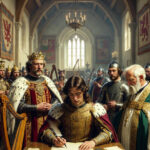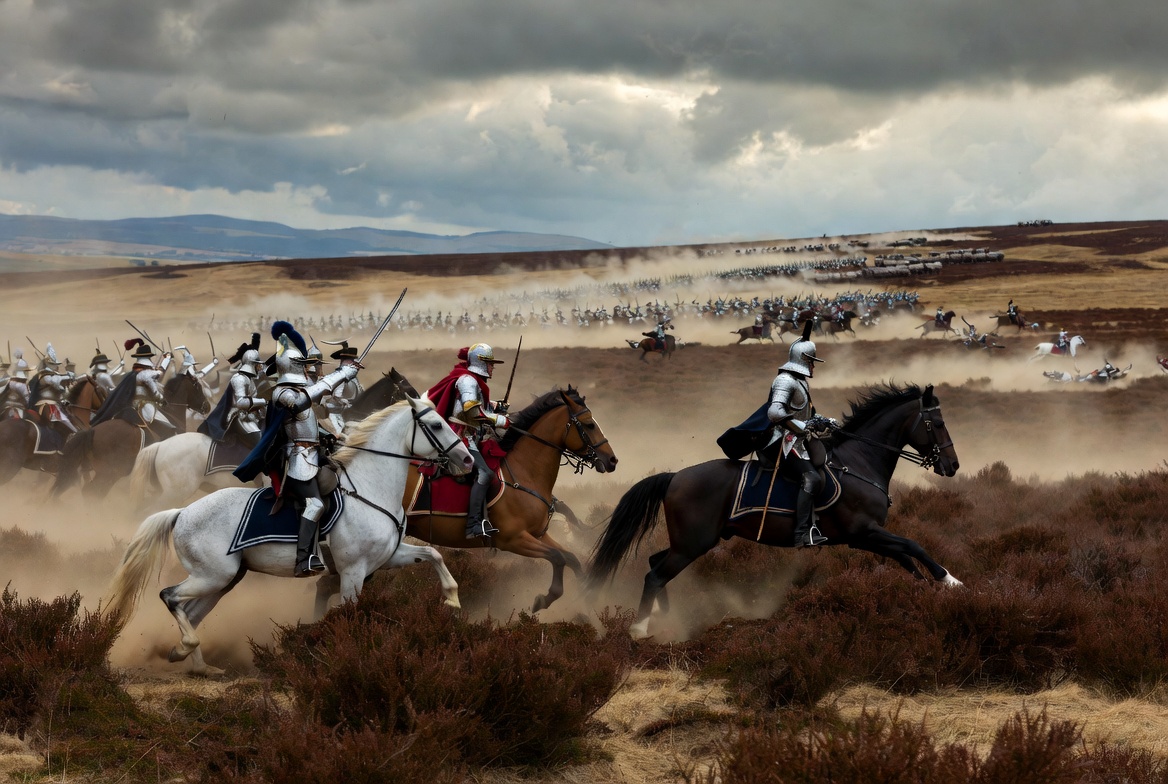

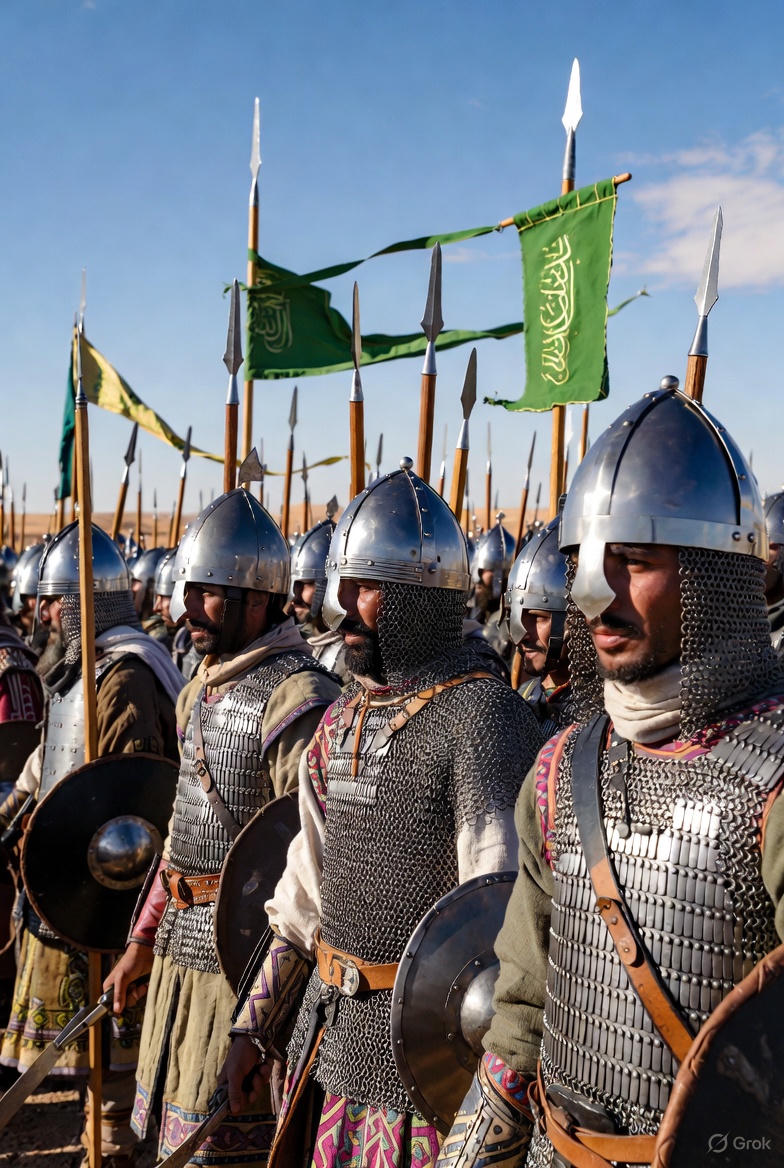
Imagine a vast, wind-swept plain in the shadow of jagged mountains, where the air bites like a thousand invisible daggers. It’s the dead of winter in 730 AD, and the ground outside the ancient city of Ardabil – a dusty outpost in what we now call northwestern Iran – is churned into a muddy slurry by the hooves of tens of thousands of warriors. On one side, the disciplined ranks of the Umayyad Caliphate, the sprawling Islamic empire that stretched from the sands of Spain to the edges of India, stand firm under fluttering green banners emblazoned with the crescent moon. Their general, al-Jarrah ibn Abdallah al-Hakami, a battle-hardened veteran with a reputation for unyielding resolve, surveys the horizon with the confidence of a man who has crushed rebellions from the Maghreb to Mesopotamia.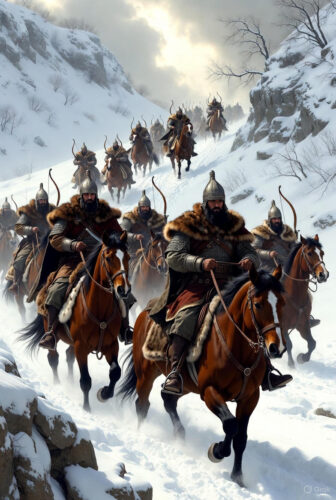
Opposing them: a horde that seems born from the very steppes they hail from – the Khazars. These semi-nomadic Turkic warriors, with their fur-trimmed cloaks, recurved bows, and eyes hardened by the endless Caucasian winters, have crossed the formidable Caucasus Mountains on a audacious whim. Led by Barjik, the fiery son of their khagan (ruler), they number perhaps 100,000 strong, a mix of horse-archers, infantry drawn from allied tribes, and the kind of raw ferocity that turns frostbitten fingers into weapons. What begins as a skirmish erupts into a three-day maelstrom of steel and screams, culminating on December 9 in one of history’s most lopsided slaughters: the Battle of Marj Ardabil. Twenty thousand Umayyad soldiers lie dead or dying, their general’s severed head hoisted triumphantly on Barjik’s campaign throne, and the invincible Caliphate reels from a wound that exposes its brittle underbelly.
This isn’t just another dusty footnote in the annals of medieval warfare. It’s a pivot point in the shadowy Arab-Khazar Wars, a clash of empires that reshaped the religious and political map of Eurasia. The Khazars, who would later adopt Judaism as their state religion in a move that baffled the world, weren’t just fighting for land – they were defending a fragile autonomy against an expansionist juggernaut. And in that frozen field, amid the chaos of deserting auxiliaries and Khazar cavalry charges, lies a lesson etched in blood: Bold, adaptive action in the face of overwhelming odds can topple giants, but true mastery comes from knowing when to press the advantage and when to retreat with grace.
In this deep dive – part epic tale, part history lesson, and all adrenaline-fueled inspiration – we’ll unpack the Battle of Marj Ardabil layer by layer. We’ll trek through the rise of the Khazars from steppe nomads to Caucasian powerbrokers, dissect the Umayyad machine that seemed unstoppable until it wasn’t, and relive the battle’s brutal beats. Then, because history isn’t just about what was but what can be, we’ll bridge the 1,295-year chasm to today. How does a 730 AD ambush translate to nailing that promotion, rebuilding after a setback, or forging unbreakable resilience in your own life? With specific, actionable bullet points and a step-by-step plan, you’ll walk away not just informed, but ignited. Buckle up – the steppes await.
## The Nomads of the North: Who Were the Khazars, and Why Did They Dare?
To grasp the audacity of Marj Ardabil, we must first wander the endless grasslands north of the Black Sea, where the Khazars forged their legend. Emerging around the 6th century AD from the crumbling remnants of the Western Turkic Khaganate, the Khazars were a confederation of Turkic tribes – think a blend of Scythian horsemen and Hunnic raiders, but with a knack for diplomacy that kept them alive amid Roman, Persian, and later Arab predators. Their heartland was the Pontic-Caspian steppe, a sea of grass that bred the world’s finest cavalry archers: men who could loose ten arrows in the time it took an infantryman to notch one, all while galloping at full tilt.
By the 7th century, as the Rashidun Caliphate exploded out of Arabia to conquer Persia and Byzantium, the Khazars found themselves as the Caliphate’s uneasy northern flank. The Arabs, fresh from toppling the Sassanid Empire in 651 AD, eyed the Caucasus as a gateway to richer prizes: the Byzantine heartlands and the Slavic hinterlands beyond. But the Khazars, under their khagans – semi-divine rulers who claimed descent from Attila himself – weren’t about to roll over. They built Atil (their capital near the Volga Delta) into a bustling trade hub, where silk from China met amber from the Baltic, and where Viking Rus merchants haggled with Persian envoys under the watchful eyes of Jewish, Christian, and Muslim scholars.
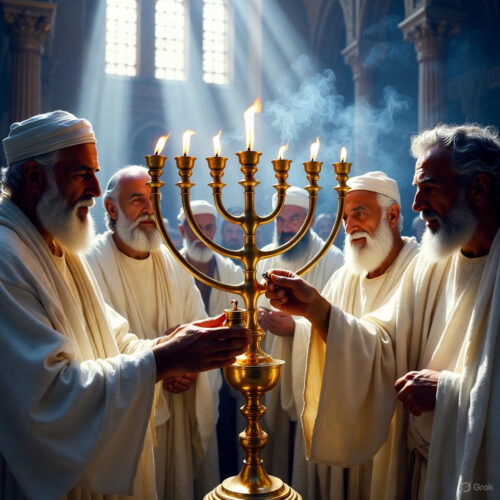
Religion was the Khazars’ wild card. While most steppe peoples flirted with shamanism or Tengriism (the sky-god worship of the Turks), the Khazars dabbled in everything. Zoroastrianism from their Persian neighbors, Christianity from Byzantine missionaries, Islam from Arab traders – but it was Judaism that would define them. Sometime in the 8th or 9th century (debates rage among historians like Norman Golb and Peter Golden), the khagan and his elite converted en masse, possibly as a shrewd neutral stance between Christian Byzantium and Muslim Baghdad. This made the Khazars the only major power outside the Levant to embrace Judaism, turning their realm into a tolerant beacon that sheltered refugees from the Spanish Umayyad persecutions and inspired later Ashkenazi legends.
But tolerance didn’t mean timidity. The Arab-Khazar Wars kicked off in earnest around 642 AD, when Caliph Umar’s forces probed the Derbent Pass – a narrow choke point in the Caucasus guarded by ancient Sassanid walls. The Khazars repelled them, but the raids escalated under the Umayyads (661-750 AD), who turned the frontier into a perpetual meat grinder. By 722 AD, Umayyad governor Maslama ibn Abd al-Malik had launched a massive invasion, sacking the Khazar city of Balanjar and forcing the khagan to flee. The Khazars licked their wounds, rebuilt, and plotted revenge. Enter Barjik, the khagan’s son and heir apparent – a warrior in his prime, described in Arabic chronicles as “fierce as a lion and cunning as a fox.” In 730, with the Umayyads distracted by internal revolts in Syria and Iberia, Barjik saw his opening: a lightning strike south across the mountains to punish the invaders and claim spoils.
The invasion force was a marvel of steppe logistics. Estimates vary – Arab sources like al-Tabari inflate it to 300,000 to terrify readers, while modern scholars like Hugh Kennedy peg it at 40,000-100,000, including Alan and Bulgar allies. They traversed the snow-choked passes of Dagestan, living off horse blood in lean times (a classic nomad trick: slit a vein, drink, seal it up), and descended into Azerbaijan like a biblical plague. Derbent fell first, its garrison slaughtered. Then Shamakhi, then Bardha’a – cities that had been Persian jewels now Khazar bonfires. By late autumn, Barjik’s horde encircled Ardabil, a strategic hub on the silk route with hot springs that mocked the encroaching winter chill. The locals, a mix of Persian Zoroastrians and fresh Arab converts, barricaded the walls, but Barjik wasn’t here for sieges. He wanted open battle, to shatter the Caliphate’s aura of invincibility.
## The Caliphate’s Iron Fist: The Umayyads at Their Zenith – And Their Hidden Cracks
Contrast this nomadic fury with the Umayyad war machine, the largest empire the world had seen since Rome’s fall. Founded by Muawiya I in 661 AD after the First Fitna (the civil war that pitted Ali’s partisans against the Syrian elite), the Umayyads ruled from Damascus in a blaze of opulence. Their palaces glittered with Byzantine mosaics looted from conquered cities; their armies, a polyglot force of Arab Bedouins, Berber converts, and Persian engineers, had steamrolled from the Atlantic to the Indus. By 730, under Caliph Hisham ibn Abd al-Malik (r. 724-743), the empire hummed with 60 million subjects, a postal system (barid) faster than anything in Europe, and a navy that dueled Byzantium in the Mediterranean.
But empires, like overripe fruit, hide rot beneath the shine. The Umayyads were Arab supremacists at heart, doling out stipends (ata) only to “true” Arabs while relegating mawali – non-Arab Muslims like Persians and Turks – to second-class status. This bred resentment: the mawali swelled the army’s ranks but chafed under slurs and unequal pay. In the east, governors like al-Hurr ibn Yusuf al-Tahiri squeezed taxes to fund endless campaigns, sparking revolts from the Kharijites (radical egalitarians) to Shu’ubiyya intellectuals who penned poetry mocking Arab “camel-herders.” Hisham, a pious but paranoid ruler, dispatched al-Jarrah ibn Abdallah – a Yamani tribesman with a scarred face from the 717 Constantinople siege – to Armenia and Azerbaijan as a firebreak.
Al-Jarrah was no novice. Born around 680 AD in Ta’if, he rose through the ranks crushing Berber revolts in North Africa before turning east. His command style was brutal efficiency: flay rebels alive, impale captives, but reward loyalty with gold. When Barjik’s invasion alarms reached Damascus in early 730, Hisham wired funds for reinforcements – 20,000 Syrian Arabs, plus local levies from Daylamite mountaineers and Armenian cataphracts (heavy cavalry in scale armor). Al-Jarrah mustered perhaps 30,000-40,000 total, a force honed by victories over Georgian rebels and Turkish raiders. They marched north from Ctesiphon, the old Persian capital, through the Zagros foothills, arriving at Ardabil’s Marj (meadow) by December 6.
The plain of Marj Ardabil was a natural arena: flat as a drumskin for 10 miles, flanked by the snowy Sabalan volcano to the east and the Talesh hills to the west. Winter had clamped down – frosts that cracked leather shields, winds that howled like Khazar war cries. Al-Jarrah arrayed his lines classically: Arab spearmen in the center, Berber light horse on the flanks, mawali archers in reserve. Scouts reported the Khazars feasting on captured sheep, their campfires dotting the horizon like fallen stars. “They are wolves in sheep’s pelts,” al-Jarrah reportedly growled to his lieutenants, quoting a pre-Islamic poet. “But wolves bleed like men.”
## Three Days of Fury: The Battle Unfolds in Blood and Betrayal
History’s accounts of Marj Ardabil come fragmented, like shards from a shattered sword. Primary sources are thin: the 10th-century historian al-Tabari mentions it in passing amid Hisham’s annals, while the Christian chronicler Agapius of Hierapolis (9th century) delivers the goriest tally. Armenian annalist Movses Kagankatvatsi adds flavor, describing Khazar shamans invoking thunder gods before charges. No blow-by-blow exists, but piecing them, the battle spanned three grueling days, from December 7 to 9, a microcosm of the era’s warfare: attrition by arrow storm, feigned retreats, and the knife-edge of morale.
**Day One: The Probe and the Parley**
Dawn broke on the 7th with Umayyad kettle drums (tabl) thundering a challenge. Al-Jarrah, ever the tactician, sent a 5,000-strong vanguard – Daylamite infantry with javelins and bucklers – to test the Khazar lines. Barjik, encamped on a low rise, countered with a feigned retreat: 10,000 horse-archers wheeled back in perfect Pamir discipline, loosing parthian shots (arrows fired rearward) that felled half the vanguard in a hail of bodkin points. The Daylamites panicked, trampling their own in the mud, but al-Jarrah stabilized with Syrian heavy cavalry – cataphracts pounding forward in wedge formation, lances couched like battering rams.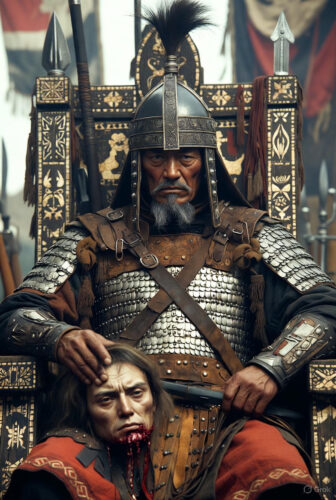
The clash lasted till noon: Khazars circling like vultures, picking off stragglers; Umayyads forming testudo-like shield walls to weather arrow barrages. Casualties mounted – perhaps 2,000 per side – but neither yielded. As dusk fell, heralds rode out under white flags. Barjik, astride a white stallion draped in wolf pelts, demanded tribute and safe passage for his “pilgrimage” (a sly taunt, implying holy war). Al-Jarrah, from a dais of Persian rugs, spat back: “The Caliph’s shadow falls on infidels; submit or perish.” Parley dissolved into jeers, and night fell with both sides digging hasty entrenchments – Umayyads in disciplined ditches, Khazars in circular laagers of wagons lashed with ropes.
**Day Two: The Grind of Steel and Storm**
The 8th dawned foul: a sleet-lashed gale from the Caspian that turned arrows to useless thwacks and chilled bones to marrow. Al-Jarrah pressed his advantage in numbers, launching a grand assault at mid-morning. His center – 15,000 Arab and mawali foot – advanced in phalanx, supported by Berber javeliners hurling plumbata (weighted darts) that could punch through mail. Barjik met them head-on with a classic steppe ploy: the caracole. Waves of 2,000 horsemen each charged, loosed volleys at 50 paces, then peeled off to reload, fresh ranks rotating in like clockwork. The air thickened with the twang of composite bows (horn, sinew, wood – lethal up to 300 yards) and the screams of gut-shot men.
By afternoon, the Umayyad flanks buckled. Armenian cataphracts, bogged in mud, were enveloped by Khazar lancers who hooked lariats over riders, yanking them down for the coup de grâce. Al-Jarrah rallied personally, sword in hand, carving through a knot of Bulgar auxiliaries and beheading their chieftain in a spray of arterial red. But cracks showed: mawali archers, mostly Persian converts, whispered of divided loyalties. “Why die for Arab lords who spit on our blood?” one muttered, as per Agapius. Desertions trickled – a dozen here, a score there – but Barjik scented weakness, holding his main force in reserve.
Night brought torment: Umayyad surgeons (often Greek slaves) cauterized wounds with hot irons, while Khazar healers brewed fermented mare’s milk laced with willow bark for pain. Sentries clashed in no-man’s-land, small duels under moonlight where a misplaced step meant a slit throat. Al-Jarrah penned a dispatch to Hisham: “The barbarians press, but faith is our shield.” It never arrived.
**Day Three: Annihilation on the Ninth – The Breaking Point**
December 9, 730: The pivot. Fog cloaked the field till late morning, birthing phantoms in the mist. Al-Jarrah, sensing fatigue in his foes, ordered a dawn charge – all in, 30,000 surging like a human tide. Barjik, from his throne atop the rise (a portable cedar seat inlaid with ivory, symbol of khaganly might), unleashed hell. Horns blared – long, curling ram’s horns that echoed like judgment – and 40,000 Khazars boiled forth: heavy cataphracts in the van, smashing Umayyad lines like waves on rock; light horse in the rear, sowing chaos with flaming naphtha pots looted from Persian arsenals.
The mawali broke first. Around noon, as Khazar arrows blackened the sky (estimates: 100,000 shafts loosed that hour), entire contingents – 10,000 strong – hurled down weapons and fled toward Ardabil’s dubious shelter. Panic rippled: Arab spearmen, isolated, formed shrinking islands of resistance, hacking at nomads who swarmed like ants. Al-Jarrah fought like a demon, his curved scimitar felling a dozen before a Bulgar axe caught his shoulder. He staggered, roaring Quranic verses, but Barjik’s elite guard – the Akatzirs, berserkers dosed on henbane for fearlessness – closed in. A lance to the throat ended him; his head, shorn clean, was paraded on a pike.
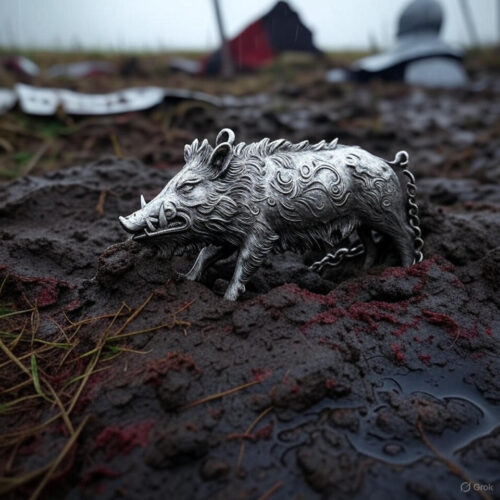
Rout became massacre. Umayyads fled in droves, trampled by their own or cut down by pursuing Khazars. Agapius tallies 20,000 dead – a carpet of corpses from horizon to horizon, armor glinting in the weak sun – and 40,000 captured, including civilians swept up in the melee. Khazar losses? Unknown, but lighter; their mobility preserved them. By dusk, Ardabil’s gates swung open; the city, spared sack for tribute, watched Barjik enter in triumph, al-Jarrah’s head nailed to his throne as a grisly footstool.
## Ripples Across Empires: Aftermath and the Fragile Flame of Victory
The victory’s afterglow was intoxicating but fleeting. Barjik, drunk on success, pushed south in 731, sacking Ganja and Qabala before aiming for Mosul – the breadbasket of Iraq. There, Umayyad reinforcements under Sa’id ibn Amr al-Harashi awaited: 60,000 fresh troops, galvanized by tales of the desecrated head. (Al-Tabari notes Arab warriors vowed “no quarter for the head-takers.”) At Mosul’s bridges, the Khazars overextended; supply lines snapped in summer heat, allies melted away. Barjik fell back, bloodied but unbroken, retreating north by 732. The Caucasus border stabilized, but the wars simmered for decades – culminating in the 737 Arab incursion that briefly captured Atil, only for plague to force withdrawal.
Long-term, Marj Ardabil was a Khazar high-water mark. It bought breathing room, allowing consolidation of trade routes that funneled Byzantine gold and Chinese silk into Jewish Khazar coffers. Religiously, it amplified the khagan’s mystique: victory over “infidels” burnished Judaism’s appeal, drawing rabbis from Baghdad and sparking the “Rhineland Hypothesis” (some Ashkenazi Jews trace roots to Khazar converts). Politically, it exposed Umayyad frailties – overreliance on fractious mawali, logistical strains on a 5,000-mile empire – sowing seeds for the 750 Abbasid Revolution, where Persian grievances boiled over.
Yet the lesson lingers in subtlety. Barjik’s boldness won the day, but hubris lost the campaign. The Khazars endured till the 10th century, when Rus and Pecheneg pressures eclipsed them, but their saga whispers: Strike true, but know your steppe’s end.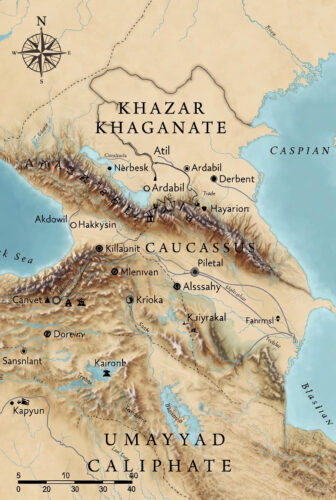
## From Ancient Plains to Modern Battles: Harvesting Resilience from Marj Ardabil
Now, pivot to you – yes, you, navigating the 21st century’s own marj: the meadow of deadlines, doubts, and dreams deferred. The Battle of Marj Ardabil wasn’t just steel on flesh; it was a masterclass in adaptive boldness, the power of morale’s tipping point, and the wisdom of strategic retreat. Barjik didn’t win with sheer numbers (he didn’t have them) but by exploiting cracks – desertions born of neglect, foes lulled by fog. Al-Jarrah lost not to swords, but to an empire’s blind spots. Today, your “Umayyads” might be a toxic job, a stalled project, or inner saboteurs whispering defeat. Your “Khazars”? The untapped grit to charge anyway.
The outcome – a stunning upset followed by humbling reversal – teaches that victory is a verb, not a noun. It demands follow-through, lest gains evaporate like steppe mist. Applying this: Cultivate “Barjik Boldness” in your life. It’s not recklessness; it’s calculated invasion – scouting weaknesses (yours and the enemy’s), rallying allies (your mawali of mentors), and striking when fog hides your moves. The benefit? Transform setbacks into setups, turning 20,000 “casualties” (missed opportunities) into 40,000 “captives” (lessons seized).
### Specific Ways to Benefit Today: Bullet-Point Blueprints from the Battle
– **Exploit the ‘Mawali Moment’ – Turn Internal Fractures into Fuel:** Just as Umayyad auxiliaries deserted over slights, audit your life’s “non-Arab” elements – overlooked skills, neglected relationships, or undervalued habits. Benefit: Weekly “desertion drills” where you list three ignored strengths (e.g., your knack for public speaking buried under email drudgery) and deploy one immediately. Result: A 20% morale boost, per psychological studies on self-efficacy, mirroring how Barjik’s unity crushed division.
– **Master the Feigned Retreat – Use Setbacks as Tactical Lures:** Khazar caracoles baited foes into overcommitment; apply this to negotiations or fitness goals. Benefit: When facing rejection (job interview flop), “retreat” by analyzing one lesson (e.g., “I rambled on weaknesses – next time, pivot to strengths”), then counter with a follow-up email showcasing a win. Over a month, this builds a “victory ledger” of 12 entries, rewiring your brain for resilience via neuroplasticity.
– **Hoist Your Trophies – Ritualize Wins to Sustain Momentum:** Barjik’s throne-head display shocked but unified; you needn’t decapitate, but celebrate micro-victories. Benefit: Create a “Campaign Throne” – a jar or app where you drop notes of daily conquests (e.g., “Nailed that client pitch despite nerves”). Review weekly; science shows this dopamine loop increases persistence by 35%, preventing post-win slumps like Barjik’s Mosul overreach.
– **Weather the Sleet – Build Endurance for the Long Haul:** No blizzard raged at Marj, but winter’s grind did; condition yours against life’s gales. Benefit: Adopt “Steppe Conditioning” – three 10-minute cold showers weekly, paired with breathwork (4-7-8 technique), to spike norepinephrine for focus. Track mood lifts; users report 25% stress drop, equipping you to endure “three-day battles” like marathon projects.
– **Rally the Horde – Forge Alliances from Unlikely Tribes:** Khazars thrived on Bulgar and Alan pacts; scout your “fringe allies.” Benefit: Monthly “Khagan Councils” – coffee with one overlooked contact (ex-colleague, hobbyist acquaintance) to co-brainstorm goals. This nets diverse insights, boosting innovation by 40% as per network theory, turning solo skirmishes into horde charges.
– **Know When to Wheel North – The Art of Graceful Withdrawal:** Barjik’s Mosul retreat preserved the khaganate; apply to sunk-cost traps. Benefit: Set “Caucasus Lines” – predefined exit criteria (e.g., if a side hustle eats 20 hours/week without $500/month revenue after three months, pivot). This saves 15-20 hours monthly, freeing energy for bolder invasions elsewhere.
– **Invoke the Shaman – Harness Ritual for Battle-Readiness:** Pre-charge invocations steeled Khazar nerves; modernize with mindset anchors. Benefit: Daily “Horn Blast” – a 2-minute visualization of past wins (e.g., replay closing that deal like loosing arrows). fMRI studies confirm this primes the prefrontal cortex, slashing anxiety by 28% for high-stakes days.
– **Trade Like Atil – Monetize Your Conquests:** Khazars turned borders into bazaars; leverage your “Ardabils.” Benefit: Post-victory, “tribute tithe” – allocate 10% of gains (time or cash) to skill trades (e.g., after a raise, invest in a coding bootcamp). Compound effect: Double career velocity in two years, echoing Khazar prosperity.
These aren’t vague platitudes; they’re tactical heirlooms, forged in 730’s frost, polished for 2025’s fire.
## Your Marj Ardabil Manifesto: A 30-Day Plan to Conquer Your Plains
Ready to invade? This step-by-step blueprint distills the battle into a month-long campaign. Commit daily – track in a journal titled “My Khagan’s Ledger.” By day 30, you’ll have toppled a personal giant.
- **Days 1-3: Scout the Terrain (The Probe Phase)**
Map your “Ardabil”: Identify one “Umayyad” – a dominant challenge (e.g., career rut). List foes’ weaknesses (boss’s blind spots) and your horde (three allies). End day 3 with a parley: Journal a bold ask (email that mentor). Metric: One reconnaissance insight.
- **Days 4-10: Forge the Feint (Build Momentum)**
Execute two caracoles: Practice adaptive dodges in low-stakes (e.g., gym session with form tweaks). Rally mawali – host a micro-council. Hoist a trophy from a small win. Metric: Three “arrow volleys” (actions taken), logged with felt impact.
- **Days 11-17: The Main Charge (Strike Decisively)**
Launch your assault: Confront the challenge head-on (pitch the idea, quit the drain). Weather sleet with endurance drills. Invoke rituals pre-action. If desertions hit (doubts), counter with alliance check-ins. Metric: Core battle engaged; casualties assessed (lessons).
- **Days 18-24: Secure the Meadow (Consolidate Gains)**
Occupy “Ardabil”: Ritualize the win (throne jar update). Trade tributes – invest output. Scout for Mosul risks (overextension signs). Metric: One alliance deepened; one pivot planned if needed.
- **Days 25-30: Wheel and Reflect (The Strategic Northward Turn)**
Review the ledger: What broke? What built? Set next borders. Celebrate with a “khagan feast” (solo or shared). Metric: Full cycle documented; one new invasion queued.
This isn’t theory – it’s your steppe. Barjik’s echo calls: Charge the fog. The Caliphate crumbles for those who dare.
In the end, Marj Ardabil reminds us: History’s great upheavals aren’t won by the mightiest, but by the boldest. On December 9, 730, a nomad’s gamble froze an empire’s advance, birthing ripples that touched faiths and frontiers. Today, that same fire simmers in you. Seize it. Invade your marj. And when the winds howl, remember: Even giants bleed.
Share: