In the sweltering heat of a Williamsburg summer, on June 12, 1776, a group of delegates in a colonial convention hall did something audacious. They didn't just grumble about taxes or trade restrictions. They didn't pen another polite petition to King George. No, they laid out a blueprint for human freedom that would echo through centuries, shaping nations, constitutions, and the very idea of what it means to be an individual with unalienable rights. This was the Virginia Declaration of Rights—adopted unanimously that day by Virginia's Fifth Revolutionary Convention—a document that proclaimed in thunderous prose that all men are by nature equally free and independent, endowed with inherent rights to life, liberty, property, and the pursuit of happiness and safety.
Forget the overplayed fireworks of July 4. June 12 deserves its own parade of powdered wigs and revolutionary zeal. While Thomas Jefferson was still tinkering with his draft up in Philadelphia, George Mason and his fellow Virginians had already distilled the Enlightenment's greatest hits into a practical manifesto for self-governance. It wasn't just words on parchment; it was a Molotov cocktail tossed at monarchy, aristocracy, and unchecked power. And today, in our age of endless notifications, bureaucratic overreach, and soul-crushing conformity, its lessons scream louder than ever: Stand up, claim your inherent rights, and build systems that serve *you*, not the other way around.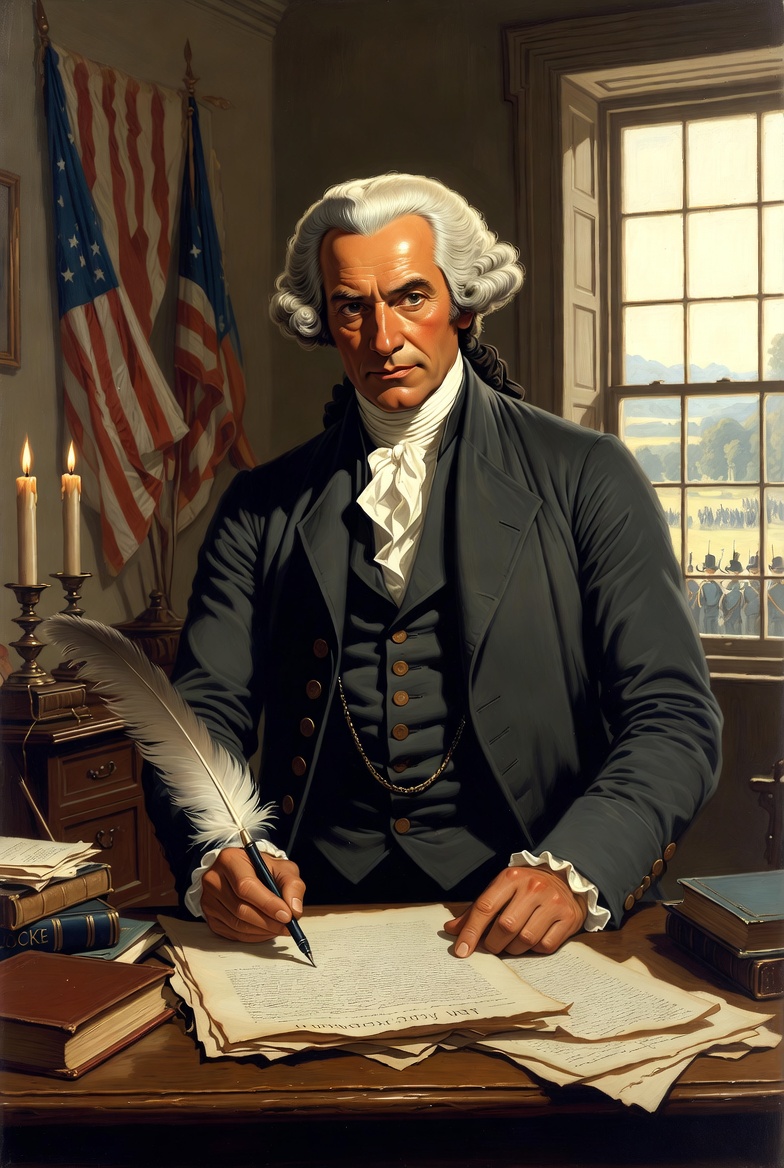 This isn't your dusty textbook history. Buckle up for a rollicking deep dive into the chaos, courage, and cunning of 1776 Virginia—90% pure historical grit, with the remaining spark plugs reserved for turning those ancient truths into a razor-sharp, anti-cookie-cutter life upgrade plan. We'll laugh at the absurdities of colonial life, marvel at the intellectual fireworks, and emerge motivated to wield sovereignty like a modern-day minuteman.
### The Powder Keg: Why Virginia Was Primed to Explode in 1776
To understand the Declaration's birth, rewind to the feverish spring of 1776. The American colonies were a tinderbox. Britain's Parliament had slapped on the Stamp Act, Townshend Acts, and Coercive Acts, treating colonists like cash cows rather than Englishmen with rights. Virginia, the largest and most influential colony, felt the squeeze hardest. Its tobacco economy relied on trade, but British policies strangled it. Worse, the royal governor, Lord Dunmore, had dissolved the House of Burgesses multiple times for daring to protest.
By May 1776, the Continental Congress urged colonies to form new governments. Virginia's delegates convened in Williamsburg's Capitol building—a grand brick structure that still stands today as a monument to audacity. The air was thick with tension. Patrick Henry had already bellowed "Give me liberty or give me death!" in nearby Richmond. Now, the convention's Committee of the Whole got down to brass tacks: independence and a framework for the new order.
This isn't your dusty textbook history. Buckle up for a rollicking deep dive into the chaos, courage, and cunning of 1776 Virginia—90% pure historical grit, with the remaining spark plugs reserved for turning those ancient truths into a razor-sharp, anti-cookie-cutter life upgrade plan. We'll laugh at the absurdities of colonial life, marvel at the intellectual fireworks, and emerge motivated to wield sovereignty like a modern-day minuteman.
### The Powder Keg: Why Virginia Was Primed to Explode in 1776
To understand the Declaration's birth, rewind to the feverish spring of 1776. The American colonies were a tinderbox. Britain's Parliament had slapped on the Stamp Act, Townshend Acts, and Coercive Acts, treating colonists like cash cows rather than Englishmen with rights. Virginia, the largest and most influential colony, felt the squeeze hardest. Its tobacco economy relied on trade, but British policies strangled it. Worse, the royal governor, Lord Dunmore, had dissolved the House of Burgesses multiple times for daring to protest.
By May 1776, the Continental Congress urged colonies to form new governments. Virginia's delegates convened in Williamsburg's Capitol building—a grand brick structure that still stands today as a monument to audacity. The air was thick with tension. Patrick Henry had already bellowed "Give me liberty or give me death!" in nearby Richmond. Now, the convention's Committee of the Whole got down to brass tacks: independence and a framework for the new order.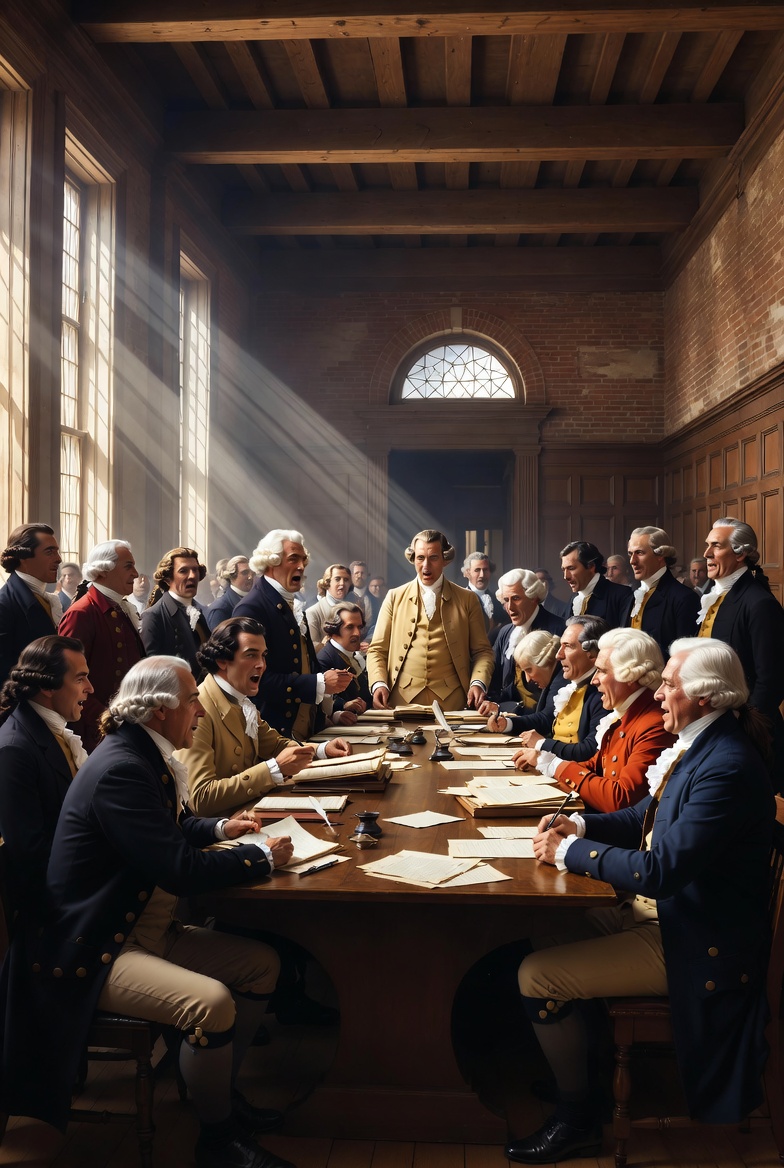 Enter George Mason, a 50-something planter from Gunston Hall. Mason wasn't a firebrand like Henry or a polymath like Jefferson. He was a quiet, methodical thinker who despised public speaking but possessed a mind like a steel trap. Bedridden with illness earlier, he arrived late but dominated. The convention appointed him to a committee drafting both a declaration of rights and a constitution. Mason took the lead on the former, hammering out a draft in late May that would become the template for revolutionary America.
Picture the scene: Mason at his desk, quill scratching by candlelight, drawing from John Locke, the English Bill of Rights of 1689, and Virginia's own legal traditions. He wasn't inventing rights from thin air; he was codifying what free Englishmen had long claimed but Britain now denied. The draft circulated, was debated, amended (notably by young James Madison on religious liberty), and refined. On June 12, it passed unanimously. Boom—history's fuse lit.
### Dissecting the Declaration: Article by Fiery Article
The document opens with a preamble asserting these rights "pertain to [the people of Virginia] and their posterity, as the basis and foundation of government." No hedging. Straight to the core. Let's unpack its 16 articles like a colonial time capsule, because every line drips with relevance.
**Article 1: The Equality Bombshell.** "That all men are by nature equally free and independent and have certain inherent rights, of which, when they enter into a state of society, they cannot, by any compact, deprive or divest their posterity; namely, the enjoyment of life and liberty, with the means of acquiring and possessing property, and pursuing and obtaining happiness and safety."
This is the big one—the direct ancestor of Jefferson's "Life, Liberty and the pursuit of Happiness." Mason's version is even punchier on property and safety. Imagine the delegates reading this aloud in Williamsburg: farmers, lawyers, planters nodding furiously. It rejected divine-right kings and hereditary privilege. Funny side note: The "all men" phrasing conveniently sidestepped the enslaved population for many signers, a hypocrisy that would haunt America. But the principle planted seeds that grew into abolitionist arguments and beyond.
**Article 2: Power from the People.** All power derives from the people; magistrates are trustees, accountable at all times.
No sacred kings here. Government is a hireling, not a master. This flipped the script on centuries of top-down rule.
**Article 3: Right to Reform or Abolish.** Government exists for the common benefit. If it fails, the majority has an "indubitable, unalienable, and indefeasible right" to reform, alter, or abolish it.
Revolutionary insurance policy. Tyranny? Game over. This clause justified the break with Britain and inspired future reformers.
Enter George Mason, a 50-something planter from Gunston Hall. Mason wasn't a firebrand like Henry or a polymath like Jefferson. He was a quiet, methodical thinker who despised public speaking but possessed a mind like a steel trap. Bedridden with illness earlier, he arrived late but dominated. The convention appointed him to a committee drafting both a declaration of rights and a constitution. Mason took the lead on the former, hammering out a draft in late May that would become the template for revolutionary America.
Picture the scene: Mason at his desk, quill scratching by candlelight, drawing from John Locke, the English Bill of Rights of 1689, and Virginia's own legal traditions. He wasn't inventing rights from thin air; he was codifying what free Englishmen had long claimed but Britain now denied. The draft circulated, was debated, amended (notably by young James Madison on religious liberty), and refined. On June 12, it passed unanimously. Boom—history's fuse lit.
### Dissecting the Declaration: Article by Fiery Article
The document opens with a preamble asserting these rights "pertain to [the people of Virginia] and their posterity, as the basis and foundation of government." No hedging. Straight to the core. Let's unpack its 16 articles like a colonial time capsule, because every line drips with relevance.
**Article 1: The Equality Bombshell.** "That all men are by nature equally free and independent and have certain inherent rights, of which, when they enter into a state of society, they cannot, by any compact, deprive or divest their posterity; namely, the enjoyment of life and liberty, with the means of acquiring and possessing property, and pursuing and obtaining happiness and safety."
This is the big one—the direct ancestor of Jefferson's "Life, Liberty and the pursuit of Happiness." Mason's version is even punchier on property and safety. Imagine the delegates reading this aloud in Williamsburg: farmers, lawyers, planters nodding furiously. It rejected divine-right kings and hereditary privilege. Funny side note: The "all men" phrasing conveniently sidestepped the enslaved population for many signers, a hypocrisy that would haunt America. But the principle planted seeds that grew into abolitionist arguments and beyond.
**Article 2: Power from the People.** All power derives from the people; magistrates are trustees, accountable at all times.
No sacred kings here. Government is a hireling, not a master. This flipped the script on centuries of top-down rule.
**Article 3: Right to Reform or Abolish.** Government exists for the common benefit. If it fails, the majority has an "indubitable, unalienable, and indefeasible right" to reform, alter, or abolish it.
Revolutionary insurance policy. Tyranny? Game over. This clause justified the break with Britain and inspired future reformers.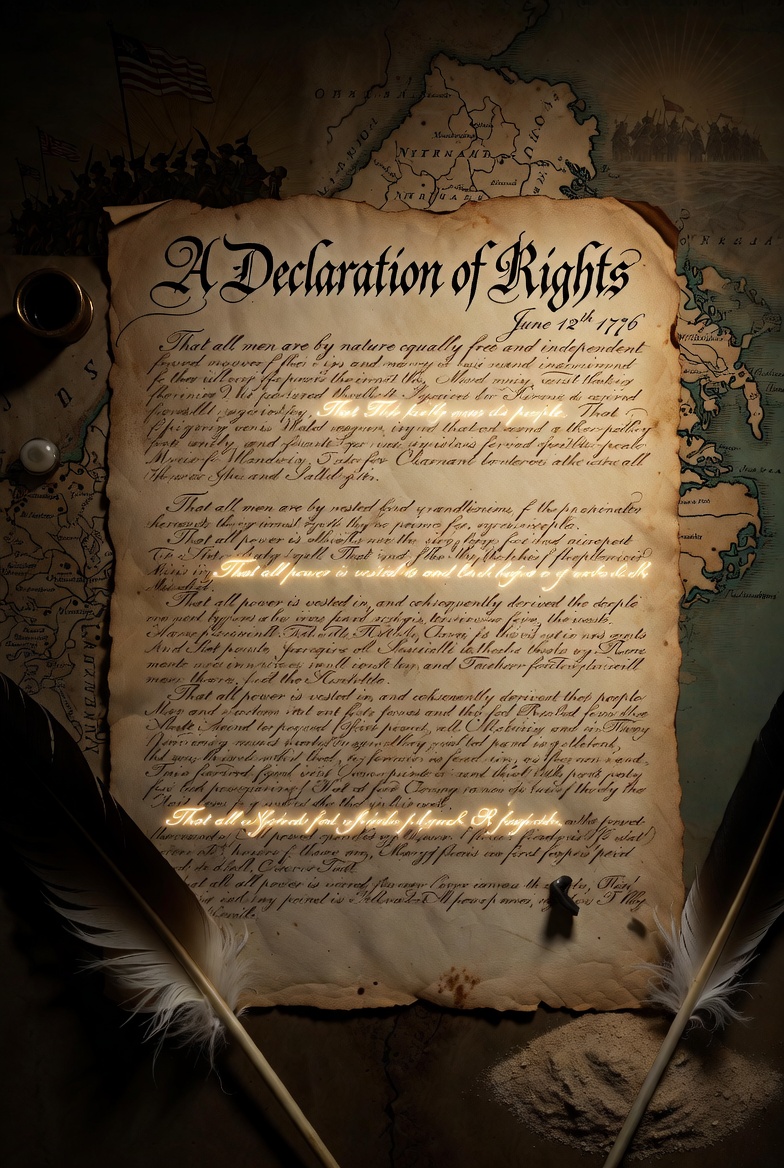 **Article 4: No Hereditary Privilege.** No exclusive emoluments or hereditary offices. Merit over bloodlines.
A jab at aristocracy that would make any feudal lord choke on his claret.
**Article 5: Separation of Powers.** Legislative, executive, and judicial branches distinct, with frequent elections to keep officials humble.
Madison and others loved this. It prevented the concentration of power that corrupted Britain.
**Article 6: Electoral Integrity and Rotation.** Free elections, no corruption, officials return to private life periodically.
Term limits before term limits were cool.
**Article 7: No Suspension of Laws.** Laws can't be suspended without legislative consent. Rule of law reigns.
**Article 8: Due Process and Jury Rights.** No deprivation of liberty except by law of the land or judgment of peers. Speedy trial, confrontation of witnesses, no self-incrimination.
The foundation of the U.S. Bill of Rights' criminal protections. Colonial courts were often kangaroo affairs under royal influence; this said "not anymore."
**Article 9: No Excessive Bail or Cruel Punishments.** Proportional justice.
**Article 10: No General Warrants.** Searches require specific evidence and cause. Hello, Fourth Amendment precursor.
**Article 11: Jury Trials in Civil Cases.** Preserves common-law jury rights.
**Article 12: Free Press.** One of the strongest early statements: "the freedom of the press is one of the great bulwarks of liberty, and can never be restrained but by despotic governments."
Mason knew information flow was power. In an era of broadsides and gazettes, this protected dissent.
**Article 13: Militia and Civilian Control.** A well-regulated militia, composed of the body of the people, trained to arms, under strict subordination to civil power. Standing armies dangerous in peacetime.
Gun rights and anti-militarist caution in one.
**Article 14: Uniform Government.** No separate or exclusive privileges for towns or corporations.
**Article 15: No Corruption or Bribery.** Officials must swear to avoid it.
**Article 16: Religious Liberty.** "All men are equally entitled to the free exercise of religion, according to the dictates of conscience." (Madison's push made it stronger than Mason's original toleration language.)
This was radical. Virginia had an established Anglican church; dissenters paid taxes to support it. The article paved the way for Jefferson's Statute for Religious Freedom.
The whole thing was printed, disseminated, and copied by other colonies. It influenced Pennsylvania, Massachusetts, and more. Jefferson borrowed heavily for the Declaration of Independence. Later, it shaped the U.S. Bill of Rights and even the French Declaration of the Rights of Man. One document, seismic ripples.
### The Backdrop Drama: War, Intrigue, and Everyday Colonial Grit
The Declaration didn't emerge in a vacuum. While delegates debated in Williamsburg, British forces loomed. Governor Dunmore had fled to a warship, issuing proclamations and even offering freedom to enslaved people who joined him—another layer of complexity. Virginia militias drilled, committees of safety enforced boycotts, and spies lurked.
**Article 4: No Hereditary Privilege.** No exclusive emoluments or hereditary offices. Merit over bloodlines.
A jab at aristocracy that would make any feudal lord choke on his claret.
**Article 5: Separation of Powers.** Legislative, executive, and judicial branches distinct, with frequent elections to keep officials humble.
Madison and others loved this. It prevented the concentration of power that corrupted Britain.
**Article 6: Electoral Integrity and Rotation.** Free elections, no corruption, officials return to private life periodically.
Term limits before term limits were cool.
**Article 7: No Suspension of Laws.** Laws can't be suspended without legislative consent. Rule of law reigns.
**Article 8: Due Process and Jury Rights.** No deprivation of liberty except by law of the land or judgment of peers. Speedy trial, confrontation of witnesses, no self-incrimination.
The foundation of the U.S. Bill of Rights' criminal protections. Colonial courts were often kangaroo affairs under royal influence; this said "not anymore."
**Article 9: No Excessive Bail or Cruel Punishments.** Proportional justice.
**Article 10: No General Warrants.** Searches require specific evidence and cause. Hello, Fourth Amendment precursor.
**Article 11: Jury Trials in Civil Cases.** Preserves common-law jury rights.
**Article 12: Free Press.** One of the strongest early statements: "the freedom of the press is one of the great bulwarks of liberty, and can never be restrained but by despotic governments."
Mason knew information flow was power. In an era of broadsides and gazettes, this protected dissent.
**Article 13: Militia and Civilian Control.** A well-regulated militia, composed of the body of the people, trained to arms, under strict subordination to civil power. Standing armies dangerous in peacetime.
Gun rights and anti-militarist caution in one.
**Article 14: Uniform Government.** No separate or exclusive privileges for towns or corporations.
**Article 15: No Corruption or Bribery.** Officials must swear to avoid it.
**Article 16: Religious Liberty.** "All men are equally entitled to the free exercise of religion, according to the dictates of conscience." (Madison's push made it stronger than Mason's original toleration language.)
This was radical. Virginia had an established Anglican church; dissenters paid taxes to support it. The article paved the way for Jefferson's Statute for Religious Freedom.
The whole thing was printed, disseminated, and copied by other colonies. It influenced Pennsylvania, Massachusetts, and more. Jefferson borrowed heavily for the Declaration of Independence. Later, it shaped the U.S. Bill of Rights and even the French Declaration of the Rights of Man. One document, seismic ripples.
### The Backdrop Drama: War, Intrigue, and Everyday Colonial Grit
The Declaration didn't emerge in a vacuum. While delegates debated in Williamsburg, British forces loomed. Governor Dunmore had fled to a warship, issuing proclamations and even offering freedom to enslaved people who joined him—another layer of complexity. Virginia militias drilled, committees of safety enforced boycotts, and spies lurked.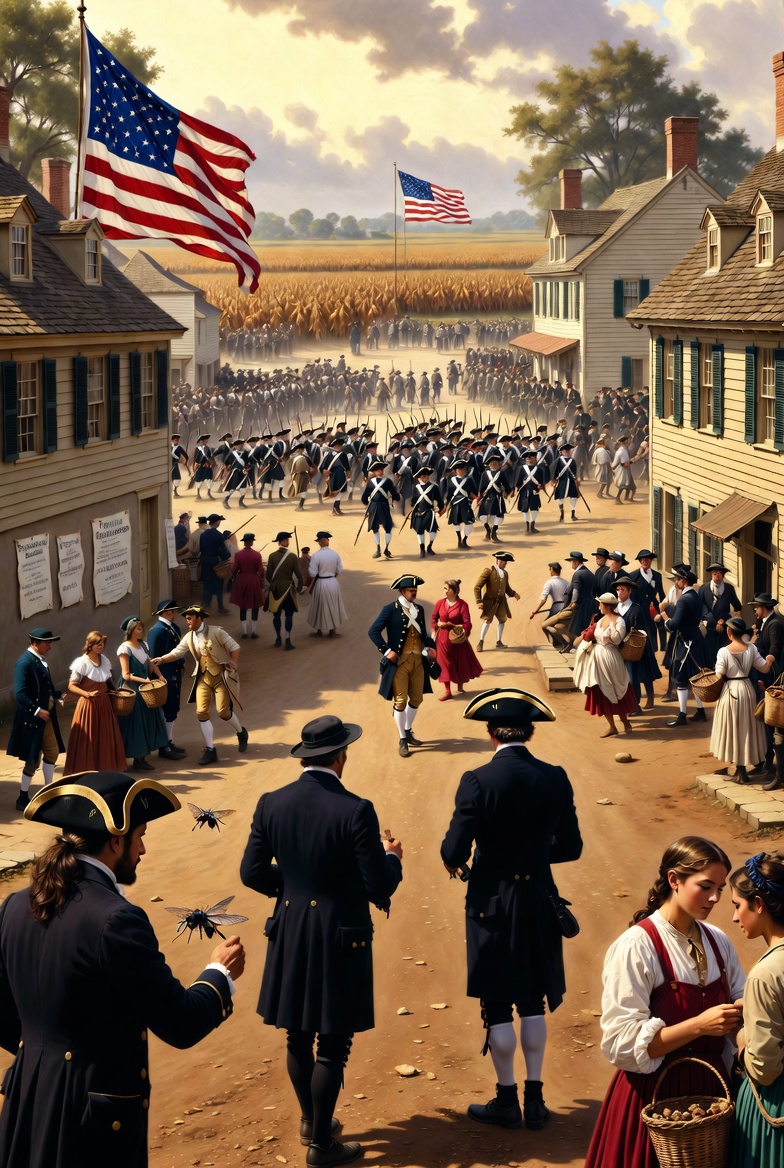 Life for ordinary Virginians was no picnic. Small farmers scraped by on tobacco, facing debt to British merchants. Artisans in Williamsburg grumbled about imported goods. Women managed households amid shortages. The elite—Washington, Jefferson, Mason—risked everything; treason was a hanging offense. Yet they pressed on, blending high ideals with gritty pragmatism.
Humor in the chaos: Delegates argued semantics while mosquitoes buzzed and the summer heat made wigs wilt. One can imagine Mason muttering about "posterity" while swatting flies. The convention balanced radicalism with caution—no full independence vote yet, but the Declaration was a de facto one.
Post-adoption, Virginia ratified its constitution on June 29, with the Declaration as its moral core. The war raged on—Yorktown victory years later—but the intellectual foundation was set. Mason, ever the reluctant celebrity, declined higher office but influenced profoundly.
### Echoes Through Time: Why This June 12 Moment Endures
The Declaration wasn't perfect. Slavery's shadow loomed large; "all men" excluded many. Yet its universal principles outgrew their creators, fueling abolition, women's suffrage, civil rights, and global liberty movements. It reminds us rights are inherent, not granted by government—government is the servant.
Fast-forward: In 1789, French revolutionaries echoed it. In 1791, the U.S. Bill of Rights borrowed its structure. Today, it lives in Virginia's constitution and inspires constitutions worldwide. Distant history? Yes. But its DNA is in every courtroom, ballot box, and free press defense.
### Applying the Flame: A Unique "Sovereignty Forge" Plan for Your Life
Ninety percent history done. Now, the motivational payoff—distilled, battle-tested, and deliberately unlike the generic "journal and affirm" self-help sludge flooding the internet. This isn't vision boards or hustle culture. It's a **Sovereignty Forge Protocol**—a quick, repeatable system modeled on the Declaration's principles: Claim inherent rights, separate powers in your life, hold yourself accountable, reform what fails, and defend liberty daily. It's gritty, historical-roleplay infused, and designed for real humans with bills, flaws, and distractions. Do this, and you stop being a passive subject in your own story.
**Core Philosophy (Declaration-Inspired):** You are equally free and independent. Your "government" (habits, relationships, work, finances) serves *you*. If it doesn't, reform or abolish. Rights aren't permissions—they're default settings.
Life for ordinary Virginians was no picnic. Small farmers scraped by on tobacco, facing debt to British merchants. Artisans in Williamsburg grumbled about imported goods. Women managed households amid shortages. The elite—Washington, Jefferson, Mason—risked everything; treason was a hanging offense. Yet they pressed on, blending high ideals with gritty pragmatism.
Humor in the chaos: Delegates argued semantics while mosquitoes buzzed and the summer heat made wigs wilt. One can imagine Mason muttering about "posterity" while swatting flies. The convention balanced radicalism with caution—no full independence vote yet, but the Declaration was a de facto one.
Post-adoption, Virginia ratified its constitution on June 29, with the Declaration as its moral core. The war raged on—Yorktown victory years later—but the intellectual foundation was set. Mason, ever the reluctant celebrity, declined higher office but influenced profoundly.
### Echoes Through Time: Why This June 12 Moment Endures
The Declaration wasn't perfect. Slavery's shadow loomed large; "all men" excluded many. Yet its universal principles outgrew their creators, fueling abolition, women's suffrage, civil rights, and global liberty movements. It reminds us rights are inherent, not granted by government—government is the servant.
Fast-forward: In 1789, French revolutionaries echoed it. In 1791, the U.S. Bill of Rights borrowed its structure. Today, it lives in Virginia's constitution and inspires constitutions worldwide. Distant history? Yes. But its DNA is in every courtroom, ballot box, and free press defense.
### Applying the Flame: A Unique "Sovereignty Forge" Plan for Your Life
Ninety percent history done. Now, the motivational payoff—distilled, battle-tested, and deliberately unlike the generic "journal and affirm" self-help sludge flooding the internet. This isn't vision boards or hustle culture. It's a **Sovereignty Forge Protocol**—a quick, repeatable system modeled on the Declaration's principles: Claim inherent rights, separate powers in your life, hold yourself accountable, reform what fails, and defend liberty daily. It's gritty, historical-roleplay infused, and designed for real humans with bills, flaws, and distractions. Do this, and you stop being a passive subject in your own story.
**Core Philosophy (Declaration-Inspired):** You are equally free and independent. Your "government" (habits, relationships, work, finances) serves *you*. If it doesn't, reform or abolish. Rights aren't permissions—they're default settings.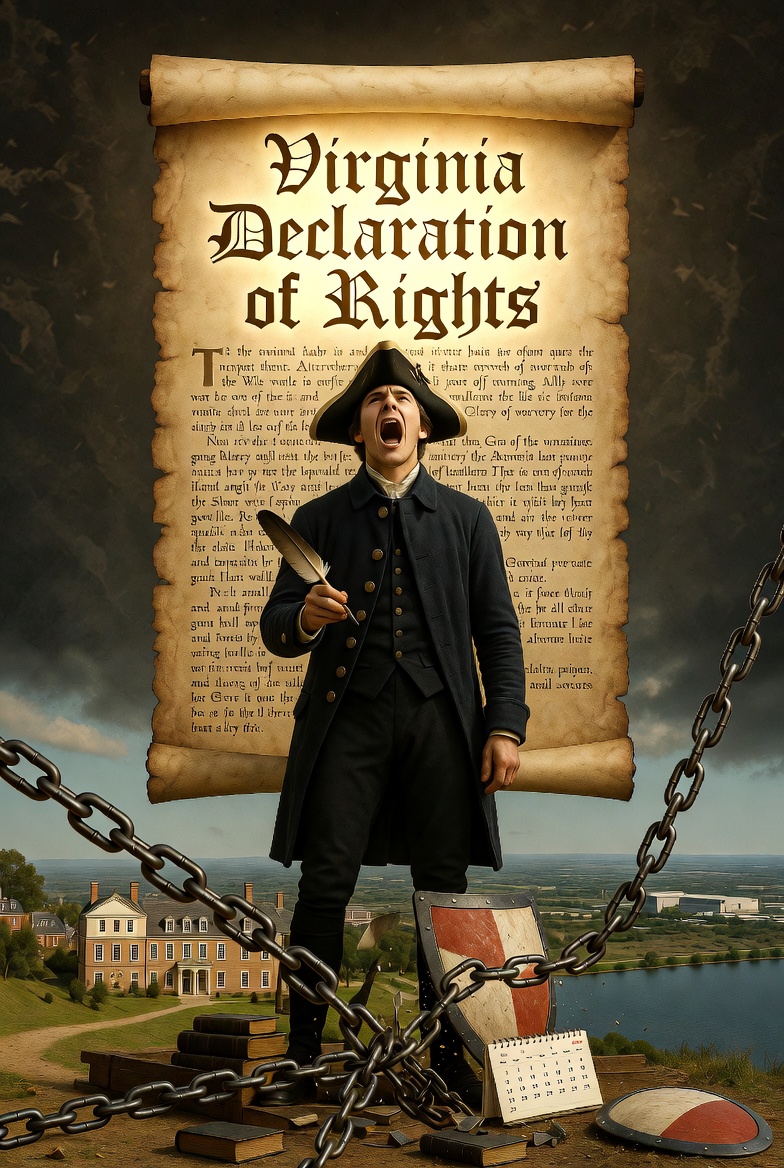 **The 7-Day Sovereignty Forge Cycle (Repeat Monthly, Tweak Ruthlessly):**
- **Day 1: Rights Inventory (Article 1 Style).** List your "inherent domains": health, time, money, relationships, skills, environment. For each, write one non-negotiable right (e.g., "Right to pursue meaningful work without soul-draining commute"). Funny test: If a colonial tyrant tried to take it, would you revolt? Score 1-10 on current respect level. Low scores = targets.
- **Day 2-3: Power Separation Audit (Article 5).** Treat your life like branches. "Legislative": Set rules/goals. "Executive": Daily execution. "Judicial": Weekly review without self-judgment bias. Example: Finance branch—separate checking (ops), savings (defense), investments (growth). Identify overlaps or tyrannies (e.g., phone notifications as "standing army" invading peace). Abolish one inefficiency.
- **Day 4: Accountability Tribunal (Articles 2, 15).** Act as your own magistrate. Review the week: What trustees (habits/apps/people) betrayed trust? No mercy for corrupt ones (e.g., delete doomscroll app). Celebrate wins publicly in a "broadside" journal entry. Humor hack: Name your inner saboteur after a historical villain (e.g., "Lord Dunmore's Debt Collector") and mock it.
- **Day 5: Reform or Abolish Drill (Article 3).** Pick one failing "regime" (bad relationship pattern, toxic routine, cluttered space). Design a replacement charter. Quick plan: 3 specific actions, timeline, metrics. Example: Abolish "endless meetings" at work by proposing agenda limits—channel Mason's precision.
- **Day 6: Liberty Defenses (Articles 8-13).** Build bulwarks. Free press = curate information sources ruthlessly. Militia = daily physical/mental training. Due process = fair self-talk rules. Press freedom exercise: Write one unfiltered opinion and share safely.
- **Day 7: Posterity Review & Celebration.** Assess impact on future you (posterity). Adjust. Reward with a liberty-affirming act (read primary source, walk unplugged, help someone claim their rights). Toast with something colonial-inspired (rum? herbal tea?).
**Why This Crushes Generic Self-Help:** It's not fluffy positivity—it's adversarial, drawing from revolutionary tension. No endless gratitude lists; instead, structured audits like a convention committee. Measurable, historical LARP (Live Action Role Play) elements keep it fun and sticky. Scales from overwhelmed beginner (one article/week) to advanced (full yearly constitutional convention for life goals). Unique twist: "Enemy Simulation"—role-play external "tyrants" (boss, algorithms, inner critic) and practice Declaration responses. Results compound because it treats life as a sovereign republic, not a hamster wheel.
Apply this, and June 12 becomes your personal independence day. The delegates in Williamsburg risked everything for abstract principles. You risk far less to live them daily. Claim your inherent rights. Forge your sovereignty. The fire they lit still burns—stoke it.
**The 7-Day Sovereignty Forge Cycle (Repeat Monthly, Tweak Ruthlessly):**
- **Day 1: Rights Inventory (Article 1 Style).** List your "inherent domains": health, time, money, relationships, skills, environment. For each, write one non-negotiable right (e.g., "Right to pursue meaningful work without soul-draining commute"). Funny test: If a colonial tyrant tried to take it, would you revolt? Score 1-10 on current respect level. Low scores = targets.
- **Day 2-3: Power Separation Audit (Article 5).** Treat your life like branches. "Legislative": Set rules/goals. "Executive": Daily execution. "Judicial": Weekly review without self-judgment bias. Example: Finance branch—separate checking (ops), savings (defense), investments (growth). Identify overlaps or tyrannies (e.g., phone notifications as "standing army" invading peace). Abolish one inefficiency.
- **Day 4: Accountability Tribunal (Articles 2, 15).** Act as your own magistrate. Review the week: What trustees (habits/apps/people) betrayed trust? No mercy for corrupt ones (e.g., delete doomscroll app). Celebrate wins publicly in a "broadside" journal entry. Humor hack: Name your inner saboteur after a historical villain (e.g., "Lord Dunmore's Debt Collector") and mock it.
- **Day 5: Reform or Abolish Drill (Article 3).** Pick one failing "regime" (bad relationship pattern, toxic routine, cluttered space). Design a replacement charter. Quick plan: 3 specific actions, timeline, metrics. Example: Abolish "endless meetings" at work by proposing agenda limits—channel Mason's precision.
- **Day 6: Liberty Defenses (Articles 8-13).** Build bulwarks. Free press = curate information sources ruthlessly. Militia = daily physical/mental training. Due process = fair self-talk rules. Press freedom exercise: Write one unfiltered opinion and share safely.
- **Day 7: Posterity Review & Celebration.** Assess impact on future you (posterity). Adjust. Reward with a liberty-affirming act (read primary source, walk unplugged, help someone claim their rights). Toast with something colonial-inspired (rum? herbal tea?).
**Why This Crushes Generic Self-Help:** It's not fluffy positivity—it's adversarial, drawing from revolutionary tension. No endless gratitude lists; instead, structured audits like a convention committee. Measurable, historical LARP (Live Action Role Play) elements keep it fun and sticky. Scales from overwhelmed beginner (one article/week) to advanced (full yearly constitutional convention for life goals). Unique twist: "Enemy Simulation"—role-play external "tyrants" (boss, algorithms, inner critic) and practice Declaration responses. Results compound because it treats life as a sovereign republic, not a hamster wheel.
Apply this, and June 12 becomes your personal independence day. The delegates in Williamsburg risked everything for abstract principles. You risk far less to live them daily. Claim your inherent rights. Forge your sovereignty. The fire they lit still burns—stoke it.