On May 28, 621, in the dusty, strategically vital Hulao Pass (also known as the Tiger's Trap Pass) near modern-day Xingyang in Henan Province, China, a young prince named Li Shimin orchestrated one of the most audacious military masterstrokes in history. Facing what sources describe as massively superior forces from the Xia army led by the formidable warlord Dou Jiande—estimates ranging from tens of thousands to an exaggerated but symbolically crushing 100,000-plus—Li Shimin, with a core Tang force that was far smaller and battle-weary from a prolonged siege of Luoyang, turned potential disaster into decisive triumph. This wasn't just a battle; it was the pivot point that secured the Tang Dynasty's dominance after the chaotic collapse of the Sui Empire, ushering in one of China's greatest golden ages of prosperity, culture, and innovation.
The context of this day stretches back through years of turmoil. The Sui Dynasty, which had reunified China after centuries of division, crumbled under the weight of extravagant projects like the Grand Canal, brutal corvée labor, and disastrous military campaigns against Korea. By the early 7th century, warlords and rebel factions carved up the realm. Li Shimin's father, Li Yuan (who became Emperor Gaozu), had risen in rebellion and established the Tang in 618, but rivals like Wang Shichong (who declared himself emperor of a revived Zheng state in Luoyang) and Dou Jiande (ruler of the Xia in the east) posed existential threats.
Li Shimin, then in his early 20s, had already proven himself a brilliant commander in earlier campaigns. In 620, he was tasked with besieging the fortified city of Luoyang, held by the cunning Wang Shichong. The siege dragged on for months, draining Tang resources and testing morale. Wang, desperate, appealed to Dou Jiande for aid. Dou mobilized a massive relief army, marching westward to break the siege and crush the Tang upstarts once and for all.
As Dou's forces approached Hulao Pass—a narrow, defensible chokepoint east of Luoyang that controlled key routes—Li Shimin made a bold decision. Instead of continuing the full siege or retreating, he split his forces strategically, leaving enough to maintain pressure on Luoyang while leading a detachment to confront the incoming threat head-on. Historical accounts paint a picture of a numerically inferior Tang force digging in at the pass, using the terrain to their advantage. Hulao Pass, with its steep cliffs and confined approaches, was literally a "tiger trap"—a place where a smaller, disciplined force could neutralize superior numbers.
The confrontation on May 28 was masterful in its psychology and timing. Li Shimin's troops had endured the grueling siege, but he boosted their spirits with personal leadership. Accounts describe him leading small raiding parties to probe enemy lines, disrupting supplies, and harassing foragers. When Dou's army arrived, exhausted from the march and low on provisions after weeks of maneuvering, Li Shimin refused immediate pitched battle. He let the Xia forces tire themselves out in the summer heat, arrayed in the open but unable to force a decisive engagement on favorable terms.
Then came the decisive moment. After a period of standoff—some records suggest days of probing and waiting—Li Shimin unleashed a coordinated assault. He personally led a cavalry charge, a high-risk gamble that showcased his legendary bravery. The Tang forces struck at the weary Xia lines, exploiting gaps created by prior raids and the enemy's stretched logistics. The battle turned into a rout. Dou Jiande was captured, his army shattered, with thousands killed or taken prisoner. The victory was total. With Dou defeated, Wang Shichong's position in Luoyang became untenable; he surrendered soon after. This double triumph effectively ended the major civil wars following the Sui collapse, allowing the Tang to consolidate power.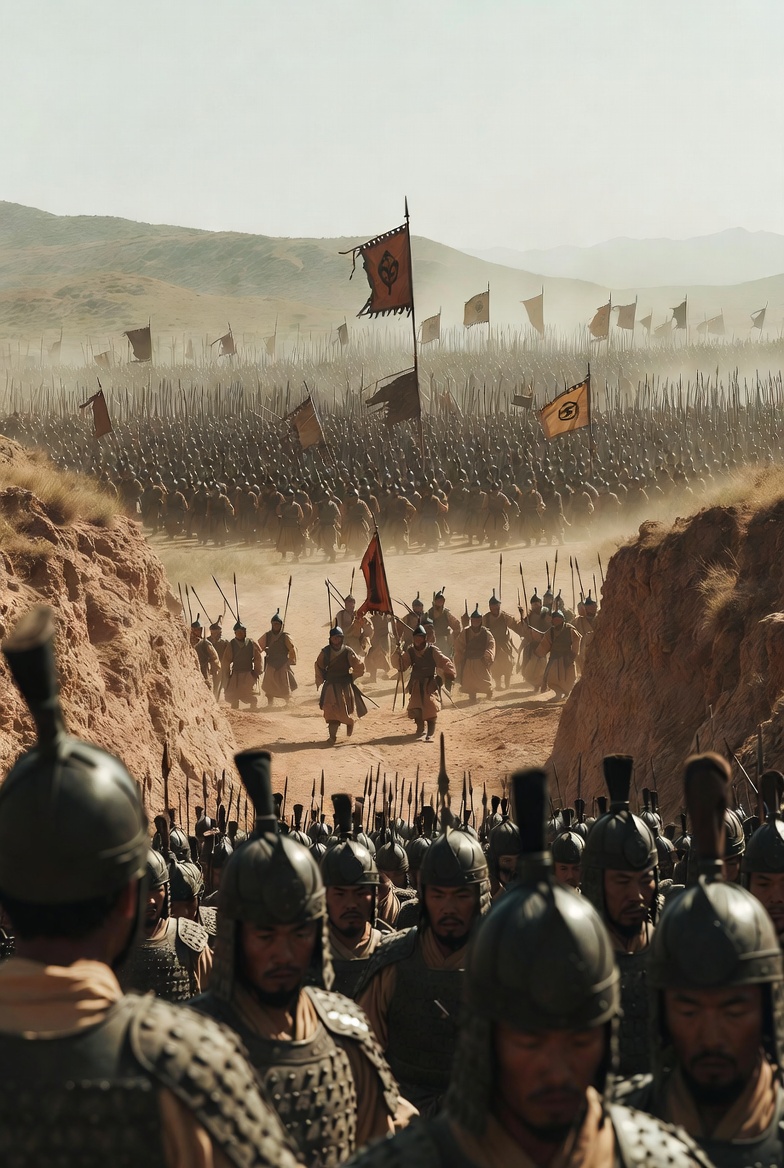 The significance ripples far beyond one afternoon. Li Shimin would later become Emperor Taizong (r. 626–649), one of China's most revered rulers. His victory at Hulao laid the foundation for the Tang Golden Age: political stability through the "Reign of Zhenguan," economic boom via equitable land reforms and tax systems, cultural flourishing with poetry (think Li Bai and Du Fu), advancements in medicine, technology (like woodblock printing precursors), and expansive diplomacy along the Silk Road. The Tang became a cosmopolitan empire where ideas from Buddhism, Central Asia, and beyond thrived. Without Hulao, the trajectory of East Asian history—and its influence on the world—might have been profoundly different.
What makes this event particularly resonant is the human drama. Li Shimin wasn't some untouchable demigod; he was a young leader facing existential pressure. His father’s regime was fragile. Rivals were battle-hardened veterans with larger armies and established territories. Supplies were short, troops fatigued from endless campaigning. Yet he chose audacity over caution, terrain mastery over brute force, patience followed by explosive action over reactive defense. Ancient chroniclers like those in the *Old Book of Tang* emphasize his reconnaissance, morale-building, and ability to turn the enemy's momentum against them.
Humorously, imagine the scene: massive Xia hordes thinking they’re about to steamroll these upstart Tang rebels, only to find themselves funneled into a literal tiger trap, exhausted, hungry, and then hit by a prince leading a thunderous cavalry charge like something out of a wuxia epic. Dou Jiande probably expected an easy sack of the besiegers; instead, he ended up a prisoner, his dreams of empire evaporated in the Henan dust. It’s the ultimate underdog story with a strategic twist that would make Sun Tzu nod approvingly.
The battle also highlights the era's military evolution. Post-Sui China saw heavy reliance on cavalry, crossbows, and fortified positions. Li Shimin’s use of feints, supply interdiction, and timed charges prefigured later great captains. It wasn’t luck—it was preparation meeting opportunity in a chokepoint that amplified every Tang advantage while magnifying Xia vulnerabilities. The "Tiger's Trap" name itself is poetic justice: the pass had a reputation for ensnaring the overconfident throughout Chinese history.
Diving deeper into the historical tapestry, the lead-up involved intricate alliances and betrayals. Wang Shichong was a former Sui general known for his ruthlessness and political maneuvering. Dou Jiande, by contrast, cultivated a reputation as a more populist leader among his Hebei followers, emphasizing discipline and welfare for troops. Their alliance was one of convenience against the rising Tang star. Li Yuan’s Tang forces had already won key victories, but Hulao was the knockout blow. Post-battle, the integration of former Xia and Zheng territories brought vast manpower and resources into the Tang fold, stabilizing the north and allowing focus on further unification and reforms.
The significance ripples far beyond one afternoon. Li Shimin would later become Emperor Taizong (r. 626–649), one of China's most revered rulers. His victory at Hulao laid the foundation for the Tang Golden Age: political stability through the "Reign of Zhenguan," economic boom via equitable land reforms and tax systems, cultural flourishing with poetry (think Li Bai and Du Fu), advancements in medicine, technology (like woodblock printing precursors), and expansive diplomacy along the Silk Road. The Tang became a cosmopolitan empire where ideas from Buddhism, Central Asia, and beyond thrived. Without Hulao, the trajectory of East Asian history—and its influence on the world—might have been profoundly different.
What makes this event particularly resonant is the human drama. Li Shimin wasn't some untouchable demigod; he was a young leader facing existential pressure. His father’s regime was fragile. Rivals were battle-hardened veterans with larger armies and established territories. Supplies were short, troops fatigued from endless campaigning. Yet he chose audacity over caution, terrain mastery over brute force, patience followed by explosive action over reactive defense. Ancient chroniclers like those in the *Old Book of Tang* emphasize his reconnaissance, morale-building, and ability to turn the enemy's momentum against them.
Humorously, imagine the scene: massive Xia hordes thinking they’re about to steamroll these upstart Tang rebels, only to find themselves funneled into a literal tiger trap, exhausted, hungry, and then hit by a prince leading a thunderous cavalry charge like something out of a wuxia epic. Dou Jiande probably expected an easy sack of the besiegers; instead, he ended up a prisoner, his dreams of empire evaporated in the Henan dust. It’s the ultimate underdog story with a strategic twist that would make Sun Tzu nod approvingly.
The battle also highlights the era's military evolution. Post-Sui China saw heavy reliance on cavalry, crossbows, and fortified positions. Li Shimin’s use of feints, supply interdiction, and timed charges prefigured later great captains. It wasn’t luck—it was preparation meeting opportunity in a chokepoint that amplified every Tang advantage while magnifying Xia vulnerabilities. The "Tiger's Trap" name itself is poetic justice: the pass had a reputation for ensnaring the overconfident throughout Chinese history.
Diving deeper into the historical tapestry, the lead-up involved intricate alliances and betrayals. Wang Shichong was a former Sui general known for his ruthlessness and political maneuvering. Dou Jiande, by contrast, cultivated a reputation as a more populist leader among his Hebei followers, emphasizing discipline and welfare for troops. Their alliance was one of convenience against the rising Tang star. Li Yuan’s Tang forces had already won key victories, but Hulao was the knockout blow. Post-battle, the integration of former Xia and Zheng territories brought vast manpower and resources into the Tang fold, stabilizing the north and allowing focus on further unification and reforms.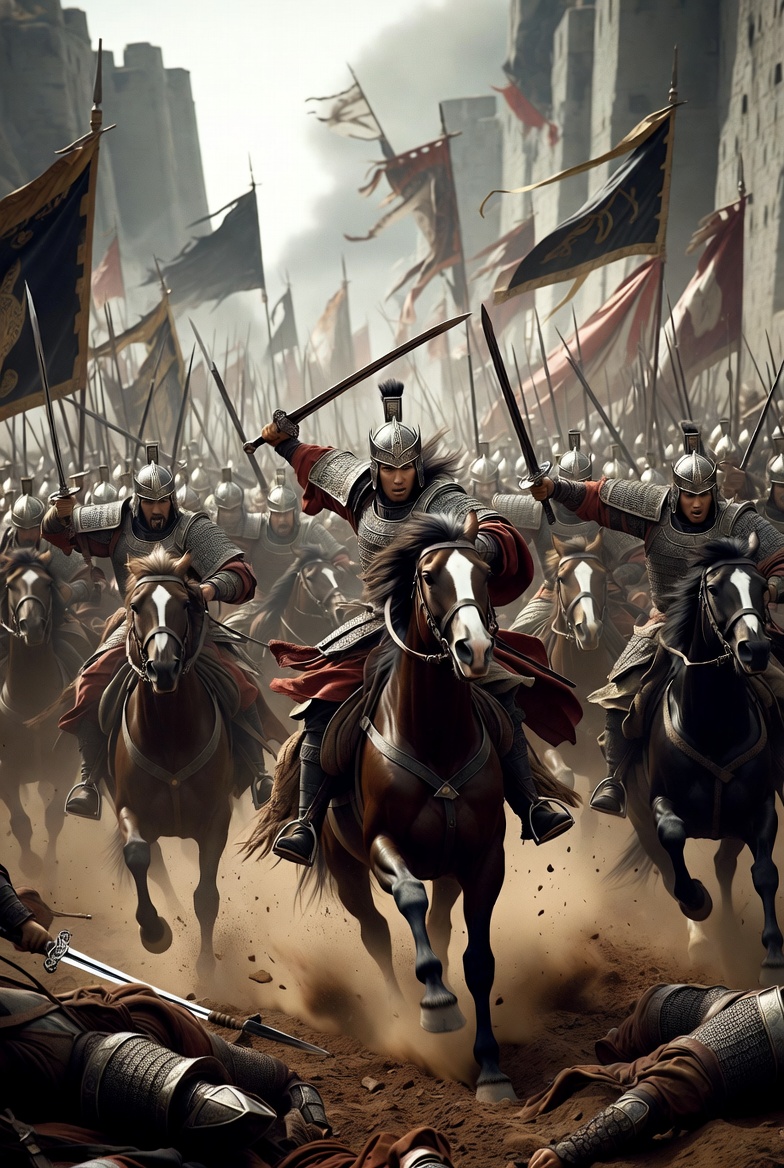 Archaeological and textual evidence, while not pinpointing every sword stroke, confirms the strategic importance of Hulao Pass across dynasties. It was a recurring flashpoint because of geography: controlling it meant controlling access between the Yellow River plains and eastern regions. On that May day in 621, the weather likely played a role too—oppressive heat sapping the larger army's energy while the defenders held higher or shaded positions. Li Shimin’s personal involvement wasn’t mere bravado; in an era where commanders led from the front to inspire loyalty, it forged unbreakable bonds with his men, many of whom became his most trusted generals.
This event stands out in "distant history" not just for its date but for its lessons in resilience amid chaos. The Sui-Tang transition was a time of hyperinflation, banditry, famine, and shifting loyalties—much like our own eras of disruption, though on a grander, bloodier scale. Yet from that maelstrom emerged institutions that influenced governance for centuries: the imperial examination system roots, cosmopolitan capital at Chang’an, and a model of benevolent yet firm rule under Taizong.
The funny irony? The "invincible" larger force, bloated with confidence, got trapped by its own size—logistics nightmare in narrow passes, command-and-control breakdowns under fatigue. Li Shimin, lean and adaptive, danced around them like a matador with a empire-sized bull. It’s motivational gold: sometimes the giant swings wildly and trips over its own feet if you stay nimble.
**Applying the Tiger's Trap to Your Life: Specific Benefits and a One-of-a-Kind "Hulao Hammer Protocol"**
The outcome of Hulao Pass—turning numerical inferiority and exhaustion into total strategic dominance—offers profound, actionable wisdom for modern individuals. Instead of generic "think positive" or "hustle harder" tropes, this draws directly from the battle's unique blend of terrain mastery, patient attrition, bold decisive strike, and leadership under duress. It creates benefits that compound quietly then explode forward.
- **Benefit 1: Master Your Personal "Passes" by Identifying Chokepoints.** Just as Li Shimin used Hulao’s geography to negate enemy numbers, you benefit by mapping your daily life for natural bottlenecks—time sinks, decision fatigue points, or skill gaps—then fortifying them. This leads to exponential efficiency: instead of scattering energy across 20 tasks, you channel it where resistance is highest but payoff is massive, turning overwhelm into controlled dominance. Over months, this creates "unassailable positions" in career or personal projects where competitors or distractions can't easily dislodge you.
- **Benefit 2: Exhaust the Opposition Through Strategic Patience.** The Tang waited out the Xia's fatigue. Applied today, this means enduring short-term discomfort in habits or negotiations without premature confrontation, wearing down procrastination, bad influences, or market volatility. The payoff? You enter key moments (promotions, investments, health milestones) with superior reserves, achieving breakthroughs that feel effortless but stem from disciplined delay. This builds unshakeable confidence rooted in proven timing rather than hype.
Archaeological and textual evidence, while not pinpointing every sword stroke, confirms the strategic importance of Hulao Pass across dynasties. It was a recurring flashpoint because of geography: controlling it meant controlling access between the Yellow River plains and eastern regions. On that May day in 621, the weather likely played a role too—oppressive heat sapping the larger army's energy while the defenders held higher or shaded positions. Li Shimin’s personal involvement wasn’t mere bravado; in an era where commanders led from the front to inspire loyalty, it forged unbreakable bonds with his men, many of whom became his most trusted generals.
This event stands out in "distant history" not just for its date but for its lessons in resilience amid chaos. The Sui-Tang transition was a time of hyperinflation, banditry, famine, and shifting loyalties—much like our own eras of disruption, though on a grander, bloodier scale. Yet from that maelstrom emerged institutions that influenced governance for centuries: the imperial examination system roots, cosmopolitan capital at Chang’an, and a model of benevolent yet firm rule under Taizong.
The funny irony? The "invincible" larger force, bloated with confidence, got trapped by its own size—logistics nightmare in narrow passes, command-and-control breakdowns under fatigue. Li Shimin, lean and adaptive, danced around them like a matador with a empire-sized bull. It’s motivational gold: sometimes the giant swings wildly and trips over its own feet if you stay nimble.
**Applying the Tiger's Trap to Your Life: Specific Benefits and a One-of-a-Kind "Hulao Hammer Protocol"**
The outcome of Hulao Pass—turning numerical inferiority and exhaustion into total strategic dominance—offers profound, actionable wisdom for modern individuals. Instead of generic "think positive" or "hustle harder" tropes, this draws directly from the battle's unique blend of terrain mastery, patient attrition, bold decisive strike, and leadership under duress. It creates benefits that compound quietly then explode forward.
- **Benefit 1: Master Your Personal "Passes" by Identifying Chokepoints.** Just as Li Shimin used Hulao’s geography to negate enemy numbers, you benefit by mapping your daily life for natural bottlenecks—time sinks, decision fatigue points, or skill gaps—then fortifying them. This leads to exponential efficiency: instead of scattering energy across 20 tasks, you channel it where resistance is highest but payoff is massive, turning overwhelm into controlled dominance. Over months, this creates "unassailable positions" in career or personal projects where competitors or distractions can't easily dislodge you.
- **Benefit 2: Exhaust the Opposition Through Strategic Patience.** The Tang waited out the Xia's fatigue. Applied today, this means enduring short-term discomfort in habits or negotiations without premature confrontation, wearing down procrastination, bad influences, or market volatility. The payoff? You enter key moments (promotions, investments, health milestones) with superior reserves, achieving breakthroughs that feel effortless but stem from disciplined delay. This builds unshakeable confidence rooted in proven timing rather than hype.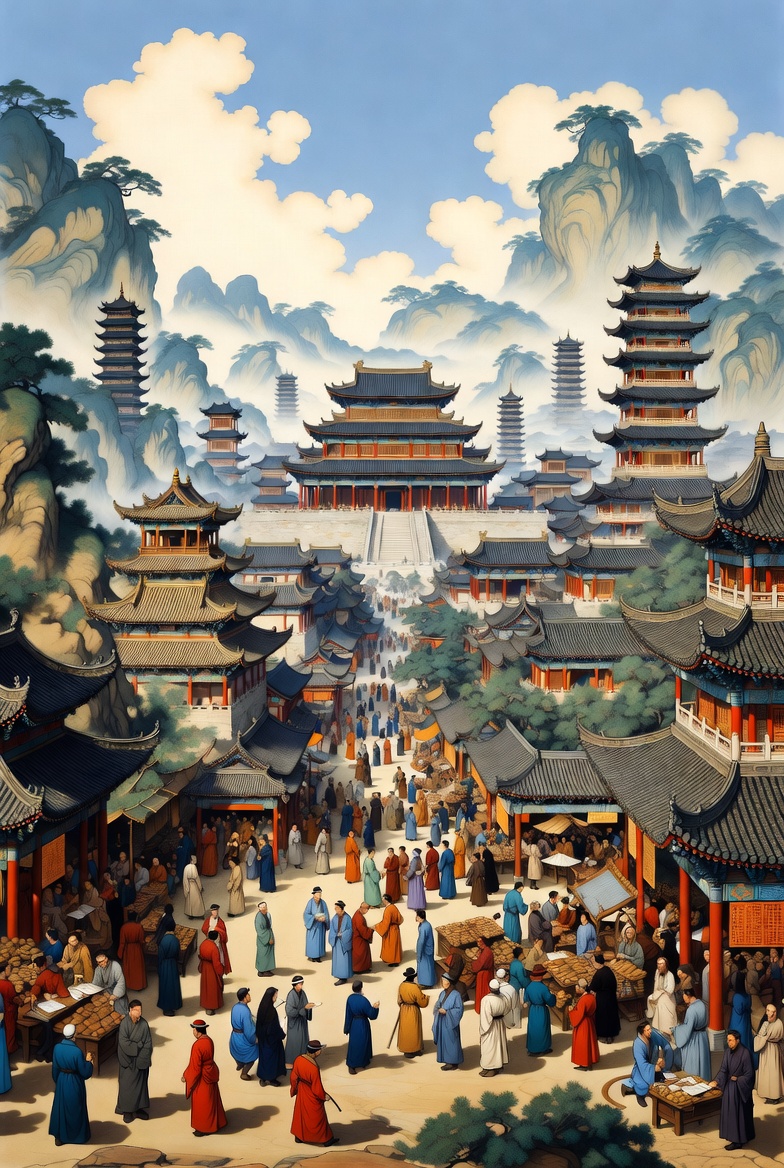 - **Benefit 3: Lead with Personal Charges for Unbreakable Loyalty.** Li Shimin's front-line role inspired his men. In your life, this translates to visible commitment in relationships or teams—rolling up sleeves on tough projects—which forges deeper alliances. Benefit: networks that amplify your efforts tenfold, turning solo struggles into collective victories, with reduced betrayal risk because trust is battle-tested.
- **Benefit 4: Convert Captured "Territory" into Lasting Empire.** Post-Hulao integration of rivals' assets fueled Tang growth. You gain by absorbing lessons/skills from setbacks or "defeated" bad habits (e.g., repurposing failure data into systems), expanding your personal "empire" of capabilities. This creates compound growth: one victory seeds infrastructure for the next, leading to golden-age levels of fulfillment and achievement.
- **Benefit 5: Embrace the Tiger Trap Mindset Against Overconfidence.** The Xia's downfall reminds you to stay humble about scale. Benefit: avoiding burnout from oversized goals without preparation, while capitalizing on others' overreach. This fosters sustainable motivation, humorous self-awareness during chaos, and resilience that laughs at temporary darkness.
**The Hulao Hammer Protocol: A Quick, Unique 7-Day System Unlike Any Self-Help Drivel Online**
Forget vision boards, gratitude journals, or 75 Hard clones. This protocol is a battlefield simulation tailored to one decisive day in 621: terrain recon, attrition prep, morale forge, supply raid, timed charge, territory consolidation, and legacy guard. It's gritty, historical, funny in its intensity, and executable in under 30-45 minutes daily. Do it once, adapt forever. No apps. No communities. Just you, history's echo, and hammer strikes on your personal chaos.
**Day 1: Terrain Recon (Map Your Hulao Pass)**
Spend 20 minutes listing 3-5 "passes" in your life—specific bottlenecks like "morning email deluge," "procrastination on skill X," or "toxic relationship drain." For each, note advantages (your unique strengths) and enemy weaknesses (opposition's fatigue points). Laugh at the absurdity of past failed frontal assaults. End by sketching a crude map on paper. Outcome: Clarity that turns vague overwhelm into defensible ground.
**Day 2: Attrition Prep (Build Reserves Like Weary Tang Troops)**
Identify one energy-draining "Xia march" (e.g., doom-scrolling, poor sleep). Cut it by 50% while adding one micro-replenisher (e.g., 10-minute walk with historical podcast on Tang tactics). Track fatigue levels humorously, like a general noting troop morale. This isn't deprivation—it's positioning for when the real battle hits. Benefit compounds: you enter challenges rested while others gasp.
- **Benefit 3: Lead with Personal Charges for Unbreakable Loyalty.** Li Shimin's front-line role inspired his men. In your life, this translates to visible commitment in relationships or teams—rolling up sleeves on tough projects—which forges deeper alliances. Benefit: networks that amplify your efforts tenfold, turning solo struggles into collective victories, with reduced betrayal risk because trust is battle-tested.
- **Benefit 4: Convert Captured "Territory" into Lasting Empire.** Post-Hulao integration of rivals' assets fueled Tang growth. You gain by absorbing lessons/skills from setbacks or "defeated" bad habits (e.g., repurposing failure data into systems), expanding your personal "empire" of capabilities. This creates compound growth: one victory seeds infrastructure for the next, leading to golden-age levels of fulfillment and achievement.
- **Benefit 5: Embrace the Tiger Trap Mindset Against Overconfidence.** The Xia's downfall reminds you to stay humble about scale. Benefit: avoiding burnout from oversized goals without preparation, while capitalizing on others' overreach. This fosters sustainable motivation, humorous self-awareness during chaos, and resilience that laughs at temporary darkness.
**The Hulao Hammer Protocol: A Quick, Unique 7-Day System Unlike Any Self-Help Drivel Online**
Forget vision boards, gratitude journals, or 75 Hard clones. This protocol is a battlefield simulation tailored to one decisive day in 621: terrain recon, attrition prep, morale forge, supply raid, timed charge, territory consolidation, and legacy guard. It's gritty, historical, funny in its intensity, and executable in under 30-45 minutes daily. Do it once, adapt forever. No apps. No communities. Just you, history's echo, and hammer strikes on your personal chaos.
**Day 1: Terrain Recon (Map Your Hulao Pass)**
Spend 20 minutes listing 3-5 "passes" in your life—specific bottlenecks like "morning email deluge," "procrastination on skill X," or "toxic relationship drain." For each, note advantages (your unique strengths) and enemy weaknesses (opposition's fatigue points). Laugh at the absurdity of past failed frontal assaults. End by sketching a crude map on paper. Outcome: Clarity that turns vague overwhelm into defensible ground.
**Day 2: Attrition Prep (Build Reserves Like Weary Tang Troops)**
Identify one energy-draining "Xia march" (e.g., doom-scrolling, poor sleep). Cut it by 50% while adding one micro-replenisher (e.g., 10-minute walk with historical podcast on Tang tactics). Track fatigue levels humorously, like a general noting troop morale. This isn't deprivation—it's positioning for when the real battle hits. Benefit compounds: you enter challenges rested while others gasp. **Day 3: Morale Forge (Personal Cavalry Inspiration)**
Recall a past small win. Write a 5-sentence "charge speech" to yourself as if Li Shimin rallying troops. Read it aloud before one hard task. Then, visibly commit to one team/family member by helping with *their* bottleneck. The humor? Channeling ancient Chinese prince energy in your cubicle or kitchen. This builds internal fire and external loyalty without forced positivity.
**Day 4: Supply Raid (Harass and Disrupt)**
Target one "enemy supply line"—a habit or external pressure feeding your main problem (e.g., if goal is fitness, raid junk food access; if career, disrupt distraction apps). Use one clever feint: replace with a Tang-inspired alternative (simple, effective tool). Keep it light and tactical. Result: Enemy weakens without full confrontation.
**Day 5: Timed Charge (The Hulao Hammer Strike)**
Pick one priority "battle." After patient prep, go all-in with focused intensity for a set block (e.g., 90 minutes deep work). Lead from the front—no delegation excuses. Celebrate the rout with a small ritual (tea toast to Taizong). This isn't daily hustle; it's the decisive, exhilarating push that breaks stalemates.
**Day 6: Territory Consolidation (Absorb the Victory)**
Review what "surrendered" from the charge—new insights, completed tasks, captured resources. Integrate them: repurpose one failure element into a system (e.g., turn lost time data into a better calendar). Expand your "empire" by sharing one lesson anonymously or mentoring briefly. This prevents post-victory collapse, turning one win into infrastructure.
**Day 7: Legacy Guard (Fortify for Golden Age)**
Assess the week's "dynasty." Set one long-term reform inspired by Tang governance—equitable "land" distribution of your time/energy. Review with humor: "Did I trap the tiger or get trapped?" Adjust and commit to one quarterly re-run. This ensures sustainability, preventing the Sui-style overreach that doomed predecessors.
Run this protocol quarterly or before big goals. It's unique because it's *embodied history*: simulating ancient command decisions in your flesh-and-blood life, blending strategy, grit, and wit. No one else online ties self-mastery to a specific May 28, 621, cavalry charge in a tiger trap. Results? You don't just cope with odds—you rewrite them, building a personal golden age of capability, alliances, and legacy that echoes 1,400 years later.
The Battle of Hulao on May 28, 621, wasn't the end of chaos but the spark of greatness. Channel its spirit, hammer your passes, and watch your individual empire rise. The tiger awaits—make it your trap.
**Day 3: Morale Forge (Personal Cavalry Inspiration)**
Recall a past small win. Write a 5-sentence "charge speech" to yourself as if Li Shimin rallying troops. Read it aloud before one hard task. Then, visibly commit to one team/family member by helping with *their* bottleneck. The humor? Channeling ancient Chinese prince energy in your cubicle or kitchen. This builds internal fire and external loyalty without forced positivity.
**Day 4: Supply Raid (Harass and Disrupt)**
Target one "enemy supply line"—a habit or external pressure feeding your main problem (e.g., if goal is fitness, raid junk food access; if career, disrupt distraction apps). Use one clever feint: replace with a Tang-inspired alternative (simple, effective tool). Keep it light and tactical. Result: Enemy weakens without full confrontation.
**Day 5: Timed Charge (The Hulao Hammer Strike)**
Pick one priority "battle." After patient prep, go all-in with focused intensity for a set block (e.g., 90 minutes deep work). Lead from the front—no delegation excuses. Celebrate the rout with a small ritual (tea toast to Taizong). This isn't daily hustle; it's the decisive, exhilarating push that breaks stalemates.
**Day 6: Territory Consolidation (Absorb the Victory)**
Review what "surrendered" from the charge—new insights, completed tasks, captured resources. Integrate them: repurpose one failure element into a system (e.g., turn lost time data into a better calendar). Expand your "empire" by sharing one lesson anonymously or mentoring briefly. This prevents post-victory collapse, turning one win into infrastructure.
**Day 7: Legacy Guard (Fortify for Golden Age)**
Assess the week's "dynasty." Set one long-term reform inspired by Tang governance—equitable "land" distribution of your time/energy. Review with humor: "Did I trap the tiger or get trapped?" Adjust and commit to one quarterly re-run. This ensures sustainability, preventing the Sui-style overreach that doomed predecessors.
Run this protocol quarterly or before big goals. It's unique because it's *embodied history*: simulating ancient command decisions in your flesh-and-blood life, blending strategy, grit, and wit. No one else online ties self-mastery to a specific May 28, 621, cavalry charge in a tiger trap. Results? You don't just cope with odds—you rewrite them, building a personal golden age of capability, alliances, and legacy that echoes 1,400 years later.
The Battle of Hulao on May 28, 621, wasn't the end of chaos but the spark of greatness. Channel its spirit, hammer your passes, and watch your individual empire rise. The tiger awaits—make it your trap.