On April 29, 1854, in the quiet legislative chambers of Harrisburg, Pennsylvania, Governor William Bigler dipped his pen and signed a single piece of paper. It wasn’t a declaration of war, a treaty, or a constitutional amendment. It was a charter—dry, bureaucratic, almost forgettable on the surface—for something called the Ashmun Institute. A school. For “colored youth of the male sex.” In the middle of a nation hurtling toward civil war, where teaching Black people to read could get you whipped or worse in half the states, this charter was an act of quiet insurrection. It didn’t make headlines in every newspaper. It didn’t spark riots or parades. But it quietly lit the fuse on one of the most improbable success stories in American history: the nation’s first degree-granting historically Black college or university. And its ripple effects would reshape education, civil rights, medicine, law, poetry, and even entire nations on two continents.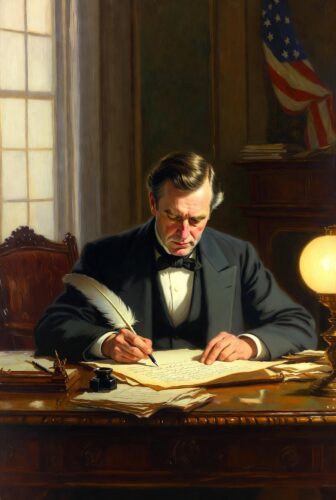 To understand why this random Tuesday in April mattered so much, we have to rewind the clock—not just a few years, but deep into the tangled roots of American education, race, and hope. By the 1850s, the United States was a house divided in more ways than one. Slavery was legal and thriving in the South, and even in the “free” North, Black Americans faced a suffocating web of restrictions. Pennsylvania, where the Ashmun Institute would rise in the rolling hills of Chester County, had abolished slavery decades earlier, but that didn’t mean equality. Free Black communities in Philadelphia and rural areas scraped together education where they could—through secret night schools, church basements, and the tireless work of the Pennsylvania Abolition Society (PAS). The PAS had opened one of the earliest schools for Black children in Philadelphia as far back as 1793, with teachers like Eleanor Harris leading classes on Cherry Street. By the 1820s and 1830s, free Black families in the city fought tooth and nail to keep public schools open after white officials tried to defund them. They raised their own money, hired their own teachers, and turned education into a survival strategy.
Higher education? That was a pipe dream. Northern colleges like Harvard, Yale, and Princeton were lily-white fortresses. A few exceptional Black students had slipped through cracks elsewhere, but systematic exclusion was the rule. Imagine a young freedman named James Ralston Amos—smart, ambitious, called to the ministry. In the early 1850s he approached established schools only to be turned away because of his race. No room at the inn. No debate. Just doors slammed shut. This wasn’t abstract prejudice; it was the daily reality that made higher learning feel as impossible as flying to the moon.
Enter the Rev. John Miller Dickey and his wife, Sarah Emlen Cresson. Dickey wasn’t some fire-breathing radical abolitionist waving banners in Boston. He was a Presbyterian minister with deep roots in Oxford, Pennsylvania—a small town where his father had pastored the local church. Dickey had studied at Princeton Theological Seminary, preached to enslaved people in Georgia (an experience that left him convinced of the moral rot of the system), and thrown himself into practical philanthropy. In 1851 he got involved in the high-profile case of the Parker sisters—two free Black girls from Chester County kidnapped by Maryland slave raiders. The ordeal ended tragically when a local white man, Joseph Miller, who tried to intervene, was murdered. Dickey helped secure the girls’ freedom through the courts, but the episode crystallized something for him: education wasn’t just nice; it was armor.
Sarah brought her own firepower. From a prominent Philadelphia Quaker family with a long tradition of service, she had inherited a deep commitment to helping the marginalized. Together, the Dickeys had already tried—and failed—to get James Amos into college. So Dickey did what any determined pastor would: he tutored the young man himself, preparing him for ministry right there in the parsonage. But one student wasn’t enough. Dickey dreamed bigger. He envisioned an entire institution dedicated to “scientific, classical, and theological education” for Black men. No half-measures. No vocational training only. Real college-level rigor.
To understand why this random Tuesday in April mattered so much, we have to rewind the clock—not just a few years, but deep into the tangled roots of American education, race, and hope. By the 1850s, the United States was a house divided in more ways than one. Slavery was legal and thriving in the South, and even in the “free” North, Black Americans faced a suffocating web of restrictions. Pennsylvania, where the Ashmun Institute would rise in the rolling hills of Chester County, had abolished slavery decades earlier, but that didn’t mean equality. Free Black communities in Philadelphia and rural areas scraped together education where they could—through secret night schools, church basements, and the tireless work of the Pennsylvania Abolition Society (PAS). The PAS had opened one of the earliest schools for Black children in Philadelphia as far back as 1793, with teachers like Eleanor Harris leading classes on Cherry Street. By the 1820s and 1830s, free Black families in the city fought tooth and nail to keep public schools open after white officials tried to defund them. They raised their own money, hired their own teachers, and turned education into a survival strategy.
Higher education? That was a pipe dream. Northern colleges like Harvard, Yale, and Princeton were lily-white fortresses. A few exceptional Black students had slipped through cracks elsewhere, but systematic exclusion was the rule. Imagine a young freedman named James Ralston Amos—smart, ambitious, called to the ministry. In the early 1850s he approached established schools only to be turned away because of his race. No room at the inn. No debate. Just doors slammed shut. This wasn’t abstract prejudice; it was the daily reality that made higher learning feel as impossible as flying to the moon.
Enter the Rev. John Miller Dickey and his wife, Sarah Emlen Cresson. Dickey wasn’t some fire-breathing radical abolitionist waving banners in Boston. He was a Presbyterian minister with deep roots in Oxford, Pennsylvania—a small town where his father had pastored the local church. Dickey had studied at Princeton Theological Seminary, preached to enslaved people in Georgia (an experience that left him convinced of the moral rot of the system), and thrown himself into practical philanthropy. In 1851 he got involved in the high-profile case of the Parker sisters—two free Black girls from Chester County kidnapped by Maryland slave raiders. The ordeal ended tragically when a local white man, Joseph Miller, who tried to intervene, was murdered. Dickey helped secure the girls’ freedom through the courts, but the episode crystallized something for him: education wasn’t just nice; it was armor.
Sarah brought her own firepower. From a prominent Philadelphia Quaker family with a long tradition of service, she had inherited a deep commitment to helping the marginalized. Together, the Dickeys had already tried—and failed—to get James Amos into college. So Dickey did what any determined pastor would: he tutored the young man himself, preparing him for ministry right there in the parsonage. But one student wasn’t enough. Dickey dreamed bigger. He envisioned an entire institution dedicated to “scientific, classical, and theological education” for Black men. No half-measures. No vocational training only. Real college-level rigor.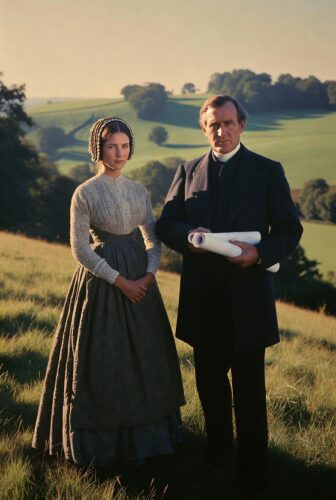 In October 1853, the Presbytery of New Castle gave its blessing. The plan was christened Ashmun Institute, named after Jehudi Ashmun—the white American missionary and colonial agent who had literally saved the struggling Liberian settlement in the 1820s. Ashmun had arrived in West Africa during a time of fever, attacks by local tribes, and near-collapse. He organized defenses, built infrastructure, and kept the colony alive long enough for it to become a beacon for freed Black Americans. Dickey, a supporter of the American Colonization Society (the controversial group that believed Black people might find true freedom by returning to Africa), saw Ashmun as the perfect namesake: a symbol of resilience and self-determination. The institute would train missionaries, teachers, doctors, and leaders who could lift their people—whether in the United States or across the ocean.
The charter bill wound its way through the Pennsylvania legislature. It wasn’t dramatic—no shouting matches or walkouts recorded in the papers. Just steady, behind-the-scenes work by Dickey and allies who believed education could bridge the growing national chasm. On April 29, 1854, Governor Bigler signed it into law. The Commonwealth of Pennsylvania had officially incorporated the Ashmun Institute as a degree-granting body. Construction began on a modest campus in southern Chester County. The first building—Azikiwe-Nkrumah Hall today—would house classrooms and dorms. Funding was always tight; Dickey and Sarah poured in personal resources and solicited donations from Presbyterian churches and philanthropists. Skeptics abounded. Some white neighbors whispered about “uppity” ideas. Some Black communities wondered if the colonization angle meant the school was pushing people out rather than lifting them up. But the Dickeys pressed on.
The institute officially opened its doors on January 1, 1857. The first students included the Amos brothers—James Ralston and his sibling Thomas Henry—along with a handful of others. Curriculum was modeled on the classical liberal arts: Greek, Latin, mathematics, natural sciences, philosophy, and theology. It was rigorous, unapologetic, and nicknamed “the Black Princeton” almost immediately. Dickey had Princeton connections; many early faculty came from there. The school’s colors (orange and blue) and even its lion mascot echoed the tiger of its Ivy cousin. Students wore it like a badge of honor. They weren’t getting a watered-down education—they were getting the real thing, in a place built specifically for them.
The early years tested everyone. Funding shortages were chronic. The Civil War (1861–1865) emptied classrooms temporarily as students and potential enrollees joined the Union cause or fled conscription fears. Yet the institute survived. In 1866, just a year after Lincoln’s assassination, the trustees renamed it Lincoln University in honor of the president who had freed the enslaved. Dickey himself pushed for expansion: add law and medical schools, open doors wider. The first baccalaureate class graduated in 1868—six men, two of them white. That alone was radical. By the 1870s and 1880s, Lincoln was producing physicians, lawyers, and ministers at a rate that punched far above its weight. In its first century, alumni accounted for roughly 20 percent of all African American physicians and more than 10 percent of African American attorneys in the entire country. They pastored major churches, led other colleges, and served as judges, mayors, and ambassadors.
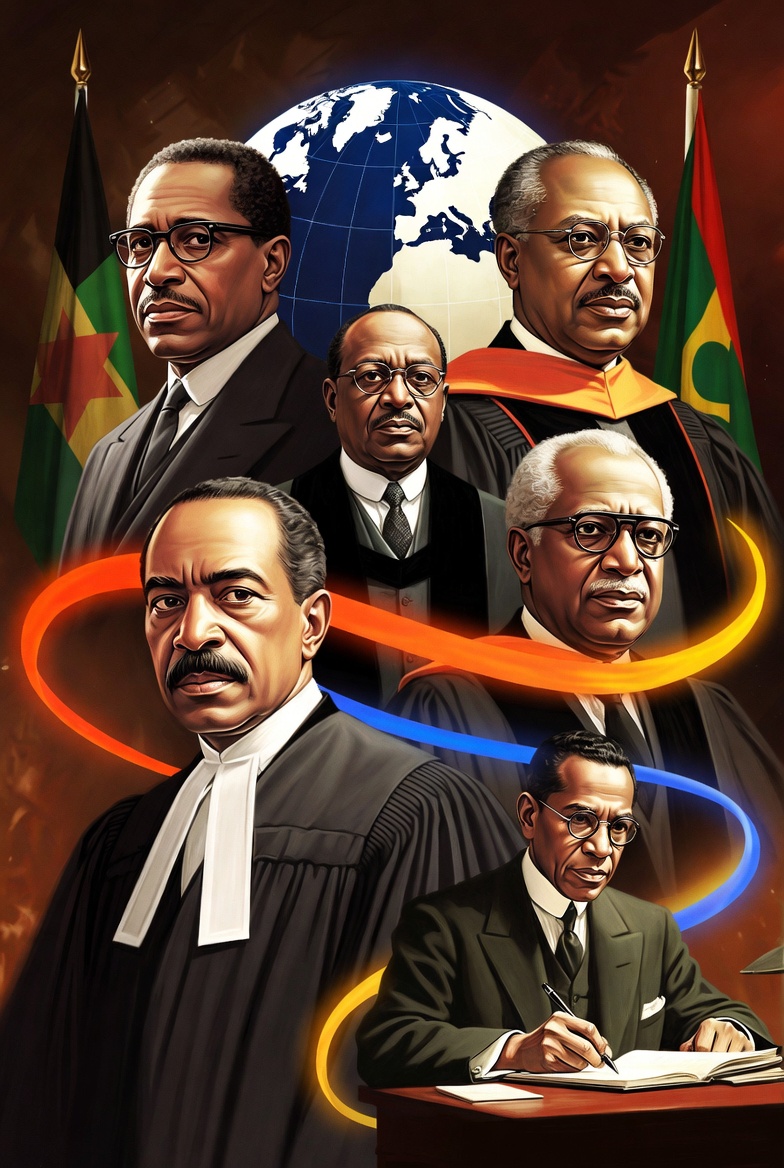
The 20th century supercharged the legacy. Langston Hughes, class of 1929, arrived on campus and found a place that nurtured his poetic voice during the Harlem Renaissance. He would later call Lincoln a formative crucible. Thurgood Marshall, class of 1930, honed the legal mind that would argue *Brown v. Board of Education* before the Supreme Court and become the first Black justice on that same court. The list of “firsts” is staggering: Christian Fleetwood (class of 1860) earned the Medal of Honor in the Civil War; Hildrus Poindexter became the first Black person to earn both an M.D. from Harvard and a Ph.D. from Columbia while becoming a global expert on tropical diseases; Roscoe Lee Browne turned acting into high art on stage and screen.
In October 1853, the Presbytery of New Castle gave its blessing. The plan was christened Ashmun Institute, named after Jehudi Ashmun—the white American missionary and colonial agent who had literally saved the struggling Liberian settlement in the 1820s. Ashmun had arrived in West Africa during a time of fever, attacks by local tribes, and near-collapse. He organized defenses, built infrastructure, and kept the colony alive long enough for it to become a beacon for freed Black Americans. Dickey, a supporter of the American Colonization Society (the controversial group that believed Black people might find true freedom by returning to Africa), saw Ashmun as the perfect namesake: a symbol of resilience and self-determination. The institute would train missionaries, teachers, doctors, and leaders who could lift their people—whether in the United States or across the ocean.
The charter bill wound its way through the Pennsylvania legislature. It wasn’t dramatic—no shouting matches or walkouts recorded in the papers. Just steady, behind-the-scenes work by Dickey and allies who believed education could bridge the growing national chasm. On April 29, 1854, Governor Bigler signed it into law. The Commonwealth of Pennsylvania had officially incorporated the Ashmun Institute as a degree-granting body. Construction began on a modest campus in southern Chester County. The first building—Azikiwe-Nkrumah Hall today—would house classrooms and dorms. Funding was always tight; Dickey and Sarah poured in personal resources and solicited donations from Presbyterian churches and philanthropists. Skeptics abounded. Some white neighbors whispered about “uppity” ideas. Some Black communities wondered if the colonization angle meant the school was pushing people out rather than lifting them up. But the Dickeys pressed on.
The institute officially opened its doors on January 1, 1857. The first students included the Amos brothers—James Ralston and his sibling Thomas Henry—along with a handful of others. Curriculum was modeled on the classical liberal arts: Greek, Latin, mathematics, natural sciences, philosophy, and theology. It was rigorous, unapologetic, and nicknamed “the Black Princeton” almost immediately. Dickey had Princeton connections; many early faculty came from there. The school’s colors (orange and blue) and even its lion mascot echoed the tiger of its Ivy cousin. Students wore it like a badge of honor. They weren’t getting a watered-down education—they were getting the real thing, in a place built specifically for them.
The early years tested everyone. Funding shortages were chronic. The Civil War (1861–1865) emptied classrooms temporarily as students and potential enrollees joined the Union cause or fled conscription fears. Yet the institute survived. In 1866, just a year after Lincoln’s assassination, the trustees renamed it Lincoln University in honor of the president who had freed the enslaved. Dickey himself pushed for expansion: add law and medical schools, open doors wider. The first baccalaureate class graduated in 1868—six men, two of them white. That alone was radical. By the 1870s and 1880s, Lincoln was producing physicians, lawyers, and ministers at a rate that punched far above its weight. In its first century, alumni accounted for roughly 20 percent of all African American physicians and more than 10 percent of African American attorneys in the entire country. They pastored major churches, led other colleges, and served as judges, mayors, and ambassadors.
The 20th century supercharged the legacy. Langston Hughes, class of 1929, arrived on campus and found a place that nurtured his poetic voice during the Harlem Renaissance. He would later call Lincoln a formative crucible. Thurgood Marshall, class of 1930, honed the legal mind that would argue *Brown v. Board of Education* before the Supreme Court and become the first Black justice on that same court. The list of “firsts” is staggering: Christian Fleetwood (class of 1860) earned the Medal of Honor in the Civil War; Hildrus Poindexter became the first Black person to earn both an M.D. from Harvard and a Ph.D. from Columbia while becoming a global expert on tropical diseases; Roscoe Lee Browne turned acting into high art on stage and screen.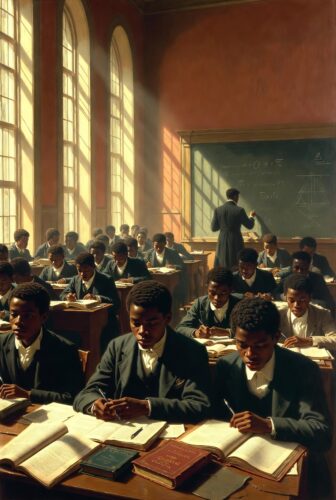 But Lincoln’s influence leaped oceans. In the 1930s and 1940s, young Africans arrived seeking the same rigorous education denied them under colonial rule. Nnamdi Azikiwe (class of 1930/1932) soaked up ideas of self-determination and returned home to become the first president of independent Nigeria. Kwame Nkrumah (class of 1939) studied alongside future civil rights leaders, absorbed Pan-Africanist thought, and led Ghana to independence as its first president—sparking a wave across the continent. These men didn’t just graduate; they carried Lincoln’s ethos of excellence under pressure back to Africa and helped birth modern nations. Later alumni like Saara Kuugongelwa-Amadhila (class of 1994) became Namibia’s first female prime minister, and Lillian Fishburne (class of 1971) rose to rear admiral in the U.S. Navy—the first Black woman to do so. The school produced more than 50 national and international “firsts.” It outlasted Jim Crow, two world wars, and funding crises that would have sunk lesser institutions.
What made the whole thing work? Not magic. Not luck. It was stubborn, methodical persistence in the face of systemic “no.” Dickey didn’t wait for perfect conditions or universal approval. He drafted a charter, rallied a small presbytery of supporters, secured legal recognition, built brick by brick, and opened anyway. Sarah’s Quaker networks provided quiet funding and moral backbone. The Amos brothers and early students proved the concept with their own grit. Faculty demanded excellence without apology. When the Civil War disrupted everything, they pivoted. When critics called it too ambitious or too “colonizationist,” they refined the mission toward American leadership and global impact. The outcome wasn’t just degrees—it was generations of leaders who refused to accept the world as it was handed to them.
Fast-forward to today, April 29 in whatever year you’re reading this. The world looks different, but the same barriers—doubt, systemic headwinds, limited resources, voices saying “you can’t”—still whisper (or shout) that certain dreams are off-limits. The Ashmun Institute story isn’t dusty history; it’s a blueprint for anyone who wants to build something lasting against the odds. The outcome of that 1854 charter was empowerment through structured opportunity. It proved that one deliberate act of creation can compound into world-changing momentum. You don’t need a legislature or a governor’s signature to replicate the spirit. You can charter your own personal institute—your legacy, your skill set, your influence—and watch it graduate versions of yourself into bigger impact.
Here’s how the outcome benefits you today, translated into concrete, everyday life advantages:
- **Barrier-breaking resilience becomes your default setting.** Just as Dickey faced rejections for James Amos yet tutored him anyway, you gain the muscle to treat every “no” as data, not defeat. Personal setbacks—job loss, creative rejection, health scare—stop feeling like endings and start feeling like plot twists in a longer charter.
But Lincoln’s influence leaped oceans. In the 1930s and 1940s, young Africans arrived seeking the same rigorous education denied them under colonial rule. Nnamdi Azikiwe (class of 1930/1932) soaked up ideas of self-determination and returned home to become the first president of independent Nigeria. Kwame Nkrumah (class of 1939) studied alongside future civil rights leaders, absorbed Pan-Africanist thought, and led Ghana to independence as its first president—sparking a wave across the continent. These men didn’t just graduate; they carried Lincoln’s ethos of excellence under pressure back to Africa and helped birth modern nations. Later alumni like Saara Kuugongelwa-Amadhila (class of 1994) became Namibia’s first female prime minister, and Lillian Fishburne (class of 1971) rose to rear admiral in the U.S. Navy—the first Black woman to do so. The school produced more than 50 national and international “firsts.” It outlasted Jim Crow, two world wars, and funding crises that would have sunk lesser institutions.
What made the whole thing work? Not magic. Not luck. It was stubborn, methodical persistence in the face of systemic “no.” Dickey didn’t wait for perfect conditions or universal approval. He drafted a charter, rallied a small presbytery of supporters, secured legal recognition, built brick by brick, and opened anyway. Sarah’s Quaker networks provided quiet funding and moral backbone. The Amos brothers and early students proved the concept with their own grit. Faculty demanded excellence without apology. When the Civil War disrupted everything, they pivoted. When critics called it too ambitious or too “colonizationist,” they refined the mission toward American leadership and global impact. The outcome wasn’t just degrees—it was generations of leaders who refused to accept the world as it was handed to them.
Fast-forward to today, April 29 in whatever year you’re reading this. The world looks different, but the same barriers—doubt, systemic headwinds, limited resources, voices saying “you can’t”—still whisper (or shout) that certain dreams are off-limits. The Ashmun Institute story isn’t dusty history; it’s a blueprint for anyone who wants to build something lasting against the odds. The outcome of that 1854 charter was empowerment through structured opportunity. It proved that one deliberate act of creation can compound into world-changing momentum. You don’t need a legislature or a governor’s signature to replicate the spirit. You can charter your own personal institute—your legacy, your skill set, your influence—and watch it graduate versions of yourself into bigger impact.
Here’s how the outcome benefits you today, translated into concrete, everyday life advantages:
- **Barrier-breaking resilience becomes your default setting.** Just as Dickey faced rejections for James Amos yet tutored him anyway, you gain the muscle to treat every “no” as data, not defeat. Personal setbacks—job loss, creative rejection, health scare—stop feeling like endings and start feeling like plot twists in a longer charter.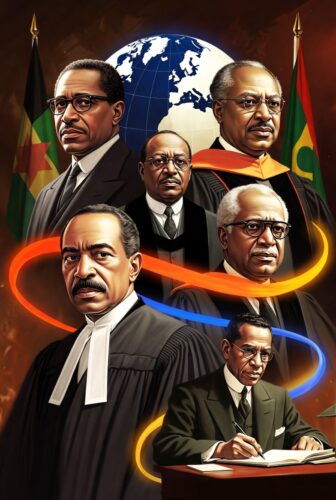 - **Legacy compounding kicks in faster than solo grinding.** Lincoln didn’t educate one student; it built a pipeline. You start seeing your daily habits as investments in a multi-generational “alumni network”—kids, mentees, colleagues—who carry forward what you started.
- **Excellence without apology becomes non-negotiable.** The classical curriculum wasn’t dumbed down. You stop settling for mediocre standards in your craft, fitness, finances, or relationships and demand Princeton-level rigor from yourself in whatever domain you choose.
- **Network gravity pulls opportunity to you.** Early Lincoln alumni became each other’s references, collaborators, and launchpads. Your “institute” naturally attracts high-caliber people who want to be part of something purposeful instead of chasing superficial connections.
- **Moral clarity in messy times sharpens decision-making.** Dickey navigated colonization debates and slavery’s shadow without losing his north star. You develop an internal compass that cuts through modern noise—politics, trends, distractions—so your choices align with long-term impact rather than short-term approval.
- **Global ripple effects surprise you.** One Pennsylvania school influenced African independence movements. Your localized effort—maybe a family learning ritual, a side project turned business, or community workshop—can seed ideas that travel farther than you ever planned.
Now, the part no other self-help article online offers: a detailed, quick, unique plan that steals directly from the Ashmun charter process but turns it into a repeatable, anti-fluff protocol you can run in under two weeks and then maintain for life. I call it the **Ashmun Charter Protocol**—not a vision board, not a 30-day challenge, not another habit tracker. It’s a legislative session for your future, complete with drafting, voting, and inauguration. It’s funny because it treats your personal growth like 19th-century bureaucracy (no filibusters allowed), yet it works because it forces structure where most self-help stays vague and motivational.
**Step 1: The Presbytery Draft (Day 1 – 45 minutes).** Grab a notebook or document titled “My Ashmun Charter.” Write the mission in one sentence, exactly like the 1853 Presbytery approval: “An institution for [your specific domain—e.g., creative mastery, financial independence, family leadership] through rigorous [skills—classical reading, daily execution, ethical decision-making].” List three non-negotiable “curriculum pillars” (your version of Greek, science, theology). Example: daily deep work block, weekly skill audit, monthly legacy review. Make it specific and measurable—no “be better.”
**Step 2: Assemble Your Presbytery (Days 2–3).** Recruit 3–5 people who will act as your board of trustees. They must be honest, competent, and invested in your success (not cheerleaders). Share the draft. Hold a 30-minute “approval meeting” (Zoom or coffee). They vote yes/no on the charter. If they spot weaknesses, revise on the spot. This mirrors Dickey’s Presbytery step—no lone-wolf delusions.
**Step 3: Secure the Charter Funding (Days 4–5).** Audit your time, money, and energy like a treasurer. Allocate non-negotiable “endowment” resources: block two hours daily on your calendar (guarded like class time), set aside a small monthly budget for books/tools/courses (Dickey’s donation model), and identify one “Sarah Emlen” supporter who can provide quiet accountability or resources. Sign the charter literally—date it, sign it, and post a photo somewhere visible.
**Step 4: Break Ground and Open Doors (Days 6–7).** Launch the first “semester” with a symbolic opening day. Enroll your first “student” (you) in a tangible starter project that matches a pillar. Example: if your institute is writing mastery, publish one 500-word piece or read one classical text chapter. Announce it to your presbytery. No perfection required—just doors open.
- **Legacy compounding kicks in faster than solo grinding.** Lincoln didn’t educate one student; it built a pipeline. You start seeing your daily habits as investments in a multi-generational “alumni network”—kids, mentees, colleagues—who carry forward what you started.
- **Excellence without apology becomes non-negotiable.** The classical curriculum wasn’t dumbed down. You stop settling for mediocre standards in your craft, fitness, finances, or relationships and demand Princeton-level rigor from yourself in whatever domain you choose.
- **Network gravity pulls opportunity to you.** Early Lincoln alumni became each other’s references, collaborators, and launchpads. Your “institute” naturally attracts high-caliber people who want to be part of something purposeful instead of chasing superficial connections.
- **Moral clarity in messy times sharpens decision-making.** Dickey navigated colonization debates and slavery’s shadow without losing his north star. You develop an internal compass that cuts through modern noise—politics, trends, distractions—so your choices align with long-term impact rather than short-term approval.
- **Global ripple effects surprise you.** One Pennsylvania school influenced African independence movements. Your localized effort—maybe a family learning ritual, a side project turned business, or community workshop—can seed ideas that travel farther than you ever planned.
Now, the part no other self-help article online offers: a detailed, quick, unique plan that steals directly from the Ashmun charter process but turns it into a repeatable, anti-fluff protocol you can run in under two weeks and then maintain for life. I call it the **Ashmun Charter Protocol**—not a vision board, not a 30-day challenge, not another habit tracker. It’s a legislative session for your future, complete with drafting, voting, and inauguration. It’s funny because it treats your personal growth like 19th-century bureaucracy (no filibusters allowed), yet it works because it forces structure where most self-help stays vague and motivational.
**Step 1: The Presbytery Draft (Day 1 – 45 minutes).** Grab a notebook or document titled “My Ashmun Charter.” Write the mission in one sentence, exactly like the 1853 Presbytery approval: “An institution for [your specific domain—e.g., creative mastery, financial independence, family leadership] through rigorous [skills—classical reading, daily execution, ethical decision-making].” List three non-negotiable “curriculum pillars” (your version of Greek, science, theology). Example: daily deep work block, weekly skill audit, monthly legacy review. Make it specific and measurable—no “be better.”
**Step 2: Assemble Your Presbytery (Days 2–3).** Recruit 3–5 people who will act as your board of trustees. They must be honest, competent, and invested in your success (not cheerleaders). Share the draft. Hold a 30-minute “approval meeting” (Zoom or coffee). They vote yes/no on the charter. If they spot weaknesses, revise on the spot. This mirrors Dickey’s Presbytery step—no lone-wolf delusions.
**Step 3: Secure the Charter Funding (Days 4–5).** Audit your time, money, and energy like a treasurer. Allocate non-negotiable “endowment” resources: block two hours daily on your calendar (guarded like class time), set aside a small monthly budget for books/tools/courses (Dickey’s donation model), and identify one “Sarah Emlen” supporter who can provide quiet accountability or resources. Sign the charter literally—date it, sign it, and post a photo somewhere visible.
**Step 4: Break Ground and Open Doors (Days 6–7).** Launch the first “semester” with a symbolic opening day. Enroll your first “student” (you) in a tangible starter project that matches a pillar. Example: if your institute is writing mastery, publish one 500-word piece or read one classical text chapter. Announce it to your presbytery. No perfection required—just doors open. **Step 5: The Lincoln Rename and Expansion Review (Every 90 Days).** Like the 1866 rename, hold a quarterly board meeting. Measure progress against the original charter. Celebrate wins. If the mission has evolved (it will), “rename” it officially—update the document. Add new “schools” (e.g., expand from fitness to family leadership). This keeps it alive and prevents drift.
**Step 6: Graduate Cohorts and Compound (Ongoing, Monthly Check-ins).** Treat every completed milestone as a graduation. Mentor one other person (your first “alumnus”). Track ripple effects—opportunities, relationships, income—that flow from the institute. The protocol turns solo effort into an institution that outlives your daily motivation dips.
**Step 7: Defend the Campus (Yearly Stress Test).** Once a year, simulate a “Civil War disruption.” List every obstacle that could derail you (distractions, critics, burnout). Write contingency plans. Then toast the fact that you’re still standing—just like Lincoln University did.
Run this protocol once and it becomes your operating system. It’s quick to start (under two weeks for launch), detailed enough to avoid vagueness, and unique because it weaponizes historical bureaucracy against modern procrastination. No apps, no guru retreats, no endless scrolling through productivity porn. Just a charter, a board, and relentless execution—the same ingredients that turned a single April 29 signature into a university that helped birth nations and topple legal barriers.
So the next time April 29 rolls around on your calendar, don’t just scroll past “on this day” trivia. Remember the pen stroke in Harrisburg. Remember the Dickeys and the Amoses and the generations who proved that building institutions—however small at first—beats waiting for permission. Then open your notebook and draft your own charter. The world still needs more Ashmun Institutes. Yours might be the one that changes everything.
**Step 5: The Lincoln Rename and Expansion Review (Every 90 Days).** Like the 1866 rename, hold a quarterly board meeting. Measure progress against the original charter. Celebrate wins. If the mission has evolved (it will), “rename” it officially—update the document. Add new “schools” (e.g., expand from fitness to family leadership). This keeps it alive and prevents drift.
**Step 6: Graduate Cohorts and Compound (Ongoing, Monthly Check-ins).** Treat every completed milestone as a graduation. Mentor one other person (your first “alumnus”). Track ripple effects—opportunities, relationships, income—that flow from the institute. The protocol turns solo effort into an institution that outlives your daily motivation dips.
**Step 7: Defend the Campus (Yearly Stress Test).** Once a year, simulate a “Civil War disruption.” List every obstacle that could derail you (distractions, critics, burnout). Write contingency plans. Then toast the fact that you’re still standing—just like Lincoln University did.
Run this protocol once and it becomes your operating system. It’s quick to start (under two weeks for launch), detailed enough to avoid vagueness, and unique because it weaponizes historical bureaucracy against modern procrastination. No apps, no guru retreats, no endless scrolling through productivity porn. Just a charter, a board, and relentless execution—the same ingredients that turned a single April 29 signature into a university that helped birth nations and topple legal barriers.
So the next time April 29 rolls around on your calendar, don’t just scroll past “on this day” trivia. Remember the pen stroke in Harrisburg. Remember the Dickeys and the Amoses and the generations who proved that building institutions—however small at first—beats waiting for permission. Then open your notebook and draft your own charter. The world still needs more Ashmun Institutes. Yours might be the one that changes everything.