Imagine waking up on a crisp March morning in 1127, slipping into your finest tunic, and heading to church not for a sermon, but to hand out some pocket change to the needy. Sounds wholesome, right? Now picture that same scene turning into a scene straight out of a gritty medieval thriller: broadswords swinging, blood on the altar, and a count's life cut short mid-prayer. That's the wild, tragic tale of Charles the Good, Count of Flanders, whose assassination on March 2, 1127, didn't just end a life—it ignited a firestorm of rebellion, revenge, and regime change that reshaped one of Europe's most prosperous regions. This isn't your typical dusty history lesson; it's a rollercoaster of royal intrigue, family feuds, economic drama, and a dash of holy outrage that makes modern politics look like a polite tea party. Buckle up as we dive deep into the nitty-gritty of Charles's world, his rise, his reforms, and that fateful morning in Bruges. And stick around—because by the end, we'll twist this ancient chaos into a fresh, laugh-out-loud motivational blueprint for your life today.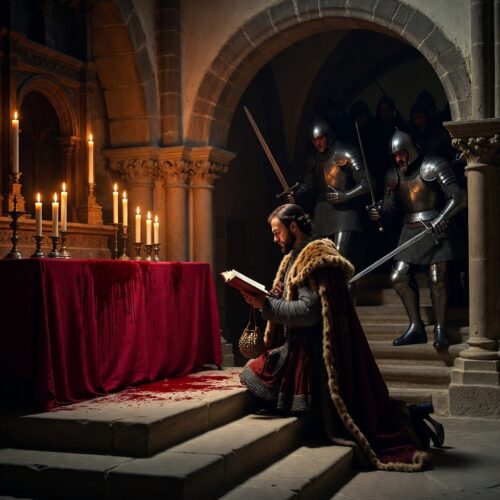 Let's set the stage. The 12th century was a time when Europe was less "united kingdom" and more "endless squabbles over mud and titles." Flanders, that fertile strip of land hugging the North Sea (think modern-day Belgium and parts of France and the Netherlands), was a powerhouse. It wasn't just about knights and castles; this was the Silicon Valley of the Middle Ages, buzzing with trade in wool, cloth, and grain. Ports like Bruges and Ghent were cash cows, drawing merchants from England, Italy, and beyond. But beneath the bustling markets lurked a powder keg of social tensions: powerful clans jockeying for position, a growing urban class of burghers (that's medieval for "middle-class hustlers"), and a count trying to keep it all from exploding.
Enter Charles, born around 1084 in Odense, Denmark. His dad? None other than King Canute IV, a guy so pious he got sainted—but not before getting hacked to pieces in a church uprising in 1086. Talk about family trauma. Charles was just a toddler when his mom, Adela of Flanders, scooped him up and fled back to her homeland, leaving his twin sisters behind in Denmark. (Medieval parenting: "Sorry kids, mom's got a boat to catch.") Growing up in the court of his grandfather, Robert I the Frisian, and uncle Robert II, Charles absorbed the art of rulership like a sponge. Flanders was no backwater; it was a crossroads of power, influenced by the Holy Roman Empire to the east, France to the south, and England across the channel. Charles learned swordplay, diplomacy, and probably a few choice Flemish curses.
By his teens, Charles was already flexing his crusader muscles. In 1107 or 1108, he joined a fleet of English, Danish, and Flemish ships bound for the Holy Land. This wasn't a vacation; the First Crusade had just wrapped up in 1099, and Jerusalem was still a hot mess of sieges and skirmishes. Charles fought valiantly, earning a rep as a brave warrior with a moral compass. Back home, he became a key advisor to his cousin, Baldwin VII, who inherited the countship in 1111. Baldwin was young—think teenage CEO—and Charles, in his late 20s, was the steady hand. They were thick as thieves, with Charles helping Baldwin navigate wars against England and internal rebellions.
But life threw Charles a curveball in 1118. Baldwin got wounded in a brutal fight at Bures-en-Brai, a skirmish against French forces. The injury was nasty—some sources say it was a gut wound that festered—and Baldwin, childless and dying, named Charles his heir on his deathbed in 1119. Suddenly, at around 35, Charles was Count of Flanders. He wasn't unchallenged; a civil war erupted with rivals claiming the throne, but Charles crushed them with a mix of military might and surprising mercy. He pardoned many opponents, earning his "the Good" nickname early on. (Pro tip: In medieval times, nicknames like "the Good" or "the Bald" stuck whether you liked them or not. Charles lucked out.)
As count, Charles ruled with a blend of piety, pragmatism, and progressive edge. He married Margaret of Clermont around 1118, securing alliances with French nobility (she brought the hefty dowry of Amiens). No kids, but their union was stable amid the chaos. Charles focused on justice: He reformed courts, protected the poor, and cracked down on corruption. Flanders was booming economically, but inequality was rampant. Powerful families like the Erembalds—originally serfs who'd climbed to noble status through cunning and connections—controlled key positions. Bertulf FitzErembald, a priest and provost of St. Donatian's Church in Bruges, was the clan's scheming patriarch. These guys were like the medieval Mafia: influential, ruthless, and deeply embedded in the system.
Let's set the stage. The 12th century was a time when Europe was less "united kingdom" and more "endless squabbles over mud and titles." Flanders, that fertile strip of land hugging the North Sea (think modern-day Belgium and parts of France and the Netherlands), was a powerhouse. It wasn't just about knights and castles; this was the Silicon Valley of the Middle Ages, buzzing with trade in wool, cloth, and grain. Ports like Bruges and Ghent were cash cows, drawing merchants from England, Italy, and beyond. But beneath the bustling markets lurked a powder keg of social tensions: powerful clans jockeying for position, a growing urban class of burghers (that's medieval for "middle-class hustlers"), and a count trying to keep it all from exploding.
Enter Charles, born around 1084 in Odense, Denmark. His dad? None other than King Canute IV, a guy so pious he got sainted—but not before getting hacked to pieces in a church uprising in 1086. Talk about family trauma. Charles was just a toddler when his mom, Adela of Flanders, scooped him up and fled back to her homeland, leaving his twin sisters behind in Denmark. (Medieval parenting: "Sorry kids, mom's got a boat to catch.") Growing up in the court of his grandfather, Robert I the Frisian, and uncle Robert II, Charles absorbed the art of rulership like a sponge. Flanders was no backwater; it was a crossroads of power, influenced by the Holy Roman Empire to the east, France to the south, and England across the channel. Charles learned swordplay, diplomacy, and probably a few choice Flemish curses.
By his teens, Charles was already flexing his crusader muscles. In 1107 or 1108, he joined a fleet of English, Danish, and Flemish ships bound for the Holy Land. This wasn't a vacation; the First Crusade had just wrapped up in 1099, and Jerusalem was still a hot mess of sieges and skirmishes. Charles fought valiantly, earning a rep as a brave warrior with a moral compass. Back home, he became a key advisor to his cousin, Baldwin VII, who inherited the countship in 1111. Baldwin was young—think teenage CEO—and Charles, in his late 20s, was the steady hand. They were thick as thieves, with Charles helping Baldwin navigate wars against England and internal rebellions.
But life threw Charles a curveball in 1118. Baldwin got wounded in a brutal fight at Bures-en-Brai, a skirmish against French forces. The injury was nasty—some sources say it was a gut wound that festered—and Baldwin, childless and dying, named Charles his heir on his deathbed in 1119. Suddenly, at around 35, Charles was Count of Flanders. He wasn't unchallenged; a civil war erupted with rivals claiming the throne, but Charles crushed them with a mix of military might and surprising mercy. He pardoned many opponents, earning his "the Good" nickname early on. (Pro tip: In medieval times, nicknames like "the Good" or "the Bald" stuck whether you liked them or not. Charles lucked out.)
As count, Charles ruled with a blend of piety, pragmatism, and progressive edge. He married Margaret of Clermont around 1118, securing alliances with French nobility (she brought the hefty dowry of Amiens). No kids, but their union was stable amid the chaos. Charles focused on justice: He reformed courts, protected the poor, and cracked down on corruption. Flanders was booming economically, but inequality was rampant. Powerful families like the Erembalds—originally serfs who'd climbed to noble status through cunning and connections—controlled key positions. Bertulf FitzErembald, a priest and provost of St. Donatian's Church in Bruges, was the clan's scheming patriarch. These guys were like the medieval Mafia: influential, ruthless, and deeply embedded in the system.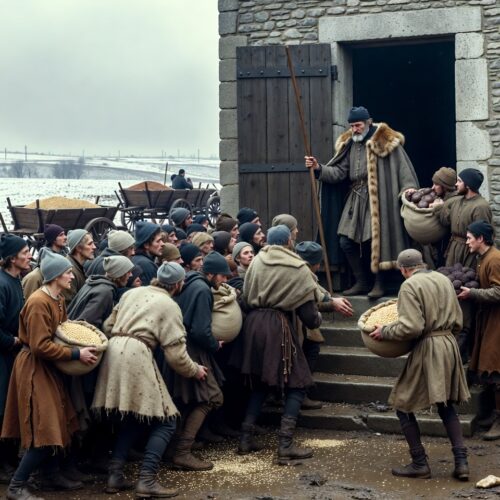 The real trouble brewed in 1125 with a massive famine. Bad harvests, floods, and cold snaps turned Flanders into a starvation zone. Grain prices skyrocketed, and hoarders—rich merchants and nobles—profited while peasants starved. Charles, ever the good guy, swung into action like a caped crusader. He ordered his estates planted with fast-growing legumes (beans and peas—medieval superfoods) to boost food supplies. He distributed bread from his own stores, banned exports of grain, and hunted down speculators. In a bold move, he expelled Jewish merchants, blaming them (unfairly and antisemitically) for price gouging. But his biggest target? The Erembalds. Charles launched legal probes to strip them of noble status, arguing they were still serfs at heart. This wasn't just policy; it was personal. Bertulf saw it as an existential threat—lose nobility, lose everything.
The Erembalds plotted in the shadows. They wanted Charles gone, replaced by their kinsman William of Ypres, a pliable puppet. Allies included disgruntled knights and advisors who'd lost favor. The conspiracy thickened through 1126, with whispers in Bruges' taverns and castles. Charles, oblivious or overconfident, kept his routine: daily Mass at St. Donatian's, a grand Romanesque church in Bruges' bustling burg (the fortified heart of the city). He was known for his charity, often handing out alms during services.
March 2, 1127, dawned cold and ominous—it was Ash Wednesday, the start of Lent, a day for repentance. Charles, as usual, arrived early at St. Donatian's. Kneeling before the altar in the upper gallery (a spot reserved for nobility), he read from his psalter, coins in hand for the poor who'd shuffle by. The church was dimly lit by candles, the air thick with incense and chants. Enter the assassins: a posse of Erembald loyalists, led by Bertulf's nephews and knights like Borsiard and Guy of Steenvoorde. They burst in, swords drawn, ignoring the sanctity of the space. In a frenzy, they hacked at Charles—broadswords slashing through flesh, blood splattering the altar. It was over in minutes; Charles slumped dead, his alms scattered like omens.
The real trouble brewed in 1125 with a massive famine. Bad harvests, floods, and cold snaps turned Flanders into a starvation zone. Grain prices skyrocketed, and hoarders—rich merchants and nobles—profited while peasants starved. Charles, ever the good guy, swung into action like a caped crusader. He ordered his estates planted with fast-growing legumes (beans and peas—medieval superfoods) to boost food supplies. He distributed bread from his own stores, banned exports of grain, and hunted down speculators. In a bold move, he expelled Jewish merchants, blaming them (unfairly and antisemitically) for price gouging. But his biggest target? The Erembalds. Charles launched legal probes to strip them of noble status, arguing they were still serfs at heart. This wasn't just policy; it was personal. Bertulf saw it as an existential threat—lose nobility, lose everything.
The Erembalds plotted in the shadows. They wanted Charles gone, replaced by their kinsman William of Ypres, a pliable puppet. Allies included disgruntled knights and advisors who'd lost favor. The conspiracy thickened through 1126, with whispers in Bruges' taverns and castles. Charles, oblivious or overconfident, kept his routine: daily Mass at St. Donatian's, a grand Romanesque church in Bruges' bustling burg (the fortified heart of the city). He was known for his charity, often handing out alms during services.
March 2, 1127, dawned cold and ominous—it was Ash Wednesday, the start of Lent, a day for repentance. Charles, as usual, arrived early at St. Donatian's. Kneeling before the altar in the upper gallery (a spot reserved for nobility), he read from his psalter, coins in hand for the poor who'd shuffle by. The church was dimly lit by candles, the air thick with incense and chants. Enter the assassins: a posse of Erembald loyalists, led by Bertulf's nephews and knights like Borsiard and Guy of Steenvoorde. They burst in, swords drawn, ignoring the sanctity of the space. In a frenzy, they hacked at Charles—broadswords slashing through flesh, blood splattering the altar. It was over in minutes; Charles slumped dead, his alms scattered like omens.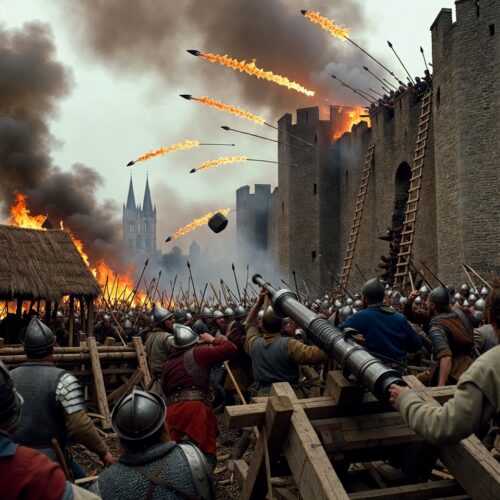 The murder was sacrilegious dynamite. Killing a count in church during Mass? That's like offing a president in a cathedral mid-prayer. Word spread like wildfire through Bruges. The burghers—merchants, artisans, and common folk who'd benefited from Charles's reforms—erupted in fury. Nobles, sensing opportunity, joined the outrage. The Erembalds holed up in Bruges' castle, but the mob besieged them. For weeks, the city was a war zone: catapults hurled stones, fires raged, and negotiations failed. King Louis VI of France, Flanders' overlord, waded in, backing the rebels to install his nephew William Clito as the new count.
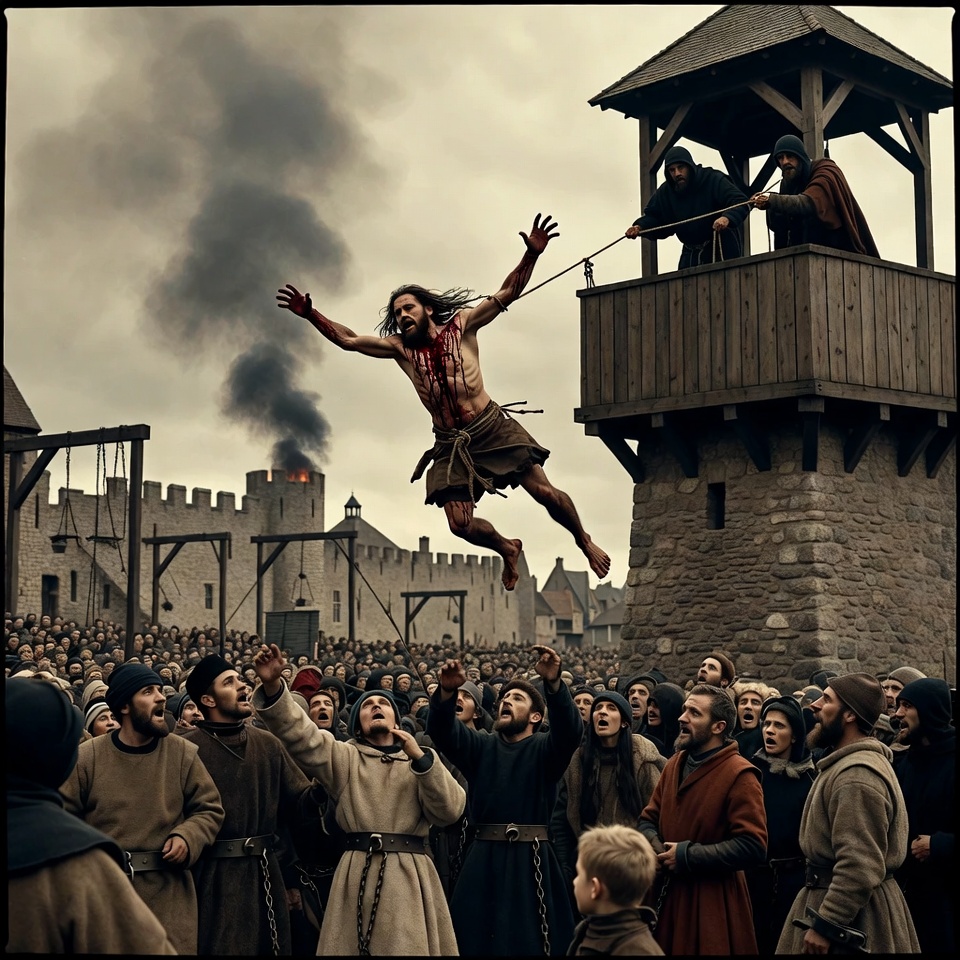
The siege climaxed in April 1127. The Erembalds surrendered, but mercy was scarce. Bertulf and his kin were captured, tortured gruesomely (think medieval "enhanced interrogation" with hot irons and public humiliation), and executed—some thrown from towers, others hanged or drowned. William of Ypres fled, his claim crushed. But William Clito's rule was short and shaky; rival claimants like Thierry of Alsace sparked more civil war. By summer 1128, Thierry triumphed, stabilizing Flanders but at a cost: hundreds dead, economy battered.
This saga didn't fade into obscurity. Galbert of Bruges, a notary eyewitness, penned a day-by-day chronicle, "The Murder, Betrayal, and Slaughter of the Glorious Charles, Count of Flanders." It's a goldmine: vivid details on siege tactics (wooden barriers, battering rams), urban warfare (burghers scaling walls with ladders), and social dynamics (how commoners pressured nobles). Galbert paints Charles as a martyr—pious, just, betrayed like Christ. Popular veneration exploded; pilgrims flocked to his tomb, miracles reported. Pope Leo XIII beatified him in 1882, feast day March 2. His relics? Still in Bruges, sword in hand as a symbol.
The murder was sacrilegious dynamite. Killing a count in church during Mass? That's like offing a president in a cathedral mid-prayer. Word spread like wildfire through Bruges. The burghers—merchants, artisans, and common folk who'd benefited from Charles's reforms—erupted in fury. Nobles, sensing opportunity, joined the outrage. The Erembalds holed up in Bruges' castle, but the mob besieged them. For weeks, the city was a war zone: catapults hurled stones, fires raged, and negotiations failed. King Louis VI of France, Flanders' overlord, waded in, backing the rebels to install his nephew William Clito as the new count.
The siege climaxed in April 1127. The Erembalds surrendered, but mercy was scarce. Bertulf and his kin were captured, tortured gruesomely (think medieval "enhanced interrogation" with hot irons and public humiliation), and executed—some thrown from towers, others hanged or drowned. William of Ypres fled, his claim crushed. But William Clito's rule was short and shaky; rival claimants like Thierry of Alsace sparked more civil war. By summer 1128, Thierry triumphed, stabilizing Flanders but at a cost: hundreds dead, economy battered.
This saga didn't fade into obscurity. Galbert of Bruges, a notary eyewitness, penned a day-by-day chronicle, "The Murder, Betrayal, and Slaughter of the Glorious Charles, Count of Flanders." It's a goldmine: vivid details on siege tactics (wooden barriers, battering rams), urban warfare (burghers scaling walls with ladders), and social dynamics (how commoners pressured nobles). Galbert paints Charles as a martyr—pious, just, betrayed like Christ. Popular veneration exploded; pilgrims flocked to his tomb, miracles reported. Pope Leo XIII beatified him in 1882, feast day March 2. His relics? Still in Bruges, sword in hand as a symbol.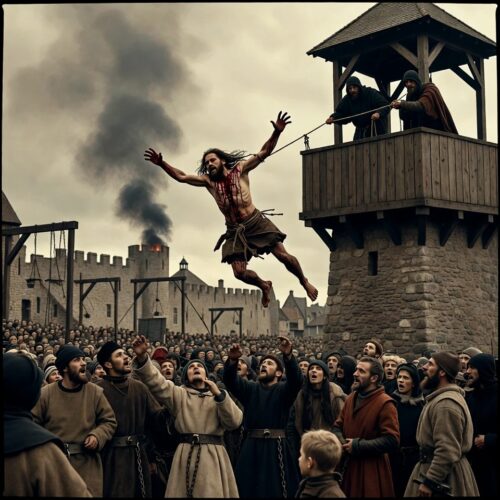 Zoom out: Charles's death echoed broader medieval themes. The Investiture Controversy (1075-1122) had just cooled, pitting popes against emperors over church appointments—Flanders felt the ripples, with clans like the Erembalds blurring lay and clerical power (Bertulf was a priest!). Economic shifts: Rising towns challenged feudal lords, foreshadowing the bourgeoisie revolutions centuries later. Crusader ideals: Charles's Holy Land stint infused his rule with chivalric zeal, but also intolerance (the Jewish expulsion). Danish ties: His heritage linked Scandinavia to continental politics, a web of alliances that shaped the North Sea world.
Flanders post-Charles? It rebounded, becoming even richer under Thierry and successors. Bruges evolved into a mega-port, Ghent a textile hub. But the murder scarred the psyche: Future counts tread carefully with clans and burghers. It highlighted famine's volatility—1125's hunger wasn't isolated; climate shifts (the Medieval Warm Period ending) amplified social rifts. Charles's anti-hoarding laws? Proto-welfare state, influencing later poor relief systems.
Humor break: Picture the Erembalds—serfs-turned-lords, hoarding grain like squirrels on steroids. Charles calls them out: "Back to the fields, boys!" They respond with swords in church. If this were a sitcom, it'd be "Game of Thrones Meets The Office: Medieval Edition." And Charles refusing the Jerusalem crown? "Nah, I'd rather deal with rainy Flanders than sandy sieges." Wise man—or missed opportunity for "Charles the Sandy"?
Deeper dive: Let's unpack the political web. Charles's mom Adela remarried Roger Borsa, Duke of Apulia, in 1092, tying him to Norman-Italian intrigue. His sisters Ingeborg and Cecilia married Swedish and Norwegian royals, making Charles a nexus of Nordic power. Baldwin VII's designation? A slap to other cousins, like Arnulf of Hainaut, fueling the 1119 civil war. Charles won at battles like Thiennes, showing tactical smarts—flanking maneuvers, cavalry charges.
The famine: Historical records note 1124-1125 as brutal. Chronicles describe skeletons in streets, parents abandoning kids. Charles's legumes? Innovative; beans fixed nitrogen in soil, boosting yields. His bread dole: Thousands fed from granaries. Hoarding crackdown: Fines, seizures—economic warfare. Erembalds' role: They controlled chancellery, judiciary; Bertulf's priesthood shielded them. Conspiracy details: Meetings in hidden halls, oaths of secrecy. Assassins? About 30, per Galbert—mix of knights, servants.
Assassination scene: St. Donatian's was Bruges' heart, linked to the castle by a gallery. Charles prayed in the "upper church," elevated for VIPs. Attackers climbed stairs, struck during the psalm "Have mercy on me, O God." Irony alert. Bodyguard absent—Charles trusted too much. Aftermath: Corpse left for hours, blood pooled. Burghers looted Erembald homes, then besieged the castle. French intervention: Louis VI held court at Arras, condemning the murderers.
Civil war nuances: William Clito, grandson of William the Conqueror, was Louis's pick to counter English influence (Henry I backed rivals). But Clito alienated locals with taxes, dying in 1128 battle wounds. Thierry, from Alsace, won by promising stability. Long-term: Flanders' autonomy grew, but French oversight tightened.
Cultural impact: Galbert's text is a rarity—journalistic, raw. It captures voices: A burgher yelling, "Storm the castle!" Nobles debating oaths. Miracles: Blind healed at tomb, lame walking—classic saint stuff. Art: Later manuscripts depict the murder dramatically, swords mid-swing.
Zoom out: Charles's death echoed broader medieval themes. The Investiture Controversy (1075-1122) had just cooled, pitting popes against emperors over church appointments—Flanders felt the ripples, with clans like the Erembalds blurring lay and clerical power (Bertulf was a priest!). Economic shifts: Rising towns challenged feudal lords, foreshadowing the bourgeoisie revolutions centuries later. Crusader ideals: Charles's Holy Land stint infused his rule with chivalric zeal, but also intolerance (the Jewish expulsion). Danish ties: His heritage linked Scandinavia to continental politics, a web of alliances that shaped the North Sea world.
Flanders post-Charles? It rebounded, becoming even richer under Thierry and successors. Bruges evolved into a mega-port, Ghent a textile hub. But the murder scarred the psyche: Future counts tread carefully with clans and burghers. It highlighted famine's volatility—1125's hunger wasn't isolated; climate shifts (the Medieval Warm Period ending) amplified social rifts. Charles's anti-hoarding laws? Proto-welfare state, influencing later poor relief systems.
Humor break: Picture the Erembalds—serfs-turned-lords, hoarding grain like squirrels on steroids. Charles calls them out: "Back to the fields, boys!" They respond with swords in church. If this were a sitcom, it'd be "Game of Thrones Meets The Office: Medieval Edition." And Charles refusing the Jerusalem crown? "Nah, I'd rather deal with rainy Flanders than sandy sieges." Wise man—or missed opportunity for "Charles the Sandy"?
Deeper dive: Let's unpack the political web. Charles's mom Adela remarried Roger Borsa, Duke of Apulia, in 1092, tying him to Norman-Italian intrigue. His sisters Ingeborg and Cecilia married Swedish and Norwegian royals, making Charles a nexus of Nordic power. Baldwin VII's designation? A slap to other cousins, like Arnulf of Hainaut, fueling the 1119 civil war. Charles won at battles like Thiennes, showing tactical smarts—flanking maneuvers, cavalry charges.
The famine: Historical records note 1124-1125 as brutal. Chronicles describe skeletons in streets, parents abandoning kids. Charles's legumes? Innovative; beans fixed nitrogen in soil, boosting yields. His bread dole: Thousands fed from granaries. Hoarding crackdown: Fines, seizures—economic warfare. Erembalds' role: They controlled chancellery, judiciary; Bertulf's priesthood shielded them. Conspiracy details: Meetings in hidden halls, oaths of secrecy. Assassins? About 30, per Galbert—mix of knights, servants.
Assassination scene: St. Donatian's was Bruges' heart, linked to the castle by a gallery. Charles prayed in the "upper church," elevated for VIPs. Attackers climbed stairs, struck during the psalm "Have mercy on me, O God." Irony alert. Bodyguard absent—Charles trusted too much. Aftermath: Corpse left for hours, blood pooled. Burghers looted Erembald homes, then besieged the castle. French intervention: Louis VI held court at Arras, condemning the murderers.
Civil war nuances: William Clito, grandson of William the Conqueror, was Louis's pick to counter English influence (Henry I backed rivals). But Clito alienated locals with taxes, dying in 1128 battle wounds. Thierry, from Alsace, won by promising stability. Long-term: Flanders' autonomy grew, but French oversight tightened.
Cultural impact: Galbert's text is a rarity—journalistic, raw. It captures voices: A burgher yelling, "Storm the castle!" Nobles debating oaths. Miracles: Blind healed at tomb, lame walking—classic saint stuff. Art: Later manuscripts depict the murder dramatically, swords mid-swing.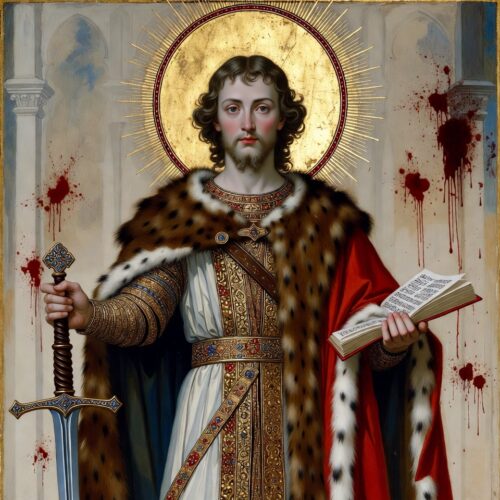 Now, fast-forward 900 years. Charles's story isn't just a grisly footnote; it's a masterclass in integrity amid chaos. He stood for justice when it was risky, fed the hungry when others hoarded, and paid the ultimate price. In our world of viral scandals, economic inequality, and leadership fails, what if we channeled his "good" vibe? Not with swords (please), but with smart, bold action. Here's how his historical grit benefits you today:
- **Embrace Ethical Hustle:** Charles fought hoarders; you can audit your life for "hoarded" resources—time, skills, money. Share them generously, like his alms, to build real networks. Result? Deeper connections, less stress from greed.
- **Defy the Status Quo:** He challenged powerful clans; spot your "Erembalds"—toxic influences or outdated habits. Call them out kindly but firmly, sparking personal growth.
- **Weather the Storms:** Famine tested him; your "famines" (job loss, setbacks) are chances to innovate, like planting legumes. Adapt quickly, emerge stronger.
- **Lead with Mercy:** Post-war clemency won loyalty; forgive foes in your life to free mental space for wins.
For a detailed, quick, unique plan—call it the "Charles Challenge: Siege Your Slump"—that's zero like cookie-cutter self-help (no vision boards or affirmations here). This is a 7-day tactical assault inspired by medieval siege warfare, twisted for modern life. Unique twist: Each day mimics a phase of the Bruges siege, using historical tactics to conquer personal goals. No apps, no gurus—just you, a notebook, and ruthless execution. Aim for one big goal (e.g., career shift, health reboot).
**Day 1: Scout the Terrain (Recon like Galbert's spies).** Map your goal's landscape: List obstacles (your "Erembalds") and assets (your "alms"). Funny hack: Draw a cartoon siege map—label enemies as dragons. Time: 30 mins. Outcome: Crystal-clear intel.
**Day 2: Build the Barricades (Fortify like burghers' walls).** Erect defenses: Cut one distraction (social media doomscroll? Gone). Replace with a ritual—walk while plotting strategy. Unique: Whisper medieval oaths to yourself for laughs and commitment.
**Day 3: Launch the Catapults (Assault like stone-hurlers).** Bombard barriers: Take three bold actions (email that contact, run that mile). Make 'em count—aim for impact, not perfection. Twist: Yell a Flemish battle cry (Google "Vlaamse strijdkreet") for motivation.
**Day 4: Undermine the Foundations (Tunnel like sappers).** Dig deep: Journal why this goal matters, unearthing hidden fears. Unique: Eat beans for dinner (nod to Charles's legumes) while reflecting—nutritious and thematic!
**Day 5: Negotiate the Truce (Parley like Louis VI).** Self-talk truce: Forgive a past failure, reframe it as a lesson. Then, ally with one supporter—share your plan for accountability. Humor: Role-play as a medieval envoy.
**Day 6: Storm the Gates (Charge like the mob).** All-out push: Dedicate 2 hours to core progress. If stuck, pivot like Charles's mercy—show yourself grace, adjust.
**Day 7: Claim the Castle (Victory like Thierry).** Review wins, celebrate uniquely: Visit a historical site or watch a medieval flick. Plan sustainment—monthly "siege checks" to hold ground.
This plan's edge? It's action-first, history-fueled, with built-in fun to dodge burnout. No fluffy vibes; pure strategic conquest. Charles died standing tall—use his legacy to rise unstoppable. Your "Bruges" awaits; go siege it!
Now, fast-forward 900 years. Charles's story isn't just a grisly footnote; it's a masterclass in integrity amid chaos. He stood for justice when it was risky, fed the hungry when others hoarded, and paid the ultimate price. In our world of viral scandals, economic inequality, and leadership fails, what if we channeled his "good" vibe? Not with swords (please), but with smart, bold action. Here's how his historical grit benefits you today:
- **Embrace Ethical Hustle:** Charles fought hoarders; you can audit your life for "hoarded" resources—time, skills, money. Share them generously, like his alms, to build real networks. Result? Deeper connections, less stress from greed.
- **Defy the Status Quo:** He challenged powerful clans; spot your "Erembalds"—toxic influences or outdated habits. Call them out kindly but firmly, sparking personal growth.
- **Weather the Storms:** Famine tested him; your "famines" (job loss, setbacks) are chances to innovate, like planting legumes. Adapt quickly, emerge stronger.
- **Lead with Mercy:** Post-war clemency won loyalty; forgive foes in your life to free mental space for wins.
For a detailed, quick, unique plan—call it the "Charles Challenge: Siege Your Slump"—that's zero like cookie-cutter self-help (no vision boards or affirmations here). This is a 7-day tactical assault inspired by medieval siege warfare, twisted for modern life. Unique twist: Each day mimics a phase of the Bruges siege, using historical tactics to conquer personal goals. No apps, no gurus—just you, a notebook, and ruthless execution. Aim for one big goal (e.g., career shift, health reboot).
**Day 1: Scout the Terrain (Recon like Galbert's spies).** Map your goal's landscape: List obstacles (your "Erembalds") and assets (your "alms"). Funny hack: Draw a cartoon siege map—label enemies as dragons. Time: 30 mins. Outcome: Crystal-clear intel.
**Day 2: Build the Barricades (Fortify like burghers' walls).** Erect defenses: Cut one distraction (social media doomscroll? Gone). Replace with a ritual—walk while plotting strategy. Unique: Whisper medieval oaths to yourself for laughs and commitment.
**Day 3: Launch the Catapults (Assault like stone-hurlers).** Bombard barriers: Take three bold actions (email that contact, run that mile). Make 'em count—aim for impact, not perfection. Twist: Yell a Flemish battle cry (Google "Vlaamse strijdkreet") for motivation.
**Day 4: Undermine the Foundations (Tunnel like sappers).** Dig deep: Journal why this goal matters, unearthing hidden fears. Unique: Eat beans for dinner (nod to Charles's legumes) while reflecting—nutritious and thematic!
**Day 5: Negotiate the Truce (Parley like Louis VI).** Self-talk truce: Forgive a past failure, reframe it as a lesson. Then, ally with one supporter—share your plan for accountability. Humor: Role-play as a medieval envoy.
**Day 6: Storm the Gates (Charge like the mob).** All-out push: Dedicate 2 hours to core progress. If stuck, pivot like Charles's mercy—show yourself grace, adjust.
**Day 7: Claim the Castle (Victory like Thierry).** Review wins, celebrate uniquely: Visit a historical site or watch a medieval flick. Plan sustainment—monthly "siege checks" to hold ground.
This plan's edge? It's action-first, history-fueled, with built-in fun to dodge burnout. No fluffy vibes; pure strategic conquest. Charles died standing tall—use his legacy to rise unstoppable. Your "Bruges" awaits; go siege it!