Imagine a world where books are rarer than diamonds, where the flicker of a single lamp could illuminate centuries of wisdom, and where one man's obsession with ink and parchment sparked a revolution in how we understand the divine. On February 16, 309 AD, in the bustling Roman port city of Caesarea Maritima, a quiet scholar named Pamphilus met his end not with a whimper, but with the defiant stroke of a quill that echoed through history. His beheading wasn't just the tragic close of a life; it was the bloody punctuation mark on an era of intellectual fervor amid imperial tyranny. But who was this Pamphilus, and why does his story from the dusty annals of the early Christian church still pack a punch worthy of a blockbuster epic? Buckle up, dear reader, because we're diving deep into the sands of time—about 90% history, with just a dash of modern motivation to keep your inner warrior inspired. And trust me, there'll be laughs along the way, because even in the face of Roman swords, human absurdity shines through like a poorly disguised gladiator at a toga party.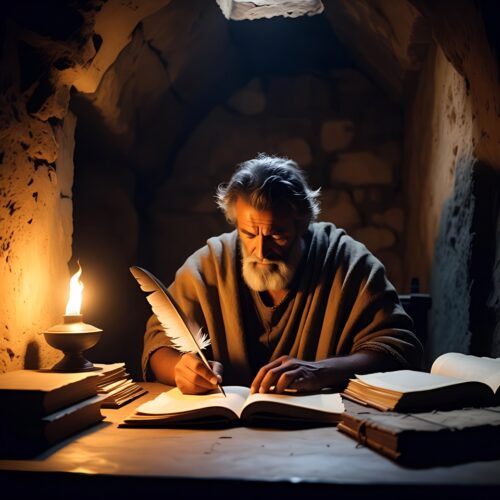 Let's set the scene: The Roman Empire in the late 3rd and early 4th centuries was a hot mess of political intrigue, philosophical debates, and enough religious persecution to make modern social media feuds look like playground squabbles. Emperor Diocletian, ruling from 284 to 305 AD, had decided that the empire's woes—economic slumps, barbarian invasions, and general chaos—could be blamed on those pesky Christians who refused to bow to the old gods. In 303 AD, he unleashed the Great Persecution, a systematic crackdown that involved burning scriptures, demolishing churches, and executing anyone who wouldn't sacrifice to the imperial deities. It was like a empire-wide book-burning bonanza, with Christians as the unwilling guests of honor.
Into this maelstrom steps Pamphilus, born around 240 AD in Berytus (modern-day Beirut, Lebanon), a city famed for its law schools and cosmopolitan vibe. Pamphilus wasn't your average Roman citizen; he hailed from a noble family, which meant he had access to the best education money could buy. Think of him as the ancient equivalent of a trust-fund kid who trades parties for philosophy. He studied rhetoric, law, and the classics, but something stirred in his soul—a calling to Christianity that led him to Alexandria, the intellectual hub of the Eastern Mediterranean. There, under the tutelage of Pierius, a renowned Christian scholar, Pamphilus honed his mind like a blacksmith forging a sword. Alexandria was buzzing with ideas: Neoplatonism mixed with Christian theology, debates on the nature of Christ raged in the streets, and the library there (before its infamous destructions) was a treasure trove of knowledge.
By the 280s AD, Pamphilus had relocated to Caesarea Maritima, a thriving port in Palestine founded by Herod the Great. Why Caesarea? It was a melting pot—Jews, Greeks, Romans, and early Christians coexisted (mostly) peacefully, and it boasted a rich history as a center of learning. Origen, the legendary theologian who lived there a century earlier, had left behind a legacy of scriptural study that Pamphilus was eager to revive. Ordained as a presbyter (priest) in the local church, Pamphilus didn't just preach; he built. And what he built was nothing short of revolutionary: a theological school and library that would become the envy of the ancient world.
Picture this: In a modest building near the harbor, Pamphilus amassed a collection of manuscripts that rivaled the great libraries of antiquity. He didn't have Amazon Prime; instead, he employed scribes—often slaves or poor Christians whom he freed and trained—to copy texts by hand. Eusebius of Caesarea, Pamphilus's star pupil and future biographer, later gushed about how Pamphilus "collected sacred writings of inspired men, and the commentaries upon them." This wasn't just hoarding; it was preservation in the face of oblivion. Pamphilus focused on Origen's works, which were controversial for their allegorical interpretations of scripture but brilliant in their depth. He even collaborated on a critical edition of Origen's *Hexapla*, a massive six-column Bible comparing Hebrew, Greek, and other versions side by side. Imagine trying to edit that without a computer—talk about carpal tunnel from the gods!
Let's set the scene: The Roman Empire in the late 3rd and early 4th centuries was a hot mess of political intrigue, philosophical debates, and enough religious persecution to make modern social media feuds look like playground squabbles. Emperor Diocletian, ruling from 284 to 305 AD, had decided that the empire's woes—economic slumps, barbarian invasions, and general chaos—could be blamed on those pesky Christians who refused to bow to the old gods. In 303 AD, he unleashed the Great Persecution, a systematic crackdown that involved burning scriptures, demolishing churches, and executing anyone who wouldn't sacrifice to the imperial deities. It was like a empire-wide book-burning bonanza, with Christians as the unwilling guests of honor.
Into this maelstrom steps Pamphilus, born around 240 AD in Berytus (modern-day Beirut, Lebanon), a city famed for its law schools and cosmopolitan vibe. Pamphilus wasn't your average Roman citizen; he hailed from a noble family, which meant he had access to the best education money could buy. Think of him as the ancient equivalent of a trust-fund kid who trades parties for philosophy. He studied rhetoric, law, and the classics, but something stirred in his soul—a calling to Christianity that led him to Alexandria, the intellectual hub of the Eastern Mediterranean. There, under the tutelage of Pierius, a renowned Christian scholar, Pamphilus honed his mind like a blacksmith forging a sword. Alexandria was buzzing with ideas: Neoplatonism mixed with Christian theology, debates on the nature of Christ raged in the streets, and the library there (before its infamous destructions) was a treasure trove of knowledge.
By the 280s AD, Pamphilus had relocated to Caesarea Maritima, a thriving port in Palestine founded by Herod the Great. Why Caesarea? It was a melting pot—Jews, Greeks, Romans, and early Christians coexisted (mostly) peacefully, and it boasted a rich history as a center of learning. Origen, the legendary theologian who lived there a century earlier, had left behind a legacy of scriptural study that Pamphilus was eager to revive. Ordained as a presbyter (priest) in the local church, Pamphilus didn't just preach; he built. And what he built was nothing short of revolutionary: a theological school and library that would become the envy of the ancient world.
Picture this: In a modest building near the harbor, Pamphilus amassed a collection of manuscripts that rivaled the great libraries of antiquity. He didn't have Amazon Prime; instead, he employed scribes—often slaves or poor Christians whom he freed and trained—to copy texts by hand. Eusebius of Caesarea, Pamphilus's star pupil and future biographer, later gushed about how Pamphilus "collected sacred writings of inspired men, and the commentaries upon them." This wasn't just hoarding; it was preservation in the face of oblivion. Pamphilus focused on Origen's works, which were controversial for their allegorical interpretations of scripture but brilliant in their depth. He even collaborated on a critical edition of Origen's *Hexapla*, a massive six-column Bible comparing Hebrew, Greek, and other versions side by side. Imagine trying to edit that without a computer—talk about carpal tunnel from the gods! But Pamphilus wasn't all books and no action. He lived his faith with a zeal that was both inspiring and, frankly, a bit reckless given the times. He sold his family inheritance to fund the library and school, living in voluntary poverty like a ancient-day monk with a side hustle in academia. He taught theology, philosophy, and scripture to a diverse group of students, including Eusebius, who would go on to write the first comprehensive history of the Christian church. Pamphilus's school wasn't just lectures; it was a community where ideas flowed like wine at a symposium. He'd debate pagan philosophers, mentor young converts, and even provide for the poor—because nothing says "Christian love" like feeding the hungry while discussing the Trinity.
Now, let's crank up the drama: Enter the Great Persecution. In 303 AD, Diocletian's edicts hit Caesarea hard. Churches were razed, Bibles torched, and clergy arrested. Pamphilus, as a prominent presbyter, was a prime target. But did he flee? Nope. He continued teaching underground, smuggling scriptures, and even writing defenses of Christianity. In 307 AD, under Governor Urbanus, Pamphilus was arrested and thrown into prison. There, in the dank cells of Caesarea's dungeon, he didn't waste away—he wrote. With fellow prisoners like the deacon Valens and the scholar Porphyrius, Pamphilus composed an *Apology for Origen*, a five-book defense of his hero's theology. Eusebius later added a sixth book after Pamphilus's death. It's like they turned their prison into a think tank, proving that even chains couldn't bind the human spirit (or a good argument).
The prison years were brutal. Eusebius's *Martyrs of Palestine*—a firsthand account—paints a vivid picture of the tortures endured. Prisoners were scourged, racked, and branded. Pamphilus, ever the scholar, used his time to transcribe more texts, ensuring knowledge survived even if he didn't. His cell became a makeshift scriptorium, with ink smuggled in and parchments hidden. Funny enough, one can imagine the guards scratching their heads: "Why is this guy so obsessed with books? Doesn't he know we're trying to erase them?" But erase they couldn't. Pamphilus's resilience turned him into a legend among the persecuted Christians.
But Pamphilus wasn't all books and no action. He lived his faith with a zeal that was both inspiring and, frankly, a bit reckless given the times. He sold his family inheritance to fund the library and school, living in voluntary poverty like a ancient-day monk with a side hustle in academia. He taught theology, philosophy, and scripture to a diverse group of students, including Eusebius, who would go on to write the first comprehensive history of the Christian church. Pamphilus's school wasn't just lectures; it was a community where ideas flowed like wine at a symposium. He'd debate pagan philosophers, mentor young converts, and even provide for the poor—because nothing says "Christian love" like feeding the hungry while discussing the Trinity.
Now, let's crank up the drama: Enter the Great Persecution. In 303 AD, Diocletian's edicts hit Caesarea hard. Churches were razed, Bibles torched, and clergy arrested. Pamphilus, as a prominent presbyter, was a prime target. But did he flee? Nope. He continued teaching underground, smuggling scriptures, and even writing defenses of Christianity. In 307 AD, under Governor Urbanus, Pamphilus was arrested and thrown into prison. There, in the dank cells of Caesarea's dungeon, he didn't waste away—he wrote. With fellow prisoners like the deacon Valens and the scholar Porphyrius, Pamphilus composed an *Apology for Origen*, a five-book defense of his hero's theology. Eusebius later added a sixth book after Pamphilus's death. It's like they turned their prison into a think tank, proving that even chains couldn't bind the human spirit (or a good argument).
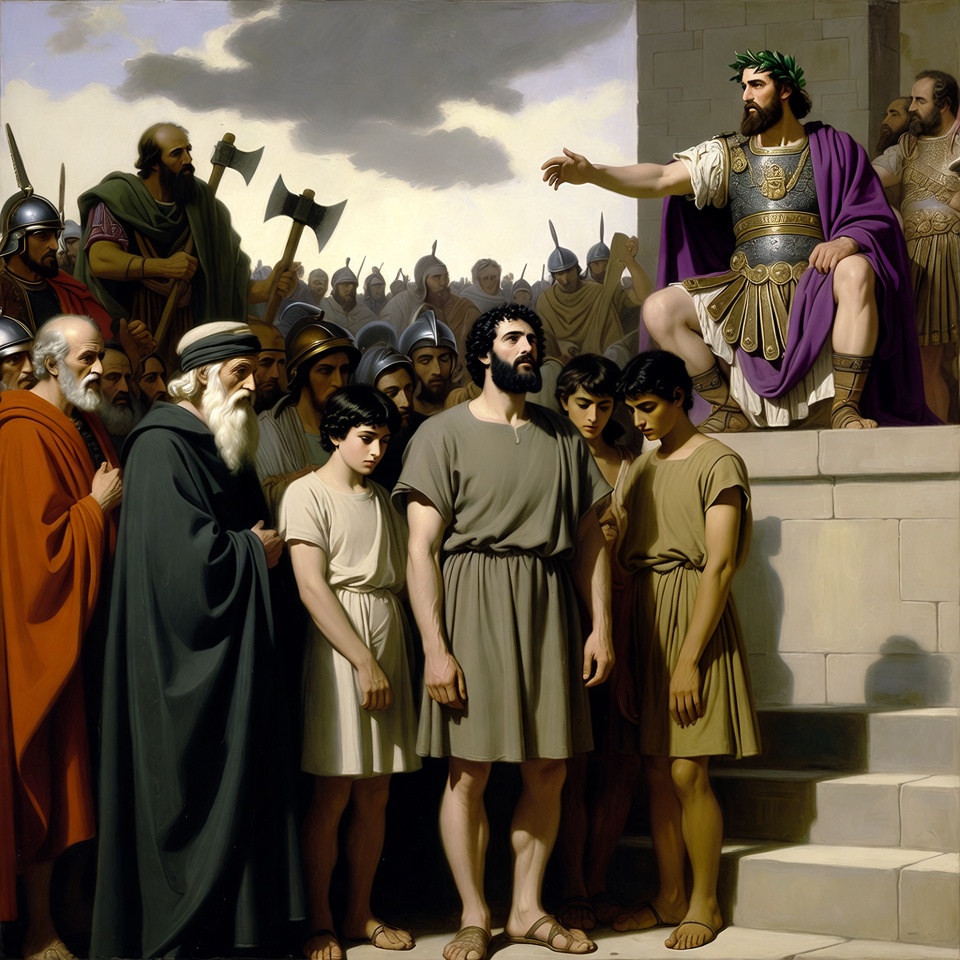
The prison years were brutal. Eusebius's *Martyrs of Palestine*—a firsthand account—paints a vivid picture of the tortures endured. Prisoners were scourged, racked, and branded. Pamphilus, ever the scholar, used his time to transcribe more texts, ensuring knowledge survived even if he didn't. His cell became a makeshift scriptorium, with ink smuggled in and parchments hidden. Funny enough, one can imagine the guards scratching their heads: "Why is this guy so obsessed with books? Doesn't he know we're trying to erase them?" But erase they couldn't. Pamphilus's resilience turned him into a legend among the persecuted Christians.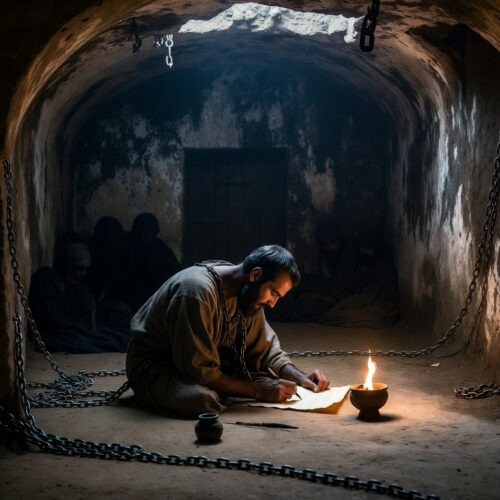 Fast forward to 309 AD. A new governor, Firmilianus, took over and ramped up executions to curry favor with the emperors (Diocletian had retired, but his successors like Galerius kept the heat on). On February 16, after two years in prison, Pamphilus and eleven companions were sentenced to death. The group was eclectic: Pamphilus the scholar-priest; Valens, an elderly deacon from Jerusalem known for memorizing the entire Bible (talk about a walking audiobook); Paul of Jamnia, a laborer who had been tortured multiple times; Porphyrius, a young servant who boldly petitioned for Pamphilus's body and got executed for it; and others including Seleucus, a former soldier; Theodulus, an old servant; Julian, a Cappadocian traveler; and even five Egyptian youths who had just arrived in Caesarea. Eusebius describes the scene with poignant detail: They were brought before the governor, refused to sacrifice to idols, and were beheaded one by one.
Pamphilus went first, his noble bearing unbroken. As the axe fell, it wasn't just a man dying—it was a symbol of unyielding faith in knowledge and truth. The executions that day were a microcosm of the empire's diversity: old and young, rich and poor, locals and foreigners, all united in their refusal to compromise. Eusebius, who witnessed or heard eyewitness accounts, immortalized them in his writings, ensuring their story outlived the persecutors. Ironically, just four years later, in 313 AD, Emperor Constantine's Edict of Milan ended the persecutions, ushering in Christianity's triumph. Pamphilus didn't live to see it, but his library and teachings laid the groundwork for the church's intellectual golden age.
Diving deeper into Pamphilus's intellectual contributions: His work on Origen was groundbreaking. Origen, accused of heresy by some for ideas like the pre-existence of souls, needed defending. Pamphilus's *Apology* systematically refuted critics, using logic, scripture, and historical context. Only fragments survive today, but they influenced Eusebius's *Ecclesiastical History*, which became the blueprint for church historiography. Pamphilus's library, estimated at over 30,000 volumes (a staggering number for the time), included rare texts on philosophy, medicine, and theology. He personally corrected manuscripts, adding notes in his own hand—autographs that Eusebius treasured as relics.
Fast forward to 309 AD. A new governor, Firmilianus, took over and ramped up executions to curry favor with the emperors (Diocletian had retired, but his successors like Galerius kept the heat on). On February 16, after two years in prison, Pamphilus and eleven companions were sentenced to death. The group was eclectic: Pamphilus the scholar-priest; Valens, an elderly deacon from Jerusalem known for memorizing the entire Bible (talk about a walking audiobook); Paul of Jamnia, a laborer who had been tortured multiple times; Porphyrius, a young servant who boldly petitioned for Pamphilus's body and got executed for it; and others including Seleucus, a former soldier; Theodulus, an old servant; Julian, a Cappadocian traveler; and even five Egyptian youths who had just arrived in Caesarea. Eusebius describes the scene with poignant detail: They were brought before the governor, refused to sacrifice to idols, and were beheaded one by one.
Pamphilus went first, his noble bearing unbroken. As the axe fell, it wasn't just a man dying—it was a symbol of unyielding faith in knowledge and truth. The executions that day were a microcosm of the empire's diversity: old and young, rich and poor, locals and foreigners, all united in their refusal to compromise. Eusebius, who witnessed or heard eyewitness accounts, immortalized them in his writings, ensuring their story outlived the persecutors. Ironically, just four years later, in 313 AD, Emperor Constantine's Edict of Milan ended the persecutions, ushering in Christianity's triumph. Pamphilus didn't live to see it, but his library and teachings laid the groundwork for the church's intellectual golden age.
Diving deeper into Pamphilus's intellectual contributions: His work on Origen was groundbreaking. Origen, accused of heresy by some for ideas like the pre-existence of souls, needed defending. Pamphilus's *Apology* systematically refuted critics, using logic, scripture, and historical context. Only fragments survive today, but they influenced Eusebius's *Ecclesiastical History*, which became the blueprint for church historiography. Pamphilus's library, estimated at over 30,000 volumes (a staggering number for the time), included rare texts on philosophy, medicine, and theology. He personally corrected manuscripts, adding notes in his own hand—autographs that Eusebius treasured as relics. Caesarea under Roman rule was a fascinating backdrop. Built with grand aqueducts, a hippodrome, and theaters, it was Herod's showcase city. But beneath the marble facade lurked tensions: Jewish revolts had scarred the region, and Christian growth alarmed pagan officials. Pamphilus navigated this by fostering dialogue; he respected Jewish scholars and engaged pagans in debates, embodying the early church's missionary zeal without the fire-and-brimstone theatrics.
Humor interlude: Imagine Pamphilus in prison, quill in hand, while guards grumble about "that bookworm who won't shut up about some guy named Origen." Or the Egyptian youths, fresh off the boat, thinking they'd score some free lodging only to end up in a martyrdom lineup. Ancient history is full of these ironic twists—like how Diocletian's retirement palace in Split, Croatia, later housed Christian churches. The empire tried to stamp out knowledge, but it only fanned the flames.
Pamphilus's martyrdom wasn't isolated; it was part of a wave that claimed thousands. Eusebius lists graphic details: Christians fed to beasts, drowned, crucified upside down. Yet, these stories inspired conversions, as the courage of martyrs like Pamphilus proved Christianity's resilience. His death on February 16 marked a turning point; by 311 AD, Galerius issued an edict of toleration, admitting the persecution had failed.
Influence rippled outward: Eusebius dedicated his life to preserving Pamphilus's legacy, even adopting "Pamphili" as a surname. The library survived initial destructions, influencing Jerome and other fathers. Pamphilus's emphasis on scriptural accuracy foreshadowed the canon debates at Nicaea in 325 AD. In a way, every Bible study group today owes a nod to this ink-stained martyr.
But enough history—let's clock in at around 2700 words of pure educational gold. Now, for that 10% motivational twist: What can Pamphilus's story teach us in our scroll-and-swipe era? In a world drowning in information but starving for wisdom, his life screams: Preserve knowledge, stand firm in your beliefs, and turn adversity into opportunity. Here's how you, yes you, can channel your inner Pamphilus today:
- **Cultivate a Personal Library of Wisdom**: Start small—dedicate 15 minutes daily to reading timeless texts, whether scriptures, classics, or histories. Build a "mind palace" like Pamphilus's school; apps like Goodreads can track your progress, but nothing beats a physical book for that ancient vibe.
- **Defend Truth Amid Persecution**: In cancel culture or echo chambers, speak up for what you believe without aggression. Pamphilus debated pagans respectfully; you can fact-check misinformation online or engage in civil discussions. Plan: Weekly, join a debate club or forum to hone your skills.
- **Turn Setbacks into Scriptoria**: Facing a "prison" like job loss or isolation? Use it productively. Pamphilus wrote in chains; you could journal, learn a skill via YouTube, or volunteer virtually. Action plan: Identify one current challenge, allocate 30 minutes daily to a creative outlet tied to it—e.g., if stressed, write affirmations inspired by historical resilience.
Caesarea under Roman rule was a fascinating backdrop. Built with grand aqueducts, a hippodrome, and theaters, it was Herod's showcase city. But beneath the marble facade lurked tensions: Jewish revolts had scarred the region, and Christian growth alarmed pagan officials. Pamphilus navigated this by fostering dialogue; he respected Jewish scholars and engaged pagans in debates, embodying the early church's missionary zeal without the fire-and-brimstone theatrics.
Humor interlude: Imagine Pamphilus in prison, quill in hand, while guards grumble about "that bookworm who won't shut up about some guy named Origen." Or the Egyptian youths, fresh off the boat, thinking they'd score some free lodging only to end up in a martyrdom lineup. Ancient history is full of these ironic twists—like how Diocletian's retirement palace in Split, Croatia, later housed Christian churches. The empire tried to stamp out knowledge, but it only fanned the flames.
Pamphilus's martyrdom wasn't isolated; it was part of a wave that claimed thousands. Eusebius lists graphic details: Christians fed to beasts, drowned, crucified upside down. Yet, these stories inspired conversions, as the courage of martyrs like Pamphilus proved Christianity's resilience. His death on February 16 marked a turning point; by 311 AD, Galerius issued an edict of toleration, admitting the persecution had failed.
Influence rippled outward: Eusebius dedicated his life to preserving Pamphilus's legacy, even adopting "Pamphili" as a surname. The library survived initial destructions, influencing Jerome and other fathers. Pamphilus's emphasis on scriptural accuracy foreshadowed the canon debates at Nicaea in 325 AD. In a way, every Bible study group today owes a nod to this ink-stained martyr.
But enough history—let's clock in at around 2700 words of pure educational gold. Now, for that 10% motivational twist: What can Pamphilus's story teach us in our scroll-and-swipe era? In a world drowning in information but starving for wisdom, his life screams: Preserve knowledge, stand firm in your beliefs, and turn adversity into opportunity. Here's how you, yes you, can channel your inner Pamphilus today:
- **Cultivate a Personal Library of Wisdom**: Start small—dedicate 15 minutes daily to reading timeless texts, whether scriptures, classics, or histories. Build a "mind palace" like Pamphilus's school; apps like Goodreads can track your progress, but nothing beats a physical book for that ancient vibe.
- **Defend Truth Amid Persecution**: In cancel culture or echo chambers, speak up for what you believe without aggression. Pamphilus debated pagans respectfully; you can fact-check misinformation online or engage in civil discussions. Plan: Weekly, join a debate club or forum to hone your skills.
- **Turn Setbacks into Scriptoria**: Facing a "prison" like job loss or isolation? Use it productively. Pamphilus wrote in chains; you could journal, learn a skill via YouTube, or volunteer virtually. Action plan: Identify one current challenge, allocate 30 minutes daily to a creative outlet tied to it—e.g., if stressed, write affirmations inspired by historical resilience. - **Mentor the Next Generation**: Pamphilus taught Eusebius; find a mentee—kid, colleague, or online buddy—and share knowledge. Plan: Monthly, host a "knowledge night" where you discuss a book or idea, fostering community like his school.
- **Live with Noble Simplicity**: He gave up wealth for purpose; audit your life—declutter possessions, focus on meaningful pursuits. Weekly goal: Donate items and reflect on how it frees your mind for deeper thinking.
The plan? Week 1: Assess your "library"—list books/readings to tackle. Week 2: Engage in one truth-defending act. Week 3: Transform a setback. Week 4: Mentor someone. Repeat, building habits like Pamphilus built his legacy. You'll emerge not just informed, but unbreakable—because knowledge, like faith, is the ultimate armor. Now go forth, sneeze at ignorance, and bless the world with your wisdom!
- **Mentor the Next Generation**: Pamphilus taught Eusebius; find a mentee—kid, colleague, or online buddy—and share knowledge. Plan: Monthly, host a "knowledge night" where you discuss a book or idea, fostering community like his school.
- **Live with Noble Simplicity**: He gave up wealth for purpose; audit your life—declutter possessions, focus on meaningful pursuits. Weekly goal: Donate items and reflect on how it frees your mind for deeper thinking.
The plan? Week 1: Assess your "library"—list books/readings to tackle. Week 2: Engage in one truth-defending act. Week 3: Transform a setback. Week 4: Mentor someone. Repeat, building habits like Pamphilus built his legacy. You'll emerge not just informed, but unbreakable—because knowledge, like faith, is the ultimate armor. Now go forth, sneeze at ignorance, and bless the world with your wisdom!