Imagine a chilly winter morning in 1570, the streets of a quaint Scottish town bustling with the rhythm of daily life, when a single gunshot echoes through the air, forever altering the course of a nation. This isn't the stuff of modern thrillers; it's the raw, gripping reality of January 23, 1570, when James Stewart, 1st Earl of Moray and Regent of Scotland, became the first head of government in recorded history to fall victim to an assassination by firearm. His death wasn't just a personal tragedy—it was a seismic event in the turbulent saga of Scottish history, a clash of loyalties, religions, and ambitions that shaped the future of Britain. In this deep dive, we'll unravel the intricate web of events leading to that fateful day, exploring Moray's rise from royal bastard to iron-fisted ruler, the chaotic backdrop of Mary Queen of Scots' downfall, and the ripple effects that echoed through centuries. Buckle up for a journey that's equal parts educational intrigue and edge-of-your-seat drama, because history isn't just dates and names—it's the pulse-pounding story of human ambition gone awry.
 To set the stage, we must rewind to the early 16th century, a time when Scotland was a powder keg of feudal rivalries, religious upheaval, and fragile alliances with its southern neighbor, England. The Stewart dynasty, which had ruled Scotland since 1371, was no stranger to scandal and strife. King James V, Moray's father, ascended the throne in 1513 at just 17 months old after his father, James IV, perished in the disastrous Battle of Flodden against the English. James V's reign was marked by efforts to centralize power, suppress rebellious nobles, and navigate the treacherous waters of European politics. But like many monarchs of his era, James V had a penchant for extramarital affairs, siring at least nine illegitimate children. Among them was James Stewart, born around 1531 to Margaret Erskine, a noblewoman from a prominent family. Though illegitimate, young James was acknowledged by his father and raised with the privileges befitting a royal offspring, including education and lands that would later fuel his ascent.
Scotland in the 1530s and 1540s was a land torn between old Catholic traditions and the rising tide of Protestant Reformation, inspired by figures like John Calvin and Martin Luther. The Reformation had already swept through England under Henry VIII, but in Scotland, it simmered beneath the surface, fueled by corruption in the Catholic Church and the allure of scriptural authority over papal decrees. James V remained staunchly Catholic, allying with France through his marriages—first to Madeleine of Valois in 1537 (who died shortly after), and then to Mary of Guise in 1538. This Franco-Scottish "Auld Alliance" was a bulwark against English aggression, but it also deepened internal divisions. When James V died in 1542, heartbroken after the defeat at Solway Moss and the birth of his only legitimate heir, Mary (who would become Queen of Scots at just six days old), the kingdom plunged into regency chaos.
Enter the young James Stewart. As a teenager, he was granted the title of Commendator of the Priories of St Andrews and Pittenweem, lucrative positions that enriched him and positioned him as a key player in ecclesiastical politics. But it was the Rough Wooing—a brutal English campaign from 1543 to 1550 aimed at forcing a marriage between Mary Queen of Scots and Edward VI—that hardened Stewart's resolve. During this period, English forces ravaged Scottish borders, sacking towns and monasteries. Stewart, now in his late teens, witnessed the devastation firsthand and began aligning with Protestant reformers who saw England's Protestantism as a potential ally against Catholic France's influence. By the 1550s, he had converted to Protestantism, a move that would define his career and set him on a collision course with his half-sister, Mary.
To set the stage, we must rewind to the early 16th century, a time when Scotland was a powder keg of feudal rivalries, religious upheaval, and fragile alliances with its southern neighbor, England. The Stewart dynasty, which had ruled Scotland since 1371, was no stranger to scandal and strife. King James V, Moray's father, ascended the throne in 1513 at just 17 months old after his father, James IV, perished in the disastrous Battle of Flodden against the English. James V's reign was marked by efforts to centralize power, suppress rebellious nobles, and navigate the treacherous waters of European politics. But like many monarchs of his era, James V had a penchant for extramarital affairs, siring at least nine illegitimate children. Among them was James Stewart, born around 1531 to Margaret Erskine, a noblewoman from a prominent family. Though illegitimate, young James was acknowledged by his father and raised with the privileges befitting a royal offspring, including education and lands that would later fuel his ascent.
Scotland in the 1530s and 1540s was a land torn between old Catholic traditions and the rising tide of Protestant Reformation, inspired by figures like John Calvin and Martin Luther. The Reformation had already swept through England under Henry VIII, but in Scotland, it simmered beneath the surface, fueled by corruption in the Catholic Church and the allure of scriptural authority over papal decrees. James V remained staunchly Catholic, allying with France through his marriages—first to Madeleine of Valois in 1537 (who died shortly after), and then to Mary of Guise in 1538. This Franco-Scottish "Auld Alliance" was a bulwark against English aggression, but it also deepened internal divisions. When James V died in 1542, heartbroken after the defeat at Solway Moss and the birth of his only legitimate heir, Mary (who would become Queen of Scots at just six days old), the kingdom plunged into regency chaos.
Enter the young James Stewart. As a teenager, he was granted the title of Commendator of the Priories of St Andrews and Pittenweem, lucrative positions that enriched him and positioned him as a key player in ecclesiastical politics. But it was the Rough Wooing—a brutal English campaign from 1543 to 1550 aimed at forcing a marriage between Mary Queen of Scots and Edward VI—that hardened Stewart's resolve. During this period, English forces ravaged Scottish borders, sacking towns and monasteries. Stewart, now in his late teens, witnessed the devastation firsthand and began aligning with Protestant reformers who saw England's Protestantism as a potential ally against Catholic France's influence. By the 1550s, he had converted to Protestantism, a move that would define his career and set him on a collision course with his half-sister, Mary. Mary Queen of Scots' early life reads like a fairy tale gone gothic. Sent to France at age five for safety, she grew up in the opulent court of Henry II, marrying the Dauphin Francis in 1558 and briefly becoming Queen of France in 1559. But Francis's death in 1560 left her a widow at 18, prompting her return to Scotland in 1561. The country she inherited was fracturing along religious lines. The Scottish Reformation Parliament of 1560 had abolished papal authority, established Presbyterianism, and outlawed the Mass—reforms Moray, now styled Lord James Stewart, had championed as a leading Protestant lord. Mary, a devout Catholic, arrived with a policy of tolerance, allowing private Catholic worship while publicly supporting the Protestant establishment. This pragmatic approach initially worked, with Moray serving as her chief advisor and helping suppress Catholic uprisings like the Huntly Rebellion in 1562.
Moray's influence grew exponentially. In 1562, he was created Earl of Moray, granting him vast northern estates previously held by the Gordons. He married Agnes Keith, daughter of the powerful Earl Marischal, in 1562, solidifying alliances among Protestant nobility. Their union produced two daughters, Elizabeth and Margaret, who would later inherit his titles. As Mary's half-brother and confidant, Moray navigated court intrigues with a blend of diplomacy and force. He accompanied Mary on progresses across Scotland, advising on matters from foreign policy to domestic rebellions. But cracks soon appeared. Mary's marriage to Henry Stuart, Lord Darnley, in 1565—a Catholic union that produced the future James VI—alienated Protestant lords, including Moray. Darnley was arrogant, ambitious, and violent, quickly falling out with Mary and plotting against her favorites, like David Rizzio.
The Rizzio murder in March 1566 was a turning point. Darnley, jealous of Rizzio's influence, led a gang of nobles to stab the Italian secretary 56 times in Mary's presence at Holyrood Palace. Moray, who had been in exile after protesting the Darnley marriage (the so-called Chaseabout Raid), returned to Scotland amid the chaos. He reconciled with Mary, but the damage was done. Darnley's own murder in February 1567 at Kirk o' Field—blown up with gunpowder in a plot widely suspected to involve Mary and her new suitor, James Hepburn, 4th Earl of Bothwell—ignited scandal. Mary's hasty marriage to Bothwell in May 1567 fueled rumors of her complicity, leading to the Confederate Lords' uprising. Moray, initially neutral, joined the rebels after Mary's forces were defeated at Carberry Hill in June 1567. Mary was imprisoned at Lochleven Castle, forced to abdicate in favor of her infant son James VI on July 24, 1567.
With Mary deposed, Moray was proclaimed Regent on August 22, 1567. His regency was a masterclass in pragmatic governance amid civil war. As "Gude Regent," he consolidated Protestant power, reforming the church, suppressing Marian loyalists, and forging ties with Elizabeth I of England. He convened parliaments to ratify the abdication, distributed forfeited lands to loyalists, and pursued economic stability through trade with the Low Countries. But opposition simmered. Mary's escape from Lochleven in May 1568 led to the Battle of Langside, where Moray's forces crushed the Marians, forcing Mary to flee to England. There, she became Elizabeth's prisoner, but her cause lived on in Scotland through clans like the Hamiltons, staunch Catholics and rivals to the Stewarts.
The Hamiltons had personal grudges against Moray. During the civil strife, Moray had seized Hamilton lands and imprisoned family members. James Hamilton of Bothwellhaugh, a mid-level noble from Lanarkshire, had seen his estate, Woodhouselee, confiscated and given to one of Moray's favorites. His wife, left destitute, reportedly died of exposure after being evicted in winter—a tale that fueled his vendetta. Bothwellhaugh was also a Marian partisan, having fought at Langside and escaped capture. He found refuge with his uncle, John Hamilton, Archbishop of St Andrews, a key Catholic figure.
Mary Queen of Scots' early life reads like a fairy tale gone gothic. Sent to France at age five for safety, she grew up in the opulent court of Henry II, marrying the Dauphin Francis in 1558 and briefly becoming Queen of France in 1559. But Francis's death in 1560 left her a widow at 18, prompting her return to Scotland in 1561. The country she inherited was fracturing along religious lines. The Scottish Reformation Parliament of 1560 had abolished papal authority, established Presbyterianism, and outlawed the Mass—reforms Moray, now styled Lord James Stewart, had championed as a leading Protestant lord. Mary, a devout Catholic, arrived with a policy of tolerance, allowing private Catholic worship while publicly supporting the Protestant establishment. This pragmatic approach initially worked, with Moray serving as her chief advisor and helping suppress Catholic uprisings like the Huntly Rebellion in 1562.
Moray's influence grew exponentially. In 1562, he was created Earl of Moray, granting him vast northern estates previously held by the Gordons. He married Agnes Keith, daughter of the powerful Earl Marischal, in 1562, solidifying alliances among Protestant nobility. Their union produced two daughters, Elizabeth and Margaret, who would later inherit his titles. As Mary's half-brother and confidant, Moray navigated court intrigues with a blend of diplomacy and force. He accompanied Mary on progresses across Scotland, advising on matters from foreign policy to domestic rebellions. But cracks soon appeared. Mary's marriage to Henry Stuart, Lord Darnley, in 1565—a Catholic union that produced the future James VI—alienated Protestant lords, including Moray. Darnley was arrogant, ambitious, and violent, quickly falling out with Mary and plotting against her favorites, like David Rizzio.
The Rizzio murder in March 1566 was a turning point. Darnley, jealous of Rizzio's influence, led a gang of nobles to stab the Italian secretary 56 times in Mary's presence at Holyrood Palace. Moray, who had been in exile after protesting the Darnley marriage (the so-called Chaseabout Raid), returned to Scotland amid the chaos. He reconciled with Mary, but the damage was done. Darnley's own murder in February 1567 at Kirk o' Field—blown up with gunpowder in a plot widely suspected to involve Mary and her new suitor, James Hepburn, 4th Earl of Bothwell—ignited scandal. Mary's hasty marriage to Bothwell in May 1567 fueled rumors of her complicity, leading to the Confederate Lords' uprising. Moray, initially neutral, joined the rebels after Mary's forces were defeated at Carberry Hill in June 1567. Mary was imprisoned at Lochleven Castle, forced to abdicate in favor of her infant son James VI on July 24, 1567.
With Mary deposed, Moray was proclaimed Regent on August 22, 1567. His regency was a masterclass in pragmatic governance amid civil war. As "Gude Regent," he consolidated Protestant power, reforming the church, suppressing Marian loyalists, and forging ties with Elizabeth I of England. He convened parliaments to ratify the abdication, distributed forfeited lands to loyalists, and pursued economic stability through trade with the Low Countries. But opposition simmered. Mary's escape from Lochleven in May 1568 led to the Battle of Langside, where Moray's forces crushed the Marians, forcing Mary to flee to England. There, she became Elizabeth's prisoner, but her cause lived on in Scotland through clans like the Hamiltons, staunch Catholics and rivals to the Stewarts.
The Hamiltons had personal grudges against Moray. During the civil strife, Moray had seized Hamilton lands and imprisoned family members. James Hamilton of Bothwellhaugh, a mid-level noble from Lanarkshire, had seen his estate, Woodhouselee, confiscated and given to one of Moray's favorites. His wife, left destitute, reportedly died of exposure after being evicted in winter—a tale that fueled his vendetta. Bothwellhaugh was also a Marian partisan, having fought at Langside and escaped capture. He found refuge with his uncle, John Hamilton, Archbishop of St Andrews, a key Catholic figure. By early 1570, Moray's regency was at its zenith, but threats loomed. He had just suppressed a northern rebellion and was en route to Edinburgh via Stirling and Linlithgow to convene a parliament. On January 19, at Stirling Castle, he dined with English envoys, discussing aid against the Marians. Unbeknownst to him, Bothwellhaugh had infiltrated Linlithgow, hiding in the archbishop's townhouse on the High Street. The house was strategically positioned: its rear garden allowed a discreet escape, and a front window overlooked the narrow street where Moray's procession would pass.
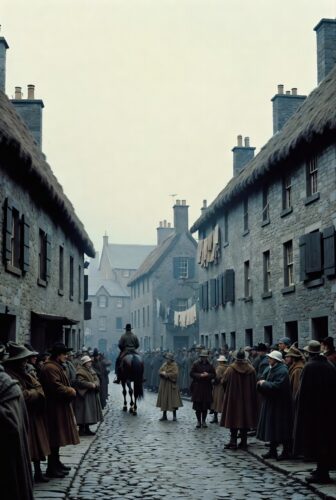
January 23 dawned cold and clear. Moray, riding horseback in a cavalcade of lords and guards, entered Linlithgow around noon. The street was lined with spectators, some hanging laundry to dry—a perfect camouflage. From the window, concealed behind hanging clothes, Bothwellhaugh took aim with a matchlock carbine, a short-barreled firearm loaded with a single lead ball. As Moray came into view, he fired. The shot struck Moray below the navel, piercing his spleen and intestines. Chaos erupted. Moray slumped from his horse, uttering, "I am slain," before being carried to the nearby palace. He lingered for 11 hours, dictating his will and consoling his aides, before dying around midnight at age 39.
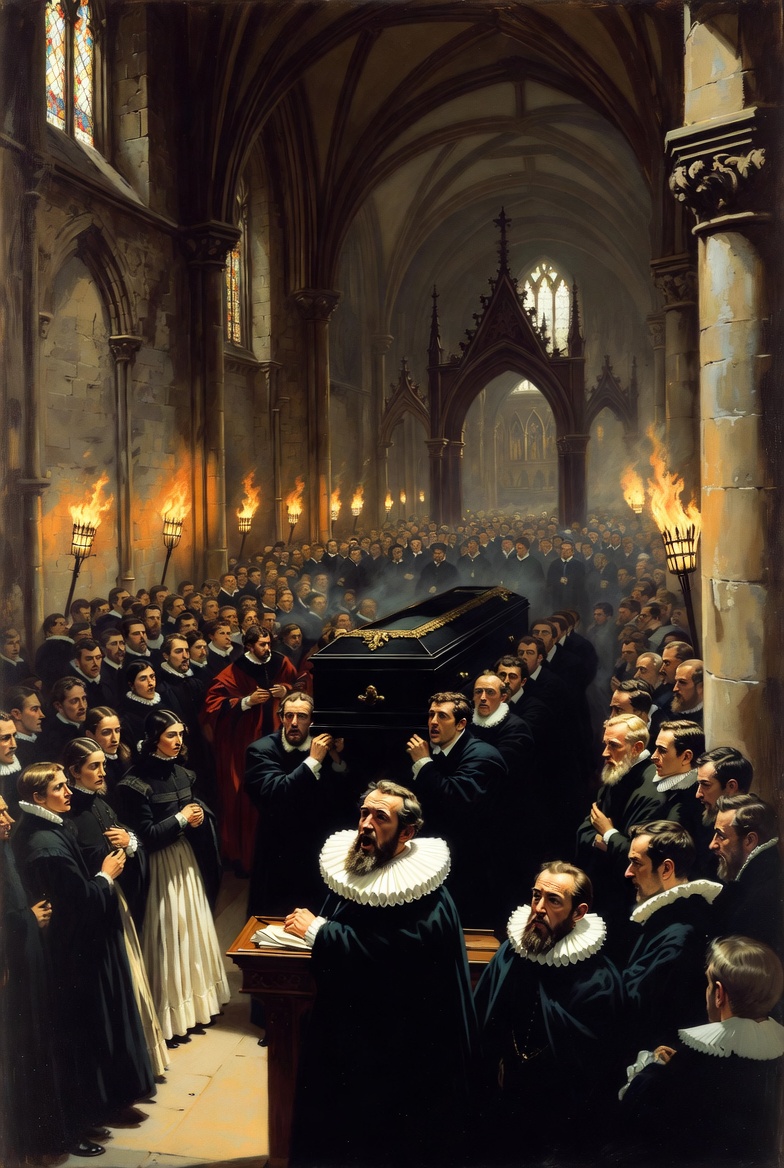
The assassination's execution was meticulous. Bothwellhaugh had prepared his escape: a swift horse waited in the garden, and he fled to Hamilton Castle, then France, evading capture despite a massive manhunt. The carbine, left behind, was later exhibited as evidence. News spread like wildfire, shocking Europe. Elizabeth I condemned it as "a wicked enterprise," while Mary's supporters celebrated. Moray's funeral on February 14 at St Giles' Cathedral in Edinburgh was a state affair, with John Knox preaching a fiery sermon praising him as a godly ruler.
The immediate aftermath plunged Scotland into deeper turmoil. Moray's death created a power vacuum, leading to the brief regency of Matthew Stewart, 4th Earl of Lennox (James VI's grandfather), who was assassinated in 1571. Civil war intensified, with sieges of Edinburgh Castle and Dumbarton. The Marians held out until 1573, when English artillery bombarded Edinburgh, forcing surrender. Mary's cause waned, and by 1587, she was executed in England. James VI, raised Protestant, ascended the English throne in 1603, uniting the crowns.
By early 1570, Moray's regency was at its zenith, but threats loomed. He had just suppressed a northern rebellion and was en route to Edinburgh via Stirling and Linlithgow to convene a parliament. On January 19, at Stirling Castle, he dined with English envoys, discussing aid against the Marians. Unbeknownst to him, Bothwellhaugh had infiltrated Linlithgow, hiding in the archbishop's townhouse on the High Street. The house was strategically positioned: its rear garden allowed a discreet escape, and a front window overlooked the narrow street where Moray's procession would pass.
January 23 dawned cold and clear. Moray, riding horseback in a cavalcade of lords and guards, entered Linlithgow around noon. The street was lined with spectators, some hanging laundry to dry—a perfect camouflage. From the window, concealed behind hanging clothes, Bothwellhaugh took aim with a matchlock carbine, a short-barreled firearm loaded with a single lead ball. As Moray came into view, he fired. The shot struck Moray below the navel, piercing his spleen and intestines. Chaos erupted. Moray slumped from his horse, uttering, "I am slain," before being carried to the nearby palace. He lingered for 11 hours, dictating his will and consoling his aides, before dying around midnight at age 39.
The assassination's execution was meticulous. Bothwellhaugh had prepared his escape: a swift horse waited in the garden, and he fled to Hamilton Castle, then France, evading capture despite a massive manhunt. The carbine, left behind, was later exhibited as evidence. News spread like wildfire, shocking Europe. Elizabeth I condemned it as "a wicked enterprise," while Mary's supporters celebrated. Moray's funeral on February 14 at St Giles' Cathedral in Edinburgh was a state affair, with John Knox preaching a fiery sermon praising him as a godly ruler.
The immediate aftermath plunged Scotland into deeper turmoil. Moray's death created a power vacuum, leading to the brief regency of Matthew Stewart, 4th Earl of Lennox (James VI's grandfather), who was assassinated in 1571. Civil war intensified, with sieges of Edinburgh Castle and Dumbarton. The Marians held out until 1573, when English artillery bombarded Edinburgh, forcing surrender. Mary's cause waned, and by 1587, she was executed in England. James VI, raised Protestant, ascended the English throne in 1603, uniting the crowns.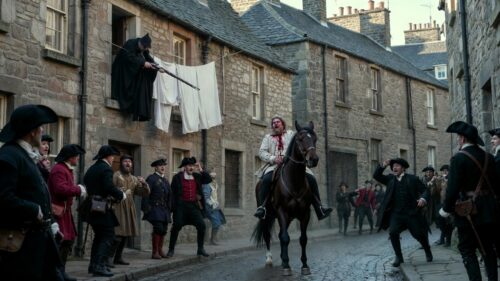 Moray's legacy is complex. As Regent, he laid foundations for the Kirk's dominance, promoting education and justice reforms that influenced Scotland's Enlightenment. His assassination highlighted the era's volatility, marking the firearm's entry into political violence—a harbinger of future revolutions. Historians debate his motives: was he a principled reformer or an ambitious usurper? His correspondence reveals a man torn between family loyalty and religious conviction, yet ruthless in pursuit of stability.
Shifting gears from the annals of history to the here and now, what can we glean from this dramatic tale? The outcome of Moray's assassination—though tragic—ultimately fortified Scotland's Protestant framework, paving the way for a more unified, resilient nation that withstood centuries of upheaval. Applying this to your life, think of it as a metaphor for facing personal "assassinations"—sudden setbacks, betrayals, or crises that test your core. By channeling Moray's steadfast leadership and the enduring spirit that rose from his fall, you can build unbreakable resolve. Here's how this historical fact benefits you today, with specific bullet points and a step-by-step plan to integrate it into your daily routine.
Moray's legacy is complex. As Regent, he laid foundations for the Kirk's dominance, promoting education and justice reforms that influenced Scotland's Enlightenment. His assassination highlighted the era's volatility, marking the firearm's entry into political violence—a harbinger of future revolutions. Historians debate his motives: was he a principled reformer or an ambitious usurper? His correspondence reveals a man torn between family loyalty and religious conviction, yet ruthless in pursuit of stability.
Shifting gears from the annals of history to the here and now, what can we glean from this dramatic tale? The outcome of Moray's assassination—though tragic—ultimately fortified Scotland's Protestant framework, paving the way for a more unified, resilient nation that withstood centuries of upheaval. Applying this to your life, think of it as a metaphor for facing personal "assassinations"—sudden setbacks, betrayals, or crises that test your core. By channeling Moray's steadfast leadership and the enduring spirit that rose from his fall, you can build unbreakable resolve. Here's how this historical fact benefits you today, with specific bullet points and a step-by-step plan to integrate it into your daily routine.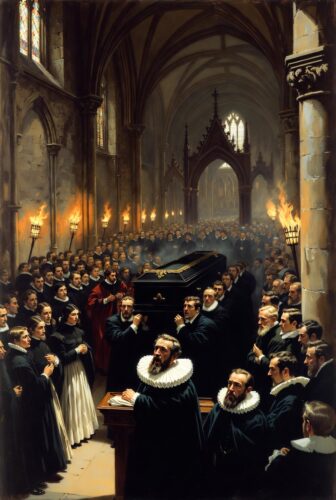 - **Embrace Conviction Amid Chaos**: Moray stood firm in his beliefs during religious turmoil; today, identify your core values (e.g., integrity in work) and defend them against distractions like toxic relationships or fleeting trends, leading to greater personal authenticity and reduced stress.
- **Build Alliances Strategically**: Like Moray's Protestant coalitions, surround yourself with supportive networks—join a professional group or mentorship circle—to amplify your strengths and navigate career challenges, potentially accelerating promotions or side hustles.
- **Prepare for the Unexpected**: The assassination underscores vigilance; in modern terms, create emergency funds or backup plans for job loss, fostering financial security and peace of mind.
- **Turn Setbacks into Strength**: Scotland's unity post-Moray shows resilience; after a failure (e.g., a failed project), analyze it to refine skills, turning it into a launchpad for success like starting a new venture.
- **Lead with Pragmatism**: Moray's reforms balanced ideals with reality; apply this by setting realistic goals, such as breaking a fitness routine into daily 20-minute sessions, yielding sustainable health improvements.
**Your 30-Day Resolve-Building Plan**:
- **Embrace Conviction Amid Chaos**: Moray stood firm in his beliefs during religious turmoil; today, identify your core values (e.g., integrity in work) and defend them against distractions like toxic relationships or fleeting trends, leading to greater personal authenticity and reduced stress.
- **Build Alliances Strategically**: Like Moray's Protestant coalitions, surround yourself with supportive networks—join a professional group or mentorship circle—to amplify your strengths and navigate career challenges, potentially accelerating promotions or side hustles.
- **Prepare for the Unexpected**: The assassination underscores vigilance; in modern terms, create emergency funds or backup plans for job loss, fostering financial security and peace of mind.
- **Turn Setbacks into Strength**: Scotland's unity post-Moray shows resilience; after a failure (e.g., a failed project), analyze it to refine skills, turning it into a launchpad for success like starting a new venture.
- **Lead with Pragmatism**: Moray's reforms balanced ideals with reality; apply this by setting realistic goals, such as breaking a fitness routine into daily 20-minute sessions, yielding sustainable health improvements.
**Your 30-Day Resolve-Building Plan**:
**Days 1-7: Reflect and Anchor**—Journal daily about a past "assassination" in your life (e.g., a betrayal). Identify one core value it tested, like perseverance, and affirm it with a mantra: "I stand firm like Moray."
**Days 8-14: Forge Alliances**—Reach out to three people in your network for coffee or a call. Discuss shared goals, such as career advice, and commit to one collaborative action, mirroring Moray's coalition-building.
**Days 15-21: Fortify Defenses**—Assess risks: Review finances, health, or relationships. Create one safeguard, like automating savings or scheduling a check-up, to preempt crises.
**Days 22-28: Rebound with Action**—Tackle a small setback head-on. If you missed a workout, double down the next day and track progress, drawing inspiration from Scotland's post-assassination recovery.
**Days 29-30: Lead Forward**—Set a pragmatic goal for the next month, breaking it into steps. Celebrate progress, embodying Moray's legacy of turning turmoil into triumph.
By weaving these lessons into your life, you'll not only honor a pivotal historical moment but transform potential pitfalls into powerful growth. History isn't dead—it's your ultimate motivator.