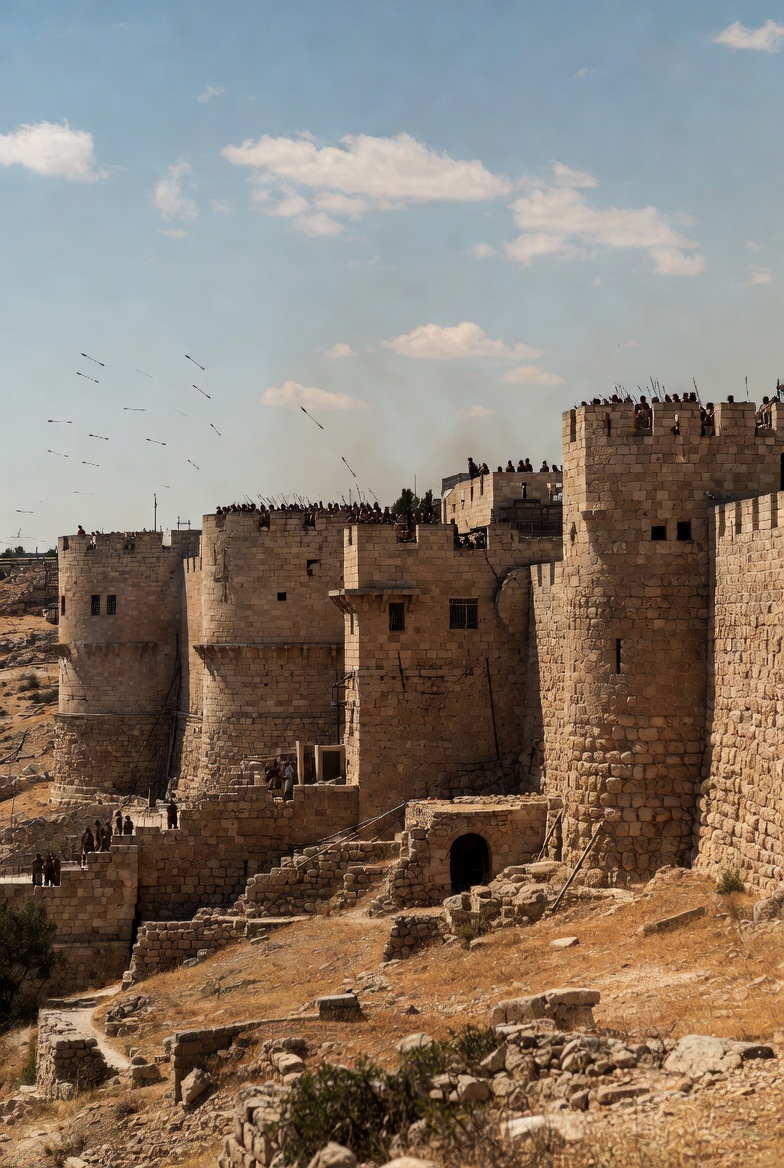
Imagine standing on the dusty ramparts of a city teetering on the brink of oblivion, the air thick with the scent of impending doom. The year is 588 BC, and on this very day—January 15—the mighty Babylonian army, led by the formidable King Nebuchadnezzar II, encircles Jerusalem, sealing its fate in a siege that would reshape the ancient world. This wasn't just a military maneuver; it was a cataclysmic clash of empires, faiths, and human endurance that echoed through millennia. Today, as we delve into this gripping chapter of distant history, we'll uncover the intricate web of politics, betrayal, and survival that defined the Siege of Jerusalem. But beyond the ruins and relics, we'll explore how this ancient ordeal offers timeless wisdom, empowering you to fortify your own life against modern sieges—be they personal crises, professional setbacks, or emotional battles. Buckle up for a journey that's equal parts history lesson and motivational rally, where the past doesn't just inform the present; it propels it forward.
Let's start by setting the stage in the turbulent landscape of the ancient Near East. By the late 7th century BC, the geopolitical map was a powder keg. The once-dominant Neo-Assyrian Empire, which had lorded over vast territories including the Kingdom of Judah, was crumbling under internal strife and external pressures. Into this vacuum stepped the Neo-Babylonian Empire, under the ambitious Nabopolassar, who founded the dynasty in 626 BC. His son, Nebuchadnezzar II, ascended the throne in 605 BC after a decisive victory at the Battle of Carchemish, where he crushed the Egyptian forces of Pharaoh Necho II. This battle wasn't merely a skirmish; it marked Babylon's ascendancy as the superpower of the region, controlling the fertile crescent from the Euphrates to the Mediterranean.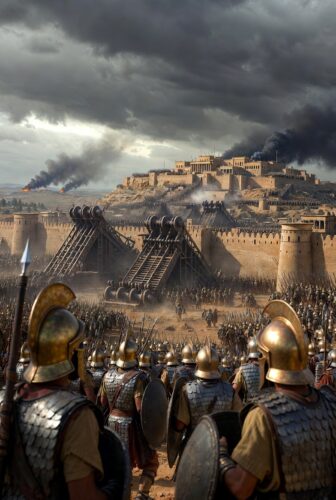 Judah, a small but strategically vital kingdom nestled in the hills of what is now modern Israel and Palestine, found itself caught in the crosshairs. Descended from the ancient Israelites, Judah was the southern remnant of the divided kingdom after the northern Kingdom of Israel fell to Assyria in 722 BC. Its capital, Jerusalem, was more than a political hub; it was a spiritual epicenter, home to Solomon's Temple, built around 950 BC as the dwelling place of Yahweh, the God of the Hebrews. The temple wasn't just architecture—it symbolized the covenant between God and His people, housing the Ark of the Covenant and serving as the focal point for religious rituals, sacrifices, and festivals.
The kings of Judah had long navigated the treacherous waters of vassalage. Under King Ahaz in the 8th century BC, Judah paid tribute to Assyria to avoid destruction. But as Assyrian power waned, Judah's rulers began to dream of independence. Enter King Josiah, who reigned from 640 to 609 BC. Josiah was a reformer extraordinaire, centralizing worship in Jerusalem, purging pagan idols, and rediscovering the Book of the Law (likely Deuteronomy) during temple renovations. His reign brought a brief renaissance of monotheistic fervor, but his death at the Battle of Megiddo against Egypt in 609 BC plunged Judah into chaos.
Josiah's successors were puppets in a deadly game. Jehoahaz ruled for mere months before being deposed by Pharaoh Necho, who installed Jehoiakim as king in 609 BC. Jehoiakim initially paid tribute to Egypt but switched allegiance to Babylon after Nebuchadnezzar's victory at Carchemish. By 604 BC, Judah was a Babylonian vassal, sending annual tributes of gold, silver, and goods to the opulent city of Babylon, famed for its Hanging Gardens—one of the Seven Wonders of the Ancient World—and its massive ziggurat, the Etemenanki, inspiring tales of the Tower of Babel.
But vassalage chafed. In 601 BC, Nebuchadnezzar attempted an invasion of Egypt but was repelled, emboldening Jehoiakim to revolt. He withheld tribute and allied with Egypt, ignoring dire warnings from the prophet Jeremiah, a key figure whose prophecies form a biblical book bearing his name. Jeremiah, born around 650 BC in Anathoth near Jerusalem, was called to prophesy in 626 BC. He relentlessly preached against Judah's idolatry, social injustices, and foolish foreign policies, predicting Babylonian conquest as divine judgment. His words fell on deaf ears; Jehoiakim even burned Jeremiah's scroll in a brazen act of defiance.
Judah, a small but strategically vital kingdom nestled in the hills of what is now modern Israel and Palestine, found itself caught in the crosshairs. Descended from the ancient Israelites, Judah was the southern remnant of the divided kingdom after the northern Kingdom of Israel fell to Assyria in 722 BC. Its capital, Jerusalem, was more than a political hub; it was a spiritual epicenter, home to Solomon's Temple, built around 950 BC as the dwelling place of Yahweh, the God of the Hebrews. The temple wasn't just architecture—it symbolized the covenant between God and His people, housing the Ark of the Covenant and serving as the focal point for religious rituals, sacrifices, and festivals.
The kings of Judah had long navigated the treacherous waters of vassalage. Under King Ahaz in the 8th century BC, Judah paid tribute to Assyria to avoid destruction. But as Assyrian power waned, Judah's rulers began to dream of independence. Enter King Josiah, who reigned from 640 to 609 BC. Josiah was a reformer extraordinaire, centralizing worship in Jerusalem, purging pagan idols, and rediscovering the Book of the Law (likely Deuteronomy) during temple renovations. His reign brought a brief renaissance of monotheistic fervor, but his death at the Battle of Megiddo against Egypt in 609 BC plunged Judah into chaos.
Josiah's successors were puppets in a deadly game. Jehoahaz ruled for mere months before being deposed by Pharaoh Necho, who installed Jehoiakim as king in 609 BC. Jehoiakim initially paid tribute to Egypt but switched allegiance to Babylon after Nebuchadnezzar's victory at Carchemish. By 604 BC, Judah was a Babylonian vassal, sending annual tributes of gold, silver, and goods to the opulent city of Babylon, famed for its Hanging Gardens—one of the Seven Wonders of the Ancient World—and its massive ziggurat, the Etemenanki, inspiring tales of the Tower of Babel.
But vassalage chafed. In 601 BC, Nebuchadnezzar attempted an invasion of Egypt but was repelled, emboldening Jehoiakim to revolt. He withheld tribute and allied with Egypt, ignoring dire warnings from the prophet Jeremiah, a key figure whose prophecies form a biblical book bearing his name. Jeremiah, born around 650 BC in Anathoth near Jerusalem, was called to prophesy in 626 BC. He relentlessly preached against Judah's idolatry, social injustices, and foolish foreign policies, predicting Babylonian conquest as divine judgment. His words fell on deaf ears; Jehoiakim even burned Jeremiah's scroll in a brazen act of defiance.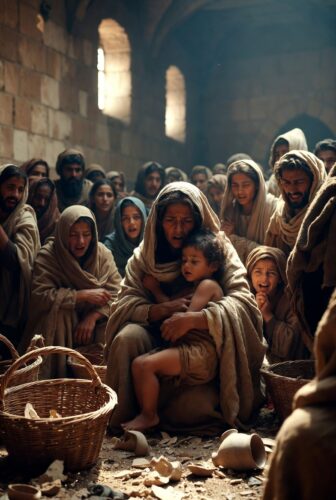 The Babylonian response was swift and merciless. In 597 BC, Nebuchadnezzar besieged Jerusalem for the first time. The city fell on March 16, 597 BC, after a short siege. Jehoiakim had died mysteriously—perhaps assassinated or from natural causes—and his son, Jehoiachin (also called Jeconiah), surrendered after just three months on the throne. Nebuchadnezzar looted the temple of its treasures, including gold vessels dedicated by Solomon, and deported around 10,000 elites: nobles, craftsmen, warriors, and the royal family, including Jehoiachin and the queen mother. This first wave of exiles included the prophet Ezekiel, who would later chronicle visions from Babylon.
To maintain control, Nebuchadnezzar installed Zedekiah, Jehoiachin's uncle and Josiah's youngest son, as puppet king. Zedekiah, originally named Mattaniah, was renamed to signify Babylonian overlordship— a common practice. At 21 years old, he swore an oath of loyalty, but his reign was fraught with indecision. Surrounded by pro-Egyptian nationalists and false prophets promising quick deliverance, Zedekiah vacillated between submission and rebellion. Jeremiah, imprisoned multiple times for his "treasonous" prophecies, urged surrender to Babylon as God's will, but the court dismissed him as a defeatist.
By 589 BC, tensions boiled over. Encouraged by Pharaoh Hophra (Apries) of Egypt, who promised military aid, Zedekiah revolted, ceasing tribute and fortifying Jerusalem. Nebuchadnezzar, fresh from campaigns in Syria, mobilized his vast army. Comprising Chaldean core troops, supplemented by Arameans, Moabites, Ammonites, and other vassals, the Babylonian forces were a multinational juggernaut. They employed advanced siege technology: battering rams mounted on wheeled frames, siege towers for archers, and earthen ramps to scale walls.
On January 15, 588 BC— the tenth day of the tenth month (Tevet) in the ninth year of Zedekiah's reign—the siege began. Babylonian scouts had already ravaged Judah's countryside, destroying fortified cities like Lachish and Azekah. Letters from Lachish, discovered in the 1930s, poignantly describe the desperation: one ostracon (pottery shard) reads, "We are watching for the fire signals of Lachish... for we cannot see Azekah," indicating Azekah's fall.
Jerusalem's defenses were formidable. Perched on a hilltop, surrounded by steep valleys—the Kidron to the east, Hinnom to the west and south—the city relied on its massive walls, rebuilt by Hezekiah in the 8th century BC. These included the Broad Wall, up to 7 meters thick, and underground tunnels like Hezekiah's Tunnel, channeling water from the Gihon Spring to the Pool of Siloam inside the city. This ensured a water supply during siege, a engineering marvel stretching 533 meters through solid rock.
The Babylonian response was swift and merciless. In 597 BC, Nebuchadnezzar besieged Jerusalem for the first time. The city fell on March 16, 597 BC, after a short siege. Jehoiakim had died mysteriously—perhaps assassinated or from natural causes—and his son, Jehoiachin (also called Jeconiah), surrendered after just three months on the throne. Nebuchadnezzar looted the temple of its treasures, including gold vessels dedicated by Solomon, and deported around 10,000 elites: nobles, craftsmen, warriors, and the royal family, including Jehoiachin and the queen mother. This first wave of exiles included the prophet Ezekiel, who would later chronicle visions from Babylon.
To maintain control, Nebuchadnezzar installed Zedekiah, Jehoiachin's uncle and Josiah's youngest son, as puppet king. Zedekiah, originally named Mattaniah, was renamed to signify Babylonian overlordship— a common practice. At 21 years old, he swore an oath of loyalty, but his reign was fraught with indecision. Surrounded by pro-Egyptian nationalists and false prophets promising quick deliverance, Zedekiah vacillated between submission and rebellion. Jeremiah, imprisoned multiple times for his "treasonous" prophecies, urged surrender to Babylon as God's will, but the court dismissed him as a defeatist.
By 589 BC, tensions boiled over. Encouraged by Pharaoh Hophra (Apries) of Egypt, who promised military aid, Zedekiah revolted, ceasing tribute and fortifying Jerusalem. Nebuchadnezzar, fresh from campaigns in Syria, mobilized his vast army. Comprising Chaldean core troops, supplemented by Arameans, Moabites, Ammonites, and other vassals, the Babylonian forces were a multinational juggernaut. They employed advanced siege technology: battering rams mounted on wheeled frames, siege towers for archers, and earthen ramps to scale walls.
On January 15, 588 BC— the tenth day of the tenth month (Tevet) in the ninth year of Zedekiah's reign—the siege began. Babylonian scouts had already ravaged Judah's countryside, destroying fortified cities like Lachish and Azekah. Letters from Lachish, discovered in the 1930s, poignantly describe the desperation: one ostracon (pottery shard) reads, "We are watching for the fire signals of Lachish... for we cannot see Azekah," indicating Azekah's fall.
Jerusalem's defenses were formidable. Perched on a hilltop, surrounded by steep valleys—the Kidron to the east, Hinnom to the west and south—the city relied on its massive walls, rebuilt by Hezekiah in the 8th century BC. These included the Broad Wall, up to 7 meters thick, and underground tunnels like Hezekiah's Tunnel, channeling water from the Gihon Spring to the Pool of Siloam inside the city. This ensured a water supply during siege, a engineering marvel stretching 533 meters through solid rock.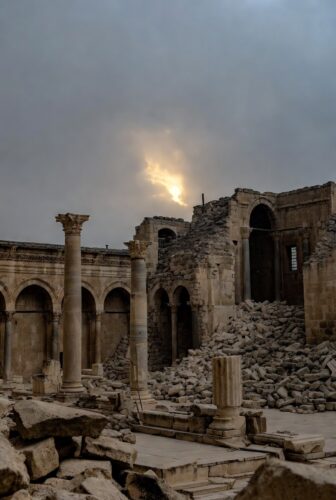 Yet, the Babylonians were masters of siege warfare. They constructed a circumvallation—a ring of fortifications around Jerusalem—to prevent escapes or reinforcements. Soldiers built siege mounds against the walls, from which they hurled stones, arrows, and firebrands. Archaeological finds from Jerusalem's City of David, including arrowheads of Scythian and Babylonian styles, attest to the intense barrages. The defenders, led by Zedekiah's princes and a ragtag army, fought back with slings, spears, and whatever they could muster.
As months dragged into years, famine gripped the city. The Bible's Book of Lamentations, traditionally attributed to Jeremiah, paints a harrowing picture: "The hands of compassionate women have boiled their own children; they became their food in the destruction of the daughter of my people" (Lamentations 4:10). Bread was rationed by weight, water contaminated. Disease spread in the overcrowded confines. Social order crumbled; the wealthy hoarded, the poor starved. Excavations reveal layers of ash and destruction from this period, with burnt structures in the House of Ahiel and the Burnt Room, where charred wooden beams and household items were found buried under debris.
A brief reprieve came in 588 BC when Egyptian forces under Hophra advanced, forcing Nebuchadnezzar to lift the siege temporarily to confront them. Jeremiah attempted to leave Jerusalem during this lull but was arrested as a deserter and thrown into a cistern, sinking into mud until rescued by an Ethiopian eunuch named Ebed-Melech. The Egyptians were routed, and the siege resumed with renewed fury.
By the summer of 587 BC—after 30 months—the end was near. On the ninth day of the fourth month (Tammuz, July), Babylonian rams breached the northern wall, the city's weakest point. Chaos ensued. Zedekiah, with his sons and a small entourage, fled through a gate near the king's garden, likely the Dung Gate, heading east toward the Jordan Valley. They were pursued and captured near Jericho. Dragged to Riblah in Syria, Nebuchadnezzar's headquarters, Zedekiah faced judgment. His sons were slaughtered before his eyes, then his eyes were gouged out—a poetic cruelty ensuring his last sight was horror. Bound in chains, he was exiled to Babylon, where he died in obscurity.
One month later, in August 587 BC, Nebuzaradan, captain of the Babylonian guard, entered Jerusalem. He systematically razed the city: Solomon's Temple was torched, its pillars (Jachin and Boaz) toppled, the bronze sea smashed. Treasures were carted to Babylon, including the altar and menorah. Houses, palaces, and walls were demolished. Archaeology corroborates this: the Givati Parking Lot excavations uncovered ash layers with burnt artifacts, vanilla-scented wine jars hinting at elite last meals, and a gold bell possibly from a priest's garment.
Yet, the Babylonians were masters of siege warfare. They constructed a circumvallation—a ring of fortifications around Jerusalem—to prevent escapes or reinforcements. Soldiers built siege mounds against the walls, from which they hurled stones, arrows, and firebrands. Archaeological finds from Jerusalem's City of David, including arrowheads of Scythian and Babylonian styles, attest to the intense barrages. The defenders, led by Zedekiah's princes and a ragtag army, fought back with slings, spears, and whatever they could muster.
As months dragged into years, famine gripped the city. The Bible's Book of Lamentations, traditionally attributed to Jeremiah, paints a harrowing picture: "The hands of compassionate women have boiled their own children; they became their food in the destruction of the daughter of my people" (Lamentations 4:10). Bread was rationed by weight, water contaminated. Disease spread in the overcrowded confines. Social order crumbled; the wealthy hoarded, the poor starved. Excavations reveal layers of ash and destruction from this period, with burnt structures in the House of Ahiel and the Burnt Room, where charred wooden beams and household items were found buried under debris.
A brief reprieve came in 588 BC when Egyptian forces under Hophra advanced, forcing Nebuchadnezzar to lift the siege temporarily to confront them. Jeremiah attempted to leave Jerusalem during this lull but was arrested as a deserter and thrown into a cistern, sinking into mud until rescued by an Ethiopian eunuch named Ebed-Melech. The Egyptians were routed, and the siege resumed with renewed fury.
By the summer of 587 BC—after 30 months—the end was near. On the ninth day of the fourth month (Tammuz, July), Babylonian rams breached the northern wall, the city's weakest point. Chaos ensued. Zedekiah, with his sons and a small entourage, fled through a gate near the king's garden, likely the Dung Gate, heading east toward the Jordan Valley. They were pursued and captured near Jericho. Dragged to Riblah in Syria, Nebuchadnezzar's headquarters, Zedekiah faced judgment. His sons were slaughtered before his eyes, then his eyes were gouged out—a poetic cruelty ensuring his last sight was horror. Bound in chains, he was exiled to Babylon, where he died in obscurity.
One month later, in August 587 BC, Nebuzaradan, captain of the Babylonian guard, entered Jerusalem. He systematically razed the city: Solomon's Temple was torched, its pillars (Jachin and Boaz) toppled, the bronze sea smashed. Treasures were carted to Babylon, including the altar and menorah. Houses, palaces, and walls were demolished. Archaeology corroborates this: the Givati Parking Lot excavations uncovered ash layers with burnt artifacts, vanilla-scented wine jars hinting at elite last meals, and a gold bell possibly from a priest's garment.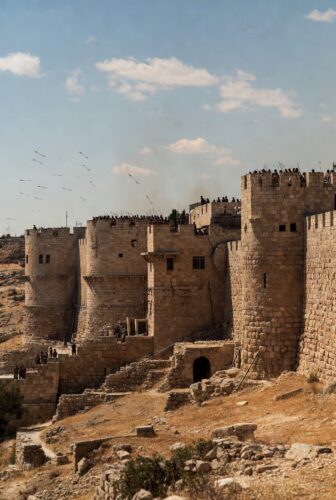 The aftermath was the Babylonian Exile. Nebuzaradan deported another wave of survivors—about 4,600 in total across exiles—leaving only the poorest to till the land. Gedaliah, a non-royal administrator, was appointed governor at Mizpah, north of Jerusalem. But hope flickered briefly; Gedaliah was assassinated by Ishmael, a Davidic descendant backed by Ammon, prompting remaining Jews to flee to Egypt, dragging Jeremiah along against his will. In Egypt, communities like Elephantine persisted, building a temple and observing Passover, as revealed by papyri.
The exile lasted until 539 BC, when Cyrus the Great of Persia conquered Babylon and issued a decree allowing Jews to return. Under Zerubbabel and Joshua, they rebuilt a modest Second Temple by 516 BC, ushering in the Second Temple period. But the First Temple's destruction profoundly shaped Judaism: it shifted focus from temple sacrifices to synagogue study, prayer, and scripture. Prophets like Ezekiel envisioned a restored Jerusalem, while the exile fostered a resilient diaspora identity—Jews as "people of the book."
This event's significance ripples through history. It influenced biblical theology, emphasizing sin's consequences and redemption's promise. The fast of the Tenth of Tevet commemorates the siege's start, one of four fasts tied to Jerusalem's fall. Echoes appear in later events: the Roman destruction in 70 AD mirrored it, with Josephus drawing parallels. Even today, the Western Wall, a remnant of the Second Temple complex, stands as a symbol of enduring faith amid ruins.
Archaeologically, the siege lives on. The Al-Yahudu Tablets from Babylon document exiled Jews' lives: they farmed, traded, and named children with Yahwistic elements like Yahweh. In Jerusalem, the City of David's excavations reveal siege scars—arrowheads, seals of officials like Gemariah (mentioned in Jeremiah), and a toilet possibly linked to a biblical curse. These artifacts humanize the drama: real people, from kings to commoners, facing apocalypse.
Now, shifting gears from the dust of antiquity to the vibrancy of today, what can this ancient siege teach us? The Siege of Jerusalem wasn't just about walls falling; it was about human choices, resilience in adversity, and the long game of recovery. In our fast-paced world, where "sieges" come as job losses, health crises, or relational breakdowns, the lessons are gold. Here's how applying this historical fact can supercharge your life, turning potential defeats into launches for growth.
The aftermath was the Babylonian Exile. Nebuzaradan deported another wave of survivors—about 4,600 in total across exiles—leaving only the poorest to till the land. Gedaliah, a non-royal administrator, was appointed governor at Mizpah, north of Jerusalem. But hope flickered briefly; Gedaliah was assassinated by Ishmael, a Davidic descendant backed by Ammon, prompting remaining Jews to flee to Egypt, dragging Jeremiah along against his will. In Egypt, communities like Elephantine persisted, building a temple and observing Passover, as revealed by papyri.
The exile lasted until 539 BC, when Cyrus the Great of Persia conquered Babylon and issued a decree allowing Jews to return. Under Zerubbabel and Joshua, they rebuilt a modest Second Temple by 516 BC, ushering in the Second Temple period. But the First Temple's destruction profoundly shaped Judaism: it shifted focus from temple sacrifices to synagogue study, prayer, and scripture. Prophets like Ezekiel envisioned a restored Jerusalem, while the exile fostered a resilient diaspora identity—Jews as "people of the book."
This event's significance ripples through history. It influenced biblical theology, emphasizing sin's consequences and redemption's promise. The fast of the Tenth of Tevet commemorates the siege's start, one of four fasts tied to Jerusalem's fall. Echoes appear in later events: the Roman destruction in 70 AD mirrored it, with Josephus drawing parallels. Even today, the Western Wall, a remnant of the Second Temple complex, stands as a symbol of enduring faith amid ruins.
Archaeologically, the siege lives on. The Al-Yahudu Tablets from Babylon document exiled Jews' lives: they farmed, traded, and named children with Yahwistic elements like Yahweh. In Jerusalem, the City of David's excavations reveal siege scars—arrowheads, seals of officials like Gemariah (mentioned in Jeremiah), and a toilet possibly linked to a biblical curse. These artifacts humanize the drama: real people, from kings to commoners, facing apocalypse.
Now, shifting gears from the dust of antiquity to the vibrancy of today, what can this ancient siege teach us? The Siege of Jerusalem wasn't just about walls falling; it was about human choices, resilience in adversity, and the long game of recovery. In our fast-paced world, where "sieges" come as job losses, health crises, or relational breakdowns, the lessons are gold. Here's how applying this historical fact can supercharge your life, turning potential defeats into launches for growth. First, recognize the power of foresight and heeding warnings. Jeremiah's unheeded prophecies highlight how ignoring red flags leads to downfall. Today, this translates to proactive decision-making.
- **Conduct regular "prophetic audits" in your life**: Set aside 15 minutes weekly to journal potential risks—like overspending or neglecting health—and brainstorm mitigations, just as Judah could have avoided revolt by maintaining alliances.
- **Build a personal advisory council**: Surround yourself with three trusted mentors or friends who provide honest feedback, mirroring Jeremiah's role, to avoid echo chambers in career or relationship choices.
- **Embrace data-driven choices**: Use apps like Mint for finances or MyFitnessPal for health to track trends, preventing "sieges" like debt or burnout before they encircle you.
Second, cultivate endurance during tough times. The 30-month siege tested Judah's limits, but survivors adapted, rationing and innovating.
- **Develop a "famine-proof" mindset**: When facing prolonged stress, like a grueling project, break it into daily micro-goals—e.g., 30 minutes of focused work followed by a 5-minute walk—to build stamina without collapse.
- **Stockpile emotional reserves**: Practice daily gratitude journaling, listing three wins, to mimic Jerusalem's water tunnels, ensuring inner resources flow even when external supplies dwindle.
- **Foster community bonds**: Join or create support groups, such as online forums for career changers, to share burdens, echoing how exiles in Babylon maintained identity through collective memory.
Third, learn from consequences to fuel rebirth. The exile birthed a stronger Judaism; your setbacks can do the same.
- **Turn ruins into foundations**: After a failure, like a failed business, analyze it via a "post-siege debrief"—list what went wrong, what survived, and rebuild by pivoting skills, e.g., repurposing marketing expertise for consulting.
- **Embrace exile as evolution**: If relocated for work, view it as a "Babylonian adventure"—learn local customs, network aggressively, and document growth in a blog to inspire others.
- **Prioritize spiritual or ethical anchors**: Like the temple's symbolism, identify your core values—integrity, kindness—and let them guide recovery, perhaps through meditation or volunteering weekly.
To make this actionable, here's a 30-day plan inspired by the siege's phases—preparation, endurance, fall, and renewal. Commit to it, and watch history transform your trajectory.
Day 1-7: Preparation Phase – Fortify Your Walls. Assess vulnerabilities: Review finances, health, and relationships. Set one defensive goal per area, like saving $50 weekly or scheduling a doctor's visit. Read Jeremiah excerpts for inspiration on foresight.
Day 8-14: Endurance Phase – Withstand the Assault. Simulate siege conditions: Cut one non-essential (e.g., social media) to build discipline. Daily, practice resilience exercises like cold showers or learning a new skill via free online courses, drawing from Judah's resourcefulness.
Day 15-21: Breach Phase – Face the Fall Gracefully. Intentionally confront a fear—public speaking? Join Toastmasters. Journal lessons from past "falls," reframing them as setups for comebacks, akin to Zedekiah's tragic end teaching humility.
Day 22-30: Renewal Phase – Rebuild from Ruins. Launch a personal project: Write a vision board for the next year, incorporating exile lessons like adaptability. Celebrate with a "temple dedication" ritual—treat yourself to a meaningful outing—and share your journey with a friend for accountability.
This plan isn't rigid; adapt it to your rhythm. The Siege of Jerusalem reminds us that history isn't a dusty relic—it's a blueprint for triumph. By weaving its threads into your life, you don't just survive modern battles; you emerge stronger, wiser, and ready to conquer. So, on this January 15, let the ancient echoes inspire your roar. What's your first step today?
First, recognize the power of foresight and heeding warnings. Jeremiah's unheeded prophecies highlight how ignoring red flags leads to downfall. Today, this translates to proactive decision-making.
- **Conduct regular "prophetic audits" in your life**: Set aside 15 minutes weekly to journal potential risks—like overspending or neglecting health—and brainstorm mitigations, just as Judah could have avoided revolt by maintaining alliances.
- **Build a personal advisory council**: Surround yourself with three trusted mentors or friends who provide honest feedback, mirroring Jeremiah's role, to avoid echo chambers in career or relationship choices.
- **Embrace data-driven choices**: Use apps like Mint for finances or MyFitnessPal for health to track trends, preventing "sieges" like debt or burnout before they encircle you.
Second, cultivate endurance during tough times. The 30-month siege tested Judah's limits, but survivors adapted, rationing and innovating.
- **Develop a "famine-proof" mindset**: When facing prolonged stress, like a grueling project, break it into daily micro-goals—e.g., 30 minutes of focused work followed by a 5-minute walk—to build stamina without collapse.
- **Stockpile emotional reserves**: Practice daily gratitude journaling, listing three wins, to mimic Jerusalem's water tunnels, ensuring inner resources flow even when external supplies dwindle.
- **Foster community bonds**: Join or create support groups, such as online forums for career changers, to share burdens, echoing how exiles in Babylon maintained identity through collective memory.
Third, learn from consequences to fuel rebirth. The exile birthed a stronger Judaism; your setbacks can do the same.
- **Turn ruins into foundations**: After a failure, like a failed business, analyze it via a "post-siege debrief"—list what went wrong, what survived, and rebuild by pivoting skills, e.g., repurposing marketing expertise for consulting.
- **Embrace exile as evolution**: If relocated for work, view it as a "Babylonian adventure"—learn local customs, network aggressively, and document growth in a blog to inspire others.
- **Prioritize spiritual or ethical anchors**: Like the temple's symbolism, identify your core values—integrity, kindness—and let them guide recovery, perhaps through meditation or volunteering weekly.
To make this actionable, here's a 30-day plan inspired by the siege's phases—preparation, endurance, fall, and renewal. Commit to it, and watch history transform your trajectory.
Day 1-7: Preparation Phase – Fortify Your Walls. Assess vulnerabilities: Review finances, health, and relationships. Set one defensive goal per area, like saving $50 weekly or scheduling a doctor's visit. Read Jeremiah excerpts for inspiration on foresight.
Day 8-14: Endurance Phase – Withstand the Assault. Simulate siege conditions: Cut one non-essential (e.g., social media) to build discipline. Daily, practice resilience exercises like cold showers or learning a new skill via free online courses, drawing from Judah's resourcefulness.
Day 15-21: Breach Phase – Face the Fall Gracefully. Intentionally confront a fear—public speaking? Join Toastmasters. Journal lessons from past "falls," reframing them as setups for comebacks, akin to Zedekiah's tragic end teaching humility.
Day 22-30: Renewal Phase – Rebuild from Ruins. Launch a personal project: Write a vision board for the next year, incorporating exile lessons like adaptability. Celebrate with a "temple dedication" ritual—treat yourself to a meaningful outing—and share your journey with a friend for accountability.
This plan isn't rigid; adapt it to your rhythm. The Siege of Jerusalem reminds us that history isn't a dusty relic—it's a blueprint for triumph. By weaving its threads into your life, you don't just survive modern battles; you emerge stronger, wiser, and ready to conquer. So, on this January 15, let the ancient echoes inspire your roar. What's your first step today?