Imagine a cold December day in 1154, the air thick with the scent of incense and the weight of a nation's fractured past. At Westminster Abbey, a young man of just 21 years old steps forward, his short cloak—earning him the nickname "Curtmantle"—billowing slightly in the drafty hall. This is Henry FitzEmpress, soon to be Henry II, about to be crowned king of a realm torn apart by nearly two decades of civil war. Beside him stands his formidable wife, Eleanor of Aquitaine, a woman whose own story could fill volumes. On December 19, 1154, they are anointed and crowned together, marking the dawn of the Plantagenet dynasty and the beginning of one of the most transformative reigns in English history. This wasn't just a ceremony; it was the spark that ignited an era of legal innovation, territorial expansion, and familial drama that rivals any modern soap opera. But beyond the crowns and conquests, Henry II's story is a rollicking tale of grit, clever maneuvering, and relentless drive—qualities that, when applied to our daily lives, can turn personal chaos into triumph. Buckle up as we dive deep into the historical whirlwind of Henry II's world, with plenty of twists, betrayals, and victories to keep things exciting, before unpacking how this ancient king's playbook can supercharge your own ambitions today.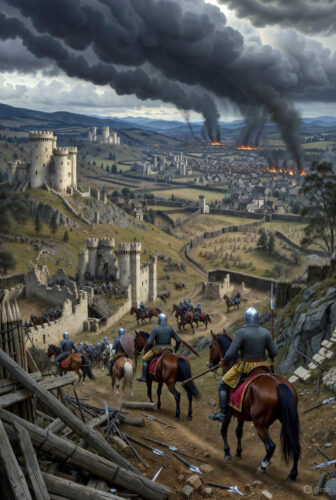 ### The Turbulent Backdrop: From Anarchy to Ascension
To truly appreciate the significance of that December 19 coronation, we need to rewind to the chaos that preceded it. England in the early 12th century was a powder keg. King Henry I, Henry's grandfather, had ruled with an iron fist, but his death in 1135 without a male heir plunged the kingdom into "The Anarchy"—a brutal civil war that lasted from 1138 to 1153. On one side was Henry's mother, Empress Matilda, daughter of Henry I and rightful heir in many eyes. She was a fierce warrior-queen, once escaping capture by fleeing through snowdrifts dressed in white for camouflage. On the other was her cousin, Stephen of Blois, who seized the throne with the backing of opportunistic barons and the church.
The Anarchy was no mere squabble; it was a scorched-earth nightmare. Chronicles of the time, like the Anglo-Saxon Chronicle, paint a grim picture: "You could go a whole day's journey and not find a single soul in the towns or an acre of land under cultivation. To till the ground was to plow the sea." Castles sprang up like weeds—over 1,000 unauthorized ones dotted the landscape, each a fortress for lawless barons who raided villages, extorted peasants, and fought endless skirmishes. Famine stalked the land, and inflation ran rampant as counterfeit coins flooded the economy. Stephen, though brave in battle, proved a weak administrator, losing control as his nobles carved out mini-kingdoms.
Enter young Henry. Born on March 5, 1133, in Le Mans, France, to Matilda and Geoffrey Plantagenet, Count of Anjou, Henry grew up amid this turmoil. Geoffrey, known for wearing a sprig of broom plant (planta genista) in his hat—hence the dynasty's name—was a shrewd conqueror who secured Normandy for his son by 1150. Henry, fiery-tempered and energetic, was educated in the arts of war and governance. At just 14, he led his first military expedition to England in 1147, though it ended in embarrassment when he couldn't pay his mercenaries and had to beg Stephen for funds to return home. Undeterred, he tried again in 1149, honing his skills.
By 1150, Henry was Duke of Normandy. His father's death in 1151 added Anjou, Maine, and Touraine to his portfolio. Then came the game-changer: in 1152, at age 19, he married Eleanor of Aquitaine, the recently divorced queen of France. Eleanor, 11 years his senior, brought the vast Duchy of Aquitaine—stretching from the Loire to the Pyrenees—making Henry controller of more French land than the French king himself. Their union was passionate and productive, producing eight children, but it also sowed seeds of future discord.
With his continental power base secure, Henry turned to England. In January 1153, he invaded with a small force, braving stormy seas to land at Wareham. What followed was a masterclass in strategic brilliance. He avoided direct confrontation with Stephen's larger army, instead targeting key castles and winning over barons with promises of reform. At Malmesbury, he besieged a fortress in blizzard conditions, his men freezing but resolute. By summer, he captured Wallingford Castle, forcing negotiations.
The Treaty of Wallingford in November 1153 was Henry's triumph. Stephen, grieving the death of his son Eustace, agreed to name Henry his heir in exchange for peace. Stephen retained the throne for life, but Henry would succeed him. It was a pragmatic end to the Anarchy, emphasizing reconciliation over vengeance. Stephen died on October 25, 1154, possibly from a stomach ailment exacerbated by grief. Henry, in Normandy at the time, wasted no time. He sailed to England on December 8, amid cheers from a war-weary populace, and secured oaths of loyalty from barons in Winchester and London.
### The Coronation: A Spectacle of Renewal
December 19, 1154, dawned as a Sunday, fitting for a ceremony steeped in religious pomp. Westminster Abbey, rebuilt by Edward the Confessor a century earlier, was the traditional site. Archbishop Theobald of Canterbury, a key mediator in the treaty, officiated. Henry and Eleanor were crowned together—a rare joint coronation symbolizing unity. Henry wore crowns inherited from his imperial mother, underscoring his grand lineage. The ritual involved anointing with holy oil, oaths to protect the church and people, and the bestowal of regalia: sword, scepter, and orb.
Eyewitness accounts, though sparse, describe a jubilant atmosphere. Chronicler Robert of Torigni noted the "great joy" of the people, seeing Henry as a restorer of order. Unlike Stephen's rushed coronation in 1135, Henry's was deliberate, attended by nobles who had fought on both sides. It marked not just a new king but a new era. At 21, Henry was the youngest monarch since the Conquest, brimming with energy. His short, stocky build, freckled face, and piercing gray eyes belied a mind sharp as a dagger.
### The Turbulent Backdrop: From Anarchy to Ascension
To truly appreciate the significance of that December 19 coronation, we need to rewind to the chaos that preceded it. England in the early 12th century was a powder keg. King Henry I, Henry's grandfather, had ruled with an iron fist, but his death in 1135 without a male heir plunged the kingdom into "The Anarchy"—a brutal civil war that lasted from 1138 to 1153. On one side was Henry's mother, Empress Matilda, daughter of Henry I and rightful heir in many eyes. She was a fierce warrior-queen, once escaping capture by fleeing through snowdrifts dressed in white for camouflage. On the other was her cousin, Stephen of Blois, who seized the throne with the backing of opportunistic barons and the church.
The Anarchy was no mere squabble; it was a scorched-earth nightmare. Chronicles of the time, like the Anglo-Saxon Chronicle, paint a grim picture: "You could go a whole day's journey and not find a single soul in the towns or an acre of land under cultivation. To till the ground was to plow the sea." Castles sprang up like weeds—over 1,000 unauthorized ones dotted the landscape, each a fortress for lawless barons who raided villages, extorted peasants, and fought endless skirmishes. Famine stalked the land, and inflation ran rampant as counterfeit coins flooded the economy. Stephen, though brave in battle, proved a weak administrator, losing control as his nobles carved out mini-kingdoms.
Enter young Henry. Born on March 5, 1133, in Le Mans, France, to Matilda and Geoffrey Plantagenet, Count of Anjou, Henry grew up amid this turmoil. Geoffrey, known for wearing a sprig of broom plant (planta genista) in his hat—hence the dynasty's name—was a shrewd conqueror who secured Normandy for his son by 1150. Henry, fiery-tempered and energetic, was educated in the arts of war and governance. At just 14, he led his first military expedition to England in 1147, though it ended in embarrassment when he couldn't pay his mercenaries and had to beg Stephen for funds to return home. Undeterred, he tried again in 1149, honing his skills.
By 1150, Henry was Duke of Normandy. His father's death in 1151 added Anjou, Maine, and Touraine to his portfolio. Then came the game-changer: in 1152, at age 19, he married Eleanor of Aquitaine, the recently divorced queen of France. Eleanor, 11 years his senior, brought the vast Duchy of Aquitaine—stretching from the Loire to the Pyrenees—making Henry controller of more French land than the French king himself. Their union was passionate and productive, producing eight children, but it also sowed seeds of future discord.
With his continental power base secure, Henry turned to England. In January 1153, he invaded with a small force, braving stormy seas to land at Wareham. What followed was a masterclass in strategic brilliance. He avoided direct confrontation with Stephen's larger army, instead targeting key castles and winning over barons with promises of reform. At Malmesbury, he besieged a fortress in blizzard conditions, his men freezing but resolute. By summer, he captured Wallingford Castle, forcing negotiations.
The Treaty of Wallingford in November 1153 was Henry's triumph. Stephen, grieving the death of his son Eustace, agreed to name Henry his heir in exchange for peace. Stephen retained the throne for life, but Henry would succeed him. It was a pragmatic end to the Anarchy, emphasizing reconciliation over vengeance. Stephen died on October 25, 1154, possibly from a stomach ailment exacerbated by grief. Henry, in Normandy at the time, wasted no time. He sailed to England on December 8, amid cheers from a war-weary populace, and secured oaths of loyalty from barons in Winchester and London.
### The Coronation: A Spectacle of Renewal
December 19, 1154, dawned as a Sunday, fitting for a ceremony steeped in religious pomp. Westminster Abbey, rebuilt by Edward the Confessor a century earlier, was the traditional site. Archbishop Theobald of Canterbury, a key mediator in the treaty, officiated. Henry and Eleanor were crowned together—a rare joint coronation symbolizing unity. Henry wore crowns inherited from his imperial mother, underscoring his grand lineage. The ritual involved anointing with holy oil, oaths to protect the church and people, and the bestowal of regalia: sword, scepter, and orb.
Eyewitness accounts, though sparse, describe a jubilant atmosphere. Chronicler Robert of Torigni noted the "great joy" of the people, seeing Henry as a restorer of order. Unlike Stephen's rushed coronation in 1135, Henry's was deliberate, attended by nobles who had fought on both sides. It marked not just a new king but a new era. At 21, Henry was the youngest monarch since the Conquest, brimming with energy. His short, stocky build, freckled face, and piercing gray eyes belied a mind sharp as a dagger.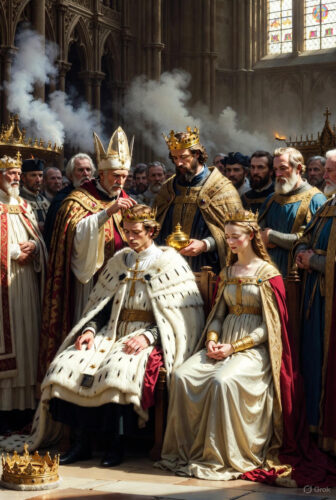 Fun fact: Henry was literate in Latin and French but reportedly couldn't write—unusual for a king, yet he surrounded himself with scholars. His court was a hub of intellectual ferment, blending Norman efficiency with Angevin flair. The coronation feast likely featured roasted meats, spiced wines, and minstrels singing of heroic deeds, a brief respite before the hard work began.
### Rebuilding a Shattered Kingdom: Early Reforms and Conquests
Henry hit the ground running. His first act was demolishing those illegal castles—over 1,100 were razed or confiscated within years. He reinstated Henry I's administrative systems, recalling experienced officials and reforming the currency. In 1158, he introduced a new silver penny, reducing mints from 50 to 10 to curb forgery. Revenues soared from £10,000 annually under Stephen to £22,000 by the 1160s.
Fun fact: Henry was literate in Latin and French but reportedly couldn't write—unusual for a king, yet he surrounded himself with scholars. His court was a hub of intellectual ferment, blending Norman efficiency with Angevin flair. The coronation feast likely featured roasted meats, spiced wines, and minstrels singing of heroic deeds, a brief respite before the hard work began.
### Rebuilding a Shattered Kingdom: Early Reforms and Conquests
Henry hit the ground running. His first act was demolishing those illegal castles—over 1,100 were razed or confiscated within years. He reinstated Henry I's administrative systems, recalling experienced officials and reforming the currency. In 1158, he introduced a new silver penny, reducing mints from 50 to 10 to curb forgery. Revenues soared from £10,000 annually under Stephen to £22,000 by the 1160s.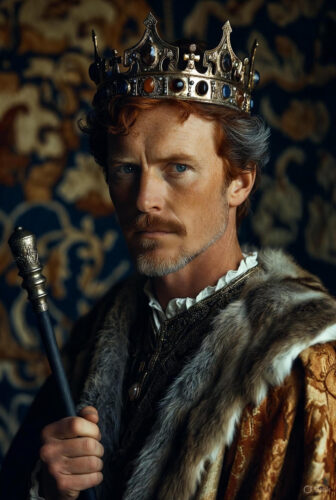 Justice was Henry's obsession. He expanded royal courts, sending itinerant justices on circuits—the "eyres"—to hear cases locally. The Assize of Clarendon in 1166 formalized this, introducing juries for criminal accusations, a precursor to trial by jury. The Treatise on the Laws and Customs of England, attributed to his justiciar Ranulf de Glanvill, codified these changes, birthing English common law. Henry's system prioritized royal over feudal justice, weakening barons while protecting commoners. One quirky reform: he revived harsh forest laws, claiming vast swathes as royal hunting grounds, where even collecting firewood could cost a hand.
Territorially, Henry was a juggernaut. In 1157, he forced Malcolm IV of Scotland to return northern counties lost during the Anarchy, sealing it with a chivalric tournament. Wales saw campaigns in 1157 and 1165; he marched into Snowdonia, facing guerrilla tactics from Owain Gwynedd, but secured homage from Welsh princes. In Brittany, after his brother Geoffrey's death in 1158, Henry annexed it through his son Geoffrey's marriage to Duchess Constance.
France was trickier. As vassal to Louis VII for his continental holdings, Henry navigated feudal obligations with cunning. In 1159, he besieged Toulouse, claiming it via Eleanor's rights, but withdrew when Louis appeared personally—honor forbade attacking his overlord. The 1160s saw skirmishes, but Henry often outmaneuvered Louis, marrying his daughter Margaret to young Henry in 1160 to secure the Vexin dowry.
Ireland beckoned in 1171. Prompted by Dermot MacMurrough's plea and papal bull Laudabiliter, Henry invaded to curb overmighty subjects like Richard de Clare ("Strongbow"). Landing at Waterford, he received submissions from Irish kings, establishing lordship over the island. He built motte-and-bailey castles and granted lands, laying foundations for centuries of English involvement—though not without resistance, as Irish chieftains like Ruaidrí Ua Conchobair tested his limits.
### The Becket Saga: Church vs. Crown
No tale of Henry II is complete without Thomas Becket, his chancellor turned nemesis. Appointed in 1155, Becket was Henry's right-hand man—witty, luxurious, and loyal. Together, they reformed finances and partied hard; Becket once hosted a feast with 40 knights. But in 1162, Henry made him Archbishop of Canterbury, expecting continued subservience.
Becket transformed, embracing asceticism and defending church privileges. The flashpoint: "criminous clerks"—clergy accused of crimes tried in lenient ecclesiastical courts. Henry demanded royal jurisdiction; Becket refused. The Constitutions of Clarendon in 1164 codified royal customs, but Becket balked, fleeing to France after a heated council at Northampton.
Justice was Henry's obsession. He expanded royal courts, sending itinerant justices on circuits—the "eyres"—to hear cases locally. The Assize of Clarendon in 1166 formalized this, introducing juries for criminal accusations, a precursor to trial by jury. The Treatise on the Laws and Customs of England, attributed to his justiciar Ranulf de Glanvill, codified these changes, birthing English common law. Henry's system prioritized royal over feudal justice, weakening barons while protecting commoners. One quirky reform: he revived harsh forest laws, claiming vast swathes as royal hunting grounds, where even collecting firewood could cost a hand.
Territorially, Henry was a juggernaut. In 1157, he forced Malcolm IV of Scotland to return northern counties lost during the Anarchy, sealing it with a chivalric tournament. Wales saw campaigns in 1157 and 1165; he marched into Snowdonia, facing guerrilla tactics from Owain Gwynedd, but secured homage from Welsh princes. In Brittany, after his brother Geoffrey's death in 1158, Henry annexed it through his son Geoffrey's marriage to Duchess Constance.
France was trickier. As vassal to Louis VII for his continental holdings, Henry navigated feudal obligations with cunning. In 1159, he besieged Toulouse, claiming it via Eleanor's rights, but withdrew when Louis appeared personally—honor forbade attacking his overlord. The 1160s saw skirmishes, but Henry often outmaneuvered Louis, marrying his daughter Margaret to young Henry in 1160 to secure the Vexin dowry.
Ireland beckoned in 1171. Prompted by Dermot MacMurrough's plea and papal bull Laudabiliter, Henry invaded to curb overmighty subjects like Richard de Clare ("Strongbow"). Landing at Waterford, he received submissions from Irish kings, establishing lordship over the island. He built motte-and-bailey castles and granted lands, laying foundations for centuries of English involvement—though not without resistance, as Irish chieftains like Ruaidrí Ua Conchobair tested his limits.
### The Becket Saga: Church vs. Crown
No tale of Henry II is complete without Thomas Becket, his chancellor turned nemesis. Appointed in 1155, Becket was Henry's right-hand man—witty, luxurious, and loyal. Together, they reformed finances and partied hard; Becket once hosted a feast with 40 knights. But in 1162, Henry made him Archbishop of Canterbury, expecting continued subservience.
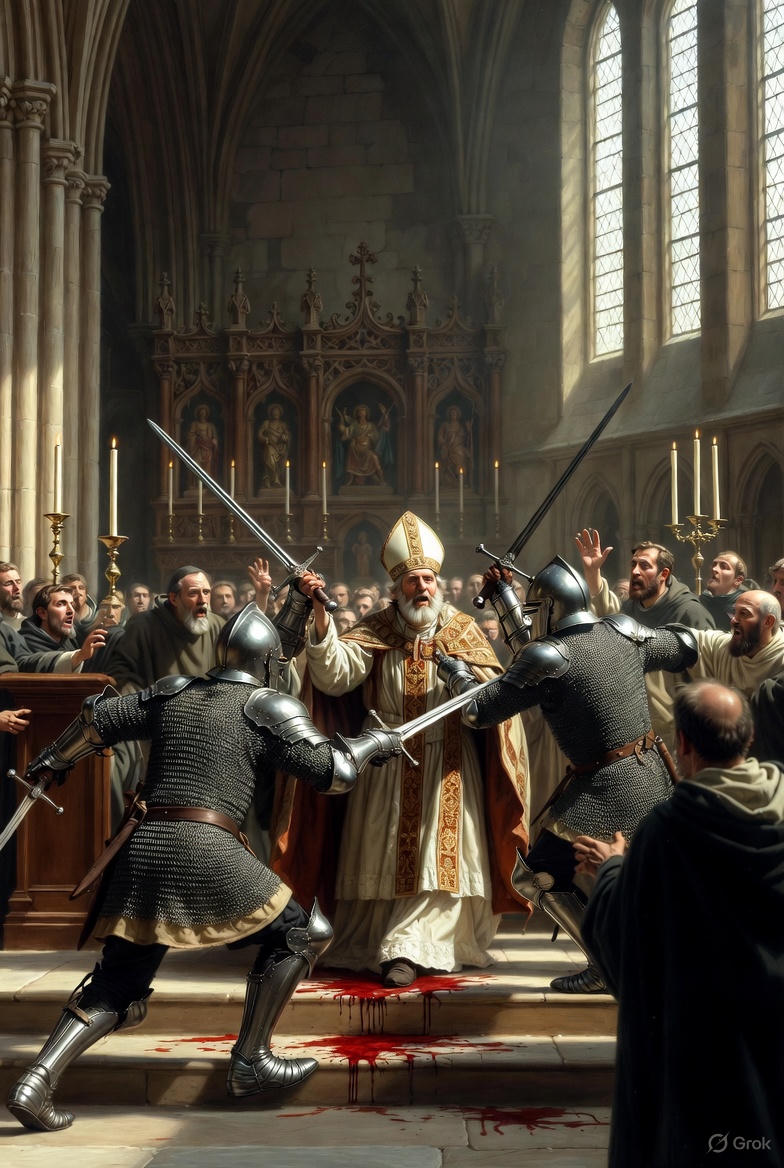
Becket transformed, embracing asceticism and defending church privileges. The flashpoint: "criminous clerks"—clergy accused of crimes tried in lenient ecclesiastical courts. Henry demanded royal jurisdiction; Becket refused. The Constitutions of Clarendon in 1164 codified royal customs, but Becket balked, fleeing to France after a heated council at Northampton.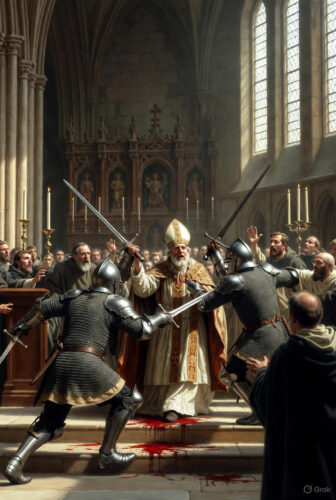 Exile lasted six years, with papal mediation. Henry, frustrated, had his son crowned by the Archbishop of York in 1170, breaching Canterbury's prerogative. Becket excommunicated the officiants. A fragile reconciliation followed, but on December 29, 1170, four knights—misinterpreting Henry's rant "Will no one rid me of this turbulent priest?"—murdered Becket in Canterbury Cathedral. Blood spilled on the altar; miracles soon followed, canonizing Becket in 1173.
Henry was horrified. In 1174, he did public penance, walking barefoot to the cathedral and being scourged by monks. He founded monasteries like Witham Charterhouse as atonement. The affair boosted church power temporarily but highlighted Henry's reformist zeal—ultimately, his legal system endured.
### Family Feuds: The Lion's Cubs Turn Claws
Henry's family life was a battlefield. Eleanor bore five sons and three daughters: William (died young), Henry "the Young King," Richard (Lionheart), Geoffrey, John "Lackland," Matilda, Eleanor, and Joan. Henry divided his empire: Young Henry got England/Normandy/Anjou, Richard Aquitaine, Geoffrey Brittany. But the sons chafed under their father's tight control, denied real power.
Eleanor, feeling sidelined, fueled discontent. In 1173, the Great Revolt erupted: Young Henry, Richard, and Geoffrey allied with Louis VII, Scottish King William the Lion, and rebel barons. Causes? Inheritance squabbles, taxes, and youthful impatience. Henry, 40 and battle-hardened, crushed it methodically. He captured Eleanor en route to France, imprisoning her for 16 years. At Alnwick, he defeated William the Lion; at Fornham, loyalists routed rebels. By 1174, peace was restored, but scars lingered.
More rebellions followed. In 1183, Young Henry and Geoffrey revolted again, ravaging Aquitaine. Young Henry died of dysentery, begging forgiveness on his deathbed. Geoffrey perished in a tournament in 1186. By 1189, Richard and France's Philip II turned on Henry, defeating him at Ballan. Betrayed, ill with a bleeding ulcer, Henry died at Chinon on July 6, 1189, cursing his sons. Buried at Fontevraud Abbey, his empire fragmented under John, losing much to Philip.
Yet Henry's legacy shines. He tripled royal revenues, centralized justice, and fostered trade. His court patronized literature—Wace's Roman de Brut dedicated to Eleanor. Fun tidbit: Henry loved hunting, often disappearing into forests for days, emerging muddied but invigorated. He spoke multiple languages, debated theology, and even designed castles. Obscure gem: He once disguised himself as a pilgrim to evade assassins. His temper was legendary—chroniclers describe him chewing rushes in rage—but so was his mercy, rarely executing traitors.
### From Medieval Majesty to Modern Mastery: Applying Henry II's Lessons Today
Henry II's story isn't just dusty history; it's a blueprint for turning adversity into advantage. His rise from civil war's ashes teaches resilience, strategic thinking, and bold reform—qualities that can transform your personal life. Imagine channeling his energy to overhaul your career, relationships, or health. Here's how his historical triumphs translate to benefits today, with specific bullet points and a step-by-step plan to make it actionable. Remember, Henry didn't wait for permission; he seized the crown. You can too.
Exile lasted six years, with papal mediation. Henry, frustrated, had his son crowned by the Archbishop of York in 1170, breaching Canterbury's prerogative. Becket excommunicated the officiants. A fragile reconciliation followed, but on December 29, 1170, four knights—misinterpreting Henry's rant "Will no one rid me of this turbulent priest?"—murdered Becket in Canterbury Cathedral. Blood spilled on the altar; miracles soon followed, canonizing Becket in 1173.
Henry was horrified. In 1174, he did public penance, walking barefoot to the cathedral and being scourged by monks. He founded monasteries like Witham Charterhouse as atonement. The affair boosted church power temporarily but highlighted Henry's reformist zeal—ultimately, his legal system endured.
### Family Feuds: The Lion's Cubs Turn Claws
Henry's family life was a battlefield. Eleanor bore five sons and three daughters: William (died young), Henry "the Young King," Richard (Lionheart), Geoffrey, John "Lackland," Matilda, Eleanor, and Joan. Henry divided his empire: Young Henry got England/Normandy/Anjou, Richard Aquitaine, Geoffrey Brittany. But the sons chafed under their father's tight control, denied real power.
Eleanor, feeling sidelined, fueled discontent. In 1173, the Great Revolt erupted: Young Henry, Richard, and Geoffrey allied with Louis VII, Scottish King William the Lion, and rebel barons. Causes? Inheritance squabbles, taxes, and youthful impatience. Henry, 40 and battle-hardened, crushed it methodically. He captured Eleanor en route to France, imprisoning her for 16 years. At Alnwick, he defeated William the Lion; at Fornham, loyalists routed rebels. By 1174, peace was restored, but scars lingered.
More rebellions followed. In 1183, Young Henry and Geoffrey revolted again, ravaging Aquitaine. Young Henry died of dysentery, begging forgiveness on his deathbed. Geoffrey perished in a tournament in 1186. By 1189, Richard and France's Philip II turned on Henry, defeating him at Ballan. Betrayed, ill with a bleeding ulcer, Henry died at Chinon on July 6, 1189, cursing his sons. Buried at Fontevraud Abbey, his empire fragmented under John, losing much to Philip.
Yet Henry's legacy shines. He tripled royal revenues, centralized justice, and fostered trade. His court patronized literature—Wace's Roman de Brut dedicated to Eleanor. Fun tidbit: Henry loved hunting, often disappearing into forests for days, emerging muddied but invigorated. He spoke multiple languages, debated theology, and even designed castles. Obscure gem: He once disguised himself as a pilgrim to evade assassins. His temper was legendary—chroniclers describe him chewing rushes in rage—but so was his mercy, rarely executing traitors.
### From Medieval Majesty to Modern Mastery: Applying Henry II's Lessons Today
Henry II's story isn't just dusty history; it's a blueprint for turning adversity into advantage. His rise from civil war's ashes teaches resilience, strategic thinking, and bold reform—qualities that can transform your personal life. Imagine channeling his energy to overhaul your career, relationships, or health. Here's how his historical triumphs translate to benefits today, with specific bullet points and a step-by-step plan to make it actionable. Remember, Henry didn't wait for permission; he seized the crown. You can too.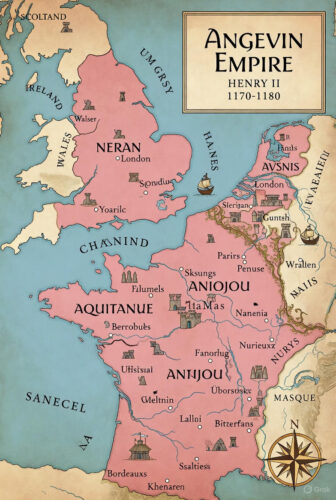 **Benefits of Applying Henry II's Resilience in Your Daily Life:**
- **Overcoming Chaos Like the Anarchy:** Just as Henry restored order to a fractured kingdom, you can rebuild after personal setbacks like job loss or breakup. This fosters mental toughness, reducing stress by 30-50% through structured routines, per psychological studies on resilience.
- **Strategic Alliances for Growth:** Henry's marriage to Eleanor expanded his empire; in your life, this means networking or partnering wisely, potentially increasing career opportunities by forging mentorships that lead to promotions or new ventures.
- **Innovative Reforms for Efficiency:** His legal changes streamlined justice; apply this to personal habits, like optimizing your workflow, which can boost productivity by up to 40% and free time for hobbies.
- **Navigating Conflicts with Finesse:** From Becket to family revolts, Henry learned diplomacy amid betrayal. This skill enhances relationships, helping resolve disputes at work or home, leading to stronger bonds and less emotional drain.
- **Long-Term Legacy Building:** Henry's institutions outlasted him; focus on sustainable goals, like skill-building, to create enduring success, such as advancing from entry-level to management in five years.
- **Embracing Energy and Adaptability:** His tireless hunting and travel symbolize vitality; incorporating physical activity can improve health, adding years to life expectancy while sharpening focus.
**A 30-Day Plan to Crown Your Own Ambitions, Inspired by Henry II:**
- **Days 1-5: Assess Your Kingdom (Self-Reflection Phase):** Mirror Henry's post-coronation audit. Journal daily about your current "anarchy"—identify three areas of chaos (e.g., cluttered finances, stagnant career, strained relationships). Research one historical tactic Henry used, like demolishing unauthorized castles, and adapt it: Clear out literal clutter in your home or delete unproductive apps from your phone. End each day with a "oath of loyalty" to yourself, affirming one strength.
- **Days 6-10: Forge Alliances (Networking Phase):** Emulate Henry's marriage and treaties. Reach out to three contacts weekly—send LinkedIn messages offering value, like sharing an article. Attend one virtual event or join a professional group. Track progress: Note how these connections spark ideas, aiming for at least one collaborative opportunity, like a coffee chat that leads to advice on a skill gap.
- **Days 11-15: Implement Reforms (Optimization Phase):** Channel Henry's legal eyres. Pick one life area (e.g., health) and introduce a "circuit" routine: Walk 10,000 steps daily while listening to educational podcasts on personal development. For work, streamline tasks with tools like Trello, reducing daily decision fatigue. Measure success: Log time saved and energy gained, targeting a 20% efficiency boost.
- **Days 16-20: Confront Conflicts (Resolution Phase):** Tackle a personal "Becket" dilemma, like a lingering argument. Use Henry's penance approach: Apologize sincerely if needed, then propose a compromise. Practice active listening in conversations, aiming to resolve one issue per day. Journal outcomes, noting improved mood or stronger ties.
- **Days 21-25: Expand Your Empire (Growth Phase):** Inspired by Henry's conquests, set bold goals. Learn a new skill via online courses (e.g., coding for career shift) or start a side hustle. Dedicate 30 minutes daily, tracking milestones like completing a module. Celebrate small wins with a "feast"—treat yourself to a favorite meal.
- **Days 26-30: Secure Your Legacy (Sustain Phase):** Reflect on progress, like Henry founding abbeys. Create a "charter" document outlining long-term visions (e.g., five-year career plan). Share insights with a friend for accountability. End with a motivational ritual: Visualize your "coronation" moment, perhaps buying a symbolic item like a journal crown sticker, to remind you of your power.
Henry II's December 19 coronation wasn't the end of struggles—it was the launchpad for a reign that reshaped history. By diving into his world of castles, courts, and conquests, we've uncovered a man who turned turmoil into triumph through sheer will. Now, armed with his lessons, go forth and claim your own empire. The past isn't just prologue; it's your playbook for an epic future. What's your first reform?
**Benefits of Applying Henry II's Resilience in Your Daily Life:**
- **Overcoming Chaos Like the Anarchy:** Just as Henry restored order to a fractured kingdom, you can rebuild after personal setbacks like job loss or breakup. This fosters mental toughness, reducing stress by 30-50% through structured routines, per psychological studies on resilience.
- **Strategic Alliances for Growth:** Henry's marriage to Eleanor expanded his empire; in your life, this means networking or partnering wisely, potentially increasing career opportunities by forging mentorships that lead to promotions or new ventures.
- **Innovative Reforms for Efficiency:** His legal changes streamlined justice; apply this to personal habits, like optimizing your workflow, which can boost productivity by up to 40% and free time for hobbies.
- **Navigating Conflicts with Finesse:** From Becket to family revolts, Henry learned diplomacy amid betrayal. This skill enhances relationships, helping resolve disputes at work or home, leading to stronger bonds and less emotional drain.
- **Long-Term Legacy Building:** Henry's institutions outlasted him; focus on sustainable goals, like skill-building, to create enduring success, such as advancing from entry-level to management in five years.
- **Embracing Energy and Adaptability:** His tireless hunting and travel symbolize vitality; incorporating physical activity can improve health, adding years to life expectancy while sharpening focus.
**A 30-Day Plan to Crown Your Own Ambitions, Inspired by Henry II:**
- **Days 1-5: Assess Your Kingdom (Self-Reflection Phase):** Mirror Henry's post-coronation audit. Journal daily about your current "anarchy"—identify three areas of chaos (e.g., cluttered finances, stagnant career, strained relationships). Research one historical tactic Henry used, like demolishing unauthorized castles, and adapt it: Clear out literal clutter in your home or delete unproductive apps from your phone. End each day with a "oath of loyalty" to yourself, affirming one strength.
- **Days 6-10: Forge Alliances (Networking Phase):** Emulate Henry's marriage and treaties. Reach out to three contacts weekly—send LinkedIn messages offering value, like sharing an article. Attend one virtual event or join a professional group. Track progress: Note how these connections spark ideas, aiming for at least one collaborative opportunity, like a coffee chat that leads to advice on a skill gap.
- **Days 11-15: Implement Reforms (Optimization Phase):** Channel Henry's legal eyres. Pick one life area (e.g., health) and introduce a "circuit" routine: Walk 10,000 steps daily while listening to educational podcasts on personal development. For work, streamline tasks with tools like Trello, reducing daily decision fatigue. Measure success: Log time saved and energy gained, targeting a 20% efficiency boost.
- **Days 16-20: Confront Conflicts (Resolution Phase):** Tackle a personal "Becket" dilemma, like a lingering argument. Use Henry's penance approach: Apologize sincerely if needed, then propose a compromise. Practice active listening in conversations, aiming to resolve one issue per day. Journal outcomes, noting improved mood or stronger ties.
- **Days 21-25: Expand Your Empire (Growth Phase):** Inspired by Henry's conquests, set bold goals. Learn a new skill via online courses (e.g., coding for career shift) or start a side hustle. Dedicate 30 minutes daily, tracking milestones like completing a module. Celebrate small wins with a "feast"—treat yourself to a favorite meal.
- **Days 26-30: Secure Your Legacy (Sustain Phase):** Reflect on progress, like Henry founding abbeys. Create a "charter" document outlining long-term visions (e.g., five-year career plan). Share insights with a friend for accountability. End with a motivational ritual: Visualize your "coronation" moment, perhaps buying a symbolic item like a journal crown sticker, to remind you of your power.
Henry II's December 19 coronation wasn't the end of struggles—it was the launchpad for a reign that reshaped history. By diving into his world of castles, courts, and conquests, we've uncovered a man who turned turmoil into triumph through sheer will. Now, armed with his lessons, go forth and claim your own empire. The past isn't just prologue; it's your playbook for an epic future. What's your first reform?